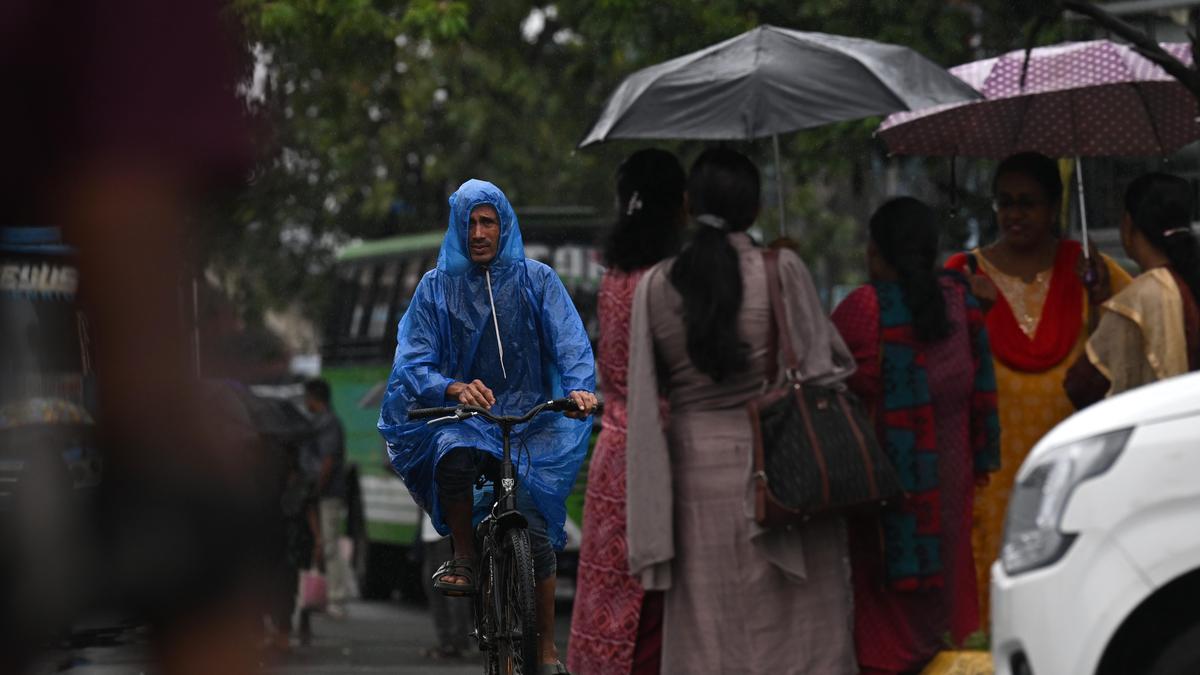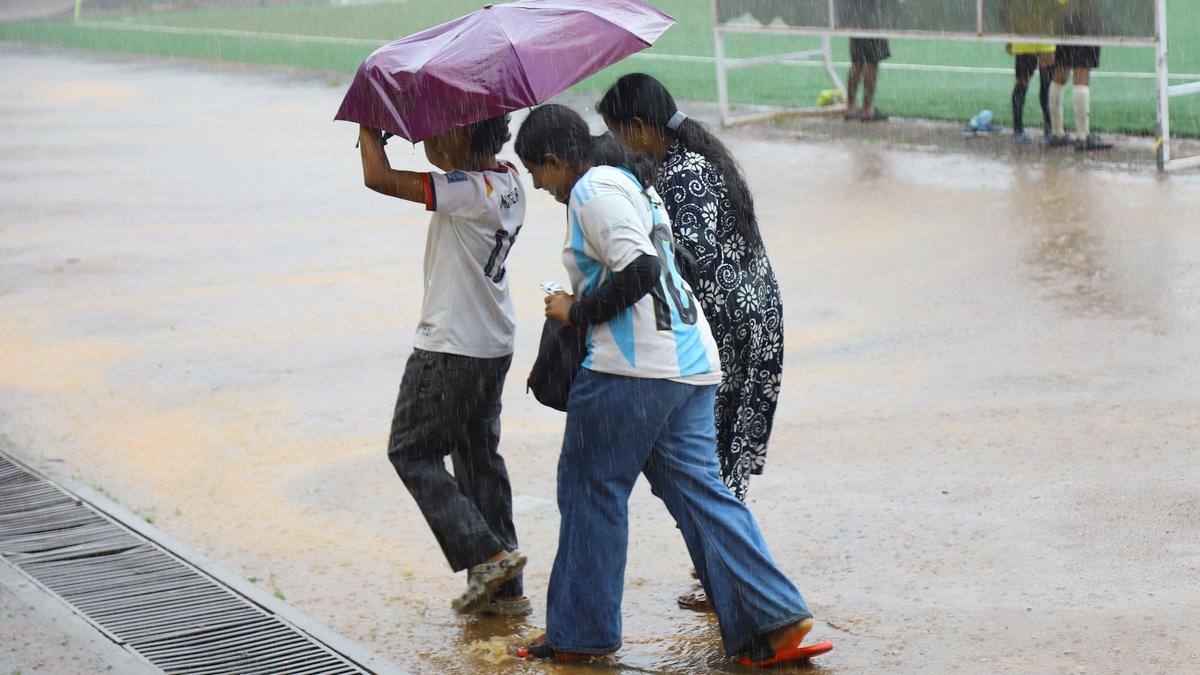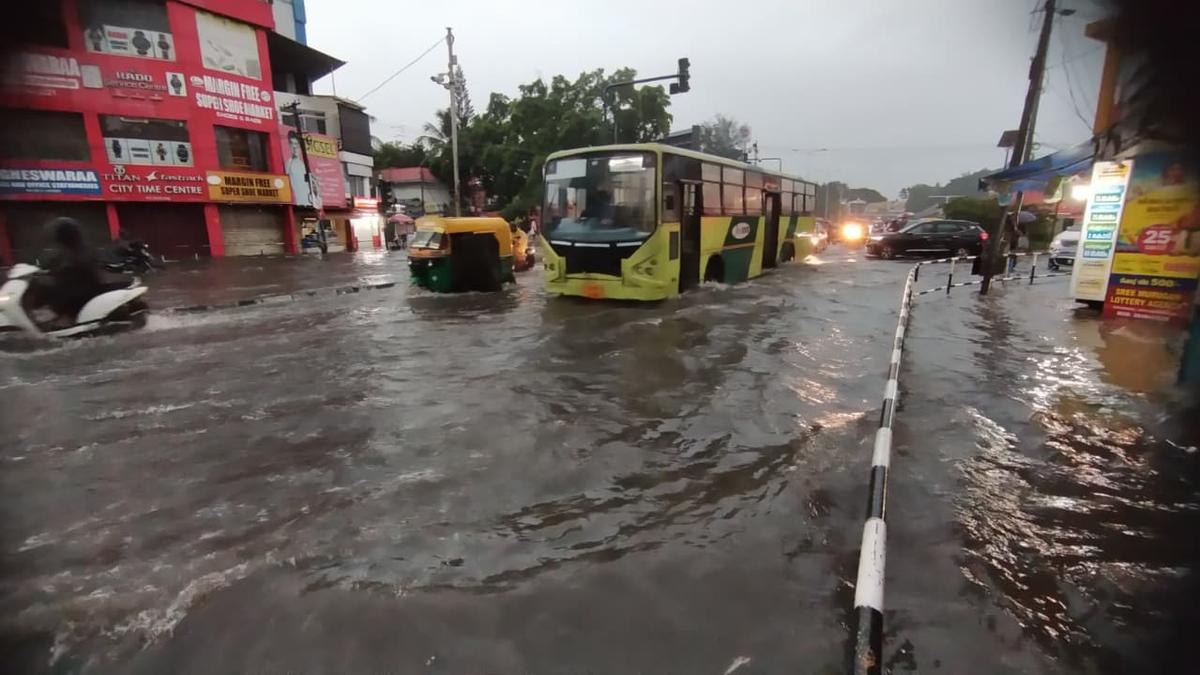
If you woke up in Kerala today wondering whether it's safe to step out, you're not alone. The India Meteorological Department (IMD) has placed 11 out of the state's 14 districts under an orange alert, warning of heavy to very heavy rainfall through the day. Only Thrissur, Palakkad and Malappuram have been spared the orange tag for now, though even that's looking shaky, with the alert zone creeping wider by the hour. Kerala Heavy Rain Alert: Check Your District's Alert Status Here's where things stand as the rain bands sweep across the state: Under Orange Alert (heavy to very heavy rain, 11.5–20.4 cm expected): Thiruvananthapuram, Kollam, Pathanamthitta, Alappuzha, Kottayam, Idukki, Ernakulam, Kozhikode, Wayanad, Kannur and Kasaragod. Comparatively safer for now (yellow alert or lighter): Thrissur, Palakkad and Malappuram, though residents here shouldn't let their guard down, since the system feeding this rain is expected to stay active over the coming days. An orange alert, for anyone unfamiliar with the colour code, isn't the most severe warning Kerala can get, that's red, reserved for extremely heavy rainfall and genuine emergencies. But orange is still serious business. It means authorities expect rain heavy enough to disrupt daily life, flood low-lying pockets and make travel risky, especially in hilly and coastal stretches. Kerala Schools Closed in Four Districts The disruption has already spilled into everyday routines. District collectors in Ernakulam, Alappuzha, Wayanad and Kasaragod have declared a holiday for educational institutions, and the same order applies to Thamarassery and Vadakara taluks in Kozhikode. It's not just regular schools that are shut. The holiday covers anganwadis, religious study classes, tuition centres, special coaching classes and even professional colleges. One exception, though, residential schools and residential colleges remain open, since their students aren't out commuting on flooded roads to begin with. If you're in one of these districts, it's worth checking with your local collectorate for updates, since holiday orders in Kerala tend to get extended or revised through the day depending on how the rain behaves.Kerala Weather Forecast: Why the Rain Won't Ease Up Behind this stretch of bad weather is what meteorologists call an offshore trough, a long, stretched-out belt of low pressure running along the coast, from south Gujarat all the way down to north Kerala. It works like a channel, continuously funnelling moisture-heavy winds toward the coastline and feeding one rain band after another instead of letting the weather settle. IMD data indicates this system isn't weakening in a hurry. The northern districts, Kannur, Kasaragod, Kozhikode and Wayanad, are likely to keep bearing the worst of it over the next few days as the trough stays parked over the region.Kerala Weather Update: State put on alert Fishermen along the Kerala coast have been told to stay off the water until conditions improve, the sea is expected to stay rough with squally winds making it unsafe to venture out. Authorities are also flagging the usual monsoon dangers that come with this kind of rainfall: trees toppling onto power lines, waterlogging in low-lying colonies, and damage to weaker structures. People living in landslide-prone hill areas or close to riverbanks have been asked to stay alert and move to safer ground if local officials issue such advice. If your district is on that orange list, it's not a day to take chances. Keep tabs on the latest bulletins rather than assuming the worst has passed just because the rain lets up for an hour or two. Kerala's monsoon has a habit of coming back stronger right when you least expect it.
Kerala Weather Today: Is your district under Orange alert? IMD warns of heavy rain in 11 districts
Kerala Weather Update: Eleven Kerala districts are under an orange alert for heavy rainfall today. Authorities have declared holidays for educational institutions in four districts. An offshore trough is causing continuous moisture-laden winds to reach the coast. Fishermen are advised to stay off the rough seas due to squally winds. Residents in vulnerable areas should remain alert and follow official advice.
587 words~3 min read