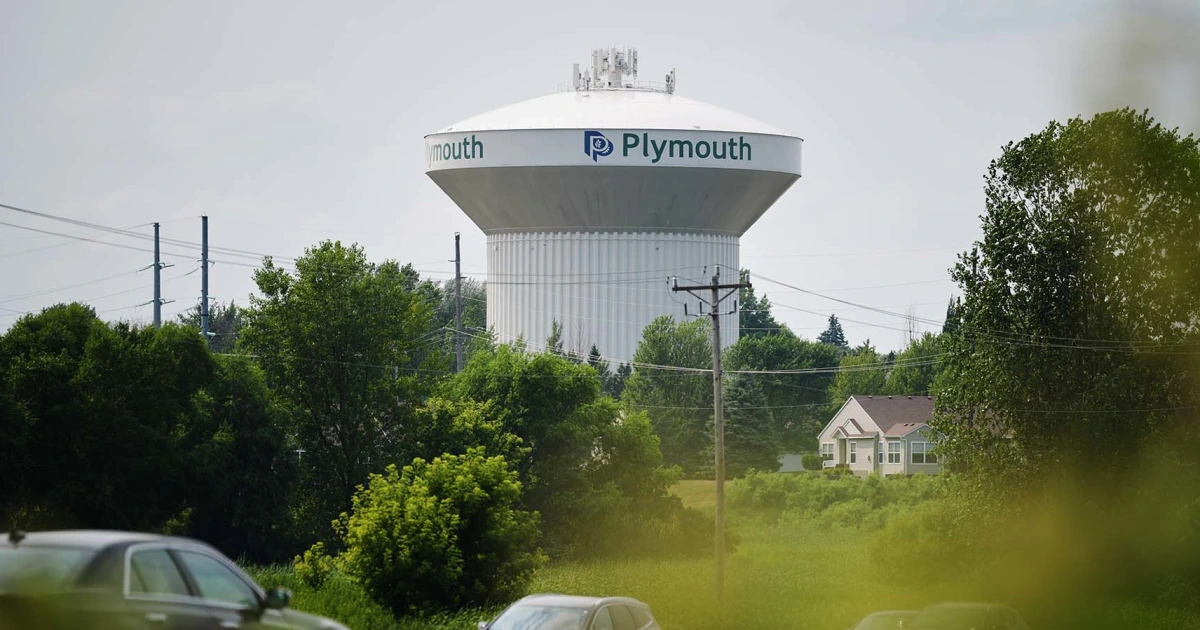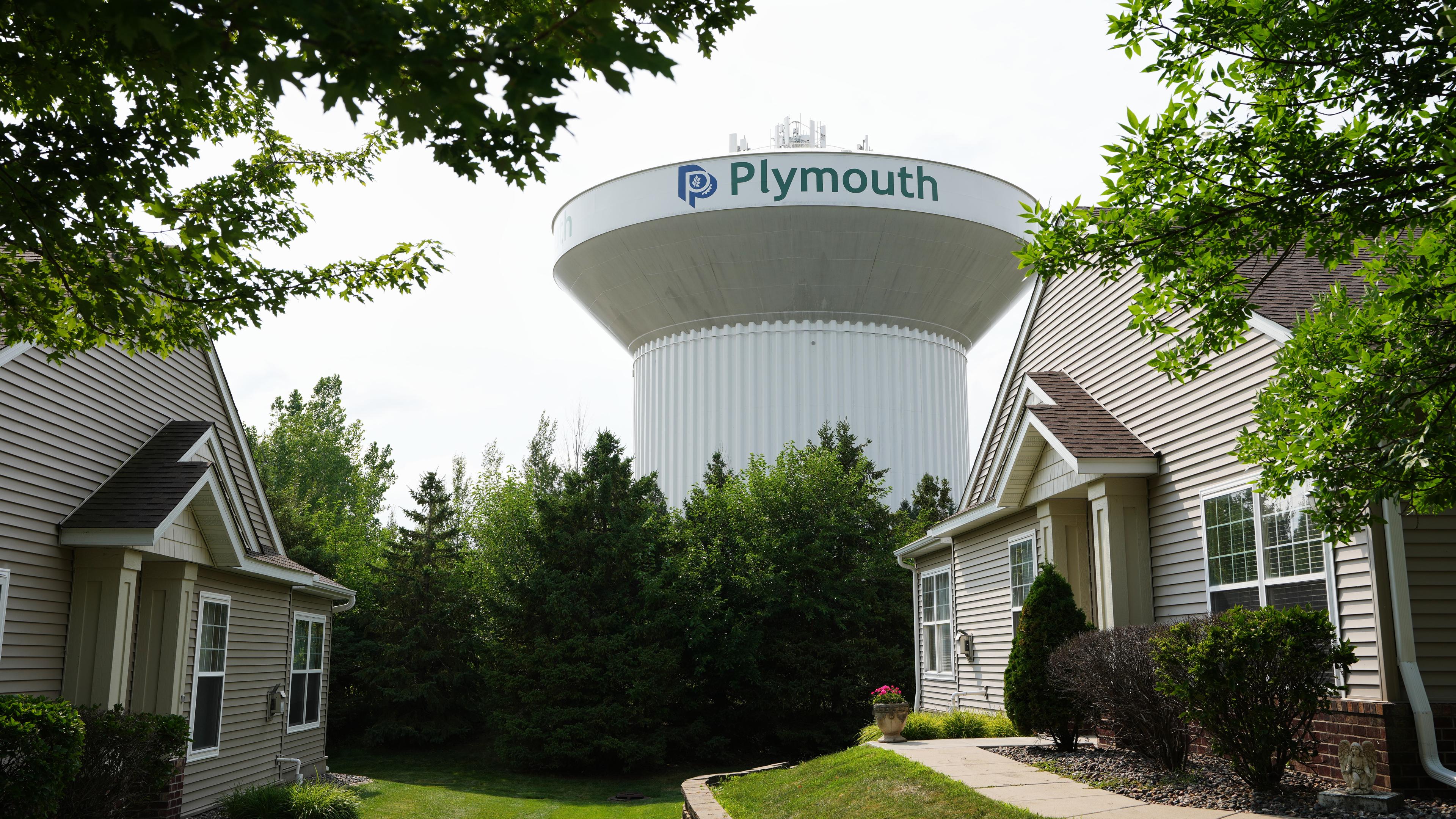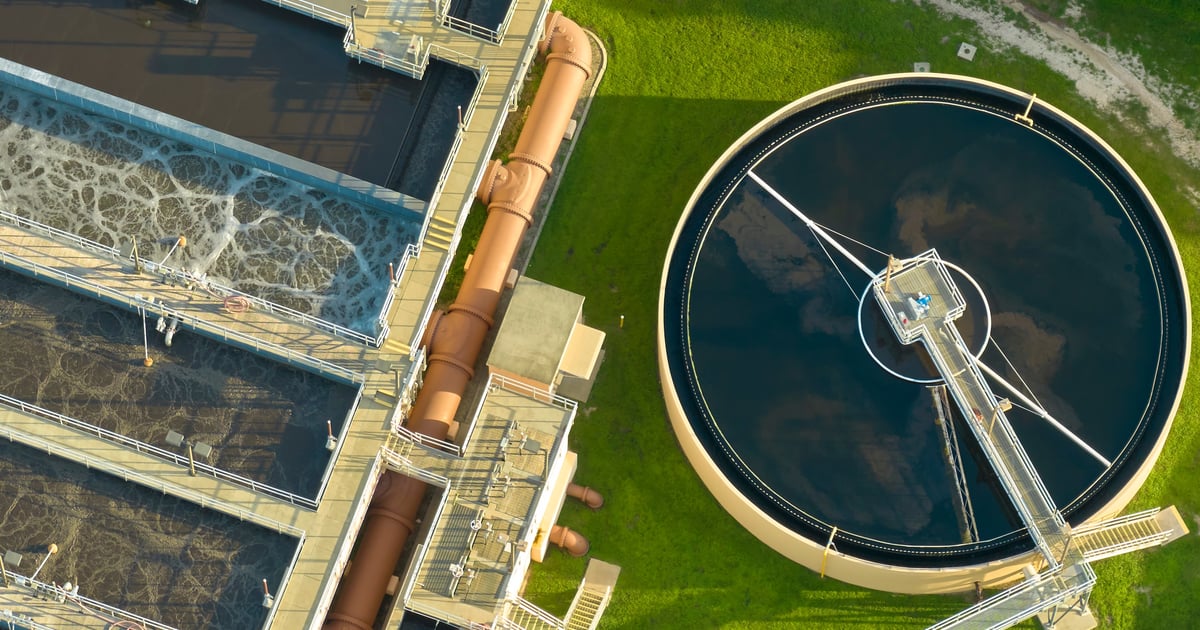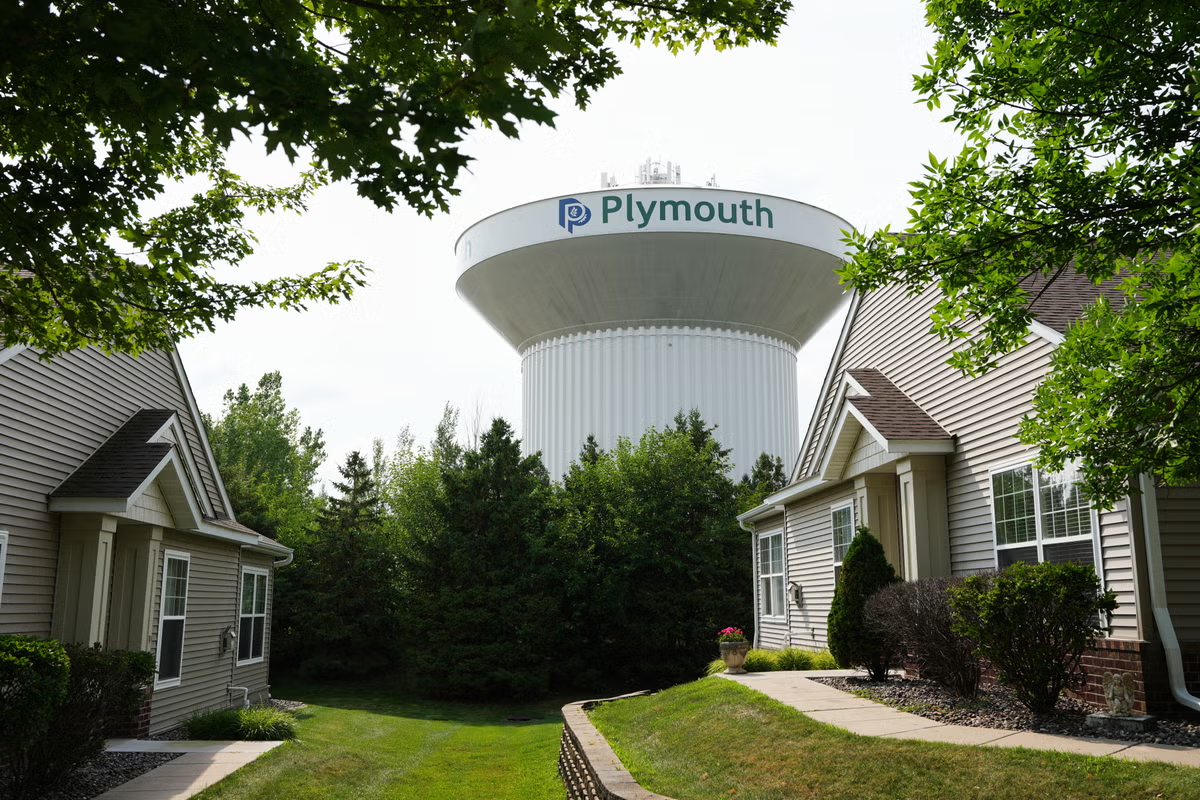
Over the past week, more than 30 community water systems in Minnesota were hit in what state officials described as a coordinated cyberattack. The attack was part of a broader surge in hacking attempts targeting water and wastewater infrastructure across the country, and investigators are looking into whether they were carried out by Iran-affiliated groups.
In the aftermath of these intrusions, federal agencies ― including the Federal Bureau of Investigation, Environmental Protection Agency and Cybersecurity and Infrastructure Security Agency ― have issued warnings to water utility operators to follow strict protocols and take other steps to reduce the risk of disruption.
But the attacks have certainly drawn attention to just how vulnerable the country’s water systems actually are, especially as more public utilities rely on internet connectivity.
“I’m increasingly worried about overdependence on undependable technology,” said Joshua Corman, executive in residence for public safety and resilience at the Institute for Security and Technology and founder of I Am The Cavalry, a nonprofit focused on cybersecurity for critical infrastructure. “There are critical infrastructure sectors that, if disrupted, could lead to losses of life.”