Show Caption
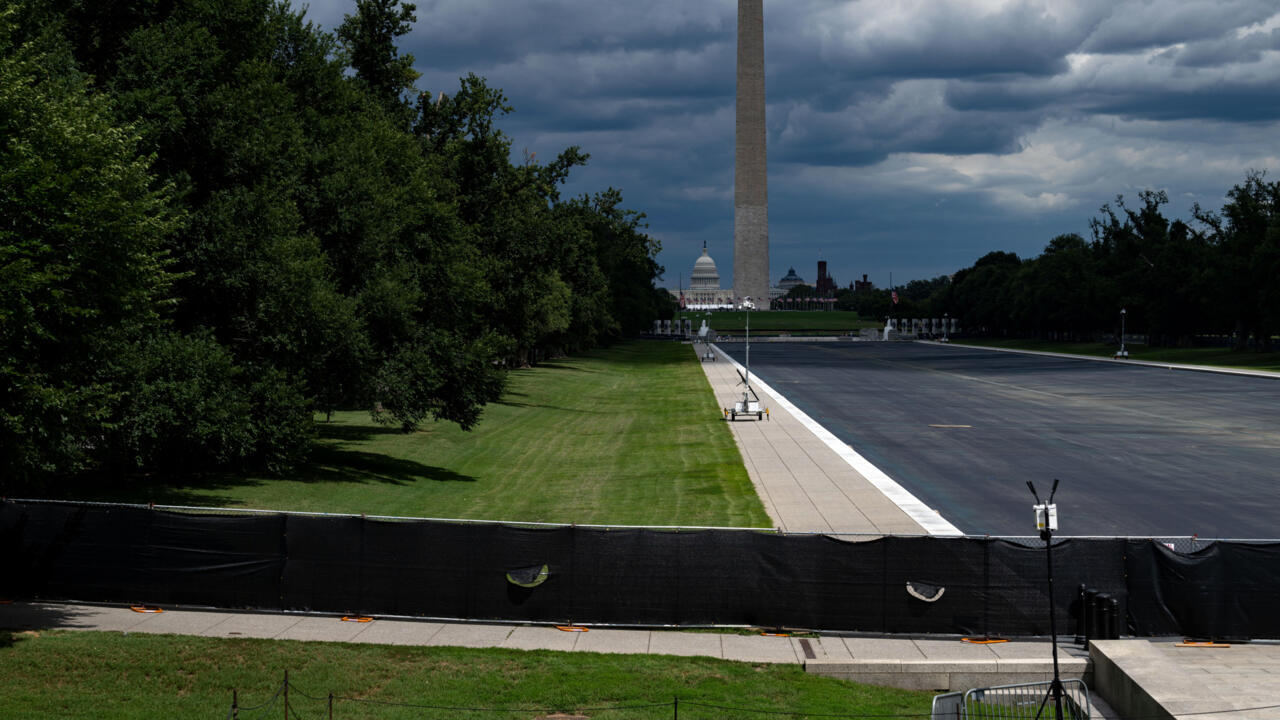
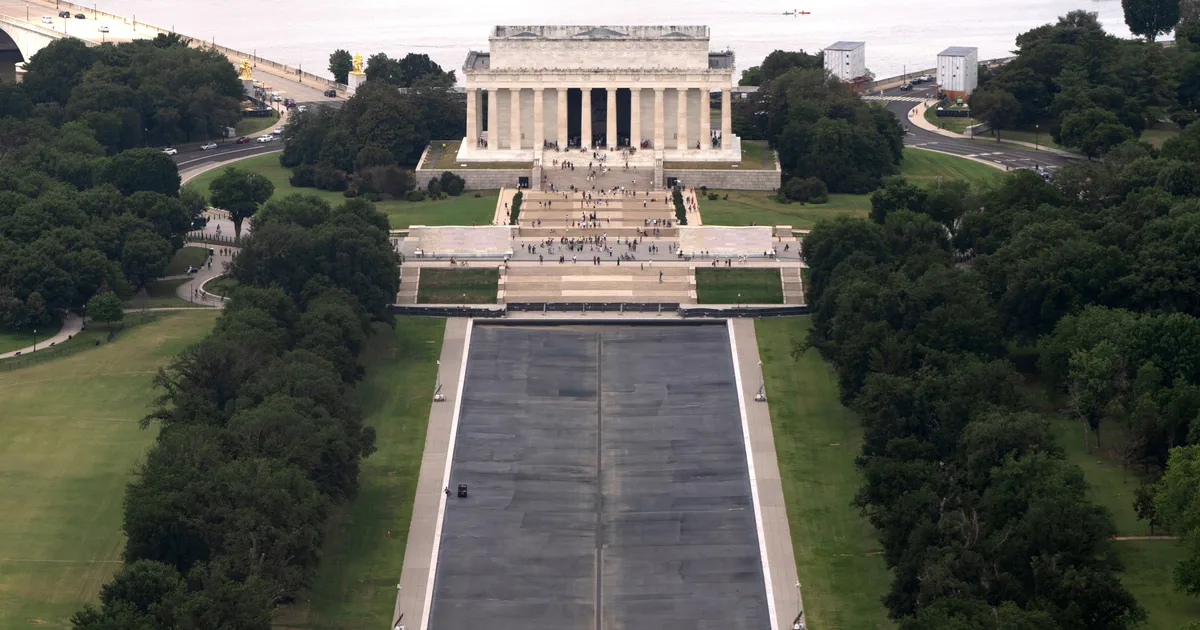
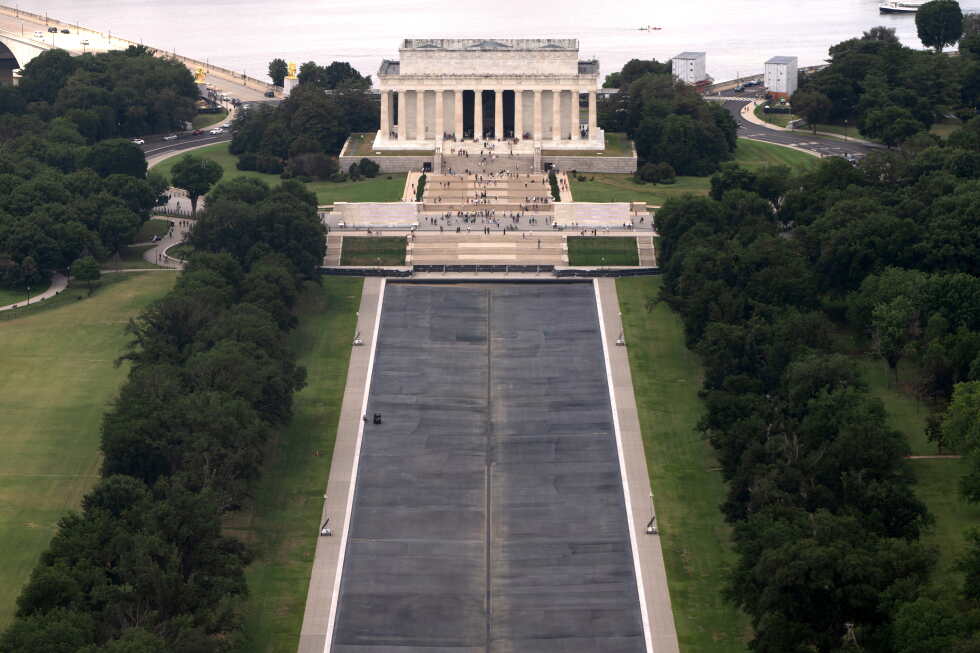
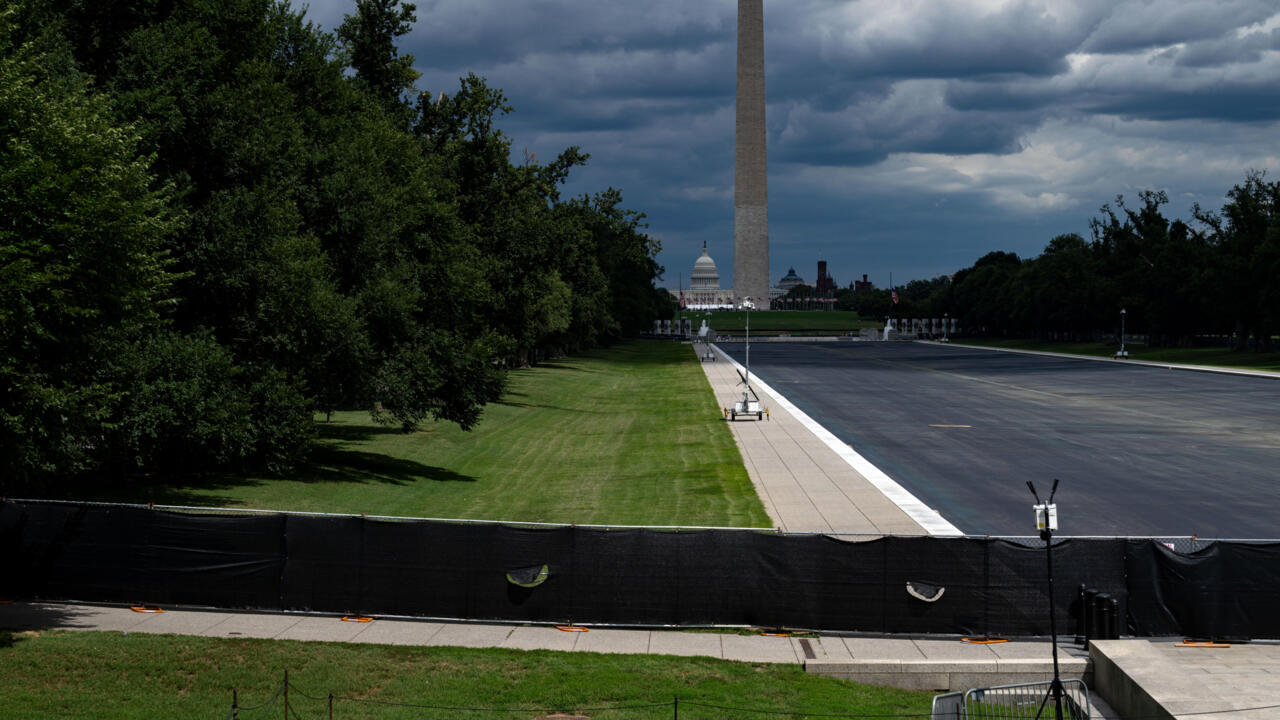
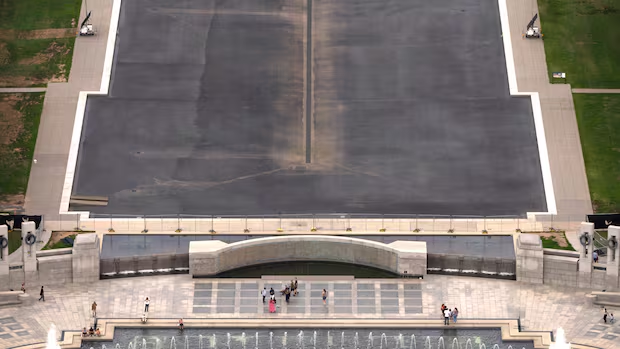
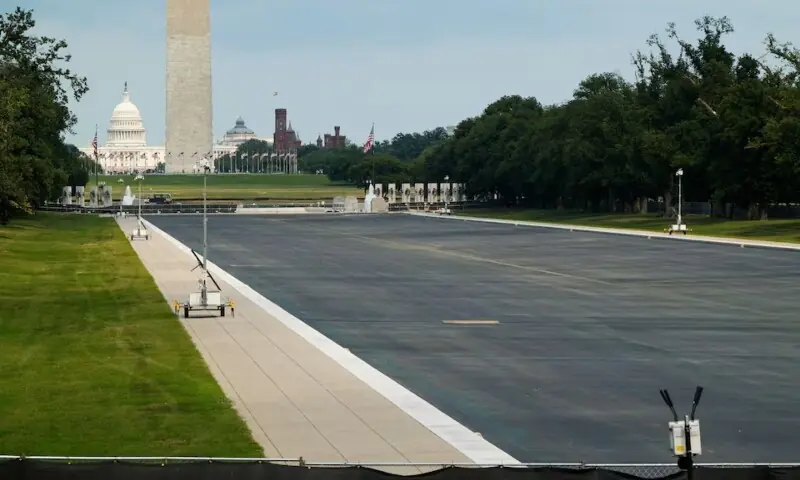
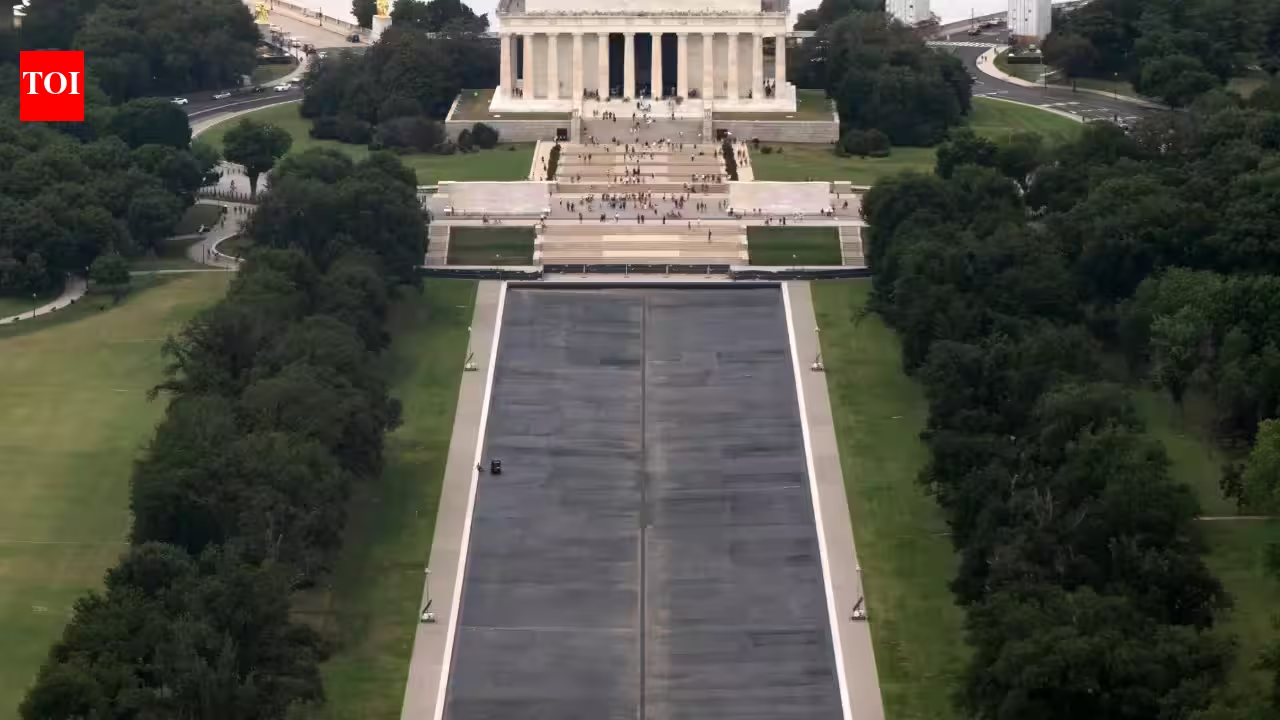
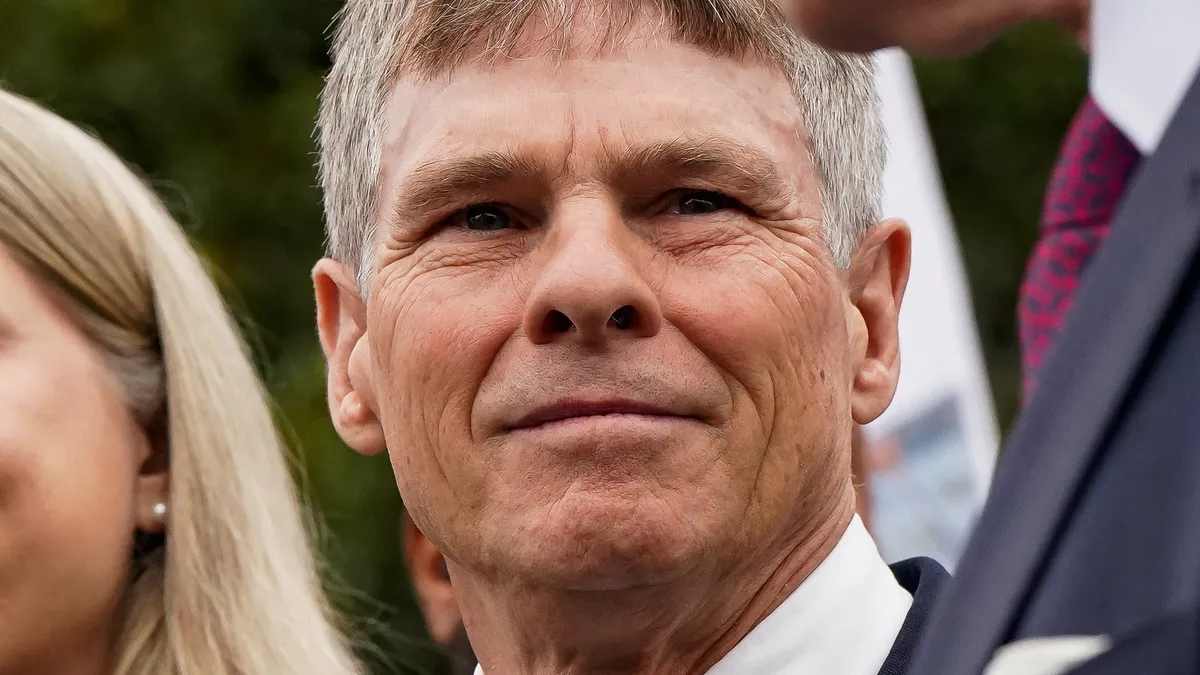
The U.S. Justice Department announced it is dropping charges against a former Olympian after the Trump administration admitted the Lincoln Memorial Reflecting Pool damage was caused by a contractor's flawed work."The damage to the reflecting pool "was the result of flawed installation by the contractor ... and the rush to complete the project prior to events associated with the America 250 celebration in the weeks surrounding Independence Day 2026," U.S. Attorney Jeanine Pirro's office wrote in a July 31 court filing obtained by USA TODAY.The filing from the government moved to dismiss the criminal case against David Hearn, an Olympic canoeist who was arrested in June on a felony destruction of property charge after he was accused of causing more than $1,000 in damage to the pool.But the government's only grand jury witness, a National Park Service official, testified that the Reflecting Pool was already damaged before Hearn touched it, according to court filings obtained by USA TODAY earlier this week.It was only after Hearn was indicted that the Department of Interior provided the U.S. Attorney's office with documents "showing that the damage was the result of a botched installation and not vandalism as initially represented" by the Interior.USA TODAY has reached out to one of the contractors, Atlantic Industrial Coatings, for comment.Here's what you need to know.What happened at the reflecting pool?The indictment against David Hearn came after an incident at the reflecting pool on June 19, 2026.In a July 2 indictment in DC Superior Court, Hearn was charged with felony destruction of property for "maliciously" breaking or destroying lining material on the bottom of the reflecting pool and causing more than $1,000 in damage − punishable by up to 10 years in prison.The government announced the charge in a news conference, with Pirro telling reporters: "Today is about accountability for damaging a national resource, a national treasure."Hearn, who competed for the U.S. in three Summer Olympics, acknowledged in an interview with the Washington Post that he reached into the water to grab the end of a "flapping piece" but that he didn't remove it.“I didn’t vandalize anything,” the 67-year-old told the newspaper. “I didn’t destroy or break or peel anything. By the time I realized what was going on, I was being put in handcuffs.”Hearn pleaded not guilty, and his attorneys said in a statement earlier this month that the charge against him reflected "the administration’s effort to shift blame for their own failures." All Americans, they added, "should be deeply concerned by the misuse of government power against an ordinary citizen based on a concocted narrative."Hearn's attorneys not immediately respond to a request for comment about the government's motion to dismiss the case against their client.U.S. Attorney's Office blames Department of InteriorPirro's office indicates in the court filing that the Department of Interior withheld information germane to the case and that prosecutors moved forward with the charge against Hearn "armed only with (the department's) representations that the defendant caused more than $1,000 of damage" to the pool.The U.S. Attorney's Office did not have any information from the Interior Department indicating that any damage to the pool "was caused by anything other than the actions of the defendant and other vandals who damaged the pool's lining."On July 17, Pirro and other U.S. Attorney's officials visited the site after it was drained and "noted extensive damage throughout." It was at then that the office "first became aware of the significant damage" and requested all documents from the department about how the pool was lined and all records related to the installation.Those documents subsequently indicated "a rushed and flawed installation process, with repeated failures of the lining during the installation process, and extensive peeling of the lining throughout the Reflecting Pool," the U.S. Attorney's Office wrote.The documents recounted significant issues during the project, including the contractor running out of the product it was using, weather delays and failures of the expansion joint sealant. "This was the first time that (the Interior) made (the U.S. Attorney's Office) aware of such information," the document says.The Interior Department's press office didn't immediately respond to USA TODAY's request for comment on Friday.Contributing: Drew Pittock, Aysha Bagchi and Natalie Neysa Alund, USA TODAY