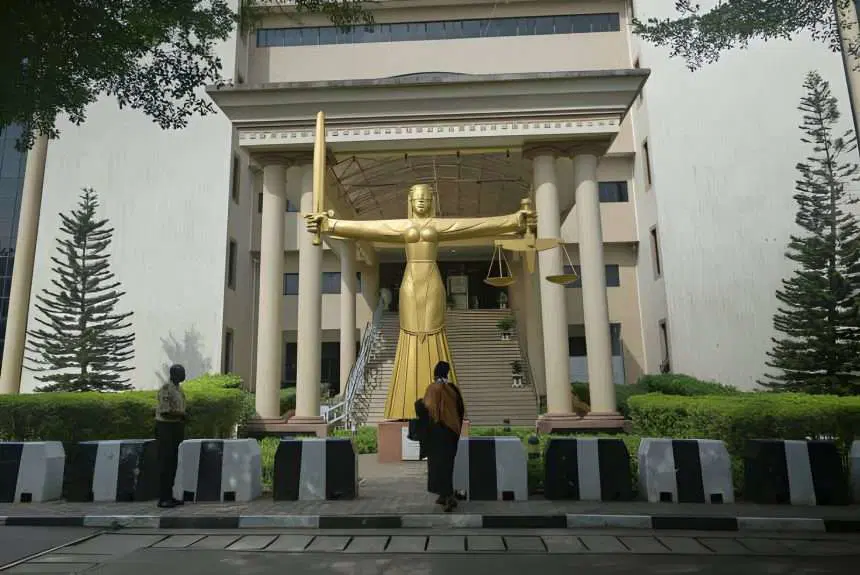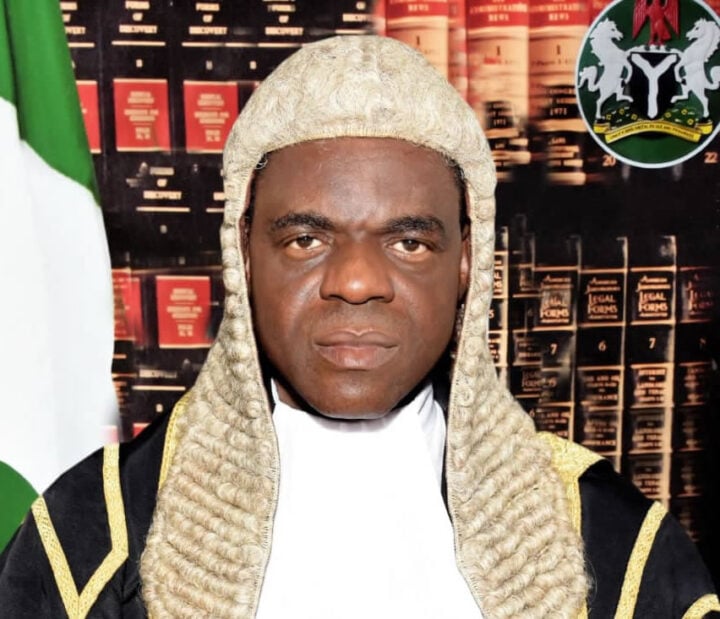
On 13 July 2026, the Honourable Justice John Terhemba Tsoho, KSS, OFR, FCIArb (UK), Chief Judge of the Federal High Court, issued the Federal High Court (Pre-Election) Practice Directions (Amendment), 2026, effective from Tuesday, 14 July 2026. The instrument amends the Federal High Court (Pre-Election) Practice Directions, 2026, and was made pursuant to Sections 254, 285(9), (10) and (14) of the Constitution of the Federal Republic of Nigeria, 1999 (as amended), and Sections 29(5) and 88(2) of the Electoral Act, 2026. Its arrival, roughly six months before the general elections scheduled for 16 January 2027, is deliberate rather than incidental: it is the judiciary’s procedural answer to a legislative and constitutional framework that leaves very little room for delay.
Why Pre-Election Litigation Cannot Afford Delay
Nigerian election law treats pre-election disputes — nomination, disqualification, false declarations as to qualification, and complaints touching the conduct of party primaries — as matters that must be resolved before, not after, the ballot. Section 285(9) of the Constitution requires that every pre-election suit be filed within 14 days of the event complained of, while Section 285(10) obligates the court to deliver judgment within 180 days of filing. On appeal, that timeline is stretched further by Section 285(11) and (12). Set against Section 29(1) of the Electoral Act, 2026, which requires political parties to submit their list of nominated candidates not later than 120 days before election day, and Section 88(4), which forbids any court from halting a primary or a general election pending litigation, the arithmetic is unforgiving. A qualification challenge filed close to a primary can easily outlive the electoral calendar itself if the trial court does not move with dispatch. The 2026 Amendment is best read as an attempt to close that gap procedurally, since the legislature has left it structurally open.