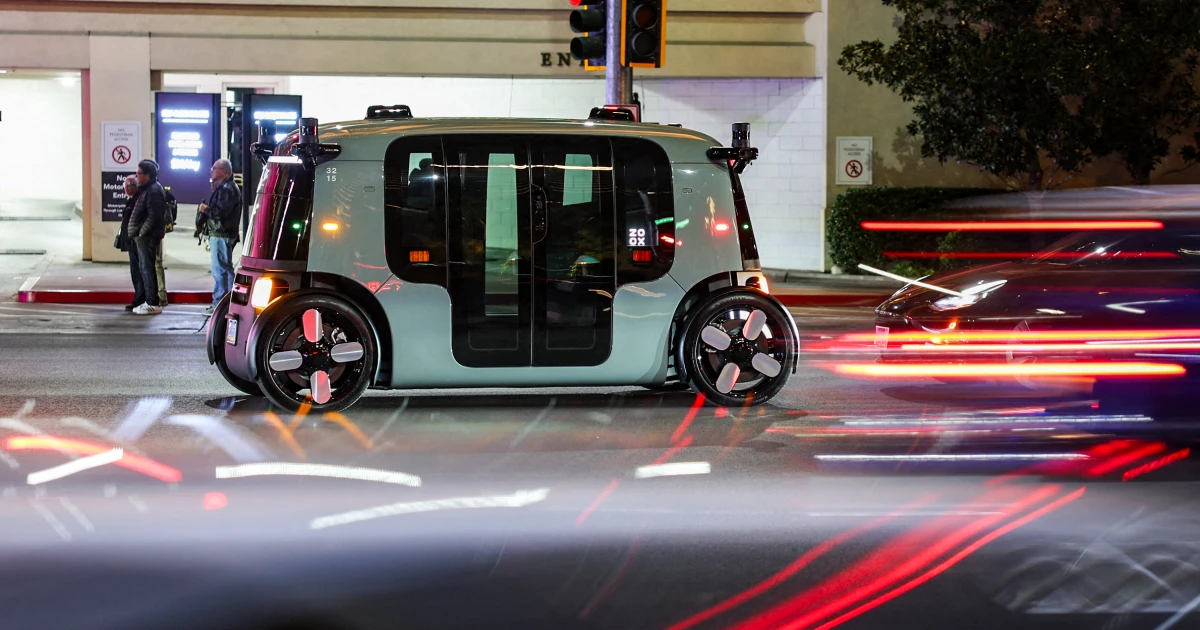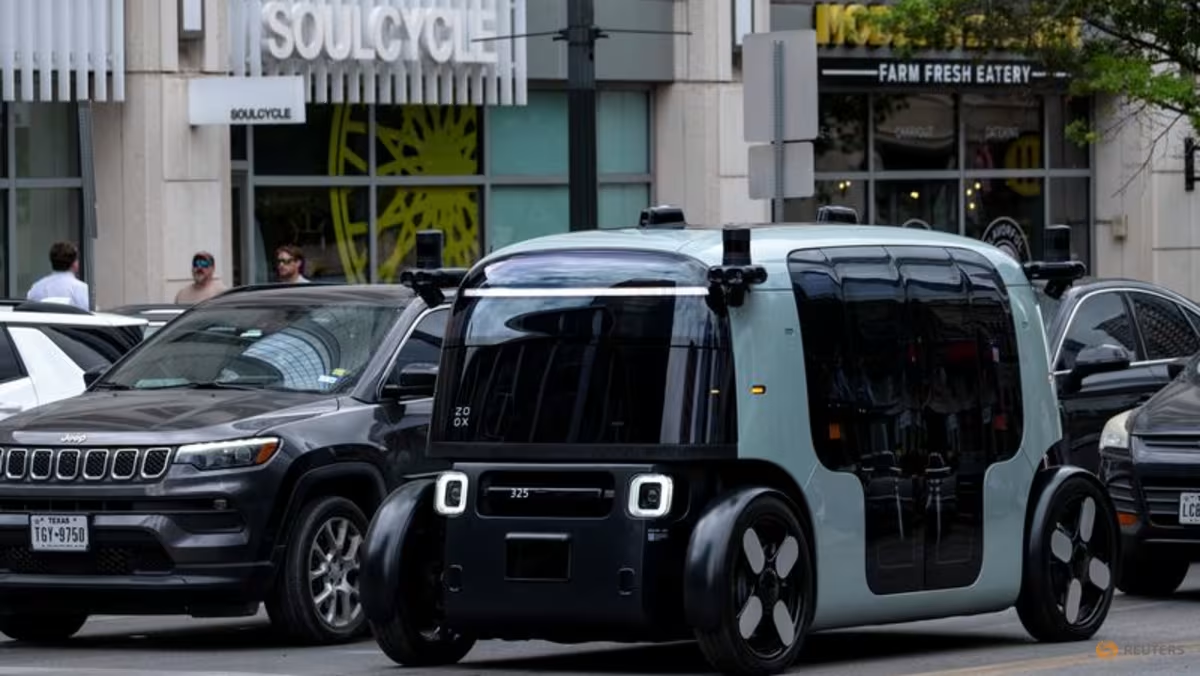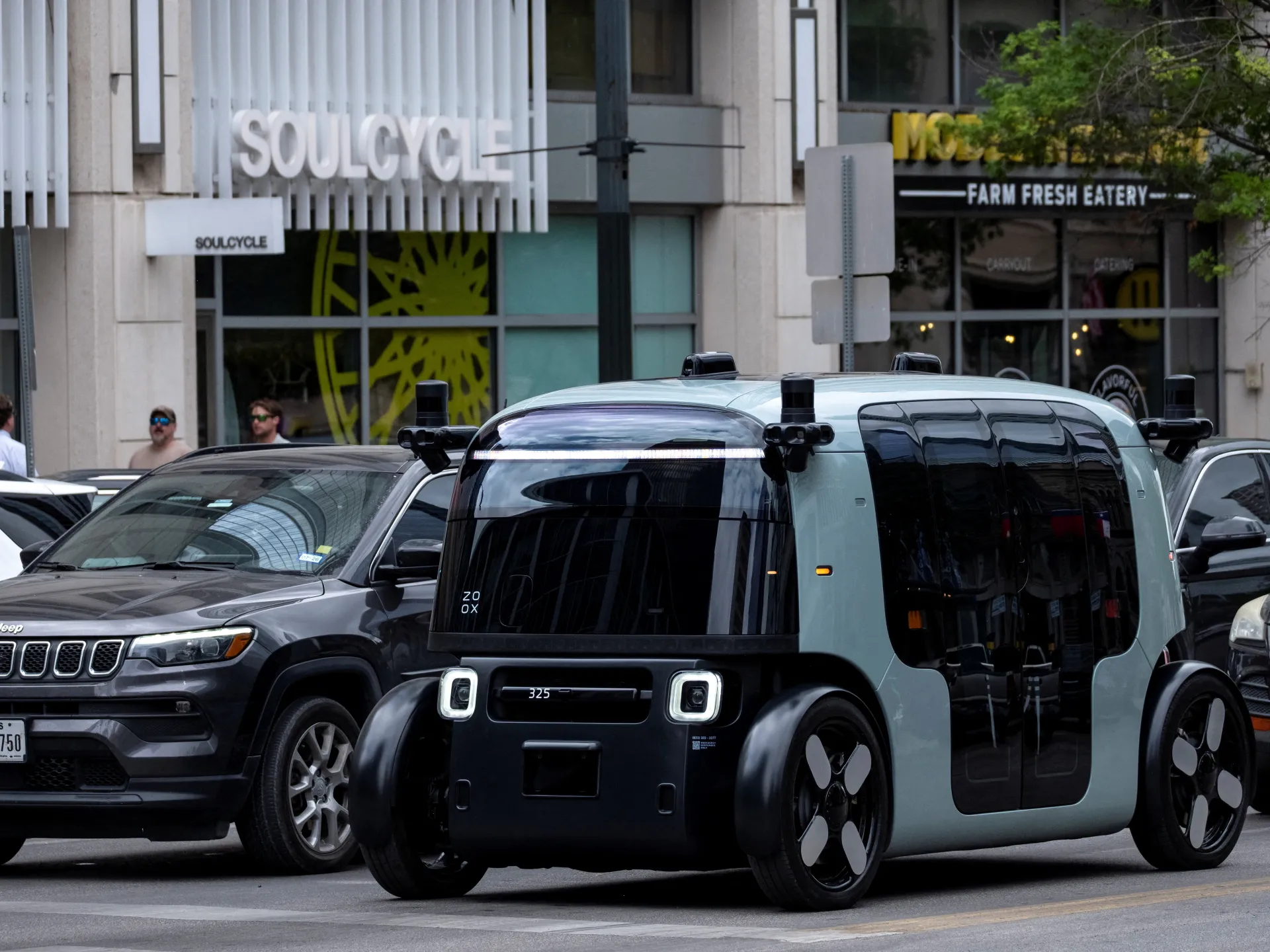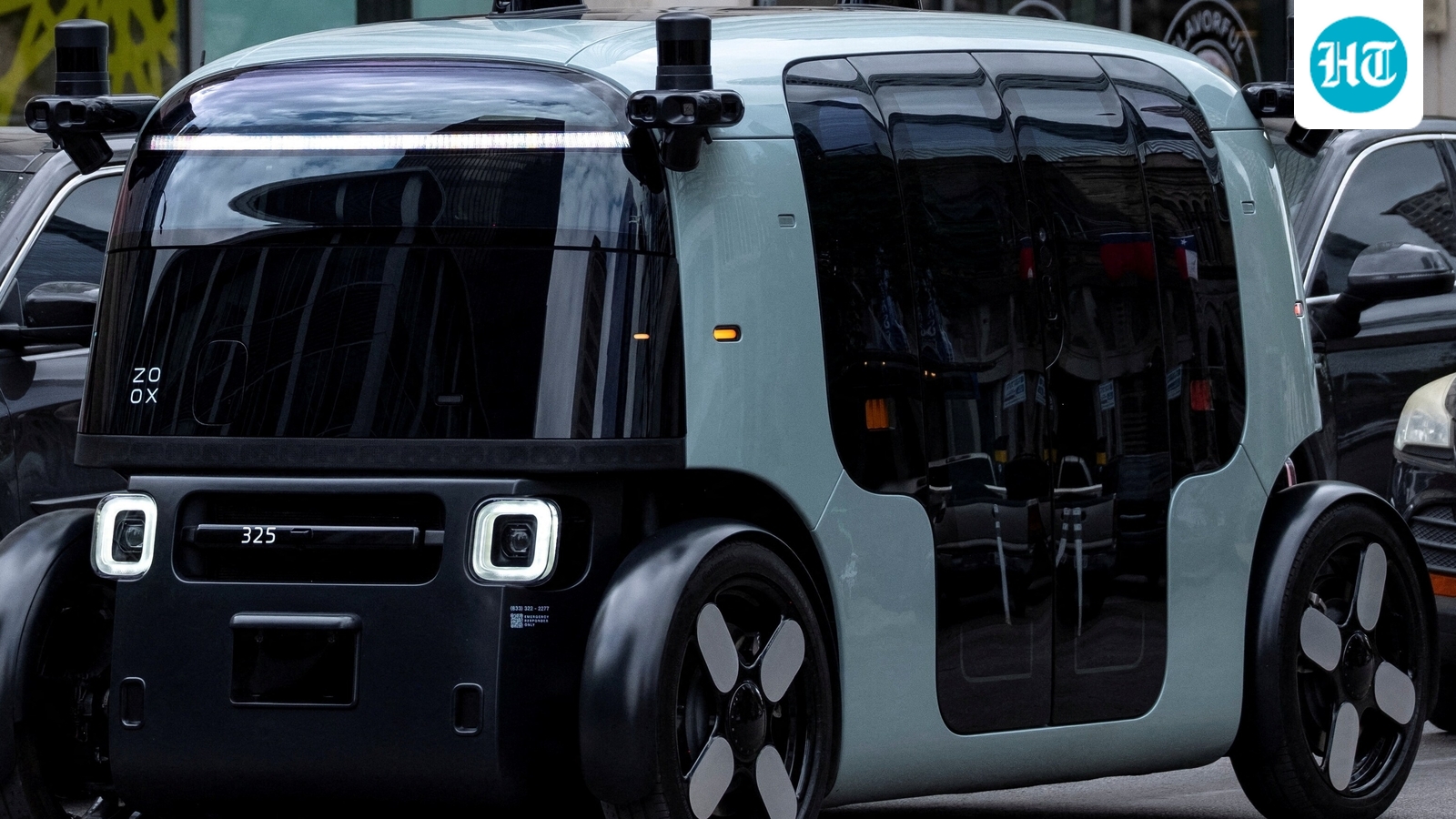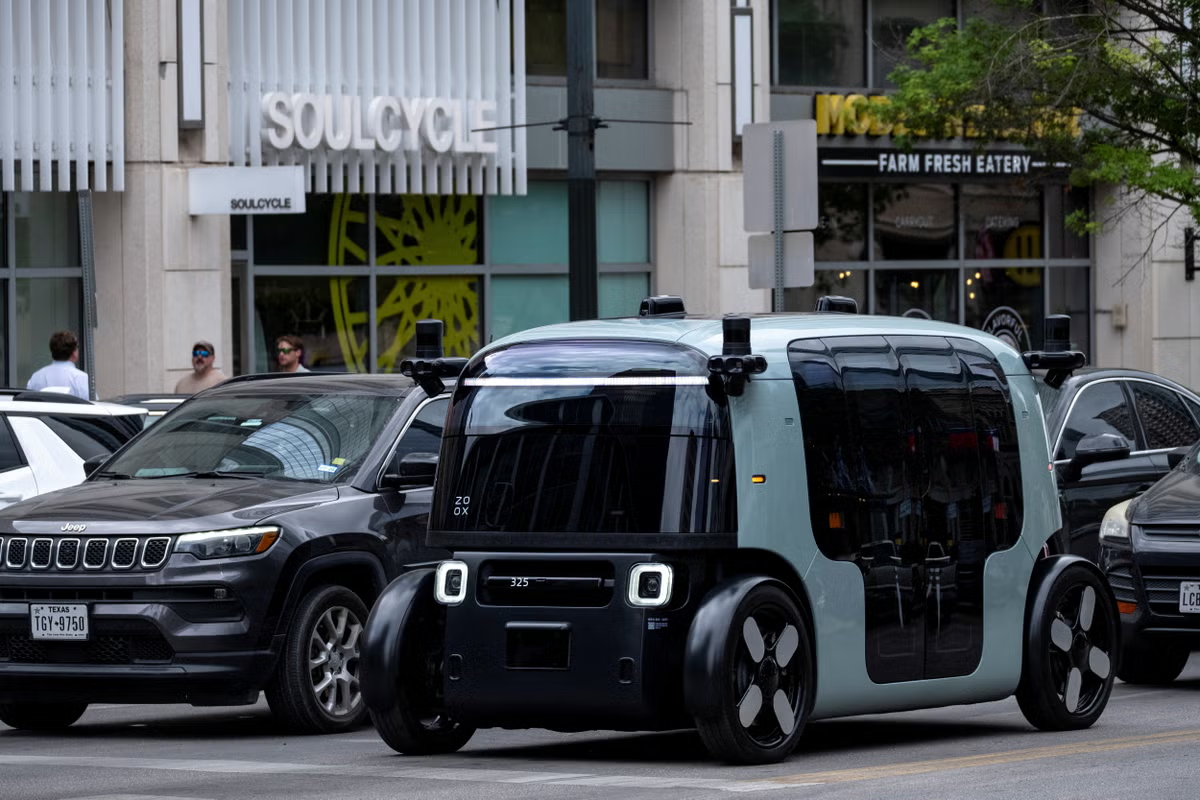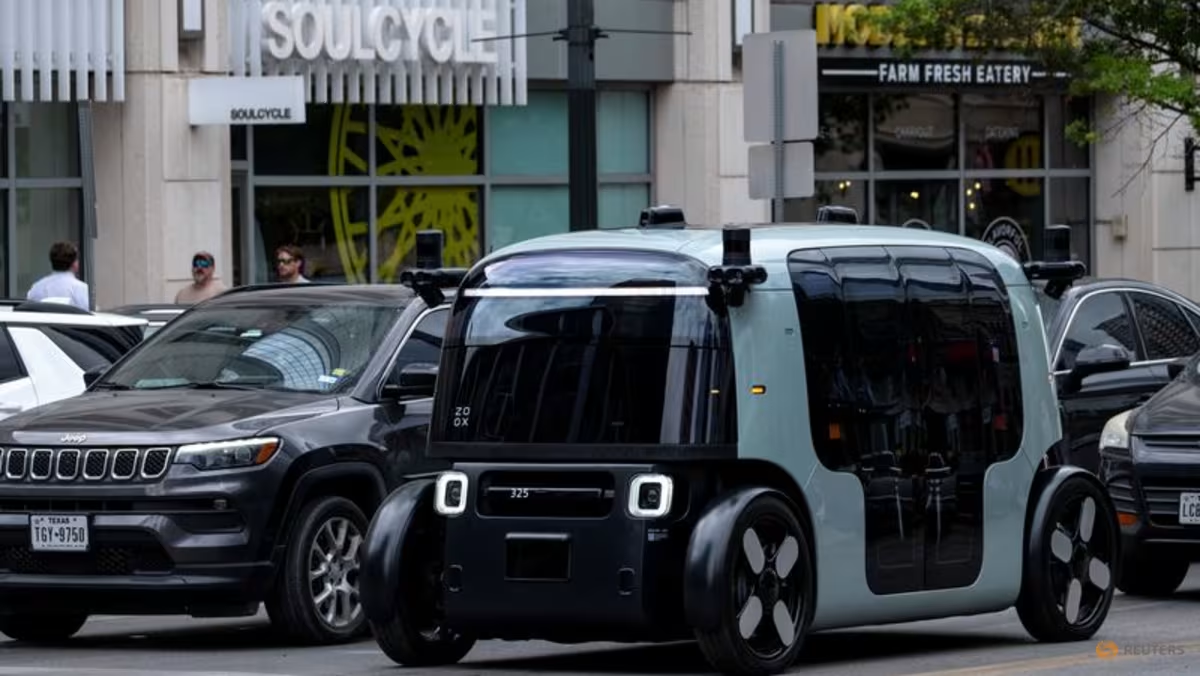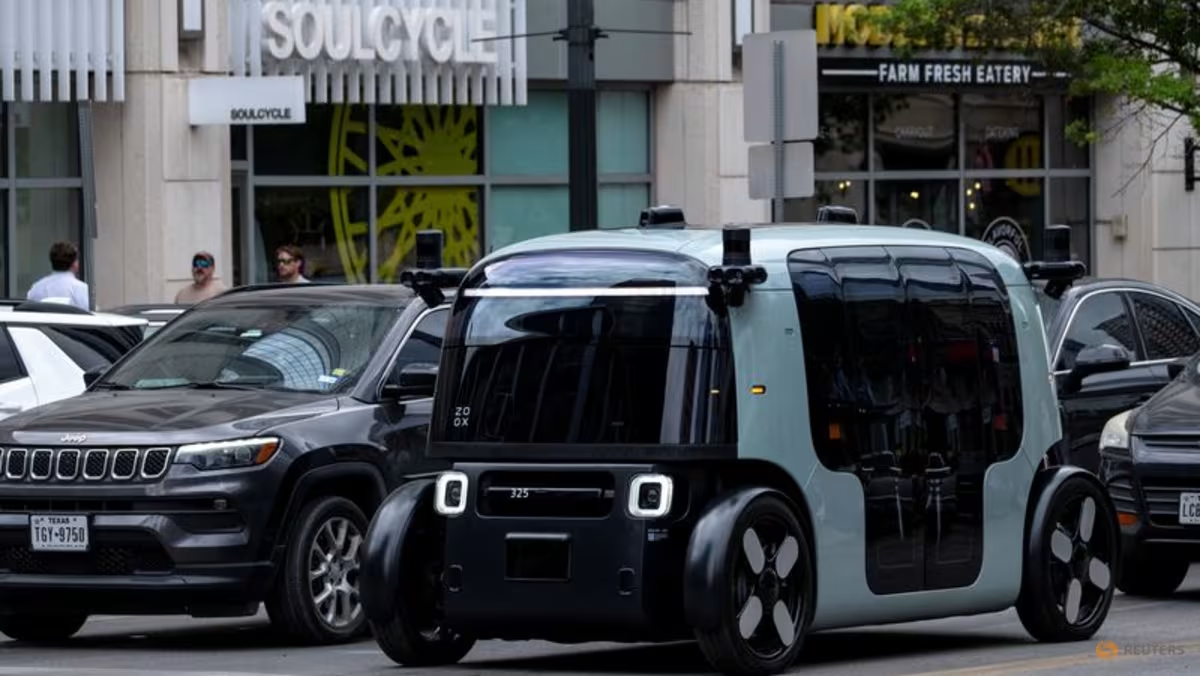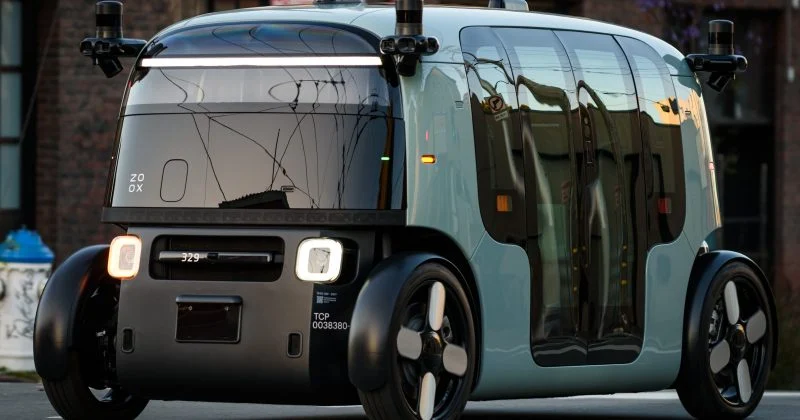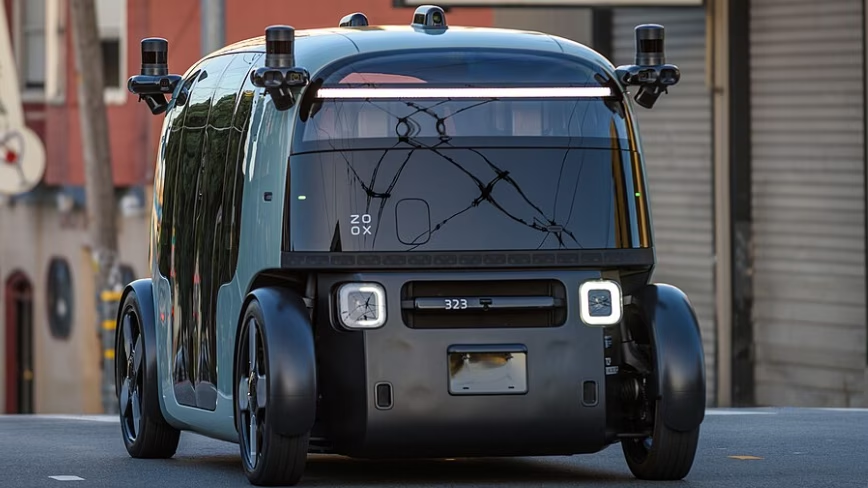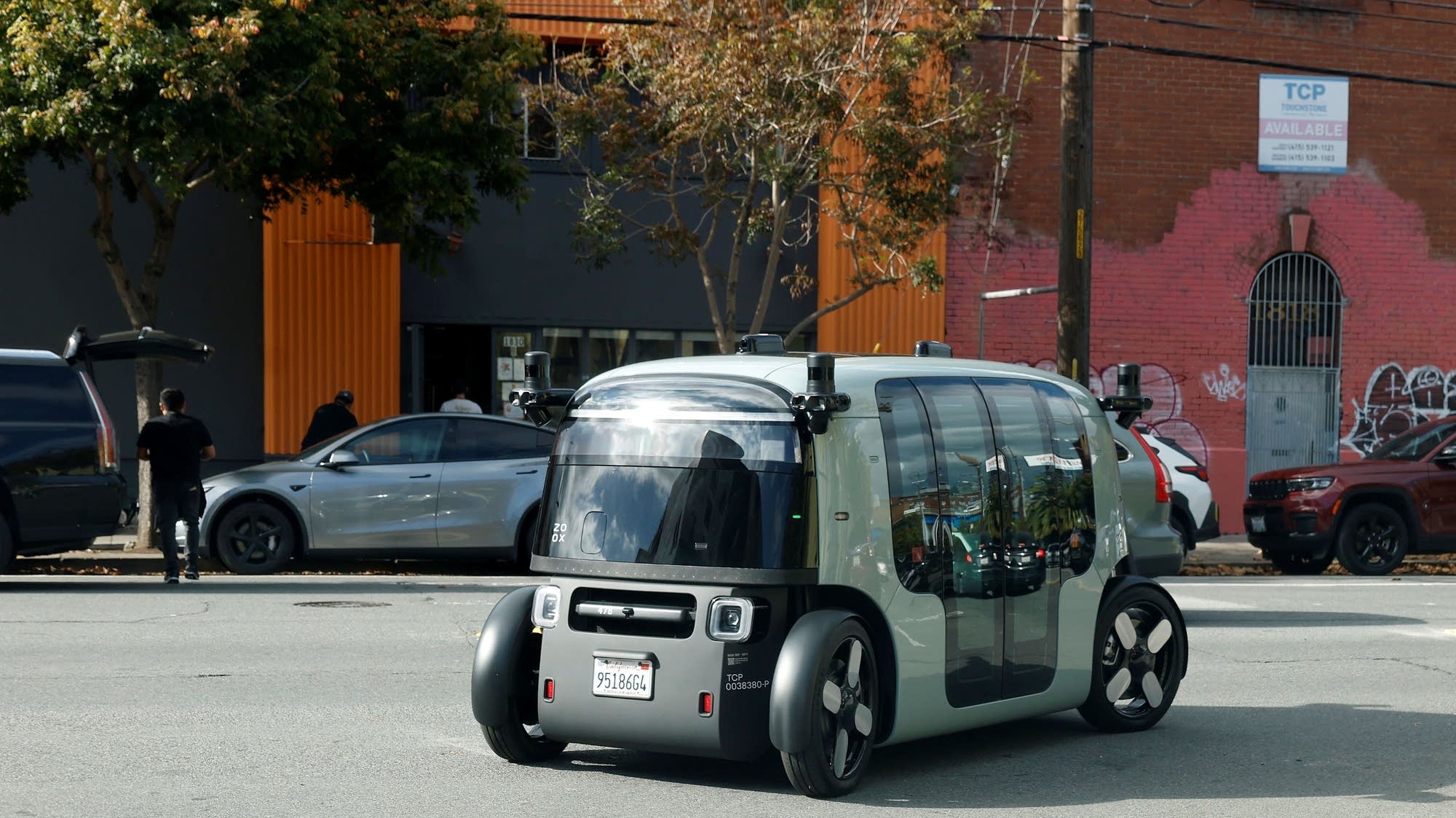
On Thursday, the Department of Transportation allowed Amazon’s autonomous vehicle company, Zoox, to roll out several thousand of its cars over the next few years.The Trump administration said it's developing safety standards for self-driving cars like Zoox that look a whole lot different than the cars we now drive. They don’t have steering wheels or brakes — or really any controls for humans.That could mean there will be more robotic cars on the roads in the coming years, but they still face plenty of speed bumps ahead.Zoox is already going for test drives in Las Vegas and San Francisco. It’s basically a shiny box on wheels: Four passenger seats, no steering wheel, and a robot voice that talks to passengers when they get in.Zoox cars are pretty different from most of the self-driving cars on the road right now — like Waymo.Zoox cars don't look like typical vehicles.Patrick T. Fallon/AFP via Getty Images“For the most part, when you're getting into a robotaxi right now, you have a vehicle that looks very much like a vehicle that you could buy yourself,” said, Jeff Farrah, CEO of the Autonomous Vehicle Industry Association.But that could change now that the feds has allowed Zoox to roll out up to 2,500 of its vehicles annually in the next two years and begin charging for rides. And new federal safety standards now in development could allow for a lot more cars like this. Sam Abuelsamid, vice president of market research at Telemetry, said those standards should set minimum requirements for what a self-driving car can do — just like we require for human drivers. “When humans go into a DMV and want to get a driver's license, first thing you have to do is take an eye exam and take a written test and prove that you understand the basic rules of the road,” Abuelsamid said.Once autonomous car companies know what’s required of them, that could give the industry a clearer path to growth. But it faces other hurdles, according to Missy Cummings, professor and director of Mason Autonomy and Robotics Center at George Mason University.“There is no such thing as a self-driving car,” Cummings said. “All of these vehicles require extensive human supervision.”Just not inside the cars. Teams of people — in some cases overseas — are monitoring these cars remotely and stepping in when they run into trouble. And that’s expensive. “It's still not clear whether one self-driving car with one passenger and a remote operator supervising it is really going to scale in terms of cost,” Cummings said.Another big hurdle: driving in bad weather, said Abuelsamid. Autonomous vehicles aren’t very good at it.“If you look at where these things have been deployed so far, most of them have been deployed in warm weather environments,” Abuelsamid said.Places like California, Texas, and Nevada. To really grow, he said, self-driving cars are going to have to get better at driving in places with snow, rain, and fog.
Amazon's self-driving Zoox taxis are about to hit the roads
The Trump administration recently agreed to allow Amazon’s driverless taxi company, Zoox, to start charging for rides.
491 words~2 min read