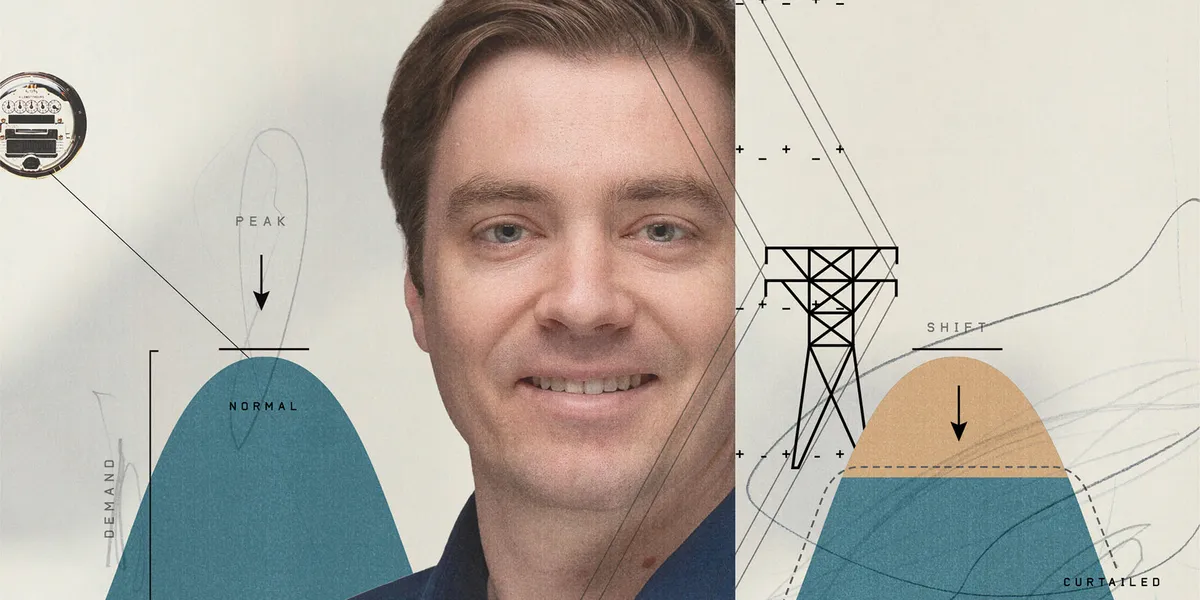
Power market analyst Oliver Kerr has watched the concept of “grid utilization” gain popularity with some skepticism. The market has been flooded with bold findings about how squeezing more out of the existing grid infrastructure could unlock tons of room for new data centers without building so many power plants and poles and wires; one study found that it could save utility customers billions of dollars.
Kerr agreed that utilities should be making the grid more efficient and flexible by deploying distributed energy, virtual power plants, and grid-enhancing technologies. But he doubts that grid utilization — which involves mandating that utilities take advantage of unused headroom — is the right policy tool to achieve those outcomes. He also found it misleading to suggest the policy would inevitably lower bills.
“My concern is that it’s not easy to define and very hard to benchmark across different systems,” Kerr, managing director, North America at Aurora Energy Research, told Latitude Media. “And I’m not sure codifying it into regulatory decision making solves the underlying issue, which is that utilities are paid based on how much capital they deploy. There’s no financial incentive to consider alternatives to building new generation and wires. So I’d rather the focus be on that.”