Commentary
Conspiracy theories do not simply explain events, they identify villains, says this professor.
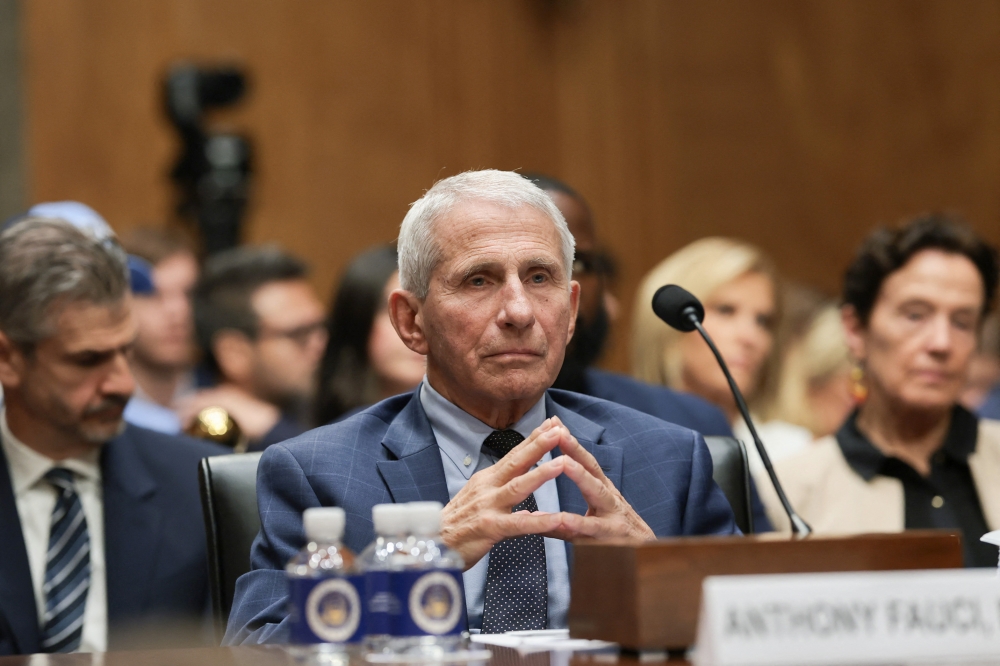
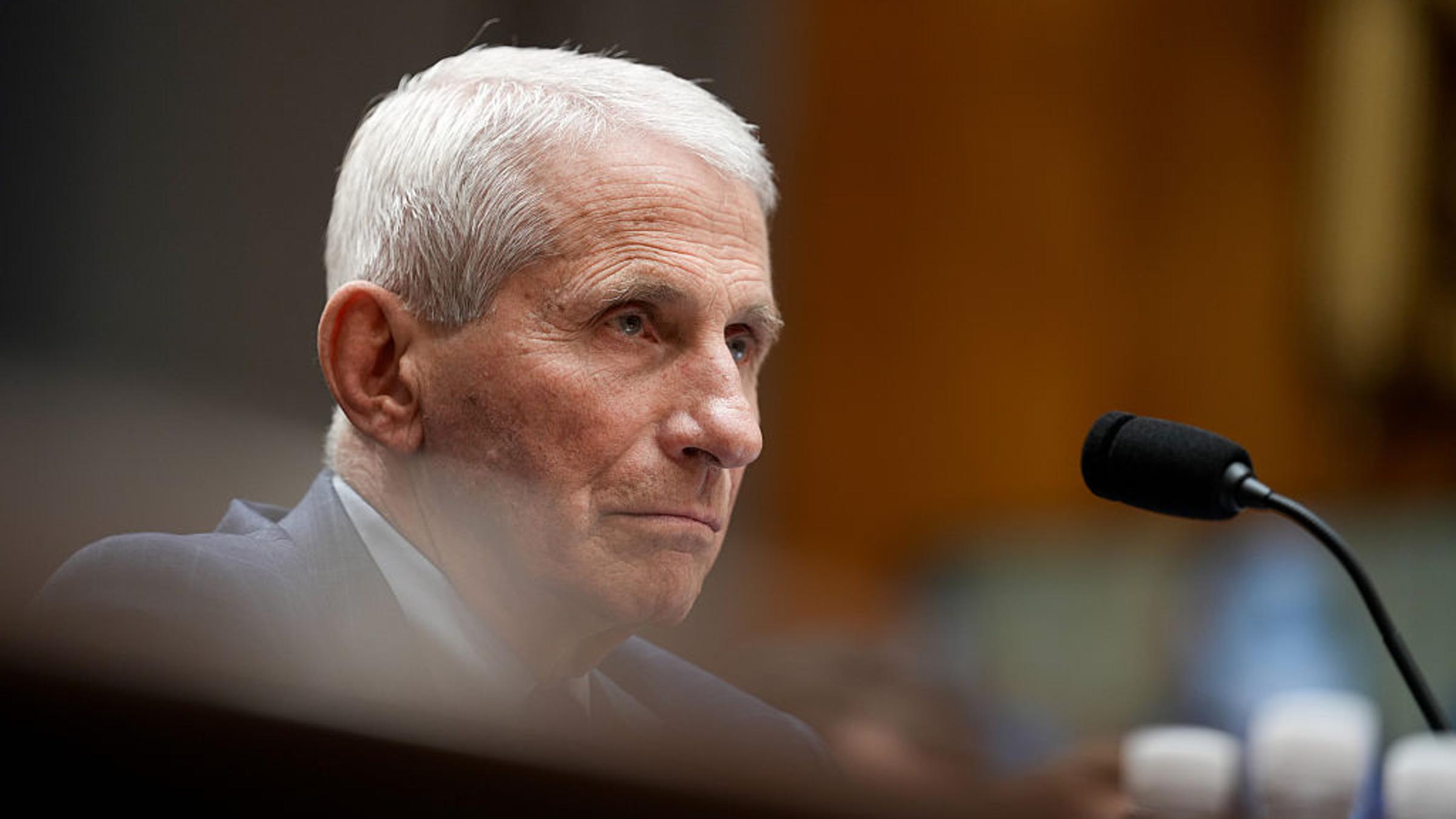
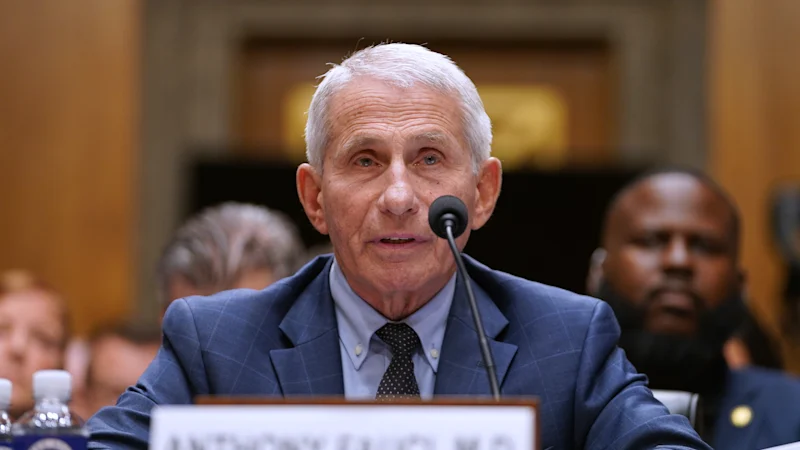
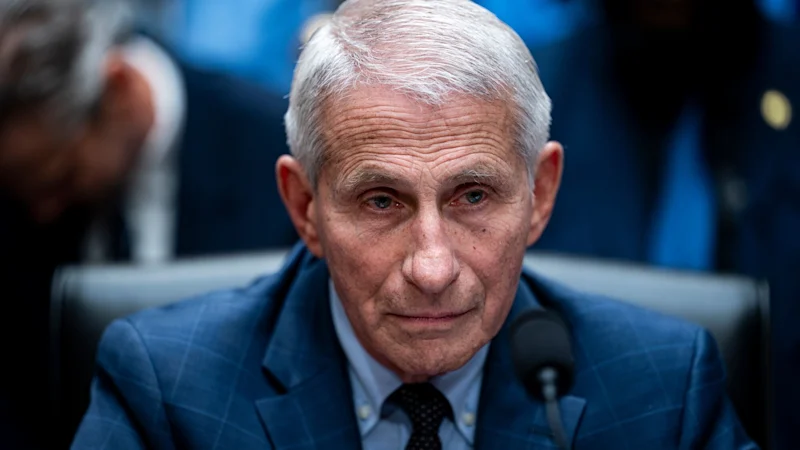
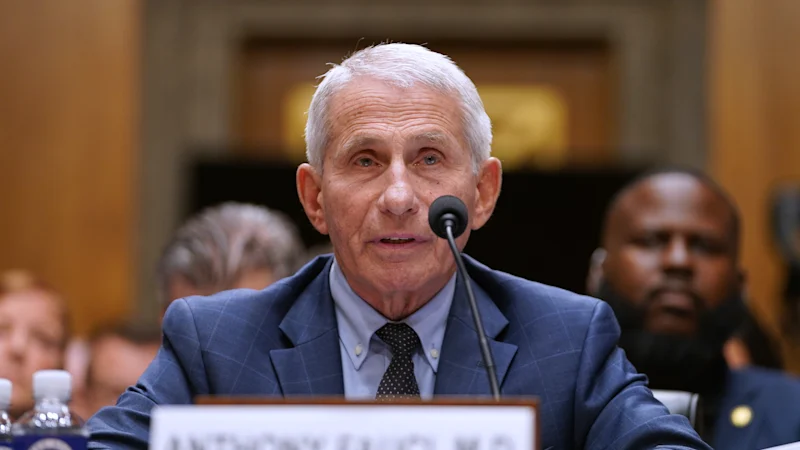
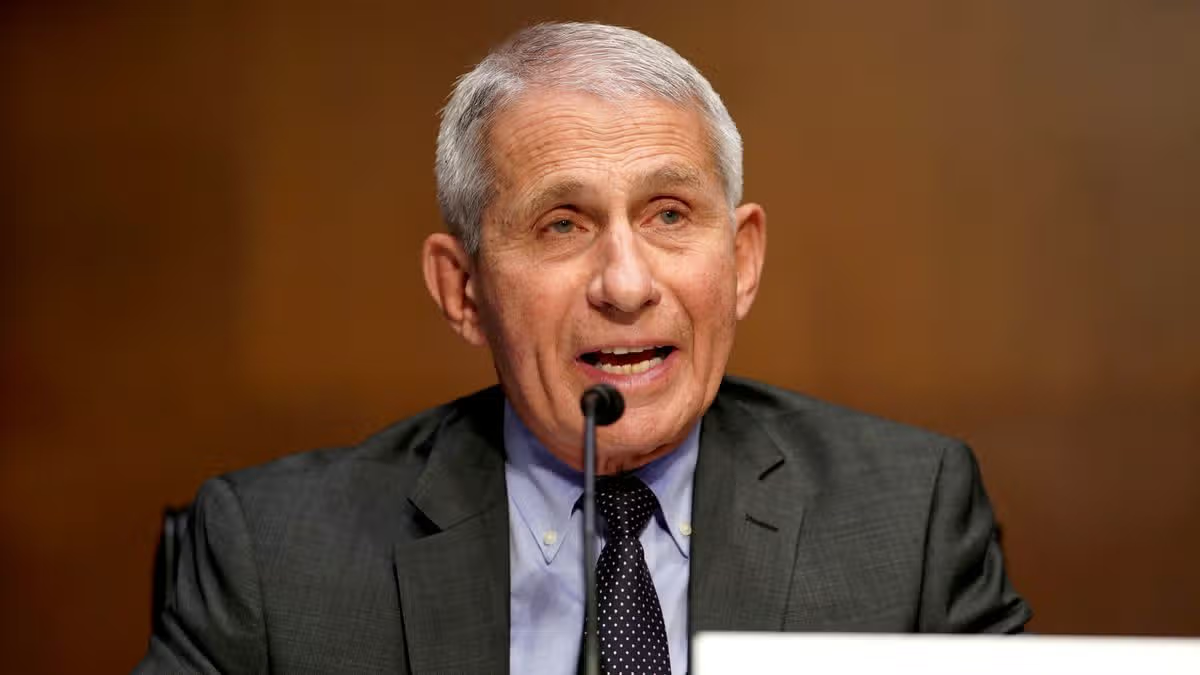
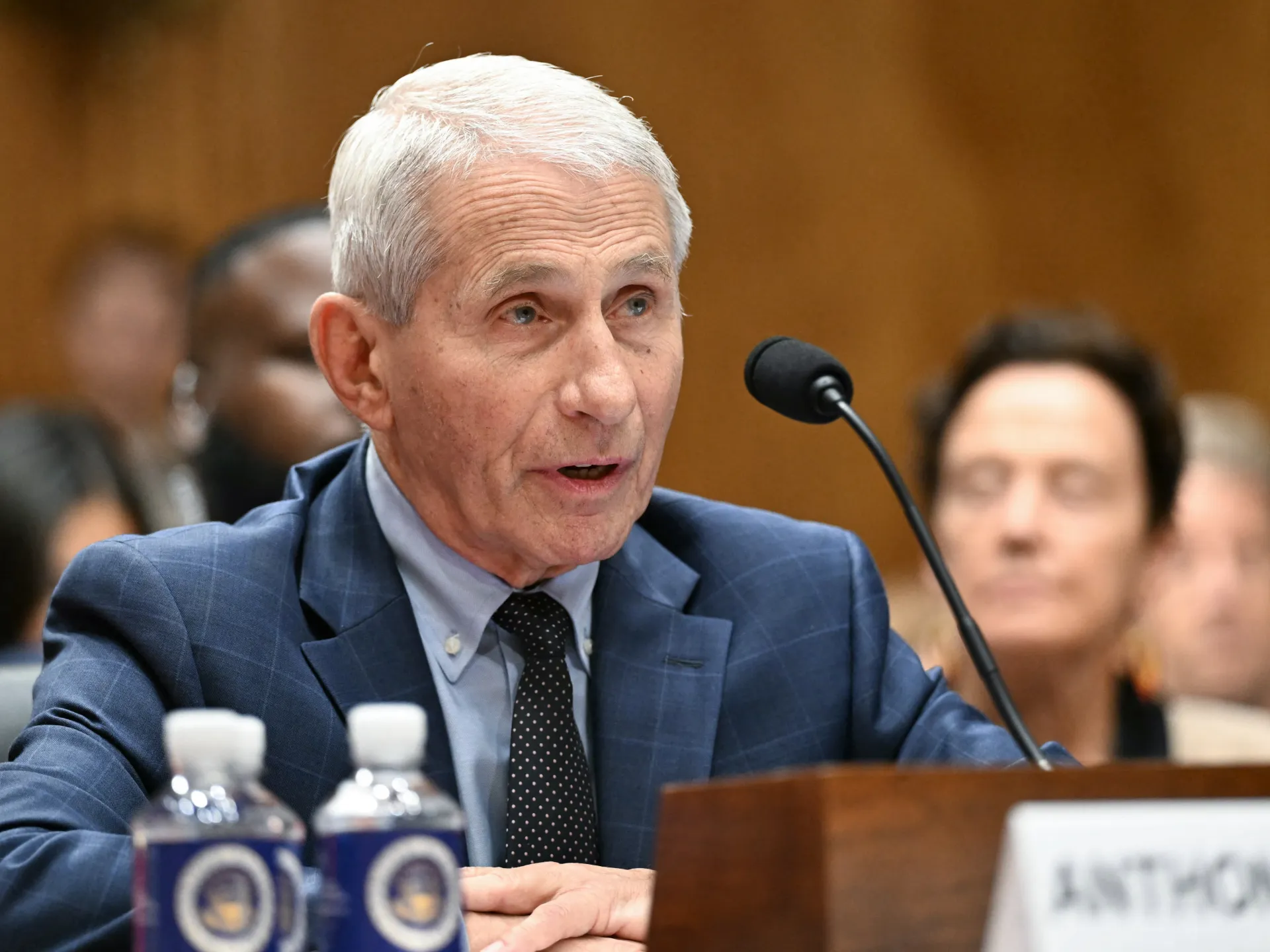
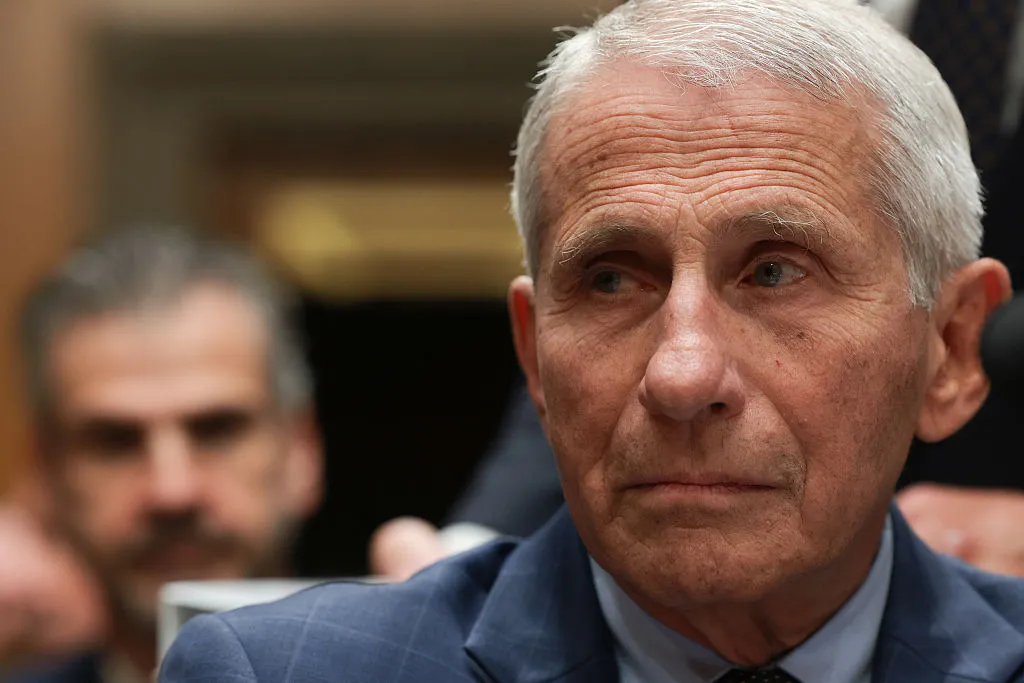
Anthony Fauci testifies under subpoena about his role in the national response to the COVID-19 pandemic, Washington, DC, US, Jul 29, 2026. REUTERS/Nathan Howard
01 Aug 2026 06:00AM
DAYTON, Ohio: Dr Anthony Fauci invoked the Fifth Amendment and declined to answer questions from a Senate committee more than 100 times on Jul 29, 2026.The Republican-led hearing - convened to scrutinise Fauci’s management of the pandemic and the origins of COVID-19 - was the latest chapter in a political story that began in 2020, when uncertainty, fear and frustration with the government became entangled with conspiracy theories.In the past six years, some of these theories have emerged from the margins of the internet and made their way into Republican politics, the MAGA movement, anti-vaccine communities and even white-nationalist extremist networks.Conspiracy theories do not simply explain events, they identify villains - and Fauci has become one of the most popular in this particular story.