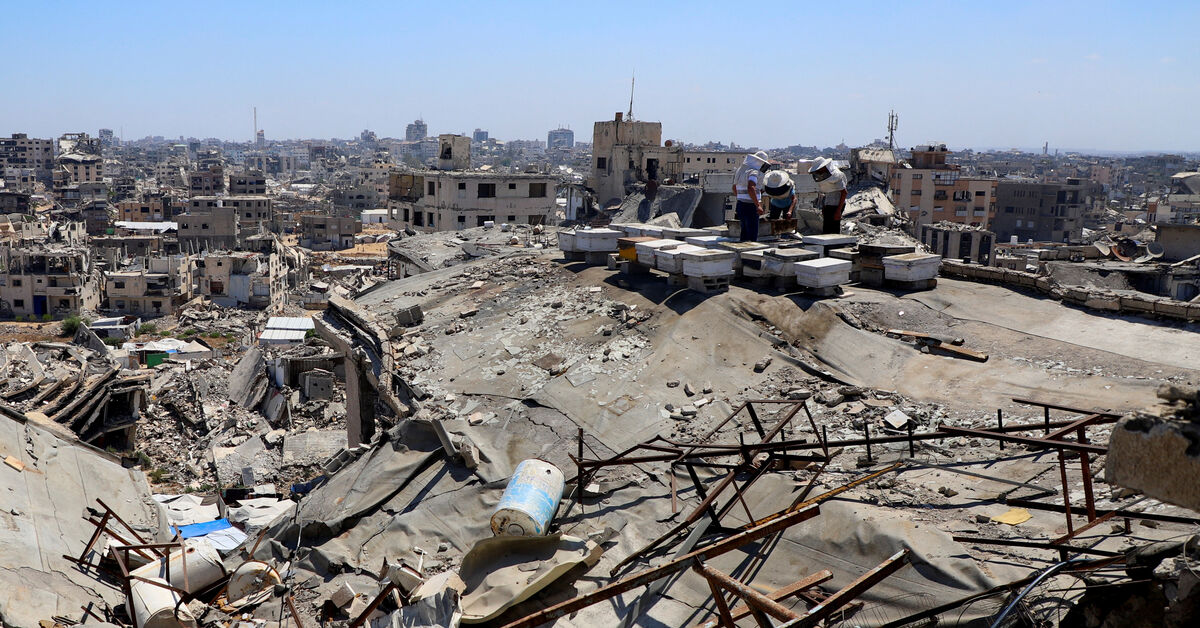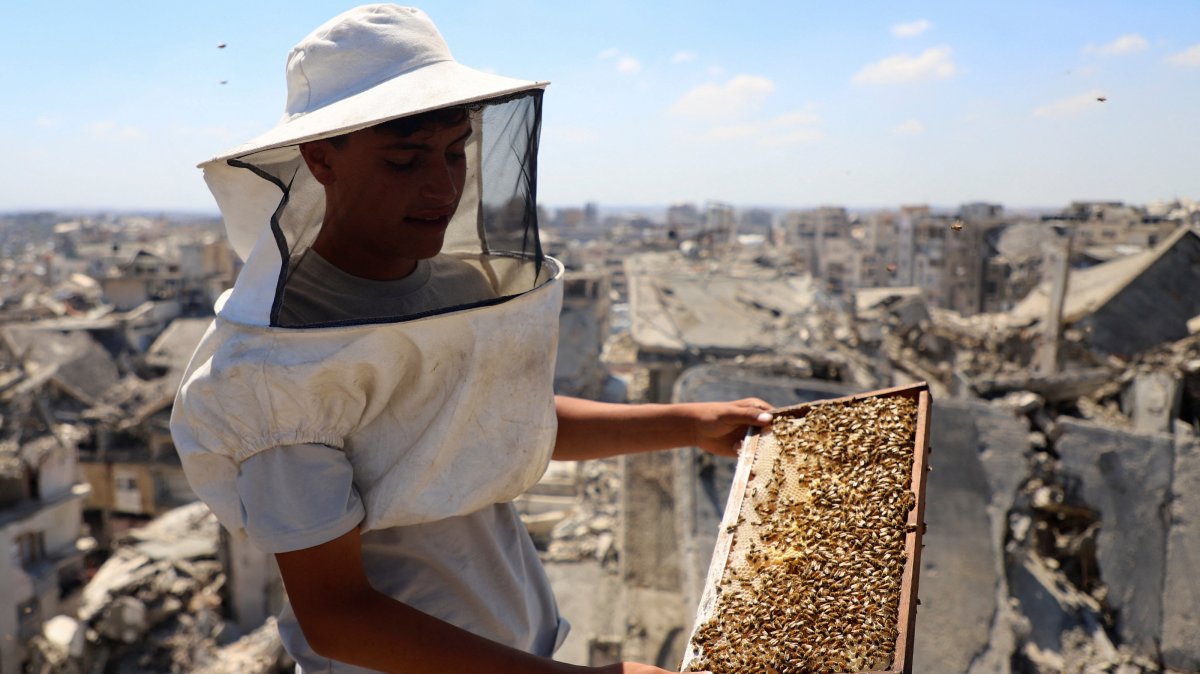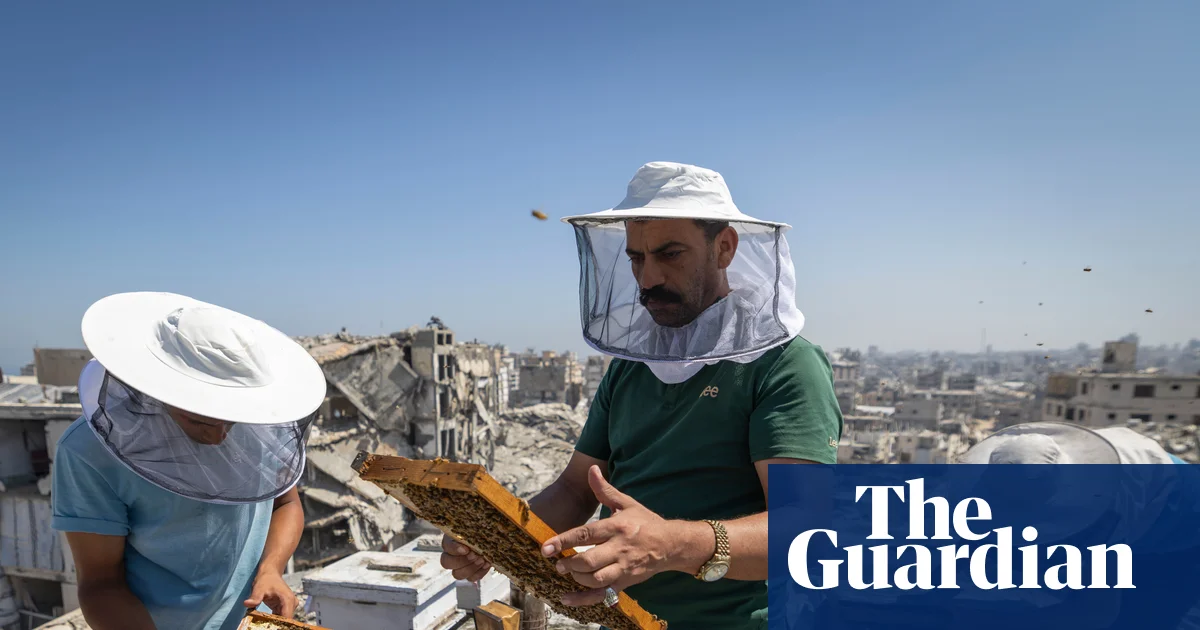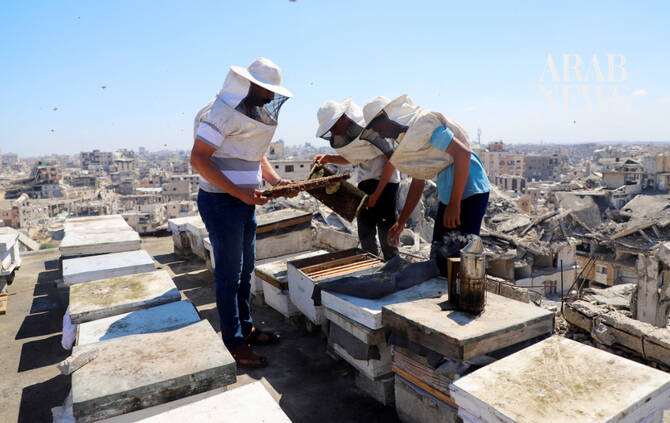
GAZA/CAIRO: Standing on the roof of a war-damaged building overlooking the ruins of Gaza City, beekeeper Ibrahim Al-Dabba gently lifts a honeycomb frame as bees buzz around him.
“Bees require trees, we are raising bees among rubble,” he said.
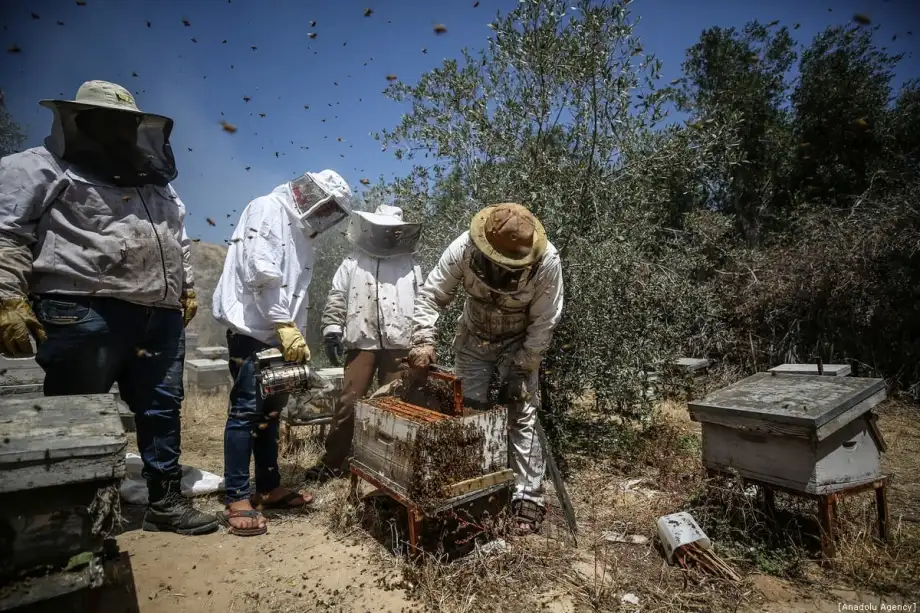
For Gaza’s beekeepers, the struggle to rebuild their livelihoods after more than two years of war is about much more than honey. It is also about preserving one of nature’s most important pollinators in a territory where farmland has been devastated and access to orchards near the border with Israel has been cut off.
Before the war, the beekeepers kept around 30,000 hives, according to agricultural engineer and beekeeper Rateb Sammour.
Honey production had already been declining from some 400 metric tons annually several years ago to roughly half that amount as climate change affected the flowering seasons.