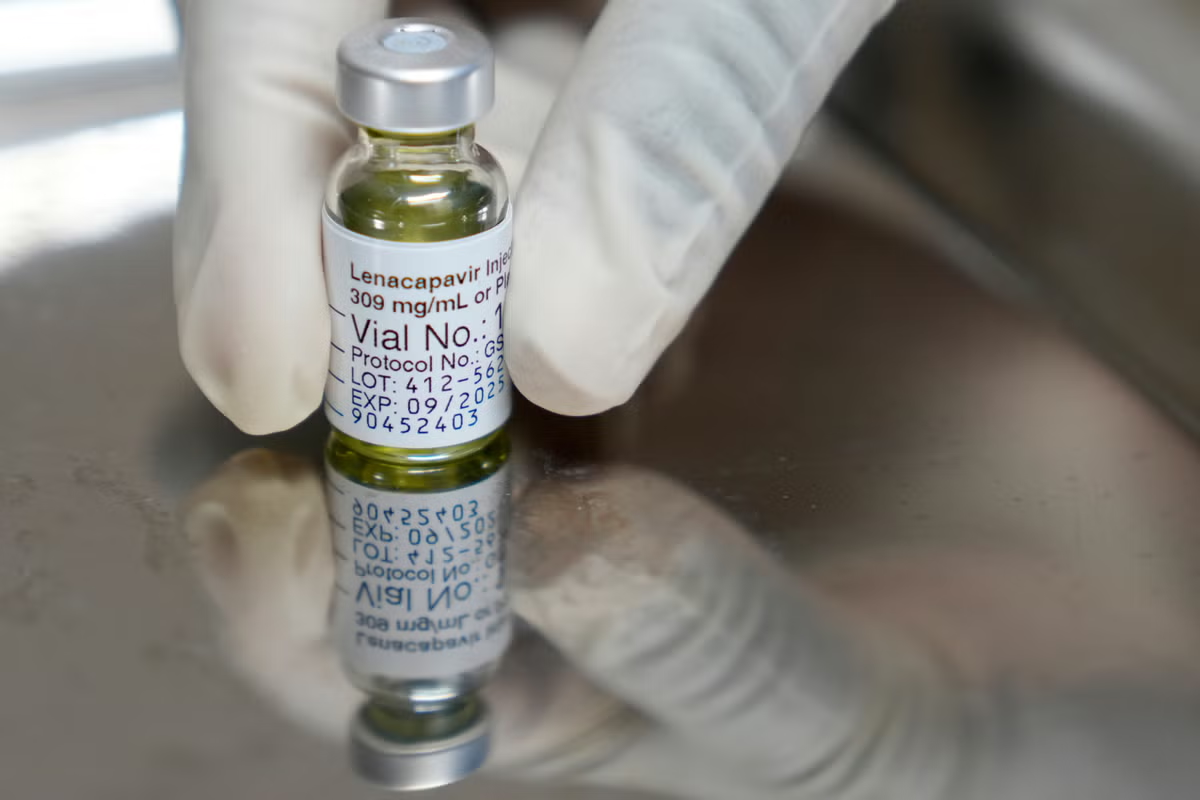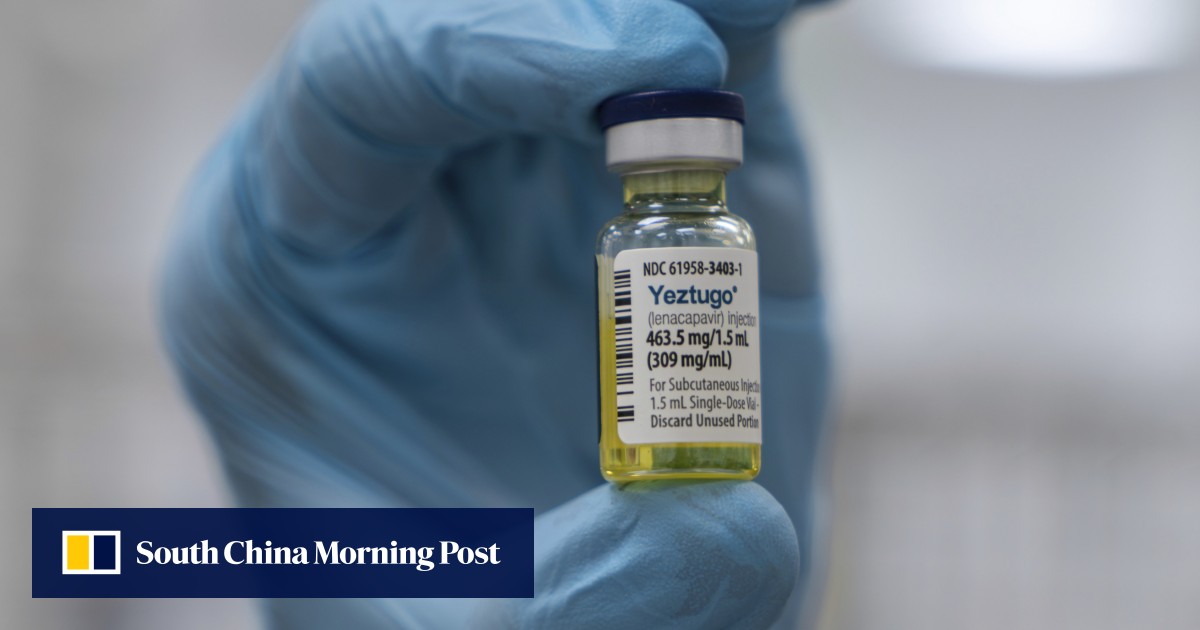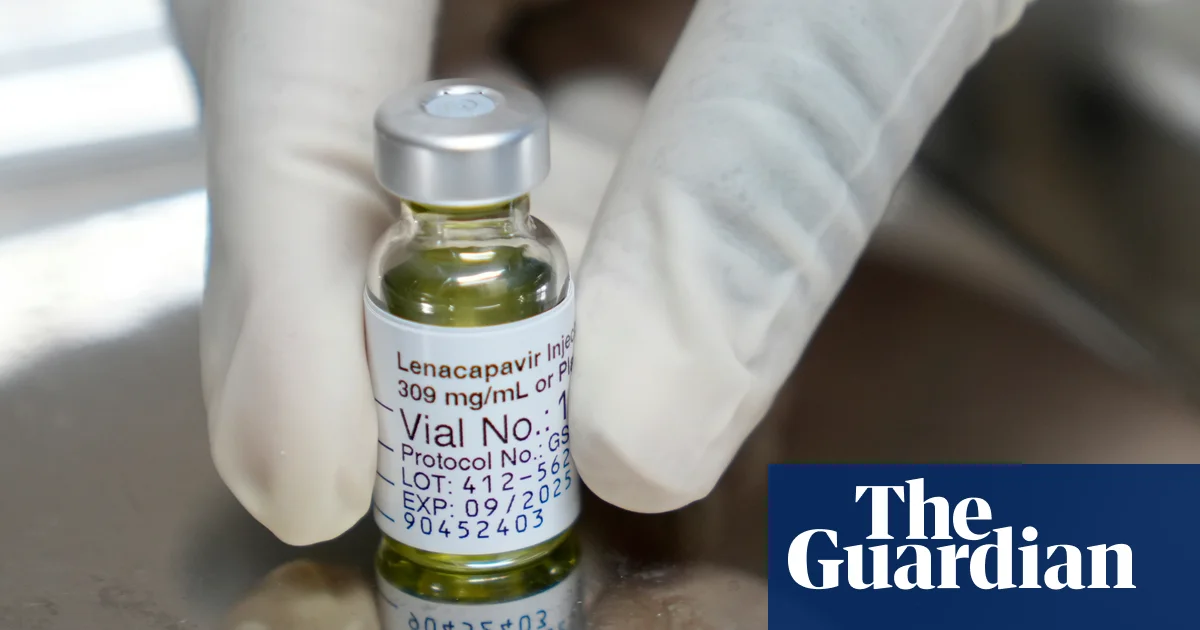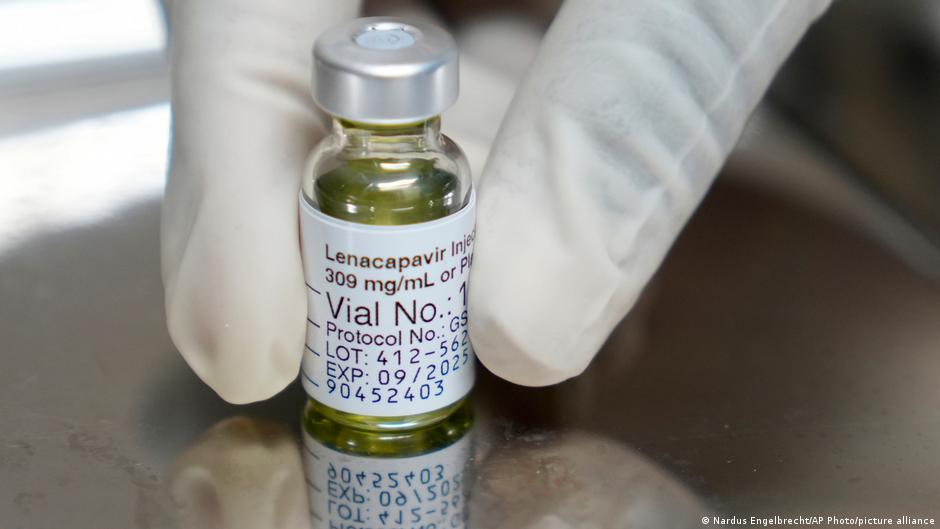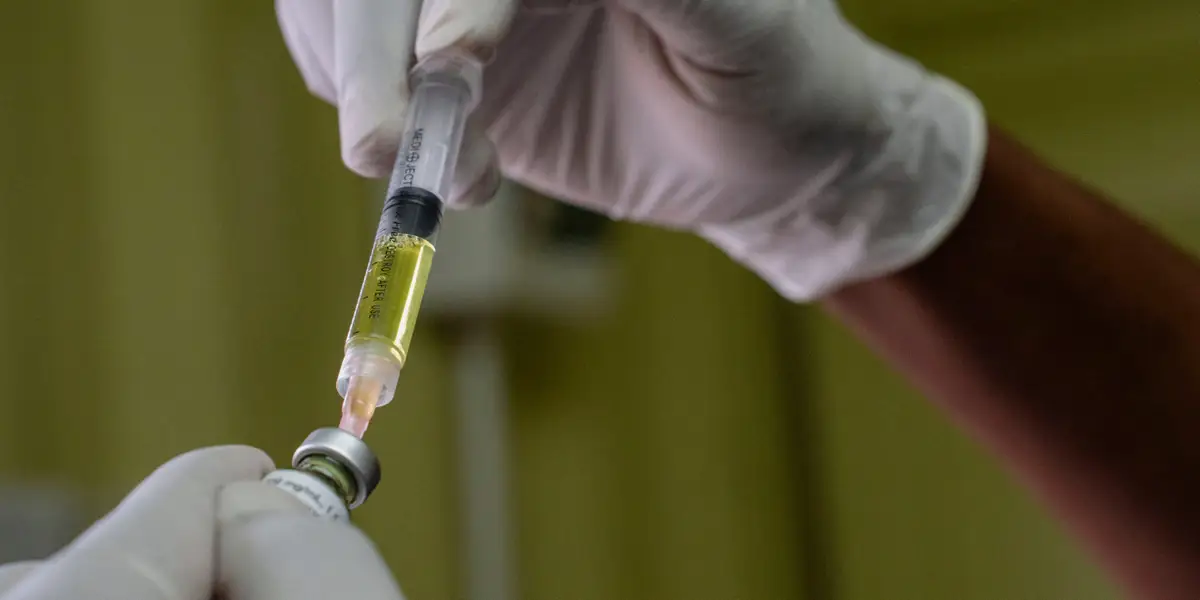
Trials of lenacapavir, a drug developed by Gilead Sciences, show the twice-a-year shot is almost 100% effective at preventing HIV infection.
Ihsaan Haffejee / AFP via Getty Images
For the first time in the four-decade fight against HIV, there is a "miracle" drug that can all but eliminate the risk of infection, but in the Latin American countries where it was tested, most people can't afford it.Trials show that lenacapavir, made by Gilead Sciences, is almost 100% effective in preventing HIV infection. With just two shots a year, those taking it will avoid contracting the virus even when frequently exposed.The drug, which many believe could bring an end to the global HIV pandemic, costs $14,000 a dose in the United States. Gilead has agreed to license generic versions of the pre-exposure prophylaxis (PrEP) medication at around $40 a dose in 120 low- and middle-income countries, but many Latin American countries are being quoted a higher price.Brazil, Mexico, Argentina, and Peru are among those with serious HIV epidemics that do not qualify for the reduced price, despite having run some of the clinical trials that proved the drug works.Their status as "upper-middle income countries" means they are too rich to qualify for the cut-price generic version, and yet they remain too poor to pay the US price.Anger over the impasse spilled onto the stage at the opening ceremony of the International AIDS Society Conference in Rio De Janeiro this week.Activists waved posters and chanted protests — "Pharma greed is killing us!" "Pills cost lives!" "Latin America for the cure!" — to applause and cheers from the audience.