As organizations embrace AI-powered analytics, the value of a natural language (Text2SQL) answer is only as good as the business context behind it. We’re entering a phase where semantic richness (table and column descriptions, and relationships) must flow directly from where it’s authored in upstream data catalogs and semantic tools into the AI products that serve end users. Products like Amazon Quick can no longer operate in isolation. They need to natively consume and reason over the definitions, relationships, and governance metadata that data teams curate in systems like AWS Glue Data Catalog and Databricks Unity Catalog. This shift from siloed metadata to connected, catalog-aware AI is what enables intelligent analytics at scale.
The challenge: Bridging the last mile
The investment is done
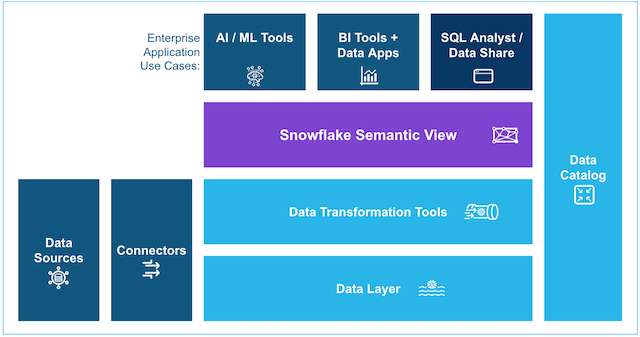
Enterprise data teams have done the hard work. They have invested heavily in upstream catalog platforms such as AWS Glue, Databricks Unity Catalog, Snowflake Horizon, Collibra, and dbt. On these platforms, they meticulously define table descriptions, column semantics, primary and foreign key relationships, glossary terms, and metric definitions.
Yet when it comes to enabling end users (such as sales managers, marketing directors, and finance leads) for production-ready AI and trusted dashboards, a significant gap remains.
 aws.amazon.com


 aboutamazon.com