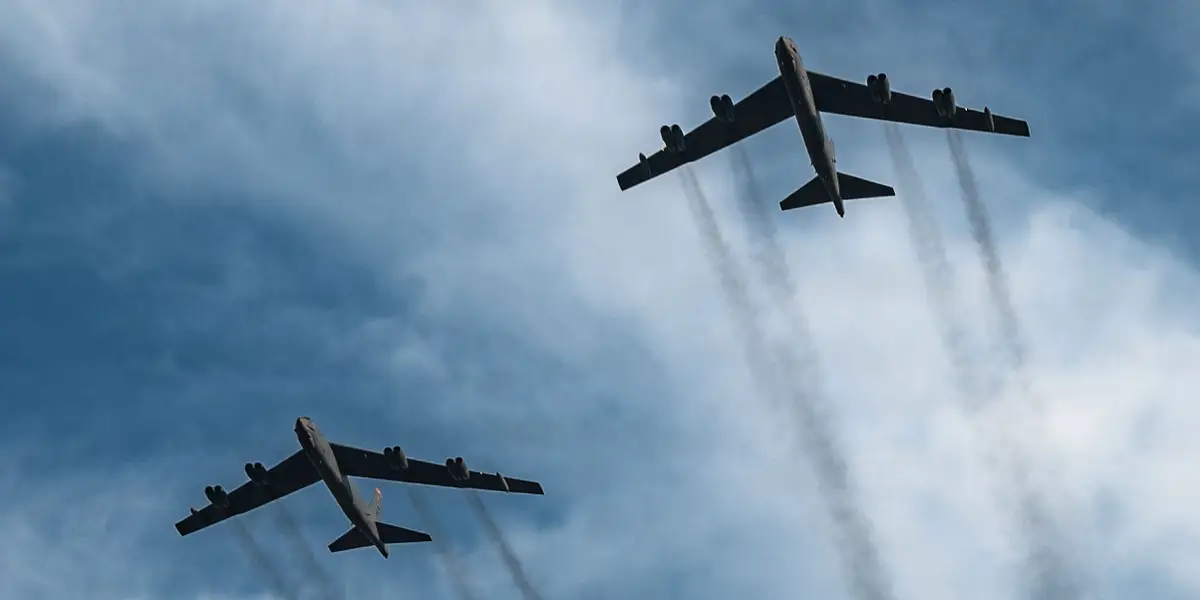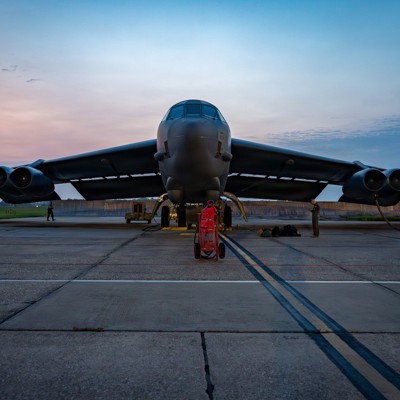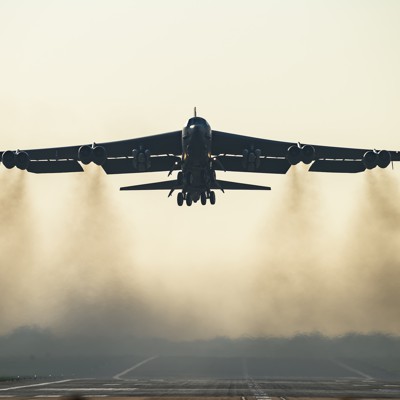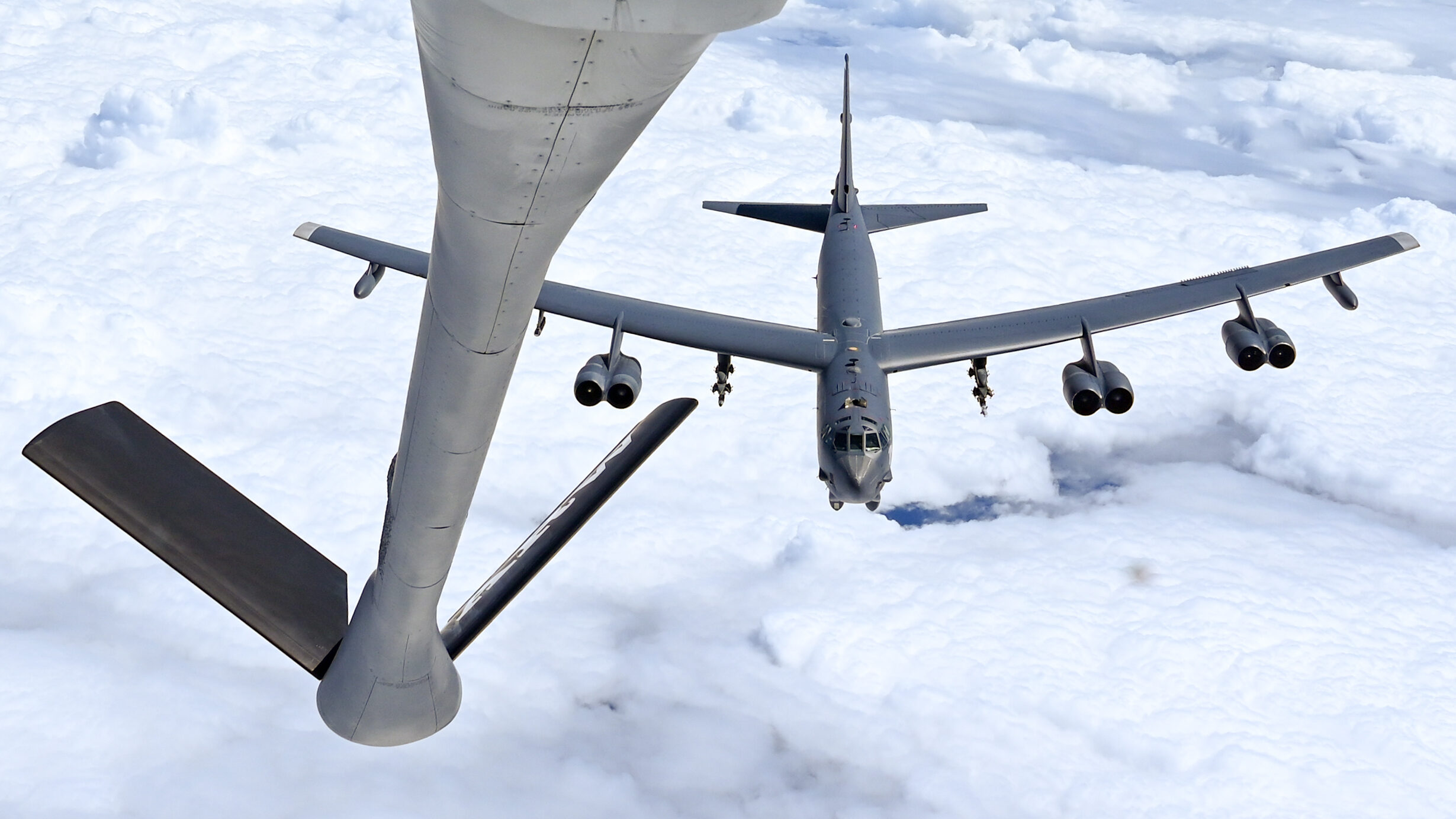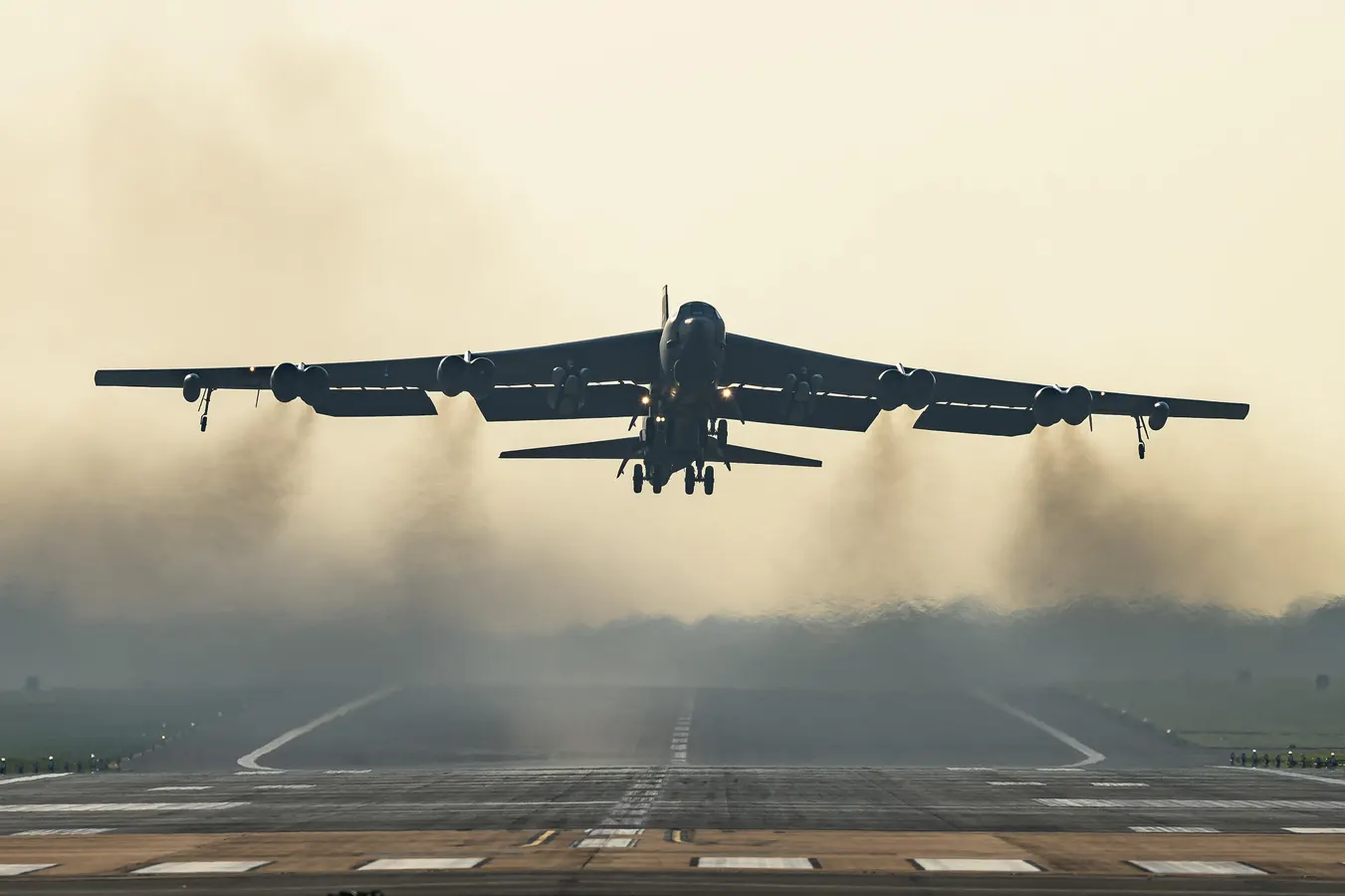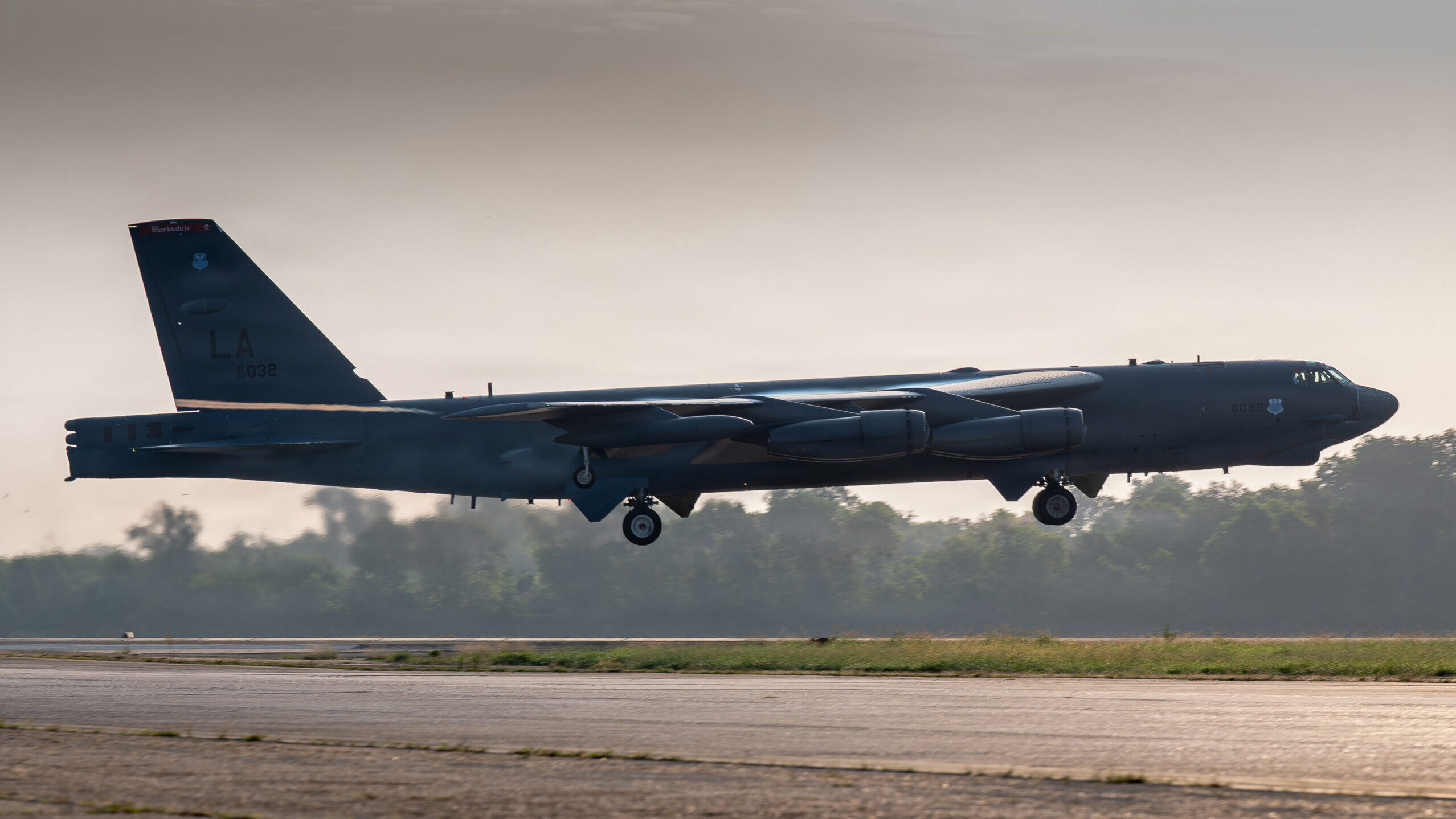
WASHINGTON — A host of upgrades meant to extend the life of the aging B-52 Stratofortress bombers face a number of cost and schedule risks, and officials aren’t properly using all tools at their disposal to shape the aircraft’s modernization, according to a new watchdog report.
Collectively, the Air Force plans to spend roughly $21 billion on 13 different upgrades for the B-52, which will keep the Eisenhower-era bomber flying through the 2050s. But two key, expensive efforts — one to replace the aircraft’s eight engines, and another to swap out its radar — are “at risk for additional cost, schedule, and performance challenges,” the Government Accountability Office said in a report published today.
The report found that the propulsion overhaul dubbed the Commercial Engine Replacement Program (CERP), which will switch out aging TF33 powerplants manufactured by Pratt & Whitney with modern Rolls-Royce F130 engines, is expected in 2033. That schedule is in line with previous estimates, but its expected cost has now swelled to $15.4 billion, approximately $400 million over the $15 billion projection previously shared by program officials.
RELATED: B-52 modernization ‘stabilized’ after cost spikes, schedule delays, Air Force official says