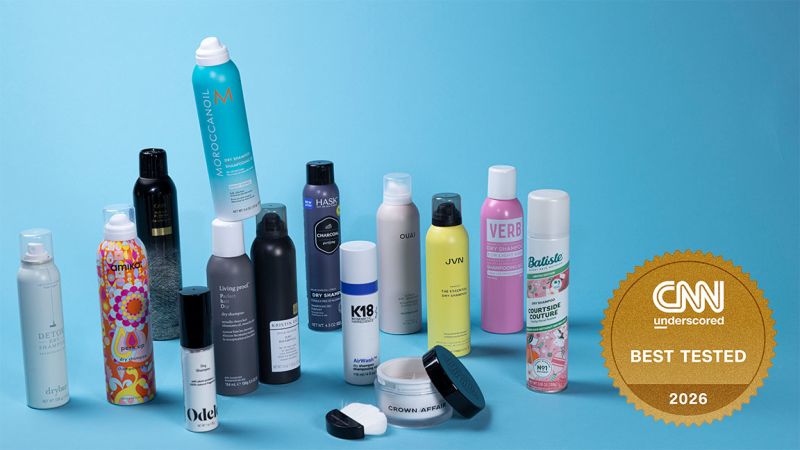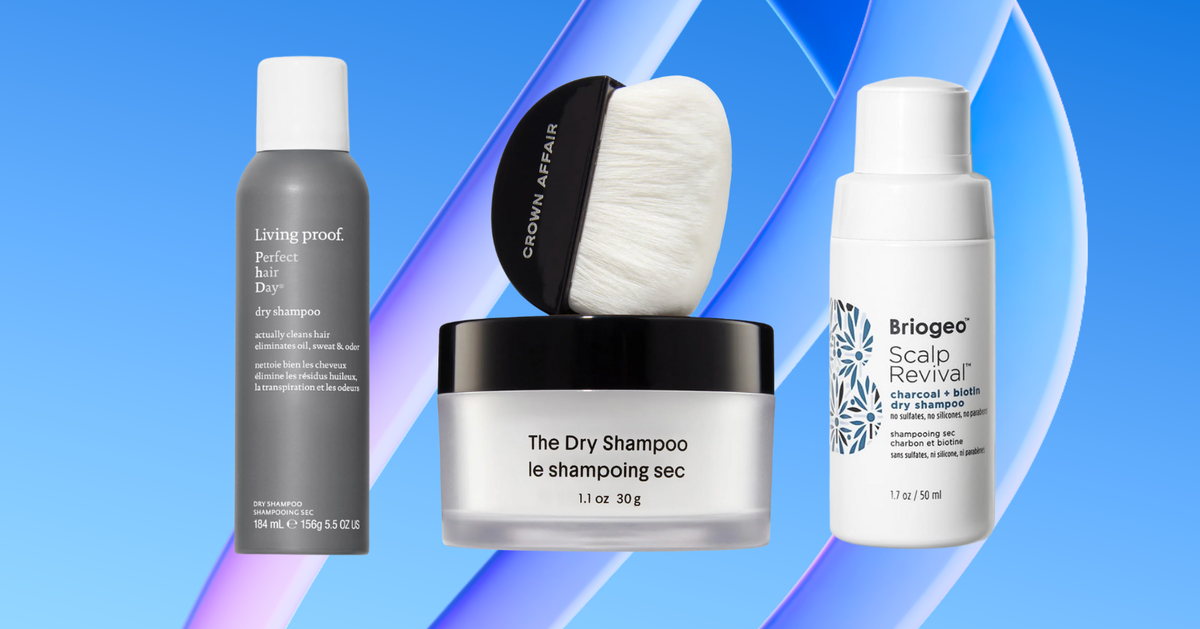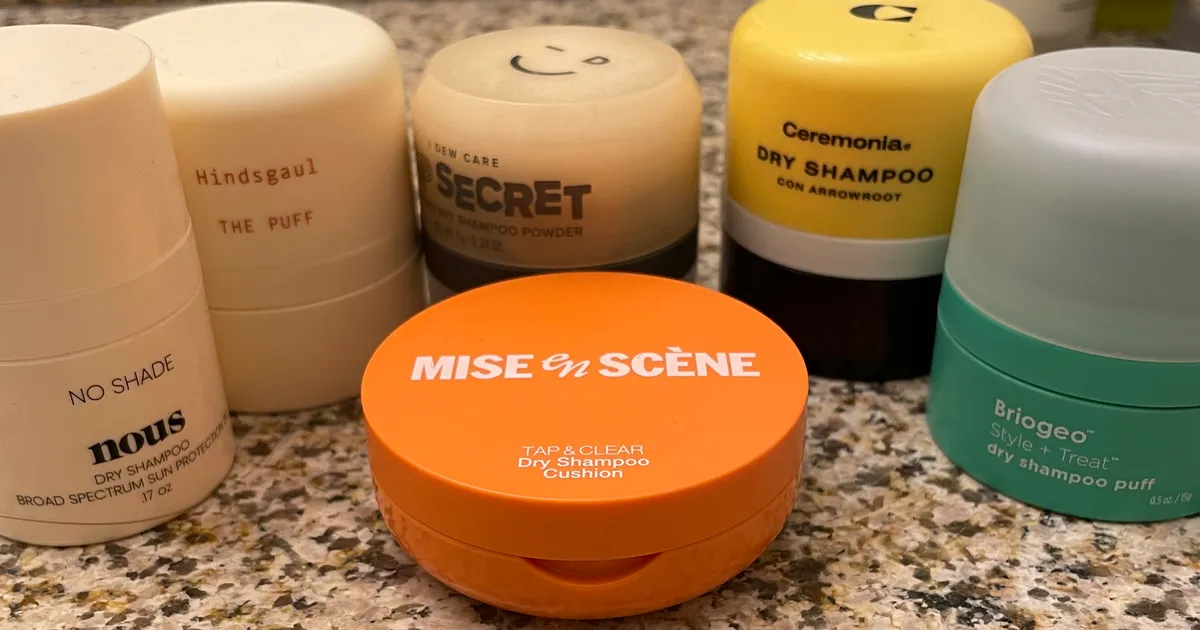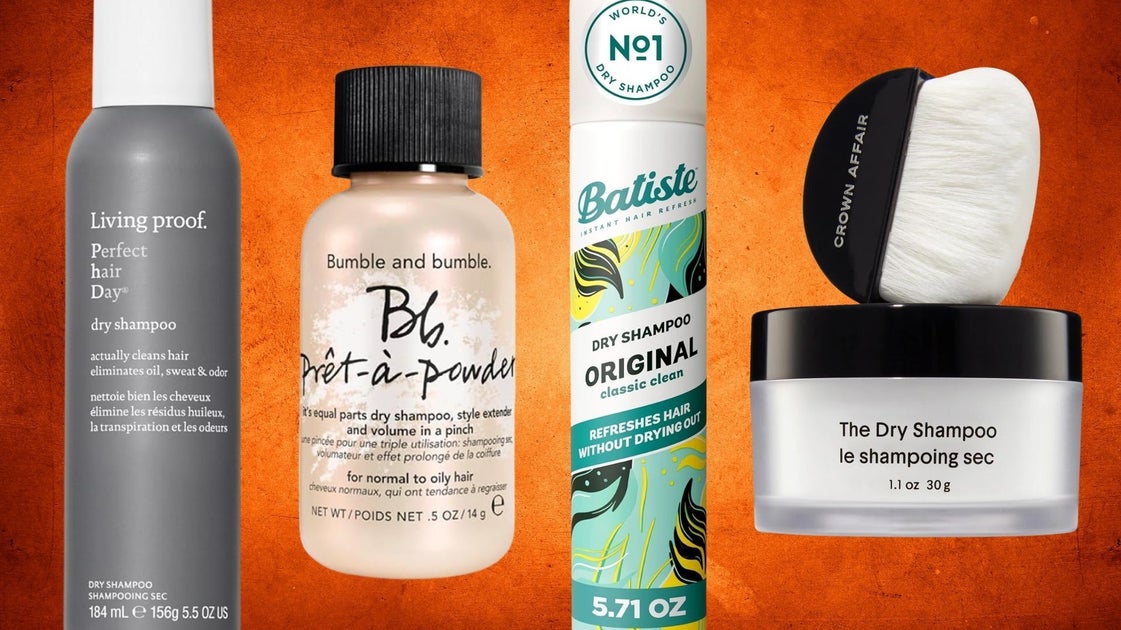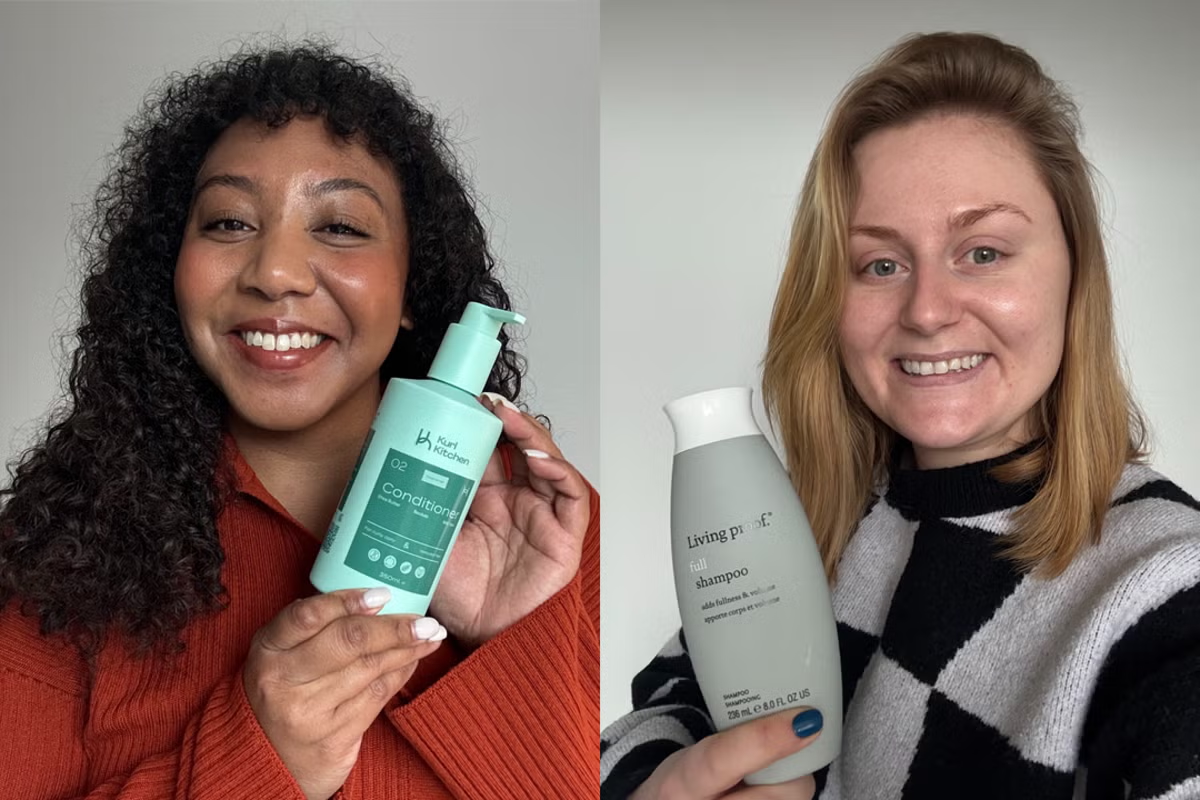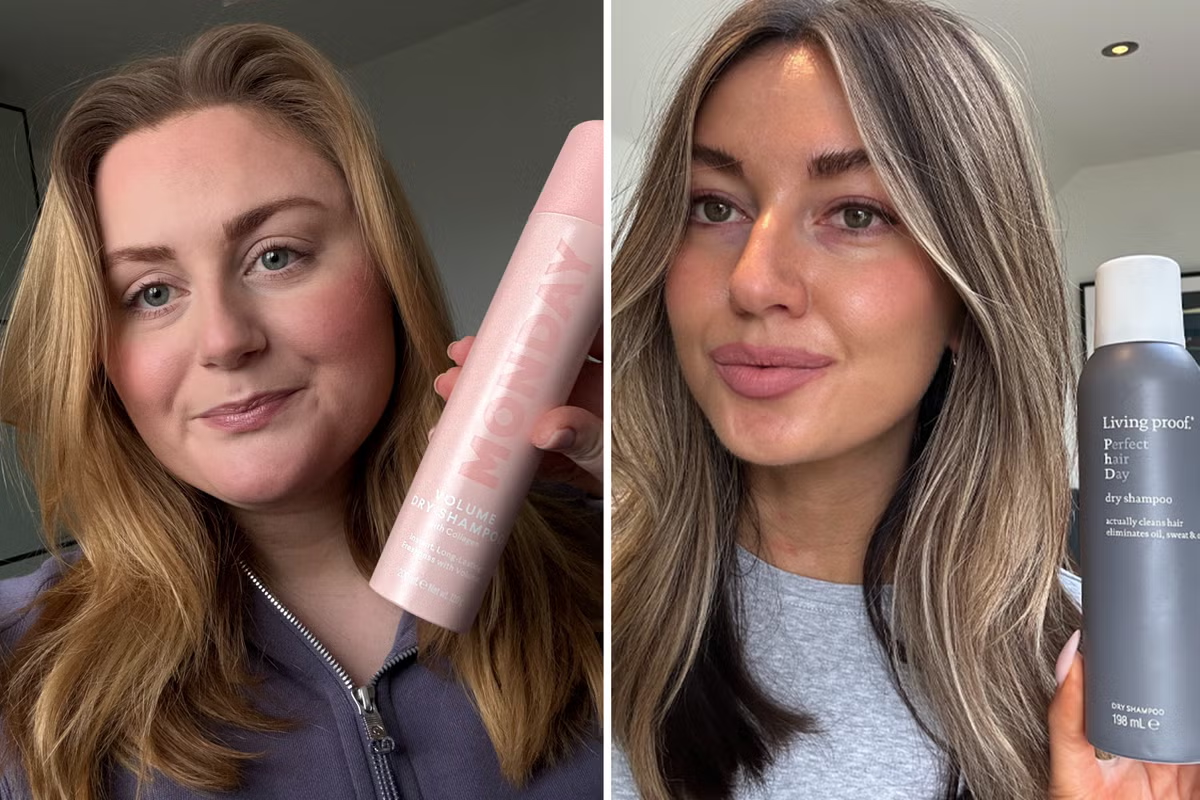
Your questions about dry shampoo answeredWhat is the best dry shampoo?After weeks of testing, K18’s airwash emerged as the best dry shampoo, even with its sky-high price taken into account. Unlike traditional powder-heavy formulas, its liquid spray left both of our heads of hair feeling freshly washed and without the stiffness, chalkiness or scalp build-up that so often comes with dry shampoos. We were both impressed by how little product was needed, how weightless it felt and how effectively it revived oily roots while adding moveable volume. Ultimately, all its many merits made the steep price tag feel easier to justify, especially given that one bottle lasted more than six months in testing. Elsewhere, Batiste’s colour dry shampoo proved a reliable budget buy, Living Proof’s original PhD formula delivered the deepest clean, Sam McKnight’s lazy girl dry shampoo excelled on fine hair thanks to its undetectable texture, while Typebea’s scalp-focused formula stood out for its lightweight texture.To find the best dry shampoos, I tested a wide range of aerosols, liquid sprays and powder applicators across several months (and, in some cases, years), assessing how well they refreshed oily roots, boosted volume and held up throughout the day. I called on a tester with brunette hair to judge residue levels and blendability across deeper hues, while I focused on how the formulas fared on my fine, blonde hair prone to flattening, clumping and oiliness. Specifically, we took the following factors into consideration: Oil absorption: We assessed how effectively each formula disguised greasy roots and whether hair looked noticeably cleaner after application. Texture: We considered whether the dry shampoo left strands soft and touchable or stiff, chalky and cloying White cast: We noted how visible each formula appeared on both blonde and brunette hair, and how easy it was to blend in.Volume: We tested whether formulas added noticeable lift and body, particularly at the roots and crown Longevity: We monitored how long results lasted before hair began looking oily or flat again. Scent: We took into account the various dry shampoo fragrances, both immediately and, where applicable, as they developed throughout the day. Ease of application: We considered how evenly the product dispersed and how convenient the packaging felt Value for money: We weighed up performance against price, factoring in how much product was needed per use and how quickly bottles ran out. What is the best dry shampoo for fine hair?“For fine hair, you want a dry shampoo that refreshes the scalp without coating the strands too heavily,” reveals hair stylist Lorraine Dublin. Specifically, she suggests looking out for the following buzzwords on product packaging:Lightweight Invisible finish Volume boosting Weightless She tells me about the ingredients fine hair types should keep an eye out for when shopping dry shampoos, particularly “rice starch and tapioca starch.”“Try to avoid formulas with heavy oils, thick powders or overly fragranced ingredients, especially if your scalp is sensitive or prone to buildup,” she cautions.“Personally, I love the pale Ouai dry shampoo and the Living Proof dry shampoo,” feeds in hair stylist Joe Kelly, “I use both regularly on clients because they give that airy, fluffy texture without making the hair feel sticky or overloaded with product.”How to use dry shampoo“You can use dry shampoo from the roots all the way through to the ends, depending on the effect you want to achieve,” advises Kelly.Breaking down the different ways of using dry shampoo, he lists:“If it’s just to absorb oil or grease, apply it mainly at the scalp and roots. A practical guideline would be around 2–3 sprays.” “If you want texture, movement, and a more lived-in finish, spray it throughout the hair. Around 3-4 sprays.” Expanding on Kelly’s advice, Dublin feeds in, “Massage the dry shampoo gently with your fingertips or brush through to evenly distribute the product. Let it sit for a minute or two so the product has time to absorb oil properly.”“Applying dry shampoo the night before can actually work really well because it gives the product time to absorb oil overnight and leaves the hair looking fresher by morning,” she adds. Is dry shampoo bad for hair?“Dry shampoo itself is not bad for the hair when used correctly and in moderation,” clarifies Dublin. She continues, “The issue usually comes from overuse or not cleansing the scalp properly between applications.”This is because, she elaborates, “A healthy scalp environment matters and dry shampoo should be seen as a styling and refresh product, not a replacement for washing the hair.”Can dry shampoo cause hair loss?“Dry shampoo doesn’t directly cause hair loss,” reassures Kelly, who tells me that “overusing it can irritate the scalp and contribute to issues like buildup, dryness, dandruff or breakage, especially if you already have a dry or sensitive scalp.”Why you can trust IndyBest reviewsLucy Smith is a senior shopping writer for IndyBest and is well versed on a number of haircare products, from the best shampoos and conditioners to the best hair brushes. She regularly speaks to hair stylists and trichologists to inform her reviews and, as someone who suffers with oily roots regularly, she was up to the task of testing the very best dry shampoos. Daisy Lester was IndyBest’s senior shopping writer and has covered all manner of hair treatments, including the Olaplex no.3 plus perfector and the £5 gloss treatment to rival Color Wow’s dream coat. Daisy regularly attends new product launches and expert masterclasses, she’s across all the industry’s movers and shakers. Plus, she’s been using dry shampoos for years and – prior to testing, even – had a good gauge on which brands and formulas were the cream of the crop. Read more: Best leave-in conditioners, tested
12 best dry shampoos that keep hair fresh between washes
From K18 to Sam McKnight, these are the hair saviours to reach for on repeat
941 words~4 min read