KATHMANDU—Over the past two years, both Bangladesh and Nepal have undergone intense political upheaval that has ushered in new governments. In Bangladesh, youth-led protests ousted the long-ruling prime minister, paving the way for an interim administration and elections. Nepal experienced its own Gen Z-driven protests and rapid government reshuffling, culminating in the election of Prime Minister Balendra Shah.
And there’s another striking parallel. In both cases, the incoming governments quickly made it a priority to revisit a decision their predecessors had repeatedly deferred: whether to graduate from the United Nations’ least developed country (LDC) status as scheduled in November 2026.
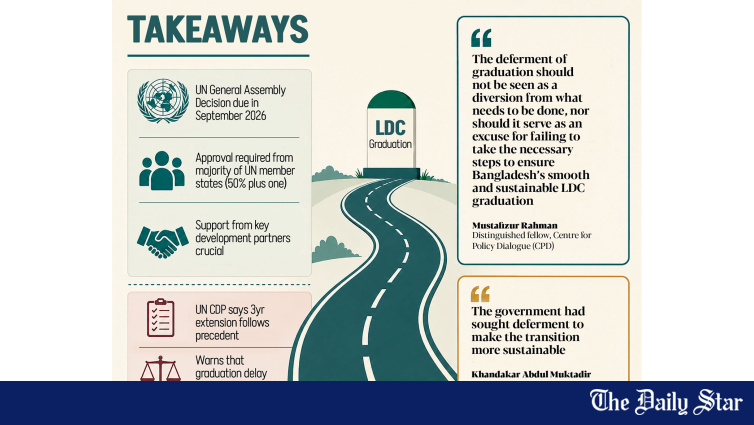
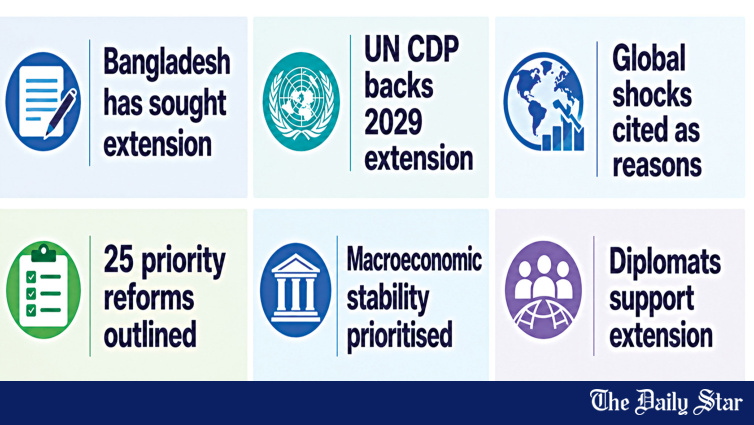
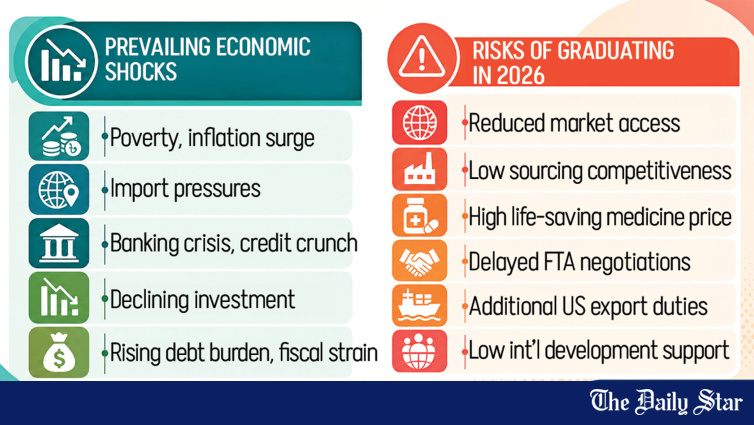
For now, both Dhaka and Kathmandu have chosen to wait. Bangladesh formally requested that the UN Committee for Development Policy (CDP) extend its preparatory period to November 2029, citing political disruption, macroeconomic fragility, and projected annual export losses of $17.5 billion. Nepal submitted a matching request shortly after. The CDP recommended three-year extensions for both, with final endorsement from the UN General Assembly still pending.
Some analysts might dismiss the requests as hesitation. But they are better understood as a candid admission of what is at stake. Since graduation entails the loss of duty-free market access and concessional financing, it can be a significant strain on already fragile economies—especially at precisely the moment when global conditions have turned hostile to the model of poor-country industrialization that once powered East Asia’s rise.