US risks losing Indian STEM talent as post-study work costs rise steeply further globally
| Photo Credit:
Pradeep Thomas Thundiyil
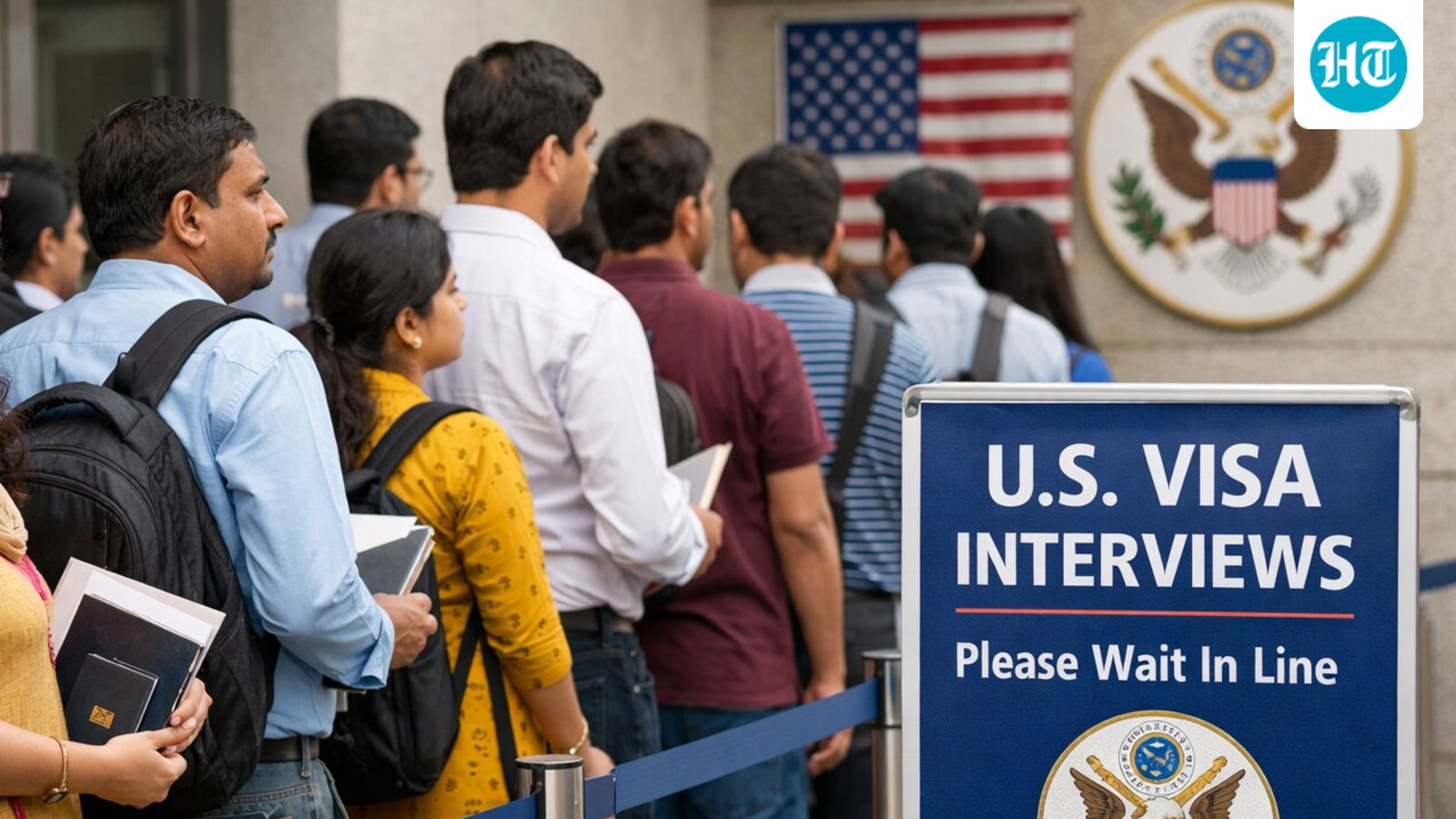
A proposed $100,000 increase by the Trump Administration in the US Optional Practical Training (OPT) fee is doing more than raising the cost of post-study work—it is forcing Indian students, universities and employers to rethink the very economics of studying in America.With Indians accounting for nearly half of all STEM OPT participants in the US, education experts say the proposal, if implemented, could reshape global student mobility, pushing more students towards destinations such as Germany and Australia while prompting American universities to rethink their international strategy.“The exact impact we’ll have to see once the final notification comes out,” said Ankit Mehra, Co-Founder and CEO of GyanDhan.“Even after the slowdown in the last two years, there are probably between 1.5 lakh and 2 lakh Indian students currently on OPT.”At its peak, nearly one lakh Indian students travelled to the US every year. In a steady state, that translates into nearly 2.5 lakh Indians in the OPT pipeline.But Mehra believes the proposal may prove counterproductive for US universities themselves.“If you’re removing those foreign students, how are you going to fund your entire education system?” he asked, drawing parallels with Canada’s tightening immigration rules, which sharply reduced international student inflows.For many Indian students, OPT is not merely an immigration benefit but the financial bridge that justifies an expensive overseas degree.“OPT isn’t a footnote to the Indian student experience in the US—it’s the entire premise of going,” said Lovish Rawal, Founding Member, GradRight. “For most families financing a US master’s on borrowed money, the arithmetic is simple: the degree is the outlay, OPT is the payback.”Rawal noted that 97,556 Indian students participated in OPT during the 2023-24 academic year, a 41 per cent jump over the previous year, while overall OPT participation crossed a quarter of a million students across nationalities in 2024-25.