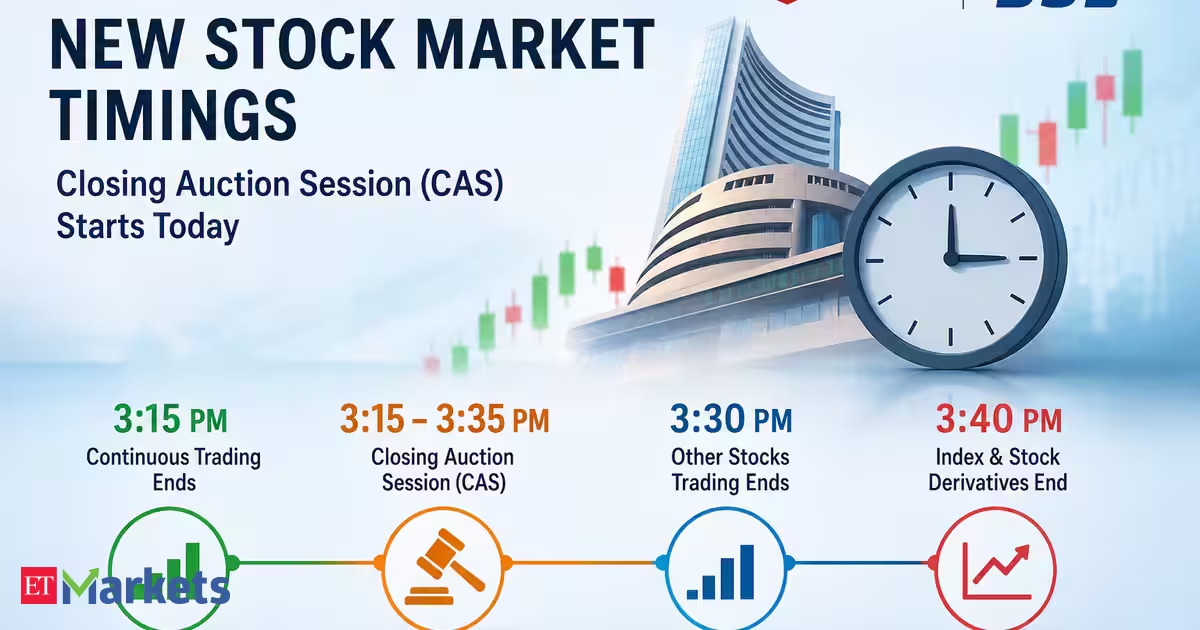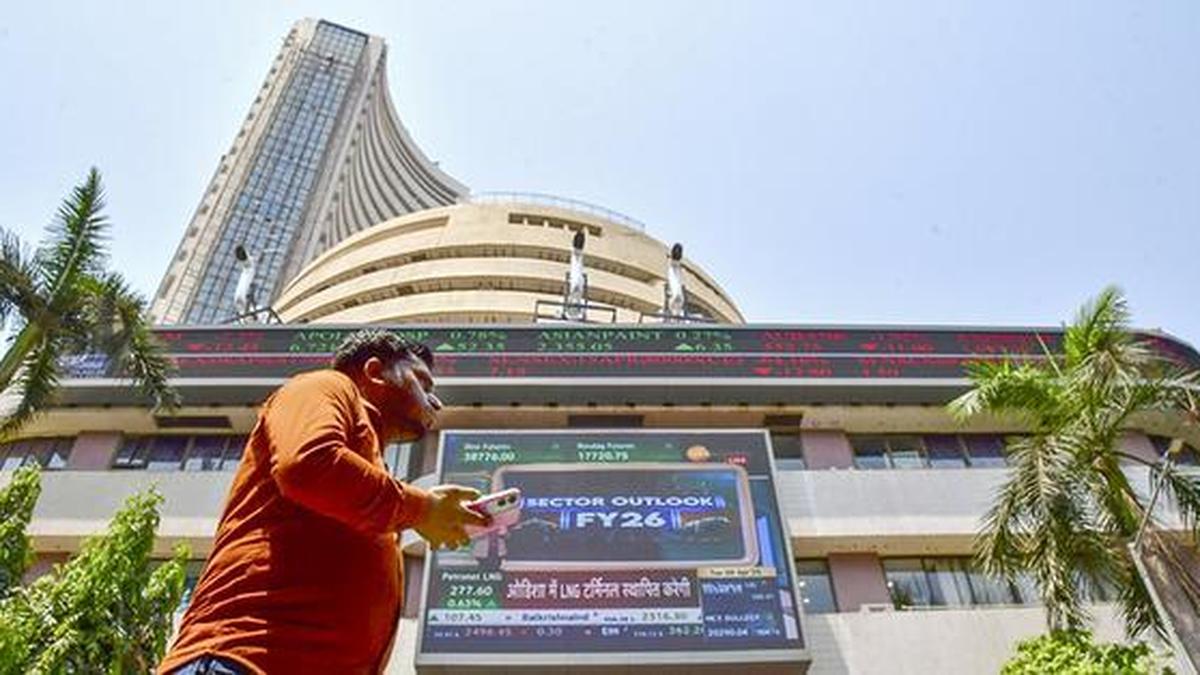
Beginning August 3, exchanges will move from the existing volume-weighted average price mechanism, based on the last 30 minutes of trading, to a Closing Auction Session, a 20-minute call auction designed to arrive at a single equilibrium closing price
| Photo Credit:
India’s stock market is set for a significant change in how official closing prices are determined. Beginning August 3, exchanges will move from the existing volume-weighted average price (VWAP) mechanism, based on the last 30 minutes of trading, to a Closing Auction Session (CAS), a 20-minute call auction designed to arrive at a single equilibrium closing price. The move, introduced by SEBI and the exchanges, aims to strengthen price discovery, reduce the risk of end-of-day price manipulation, and ensure that benchmark prices used for indices, derivative settlements and mutual fund NAVs more accurately reflect true market demand and supply. Here’s what the new CAS means for investors, brokers and the broader market.How does the closing auction session work? How is it better than the VWAP-based closing price discovery method?
Today, the closing price is the volume-weighted average of trades in the last 30 minutes of the session. SEBI’s own analysis found that large institutional orders, index rebalancing trades and aggressive strategies can still meaningfully sway that average, which then feeds into index values, derivative settlements and mutual fund NAVs.From August 3, closing auction session replaces this with a 20-minute call auction held between 3:15 pm to 3:35 pm. In this session, the buy and sell orders will initially be pooled. Then the equilibrium price will be arrived at which will be the closing price. The equilibrium price is the one where maximum orders can be executed. That’s a structurally stronger design: a call auction that aggregates genuine demand and supply is far harder to influence with a handful of late orders than a trailing average of actual trades.