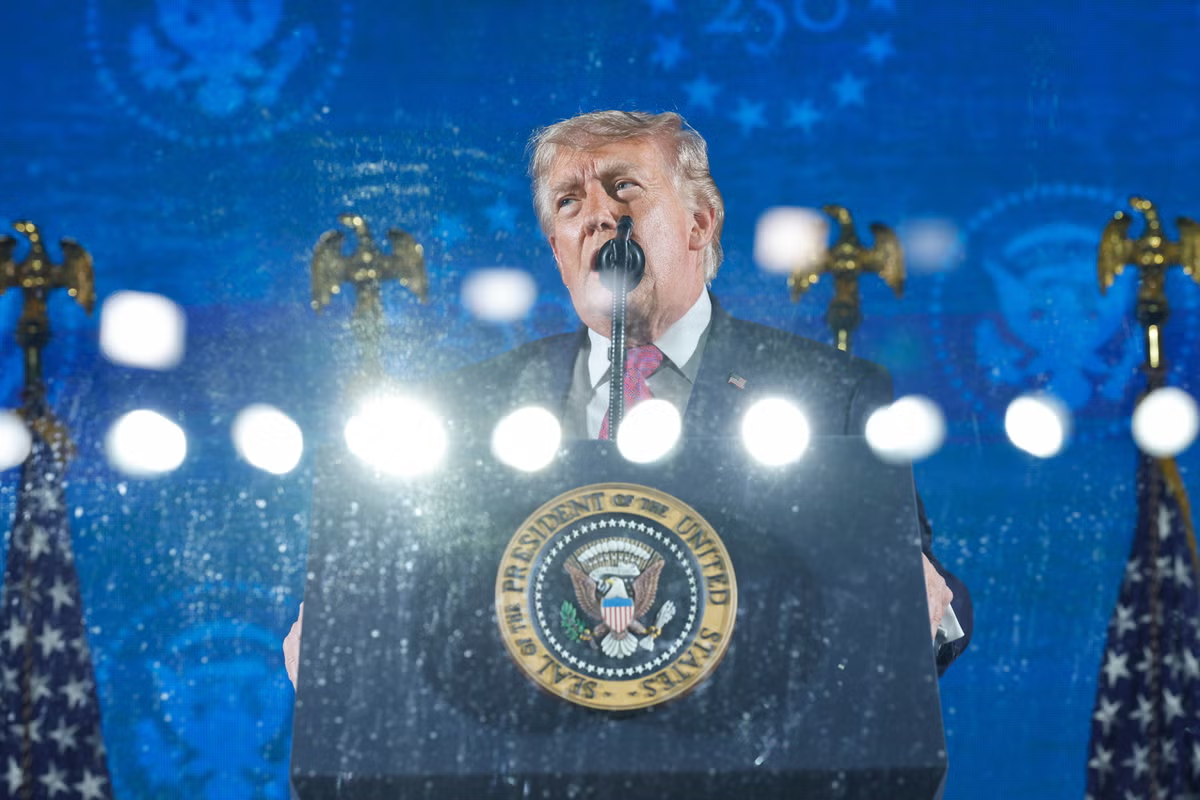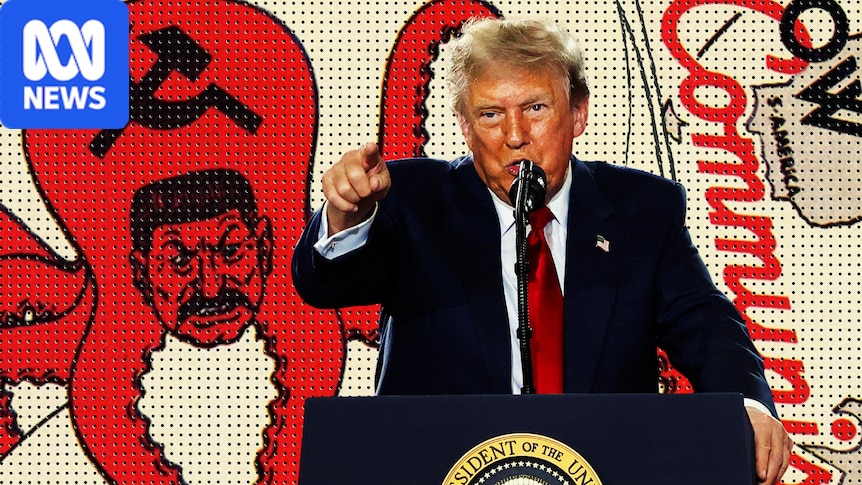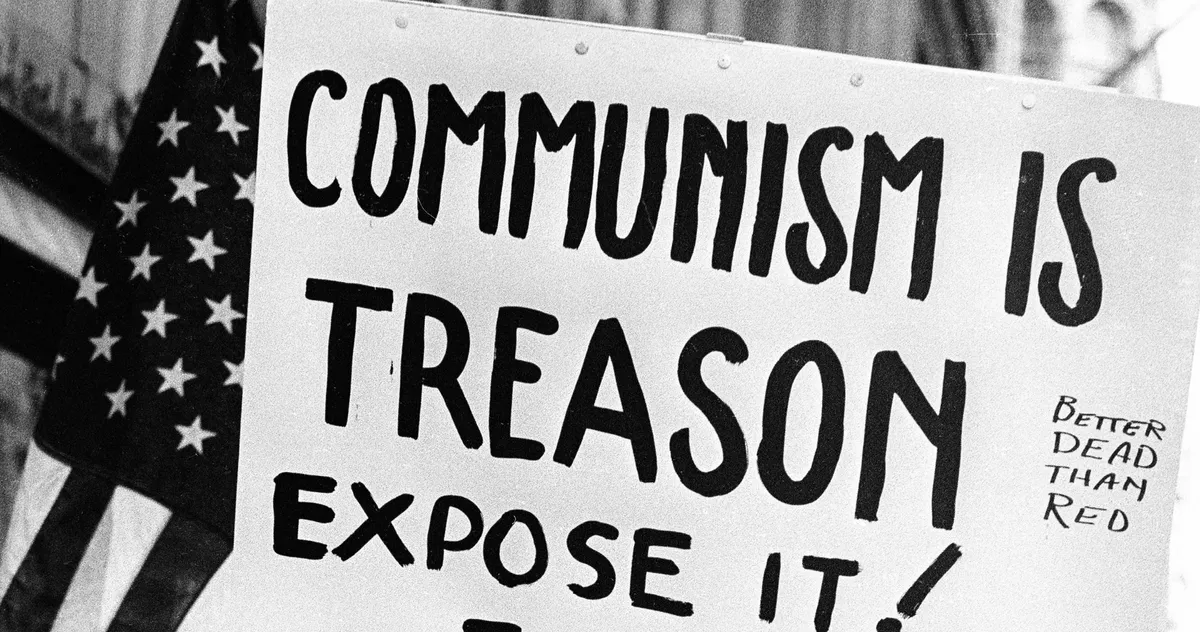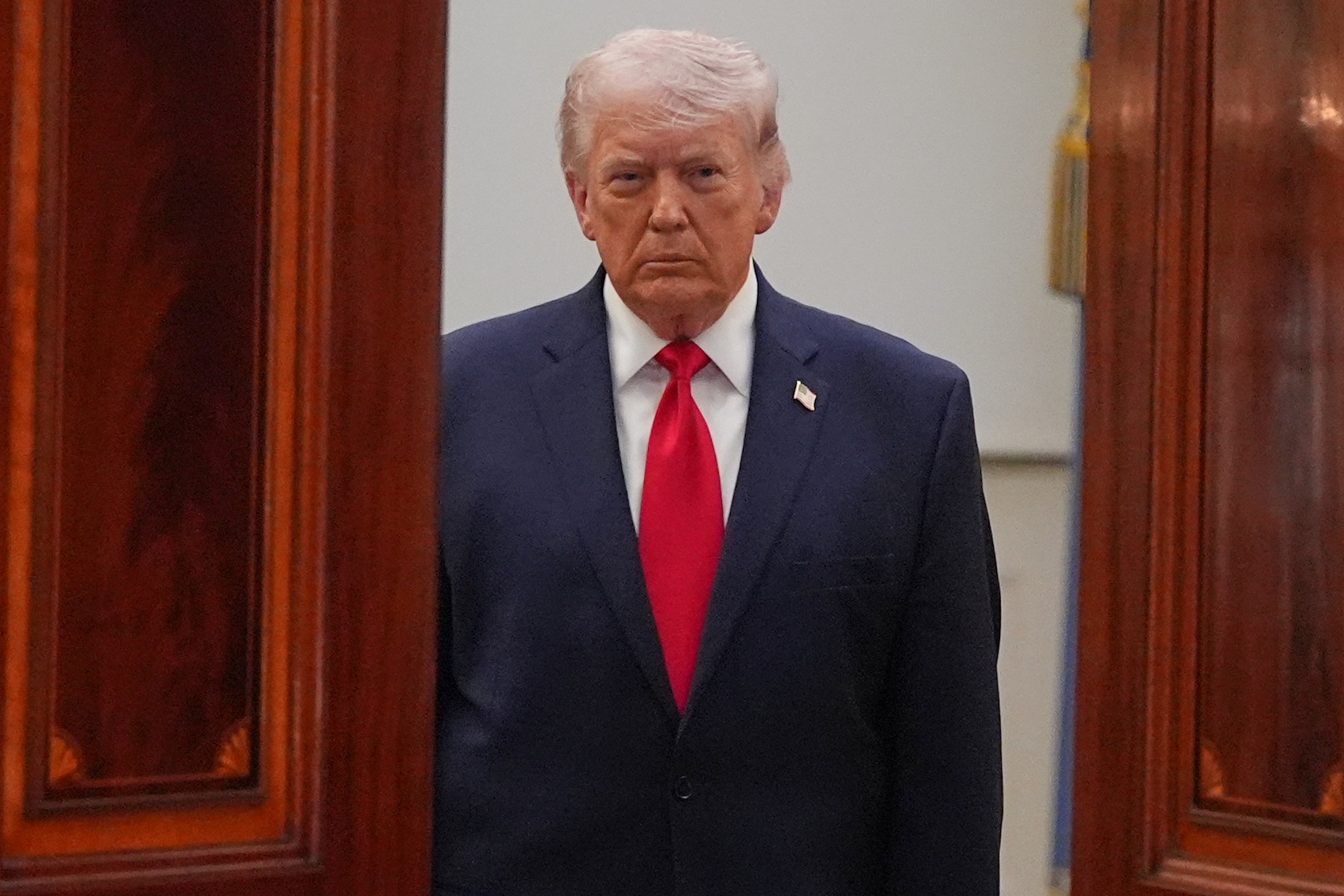
During the Red Scare purges which swept the United States after the second World War, the auto factories in Detroit were a source of intensive investigation and the city a location for regional hearings. So the attempt by president Donald Trump to resurrect, in the imagination of Americans, a 21st century communist threat at Monday’s rally in Milford, 40 miles north of the city, was historically apt. Two summers ago, Trump successfully campaigned by using despicable generalities to vilify undocumented immigrants as “the worst of the worst” sent from other countries to destroy safety and social fabric of the US. It was divisive, and it worked. Now, in advance of the midterm elections, he has begun to concentrate on the latest risk to the American way of life: the rising threat of communism from within the Democratic Party. “They skipped socialism,” he told the crowd at the General Motors Proving Ground in Milford. “Can you believe it? But communism is the greatest threat to our country in history – including, even World War One, World War Two, Pearl Harbor or 9/11. This is a serious threat.“Because they are going to promise all sorts of things, in one year the whole country is going to be absolutely bankrupt. You will live in squalor, you will live in fear, you won’t have police, you won’t have firemen. Even the thought of it is a disaster. “And we have to be strong about it. We can’t be nice. You know, a lot of the Republicans are nice. We are a very nice party. We shouldn’t be nice, to be honest with you. We can’t let them get their claws into this incredible ... we are having the single greatest year we have ever had as a country. We are not going to let them destroy it.”The speech was the latest reference to the Democrats and communism at high-profile events, including his Fourth of July address at the National Mall. “You can be a communist, or you can be a patriot,” he told listeners at that address. “You cannot be both.”The attack line comes at a time when polling numbers suggest Trump’s voting base has reached a point of disorientation and disappointment with where the administration has taken the country since his second term began. A Quinnipiac University poll shows Trump’s approval rating among GOP members down from a high of 85 to 67 per cent, while a CNN poll returned a collapse in his net approval rating to -41 per cent since he defeated Kamala Harris in the presidential election. Trump’s overall approval rating sits at just 34 per cent. The Iran war remains deeply unpopular among many voters on both the left and right, and has contradicted the administration’s insistence that it is tackling the high cost of living.Trump’s ostensible reason for visiting Michigan was to sound the trumpets for what he described as a new golden age for the US car industry.Donald Trump: 'I think the vast majority of Americans understand the dangers of communism.' Photograph: Andrew Harnik/Getty Images “I’m not going to knock your parents but I have been better for you than your parents – and they would agree with me,” he told supporters at the General Motors (GM) plant.“Today I am proud to say that the auto industry is back, and America is back and it is pulling Detroit and Michigan along with it.”But Michigan state data shows that 4,000 autoparts manufacturing jobs have been lost there over the past year. GM has pledged to commit $4 billion in shifting car parts production from its Mexico facilities back to Michigan.All of this has made Trump’s “economic golden age” message harder to sell. Polls, however, suggest that a response to the Trump administration has re-energised the younger cohort of the Democratic Party. Engagement with the Congressional House election campaigns in 2024 was defined by a lethargy among Democrats aged 50 and under: Wednesday’s CNN poll found support among that demographic for a Democrat-led House of Representatives had surged by +17.But what kind of Democrats?If Republican politicians seeking re-election this November are anxious over Trump’s disastrously muddled messaging and leadership on Iran, the Democratic Party is in the midst of an internal schism between its establishment leaders and the soaring popularity of its Socialist-Democrat wing. Wednesday’s poll confirmed the rise in profile and approval among Democrats of New York mayor Zohran Mamdani, who holds a 60 per cent “favourable opinion” among Democrats and those leaning towards the party – double that of Senate leader and New York veteran politician Chuck Schumer (29 per cent). [ Trump’s most loyal supporters – white working-class men – are becoming disillusionedOpens in new window ]Hakeem Jeffries, the House minority leader, first elected to the House in New York’s 8th district in 2013, has a 34 per cent approval rating. Alexandria Ocasio-Cortez, another New York politician and the most prominent Democratic Socialists of America (DSA) party member, has a 55 per cent approval rating. The wave of DSA successes in the recent New York primaries, where all three candidates endorsed by Mamdani swept to victory, has signalled an increasing scepticism towards the prevailing political system among younger voters identifying as Democrats.Mamdani’s manifesto and extraordinary rise from outsider obscurity have pre-empted a national rise among DSA candidates. In Wisconsin, Democratic centrist candidate – and the state’s former lieutenant governor – Mandela Barnes abandoned his campaign on Wednesday after stating “it is very clear who our candidate is going to be”. He declined to name her, but Francesca Hong, a 37-year-old state assembly representative and DSA member, is leading polling among Democrats – and tied (at 44 per cent) with Tom Tiffany, the dominant Republican candidate. Barnes, in exiting, told Democrats that beating Tiffany was a matter of “life or death for Wisconsinites”. Hong, for her part, has said she was “undecided” as to whether she would seek an endorsement from Barnes. In all, the DSA has 163 candidates running in national primary elections and has recorded 38 wins, 37 losses, with 87 candidates still running. Next Tuesday night’s Senate Democratic primary election in Michigan has been interpreted as a litmus test of the internal ideological struggle. Haley Stevens, the moderate incumbent, trails progressive challenger Abdul El-Sayed, a Detroit native and public health scholar, by 15 points in some polls. Again, the breakdown of support among those candidates reflects the age divide among Democrats, with voters under 50 favouring El-Sayed while those over 60 strongly favour Stevens. An Emerson poll also returned a 17-point drop in the approval rating for Democratic governor Gretchen Whitmer: 78 per cent of those who registered their disapproval with Whitmer stated their support for El-Sayed.New York mayor Zohran Mamdani holds a 60 per cent 'favourable opinion' among Democrats and those leaning towards the party. Photograph: Dave Sanders/The New York Times
Trump revives Red Scare rhetoric as Democrats grapple with socialist surge
A growing ideological divide within the Democratic Party is giving Trump and his allies a potent new line of attack before the midterms
1,569 words~7 min read