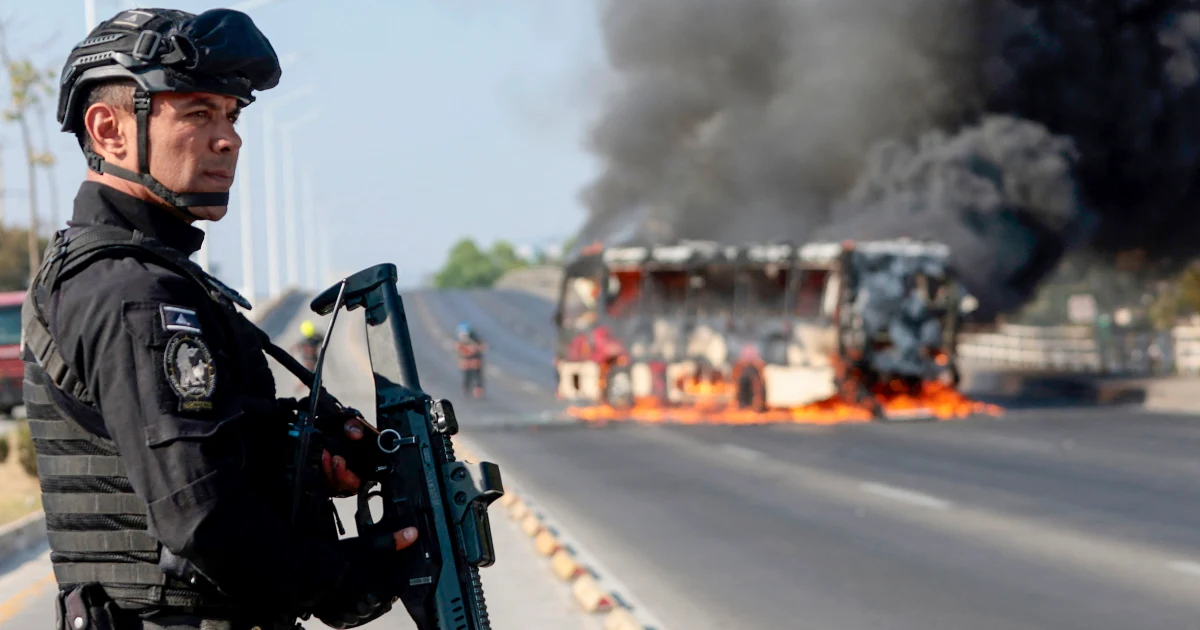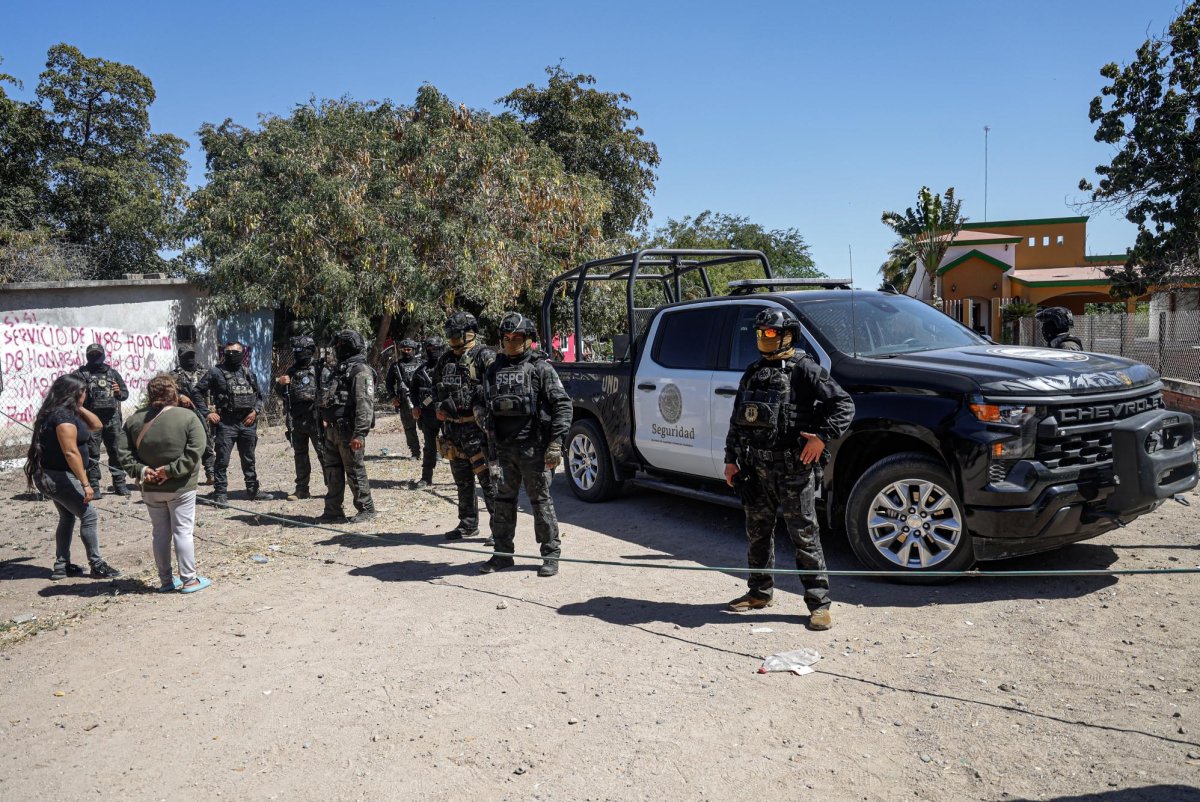
Members of the Secretariat of Security and Public Safety secure the area after conducting an operation in the town of Valle Escondido, Sinaloa, Mexico, on March 19. Mexico’s Security Cabinet reported an operation in Sinaloa that left 11 suspected criminals dead and a daughter of El Mayo Zambada, the leader of the Sinaloa Cartel currently imprisoned in the United States, detained and later released, amid the wave of violence sweeping Sinaloa state. File Photo by José Betanzos/EPA
July 31 (UPI) -- The April 2026 U.S. indictment of Sinaloa Gov. Rubén Rocha Moya and nine other current and former Mexican officials focused renewed attention on the profound corruption that organized crime has fostered within Mexico's political institutions.
U.S. prosecutors allege that Rocha Moya and others conspired with Sinaloa Cartel leaders to facilitate drug trafficking in exchange for bribes and political support; the governor has denied the charges, which have not been proven in court.
The indictment has also intensified debate in Washington over whether the United States should take unilateral military action against cartels operating inside Mexico. Such action would risk violating Mexican sovereignty, damaging bilateral cooperation and producing consequences Washington could not easily control.