Published Jul 31, 2026, 10:03 AM EDT
A Republican resolution would repeal the 17th Amendment and return the selection of U.S. senators to state legislatures.
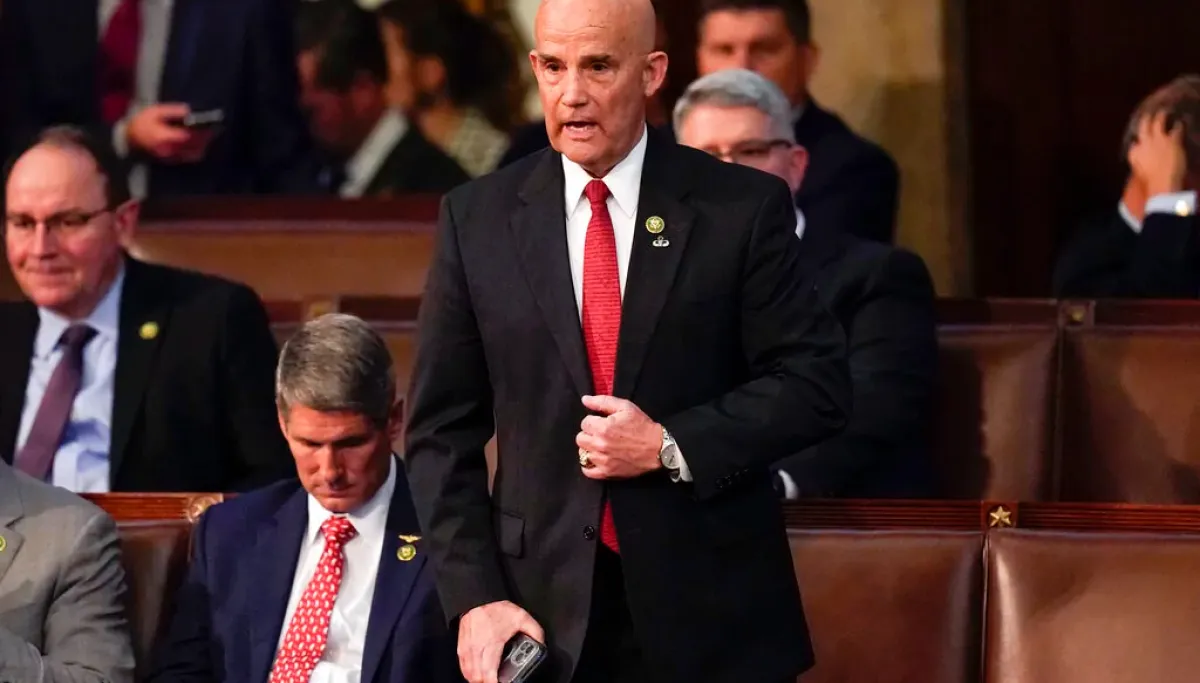
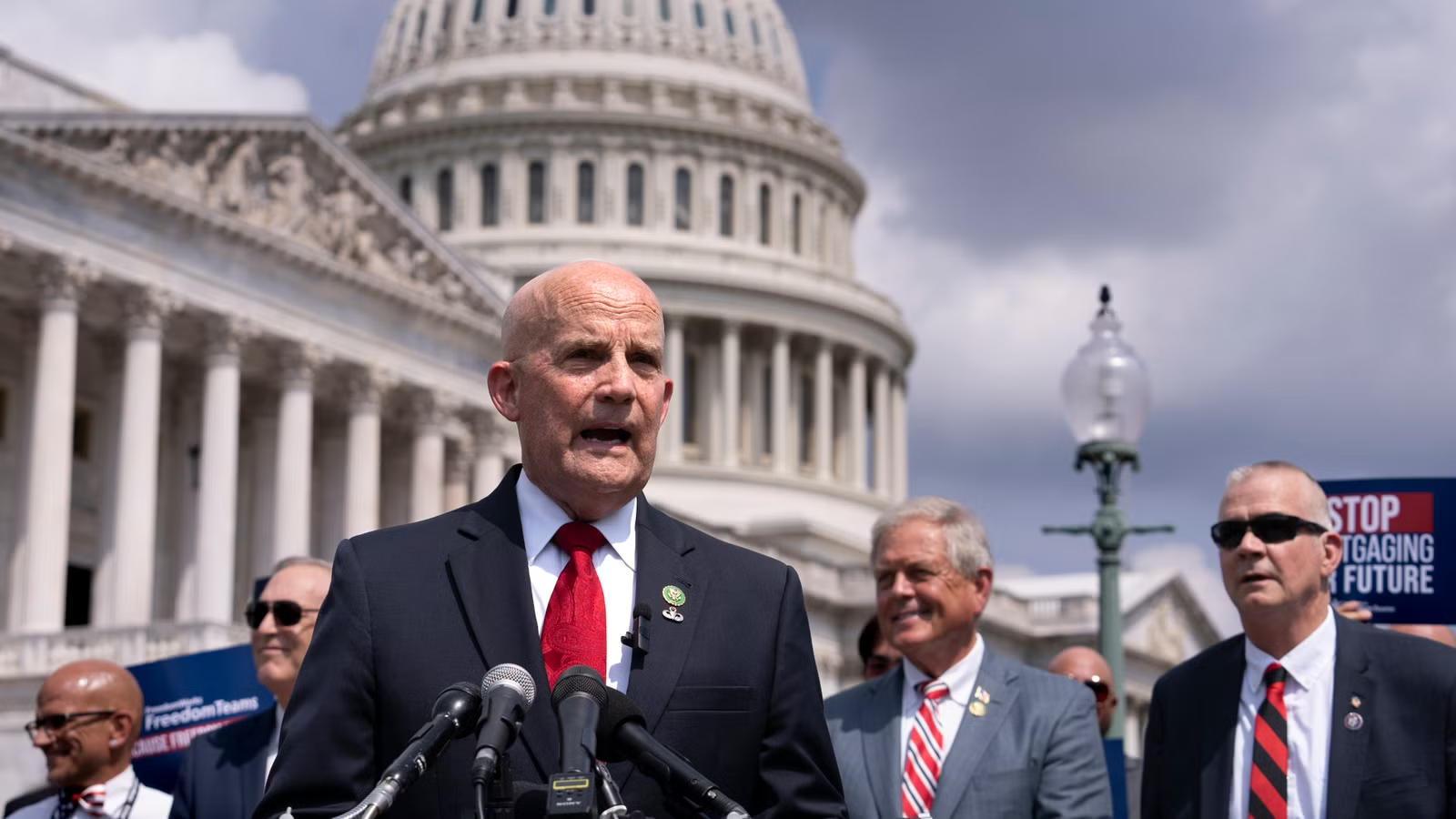
A Republican proposal introduced in the House would repeal the 17th Amendment and end voters’ constitutional right to elect U.S. senators directly. Rep. Keith Self (R-Texas) introduced House Joint Resolution 198 on June 25. The proposal would repeal the 17th Amendment, which requires each state’s voters to elect two senators to six-year terms. It has been referred to the House Judiciary Committee and has not yet received a committee vote. The measure would return the selection of senators to state legislatures, restoring the system used before 1913 and substantially changing whom senators answer to when making decisions in Washington. The resolution has nine Republican co-sponsors: Reps. Sheri Biggs of South Carolina, Michael Cloud of Texas, Andrew Clyde of Georgia, Paul Gosar of Arizona, Andy Harris of Maryland, Clay Higgins of Louisiana, Eric Burlison of Missouri, Scott Perry of Pennsylvania, and Victoria Spartz of Indiana. Self argues that direct elections made senators more responsive to Washington political interests than to state governments. He said allowing state legislators to choose senators would give states a stronger voice in federal decisions and restore the division intended by the Constitution’s framers. “The current system has given us six-year politicians more focused on national ambitions and the institution of the U.S. Senate than on the states they serve,” Self said in a June 25 statement. “Our Founding Fathers designed the Senate to protect state sovereignty and act as a check on federal overreach. If senators are supposed to represent their states, then the states should choose them. "Repealing the 17th Amendment will restore that constitutional balance and make the Senate more accountable to the people of Texas and every other state in the union.” The proposal is a constitutional amendment, not an ordinary bill. It would require approval from two-thirds of both the House and Senate, followed by ratification from three-fourths of the states. The president has no role in approving or vetoing a constitutional amendment.