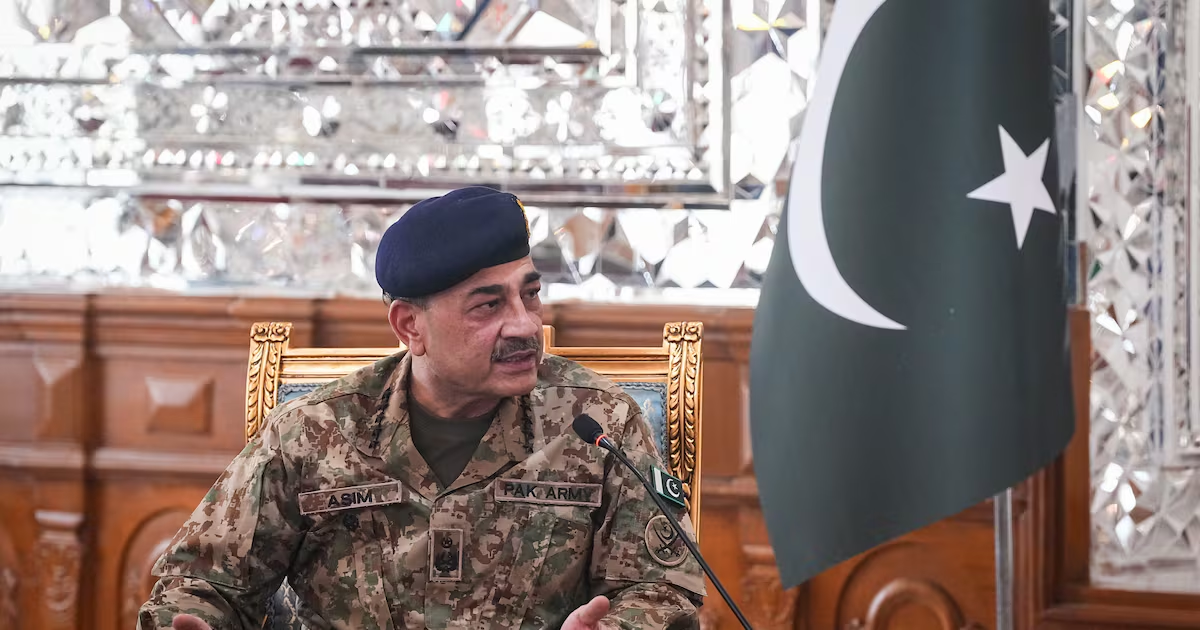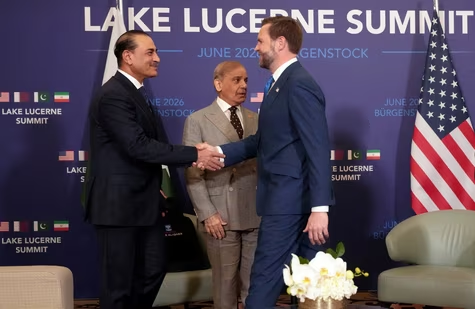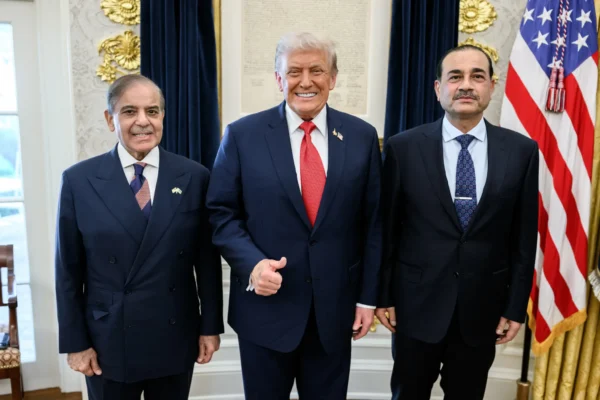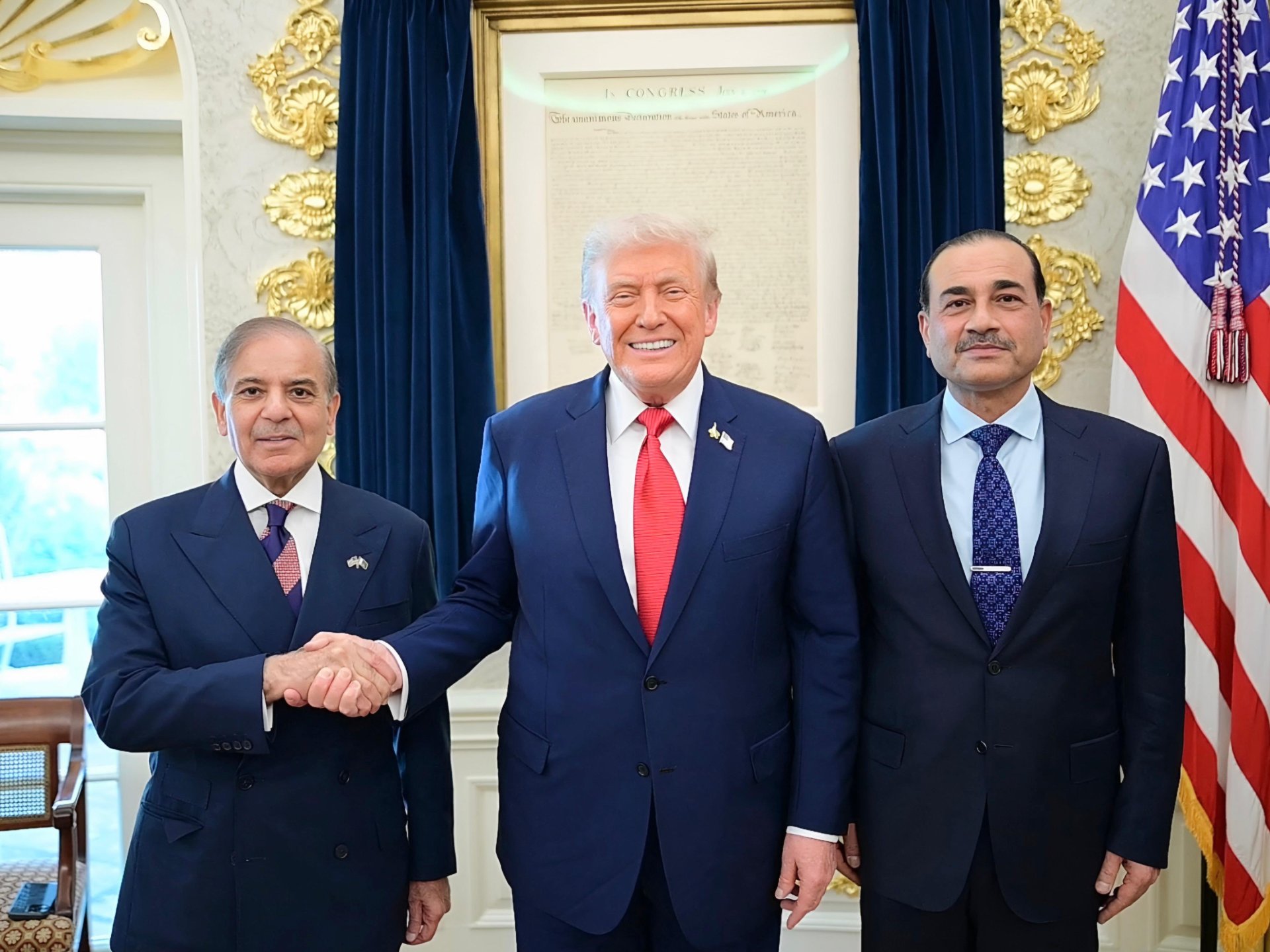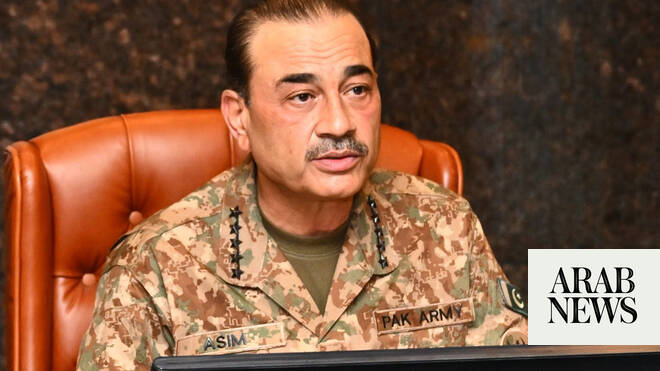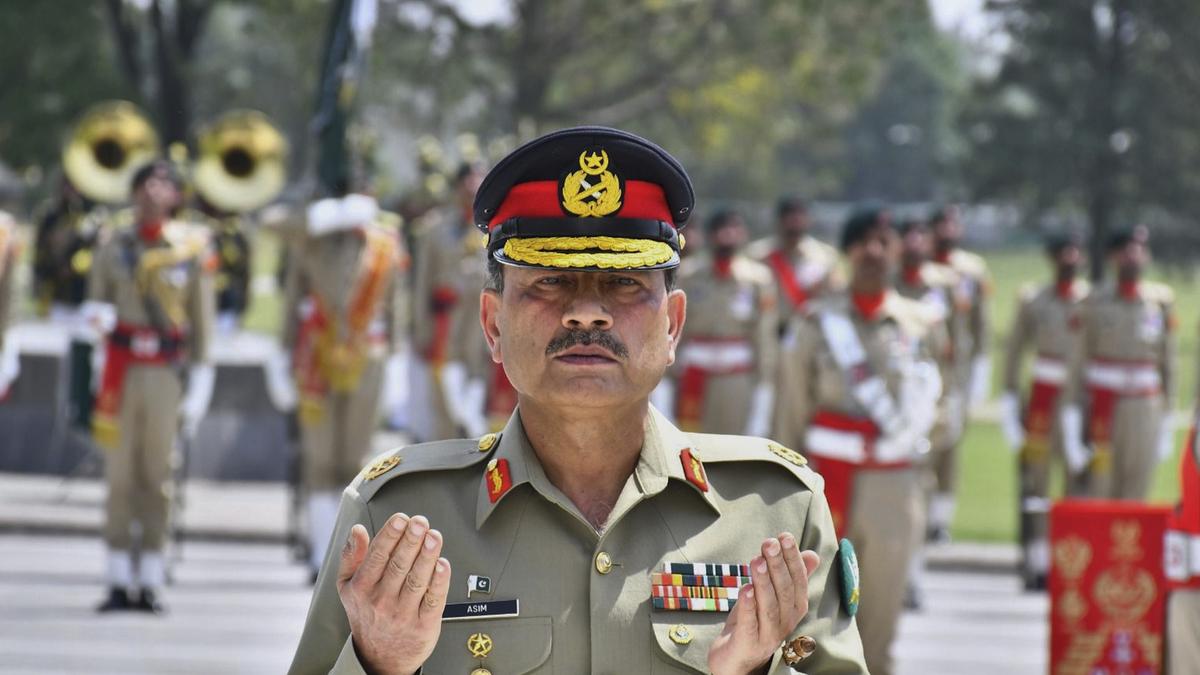
Pakistan seems to be living through several seasons at once. Abroad, Field Marshal Asim Munir and his chosen few speak the language of mediation, performing the role of an indispensable interlocutor. Islamabad frequently multi-aligns Washington, Tehran, Riyadh and Beijing with élan without alienating either. Yet beyond its manicured visage, seasons change faster. Guns have not fallen silent in Balochistan or Khyber Pakhtunkhwa, the border with Afghanistan periodically becomes a battlefield, and the pine-covered mountain roads once smelling of wet earth in Pakistan-occupied Kashmir are filled with bullets, funerals and an internet blackout. The country is at once both the sum of its manoeuvres and the prisoner of its sinful statecraft.
This is why Asfandyar Mir’s argument in Foreign Affairs—“Pakistan Won the War in Iran”—is both persuasive and incomplete. Pakistan did help produce the temporary ceasefire in April and host the highest-level direct contact between the United States and Iran since 1979—credit where due. But the story is not about Pakistan’s emergence as a stabilising middle power. It is practising what may be called ‘geopolitical arbitrage’: exploiting the different prices that rival capitals place on Pakistan’s access, geography, military manpower and diplomatic ambiguity or flexibility.Ahmed Bux Jamali and Mehmood Hussain describe this as “pragmatic hedging”: maximising returns from China and the US while cultivating a zero-enemy posture. But hedging sounds too passé for Munir’s Pakistan. This is brokerage with epaulettes. Steven David’s classic idea of “omnibalancing” is more useful: rulers align not merely against foreign threats but to manage dangers to their own survival. Pakistan’s external activism, then, cannot be separated from its military establishment’s search for money, legitimacy and indispensability in an unstable home.