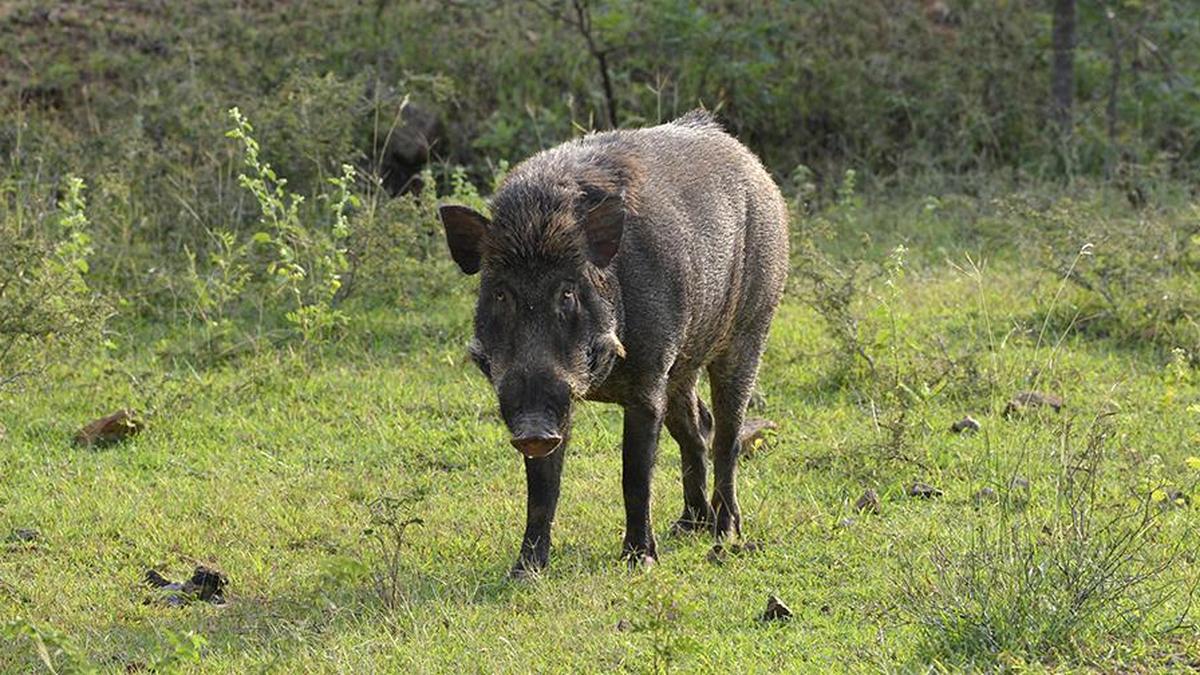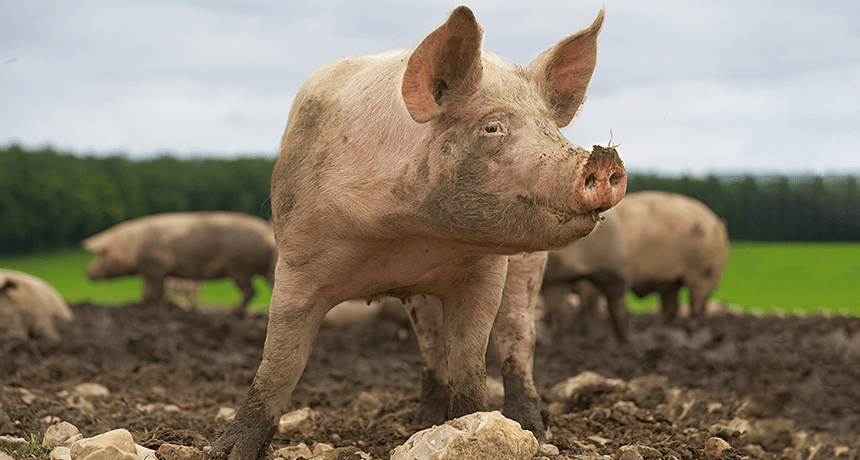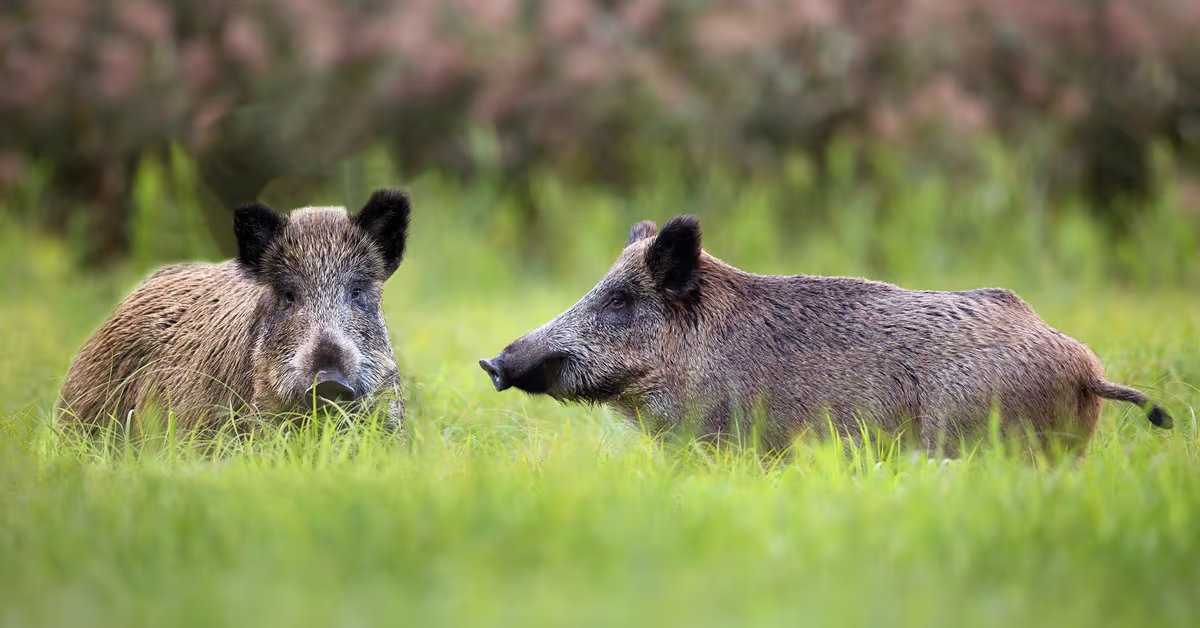
Hunting, berry picking and forestry work will be restricted in parts of southeastern Finland following the detection of swine fever in three wild boar piglets.African swine fever is a very serious disease for pigs, but does not infect humans. Image: MostphotosYle News16:47Authorities are preparing to tighten restrictions in southeastern Finland after the country's first case of African swine fever was detected in wild boar piglets found dead in Virolahti, Kymenlaakso.The remains of three wild boar piglets were discovered by a local resident in Vaalimaa and sent to the Finnish Food Authority for testing.African swine fever is a highly contagious and often fatal disease affecting pigs and wild boar. There is no vaccine or treatment, but the virus does not infect humans.To contain the outbreak, authorities have established an infection zone covering the municipalities of Virolahti and Miehikkälä, as well as part of southern Lappeenranta. Seven, mostly small, pig farms operate within the restricted area.Hunting has been banned throughout the infection zone to avoid disturbing wild boar and causing them to move beyond the restricted area.New restrictions for residentsThe Finnish Food Authority also plans to establish a three-kilometre core zone around the site where the piglets were found. Forestry work, berry and mushroom picking, dog walking and other outdoor activities will be prohibited within the core area.Elsewhere in the infection zone, dogs may only be walked on a leash along roads. Feed, grain and bedding collected from the area cannot be used for pigs, while agricultural machinery may only leave the zone after being cleaned and disinfected.The new restrictions are expected to take effect on Friday, with further guidance to be published by the Finnish Food Authority.Sirpa Kiviruusu, Head of the Animal Health and Medication Unit at the Finnish Food Authority, said the risk of further spread remains relatively low if the restrictions are followed.However, she noted that wild boar can travel tens of kilometres, making it possible for the disease to spread beyond the restricted area.Kajsa Hakulin, a ministerial adviser at the Ministry of Agriculture and Forestry's Unit for Animal and Plant Health, said the current infection zone provides a sufficient buffer, but warned that experience from other countries shows such zones often need to be expanded.Exports face uncertaintyThe positive test result will still be confirmed by the EU reference laboratory for African swine fever in Spain, although Kiviruusu said the preliminary result was "very clear."The outbreak is also expected to affect Finland's pork exports outside the EU. Exports from areas outside the restriction zone can continue normally within the EU.According to Riitta Rahkila, a specialist at the Finnish Food Industries Federation, Finland exported €74 million worth of pork last year, including around €57 million to countries outside the EU.Rahkila warned the outbreak could deal a significant financial blow to the pork industry, as countries such as China and Japan often impose nationwide import restrictions that can remain in place for years after a country regains disease-free status.
African swine fever restrictions tighten after Finland's first confirmed case
Hunting, berry picking and forestry work will be restricted in parts of southeastern Finland following the detection of swine fever in three wild boar piglets.
488 words~2 min read