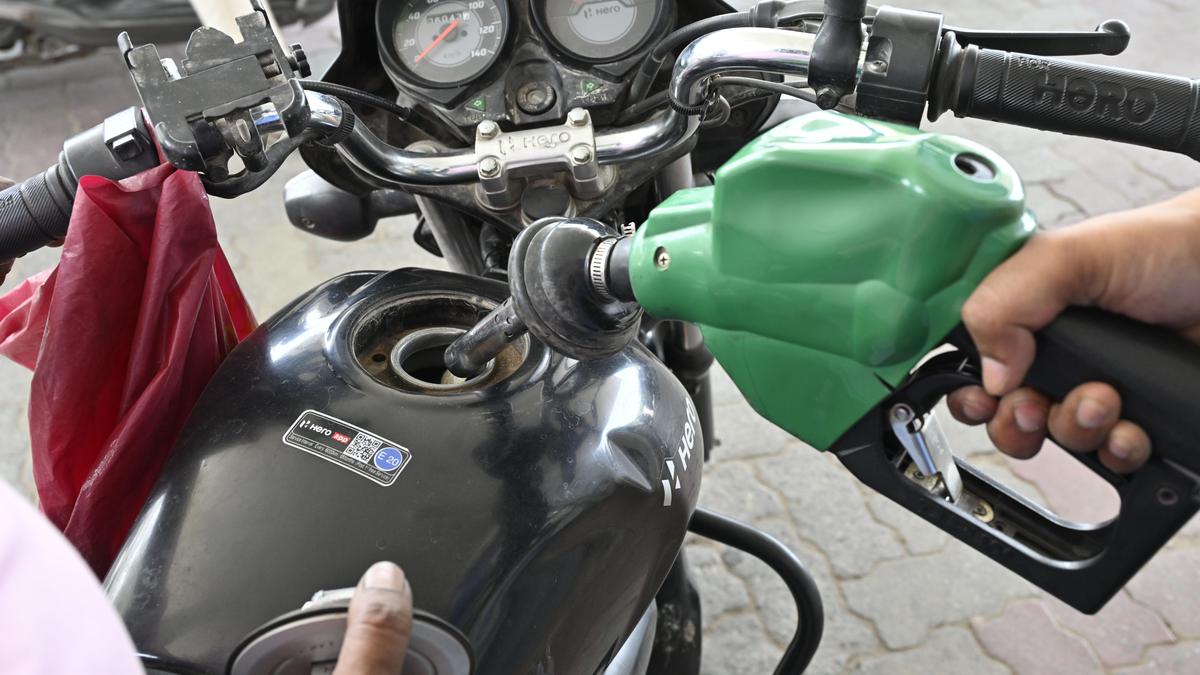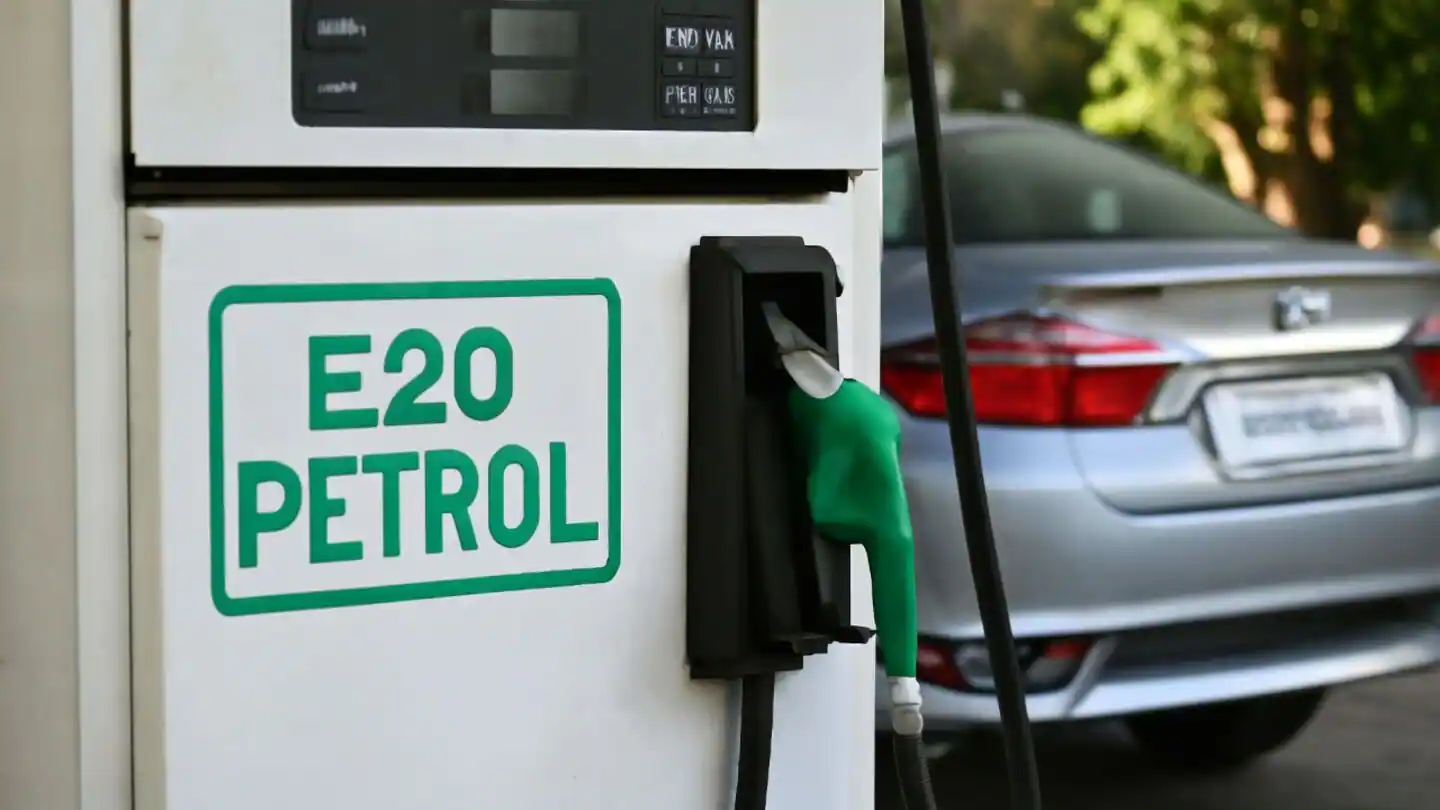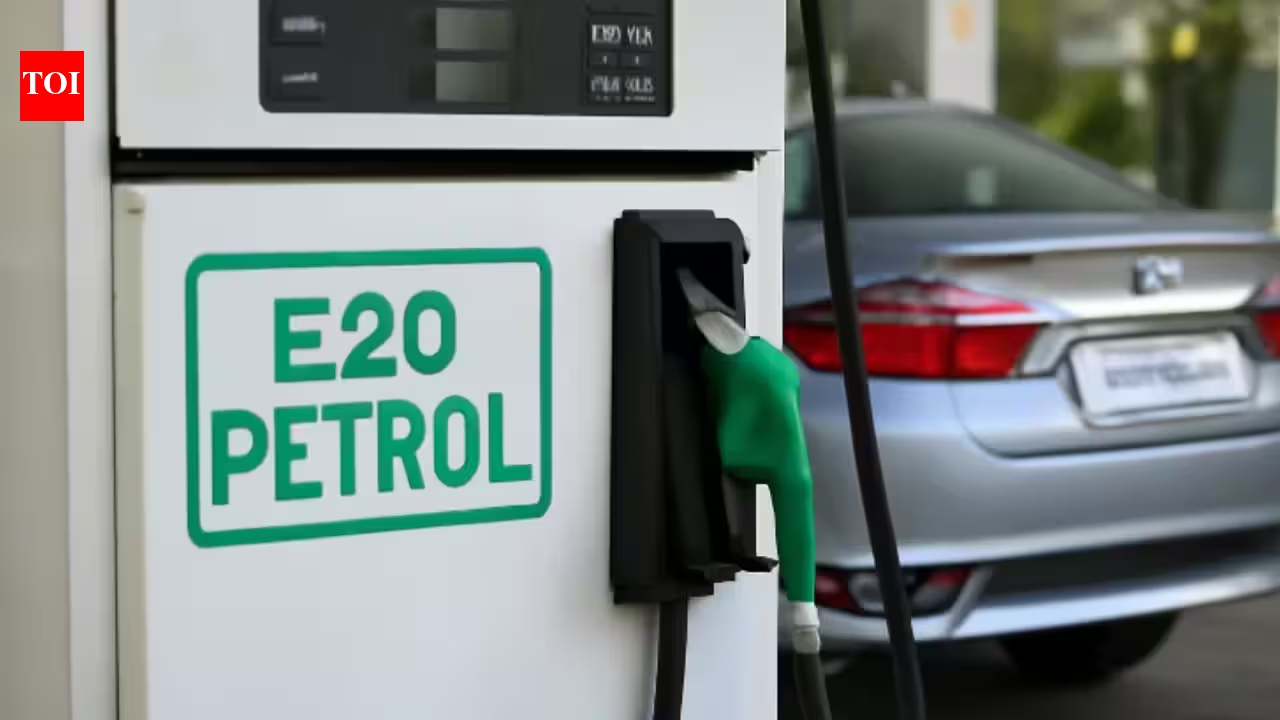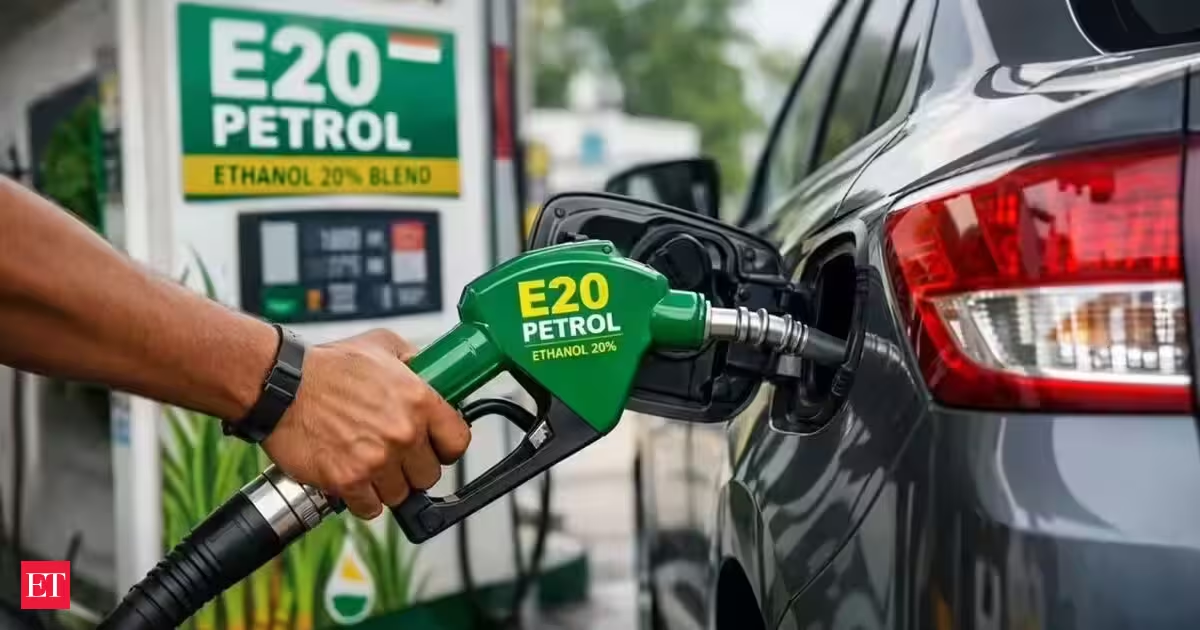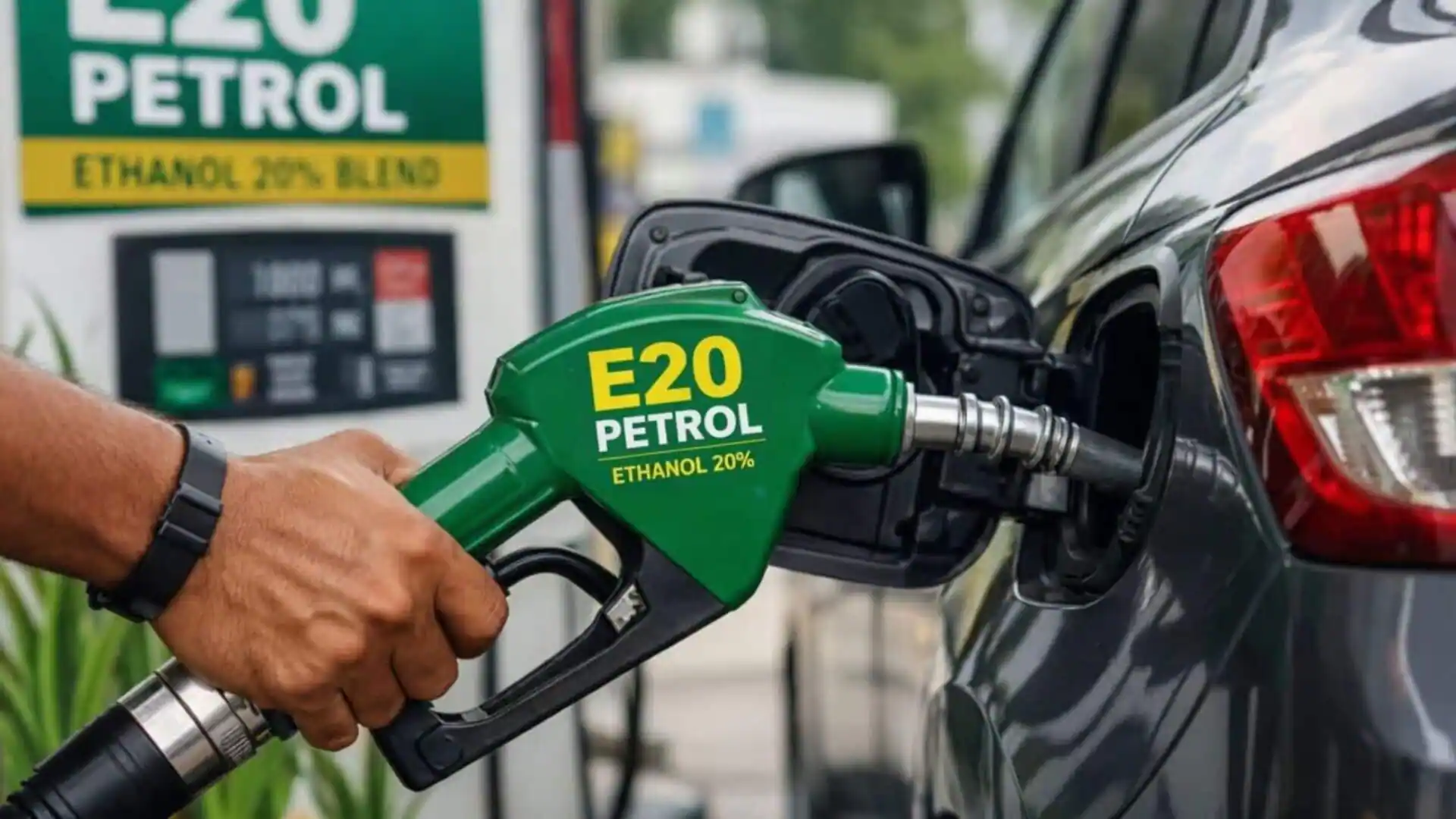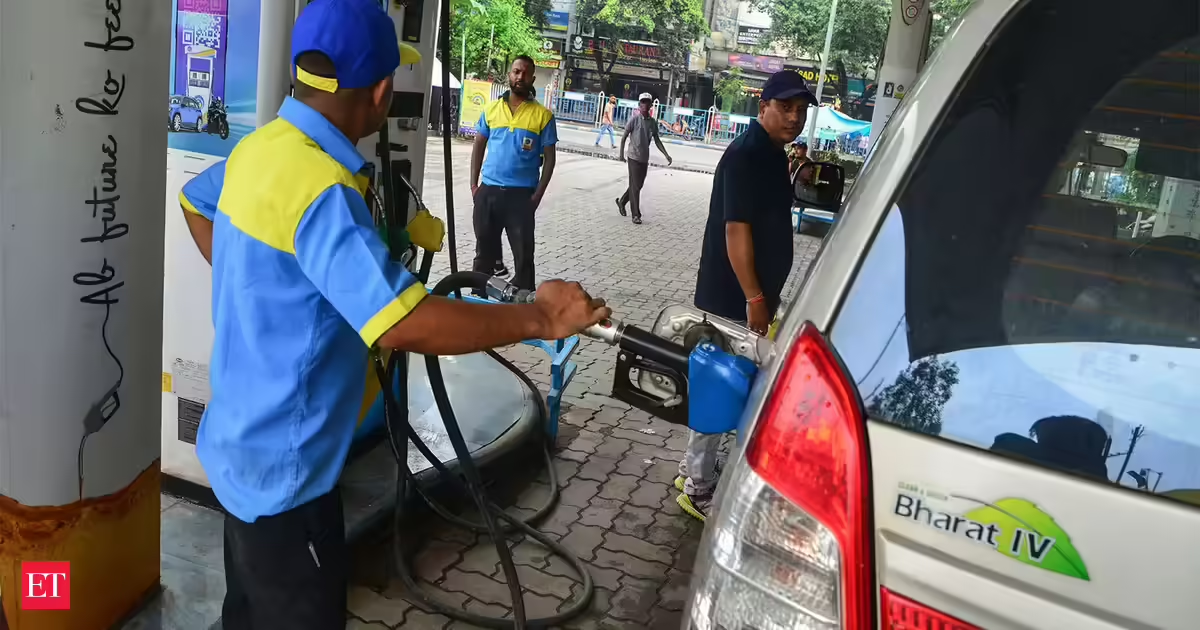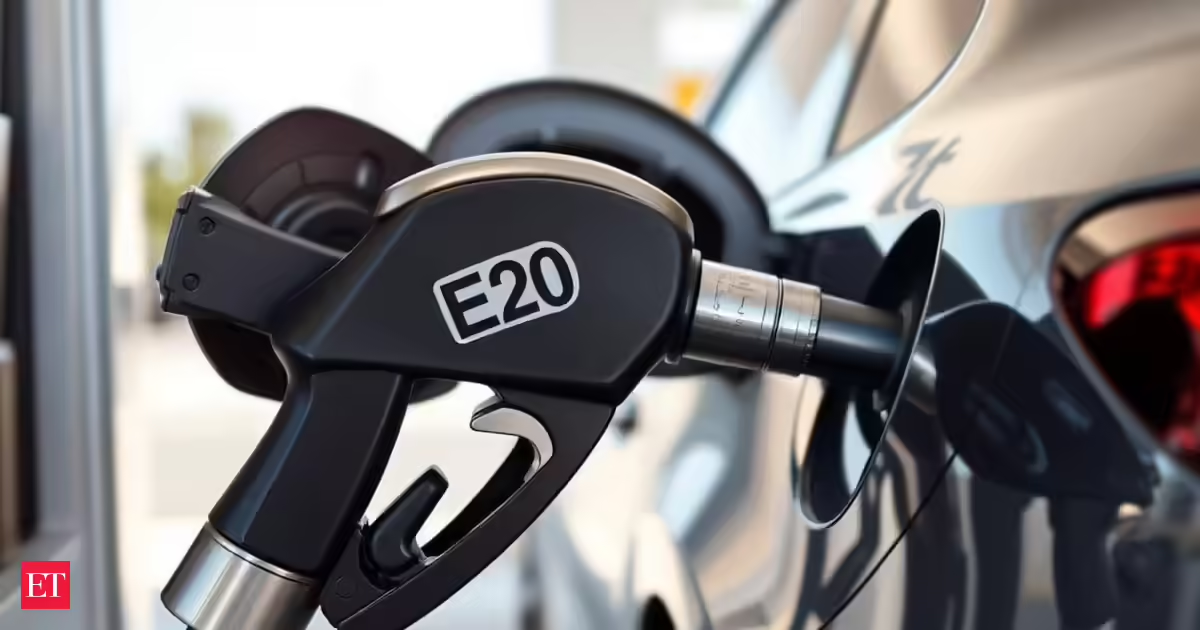
Petrol blended with 20% ethanol can reduce fuel efficiency by 2% to 6% in vehicles designed to run on fuel blended with 10% ethyl alcohol, the Union government told Parliament on Thursday.Citing studies by government agencies and automobile manufacturers, Union Road Transport Minister Nitin Gadkari said that the reduction in fuel efficiency was “influenced by several factors, including driving conditions, driving habits and vehicle maintenance”.Gadkari added that tests on engine durability, drivability, startability, corrosion resistance and material compatibility had confirmed that E20 fuel was safe for use under prescribed standards.The minister also said that “more than 20 crore two-wheelers and over three crore petrol cars have been operating on these blends without any verified evidence of widespread engine failure or vehicle breakdown attributable to ethanol blending”.The details were shared in a written reply to the Lok Sabha in response to questions about the impact of the Ethanol Blended Petrol programme on consumers, automobile manufacturers and the transport sector.Gadkari said that the programme had been introduced in a phased manner after consultations with automobile manufacturers, oil marketing companies, ethanol producers and other stakeholders.He cited data from an automobile manufacturer that reported servicing 2.8 crore vehicles during the financial year 2025-’26, including about 1.5 crore older vehicles, without finding any E20-linked engine damage, abnormal corrosion or reduction in component life.“A leading two-wheeler manufacturer has similarly reported no higher incidence of damage in E20-operated vehicles,” the minister said.On Thursday, responding to a question about the price of fuel after the ethanol blending, Gadkari said that the programme had helped shield consumers from “sharp increases in global crude prices” during the recent war in West Asia.He claimed that although global crude prices had risen by around 70% to 80% since February, domestic fuel prices had increased by only 7% to 8%.“During the peak of West Asia crisis, the market price of petrol could have been around Rs 125 per litre, however Indian consumers continued to pay only Rs 94.7 per litre…because [oil marketing companies] could procure ethanol at Rs 70 per litre,” Gadkari said. “By replacing a part of imported petrol with domestically produced ethanol, India has reduced its exposure to international crude oil price volatility and exchange-rate fluctuations.”The Union government’s Ethanol Blended Petrol programme currently mandates the sale of petrol blended with 20% ethanol. India hit its target of reaching a 20% ethanol mix in petrol in July 2025, five years ahead of schedule.The blending of ethanol with petrol is part of India’s broader energy transition strategy aimed at reducing dependency on fossil fuels, cutting greenhouse gas emissions and boosting income for sugarcane farmers.However, consumers have complained that the new fuel mix damages engines and reduces their mileage.An opinion poll by LocalCircles published on July 5 showed that 53% of the surveyed petrol vehicle owners said that they believe that the government’s handling of the E20 rollout was “disastrous” or “ineffective”.Written by Tanya Shrivastava. Edited by Nachiket Deuskar.Also read: Food corporation sold rice to ethanol plants at lower price than it paid for the grain: Centre
E20 petrol can reduce fuel efficiency by 2% to 6% in some vehicles, Nitin Gadkari tells Parliament
There was no ‘verified evidence of widespread engine failure or vehicle breakdown attributable to ethanol blending’, the minister said.
503 words~2 min read