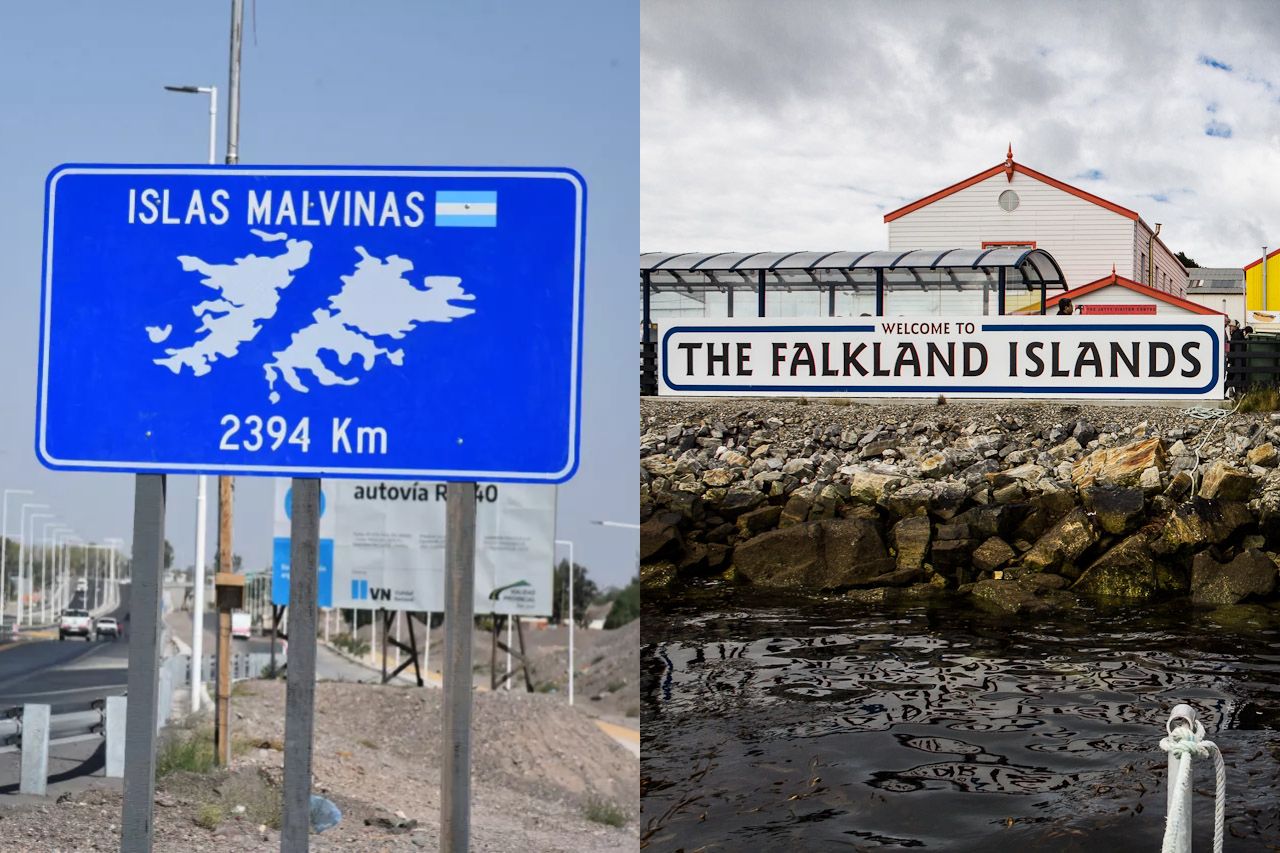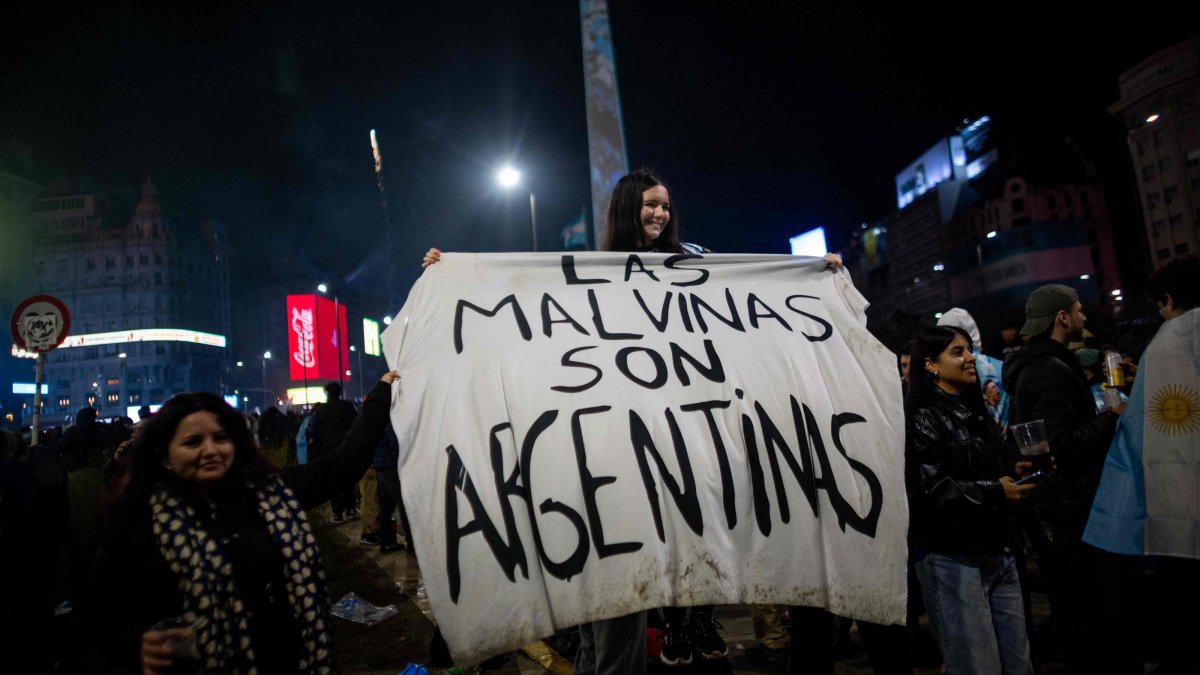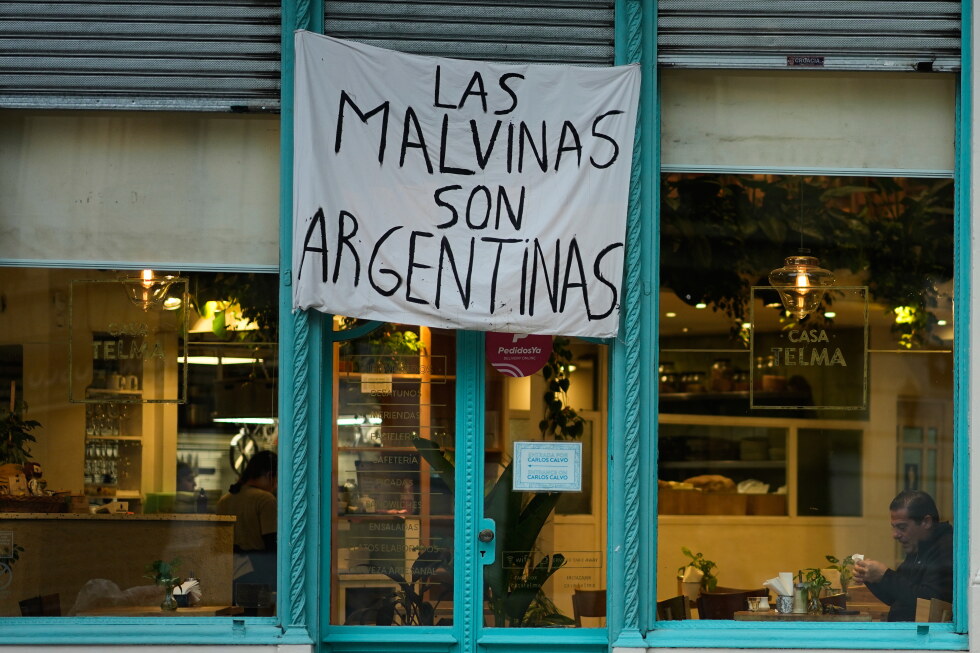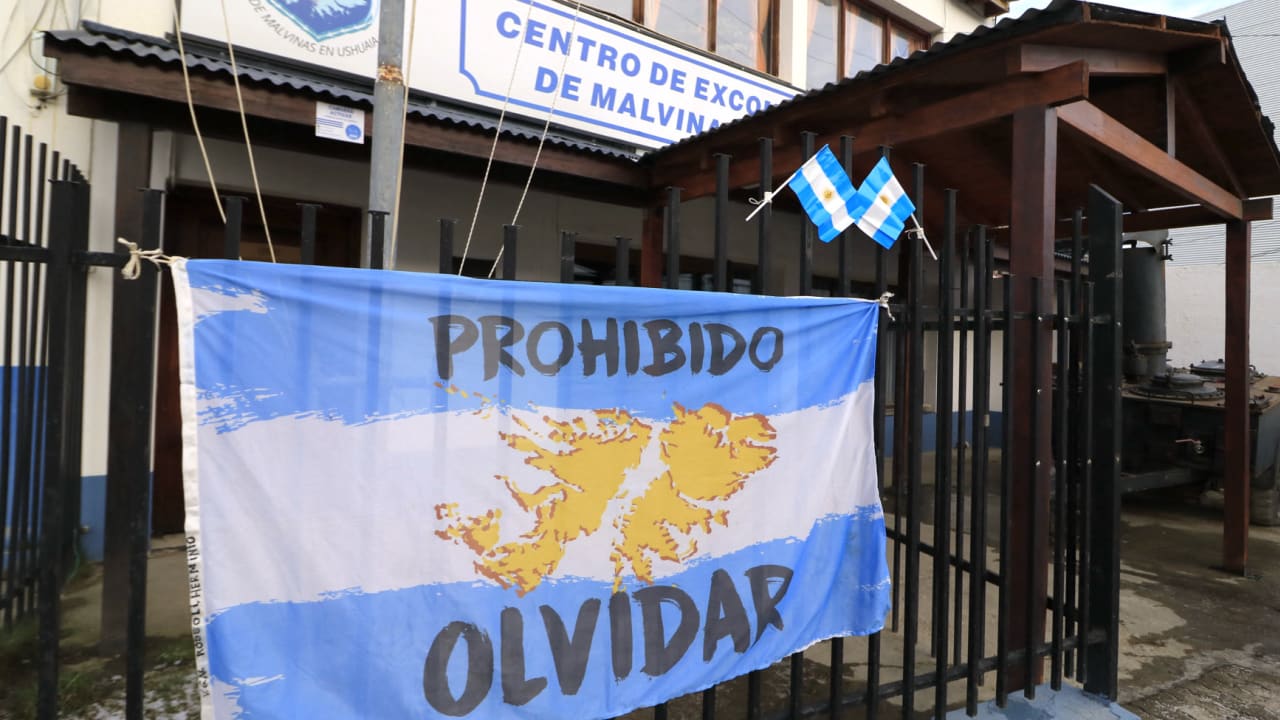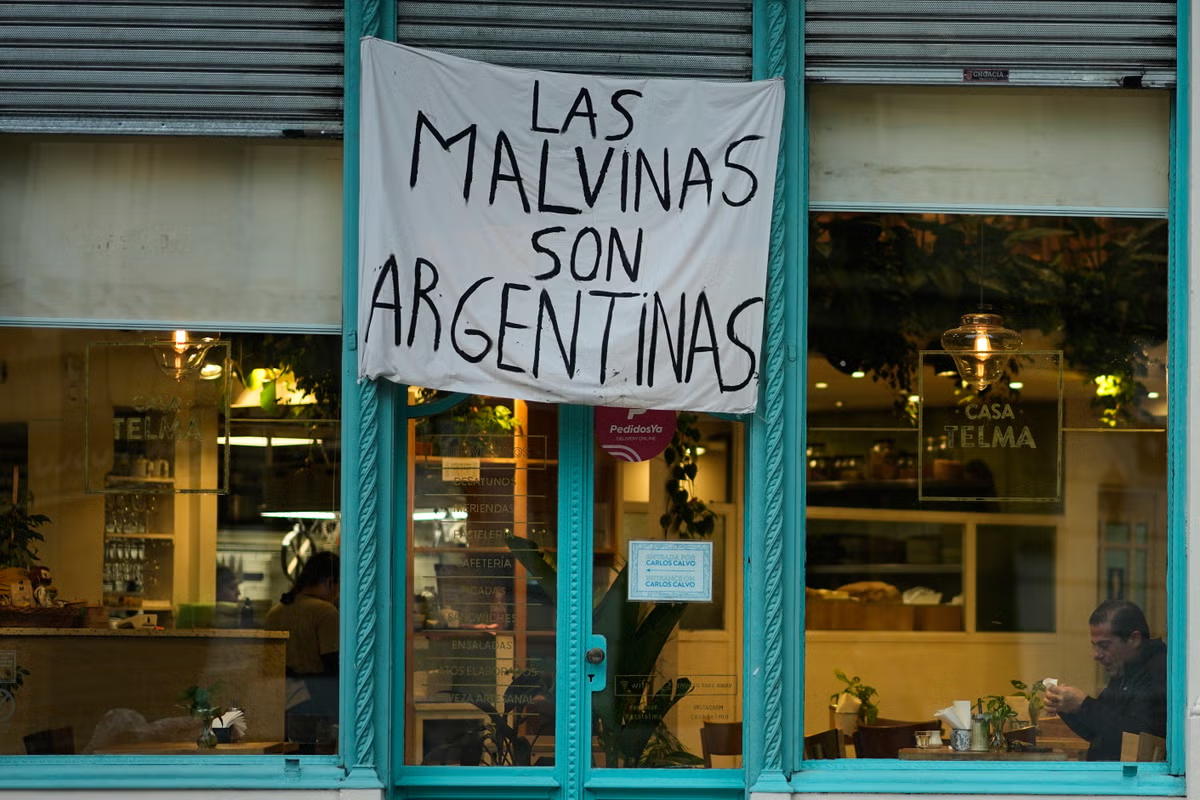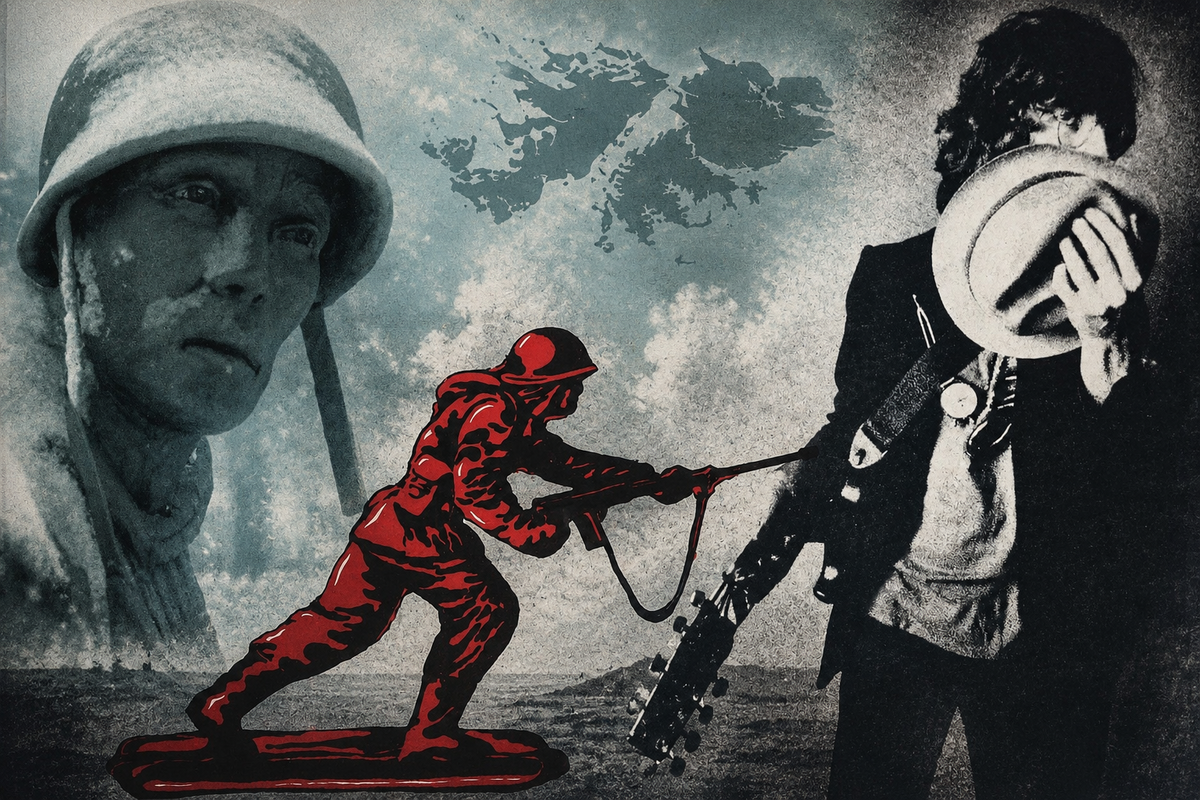
Argentina’s cultural landscape is one of the country’s most powerful records of the 1982 war with the U.K. Throughout the years, it kept Argentina’s claim to the Malvinas alive, addressing the issue through its own experiences and concerns. Some honor veterans, question nationalism, examine political responsibility, or explore the human cost and psychological scars of combat. Many do all of these at once.
The enduring presence of the Malvinas in Argentine culture includes songs, novels, plays, and films that continue to move audiences decades after their release. And as the distance from 1982 grows, the islands remain a source of artistic inspiration and the conflict continues to be remembered, debated, and reinterpreted by new generations.
Music
Music has perhaps carried the memory of the Malvinas further than any other art form. In 1971, folklore giant Atahualpa Yupanqui and famed musician Ariel Ramírez composed La hermanita perdida (The lost little sister), using the metaphor of a younger sister to portray the Malvinas as an inseparable part of the homeland.
Four years later, little-known folk-rock band Trío Lluvia recorded Las Malvinas rock, written by Jorge Durietz, member of popular protest duo Pedro y Pablo.