When a fraudulent transaction occurs, law enforcement agencies must work quickly to halt payments before cybercriminals cash out.
July 31, 2026
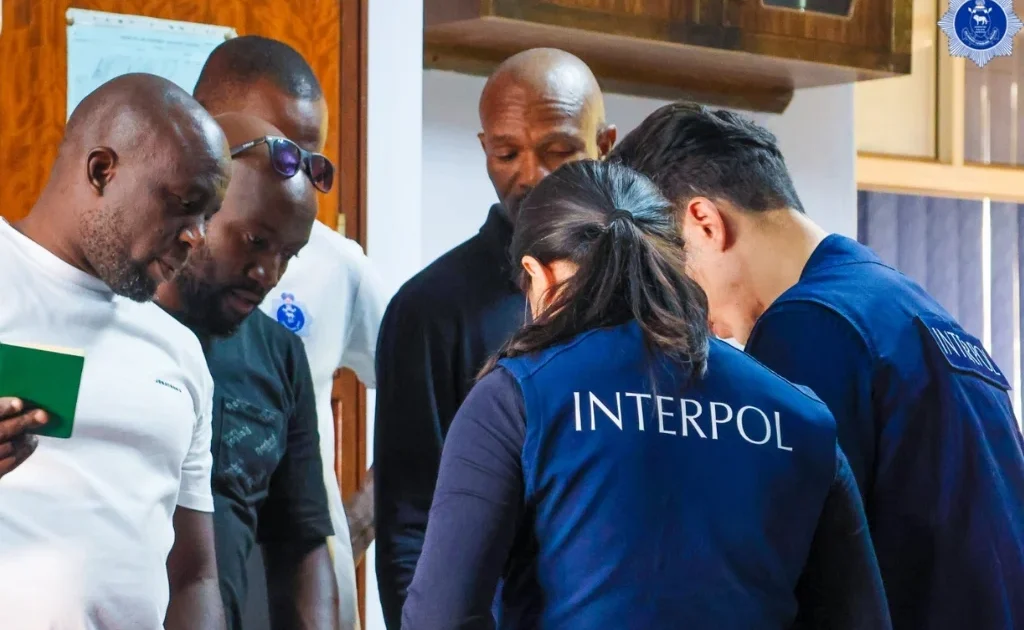
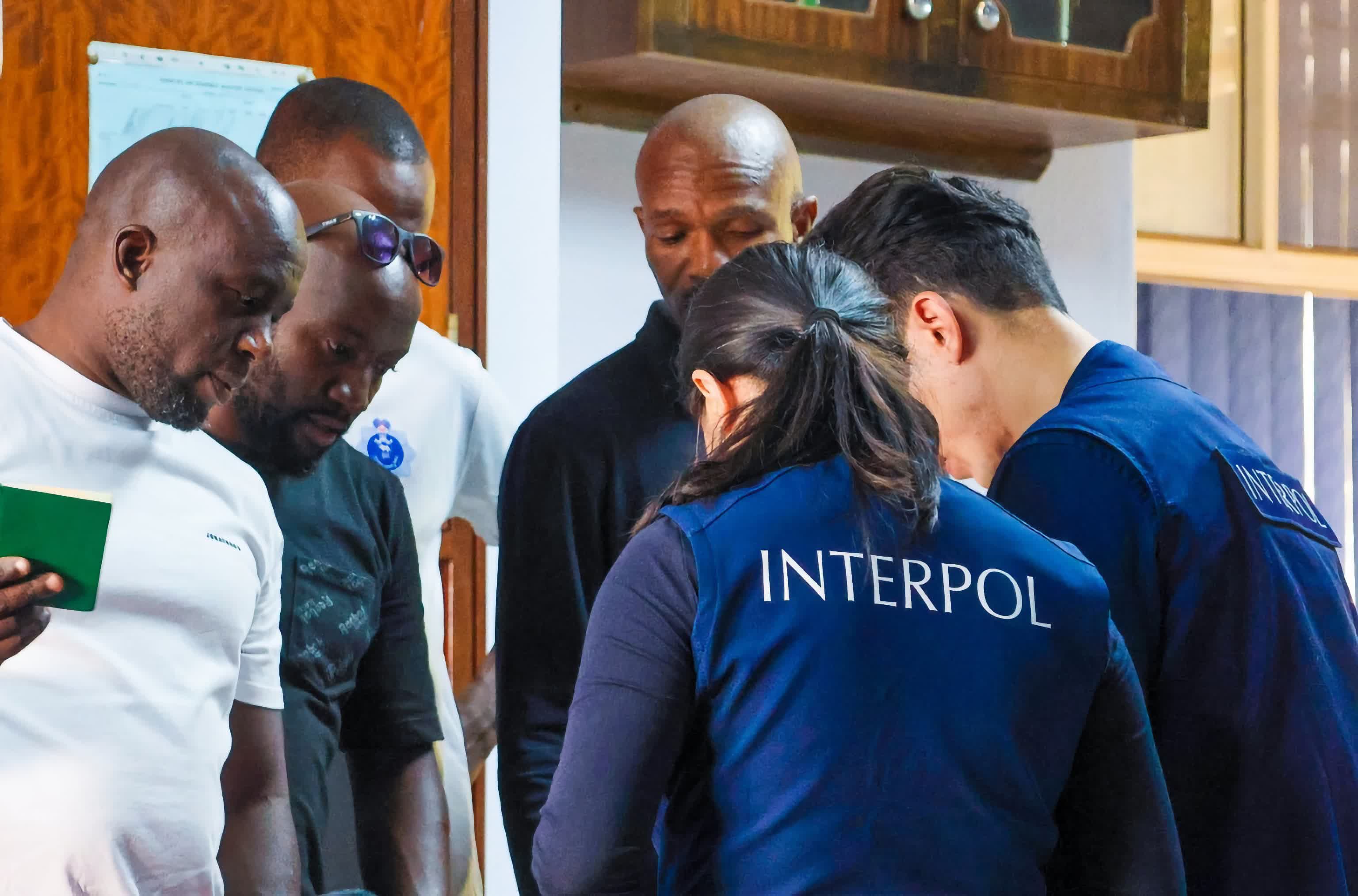
Earlier this month, Interpol revealed that authorities in Singapore and Oman used a worldwide network of law enforcement agencies and financial organizations to halt a $6.6 million payoff from a business email compromise (BEC) scam, part of Operation First Light 2026, which — among other milestones — blocked more than 31,000 bank accounts linked to fraud.
When companies and individuals report fraud and cybercrime, it's often too late to recover transferred funds. The coalition of law enforcement agencies and financial firms, known as the Interpol Global Rapid Intervention of Payments (I-GRIP) mechanism, has been working together to cut down the time to halt transfers and recover funds.
I-GRIP links together the offices of national law enforcement in 196 countries with local and international financial firms to speed requests to take action against fraud. In the same way that Interpol connects law enforcement in different countries through its National Central Bureaus (NCBs), I-GRIP extends those operational connections to financial institutions, Tomonobu Kaya, director of the Interpol Financial Crime and Anti-Corruption Center, tells Dark Reading.