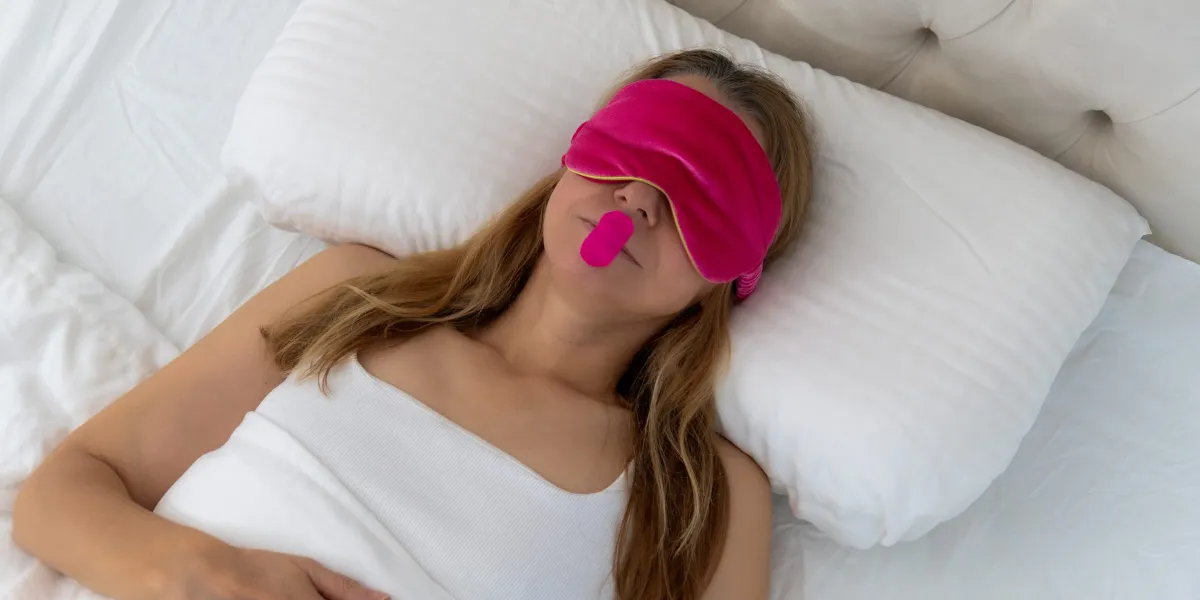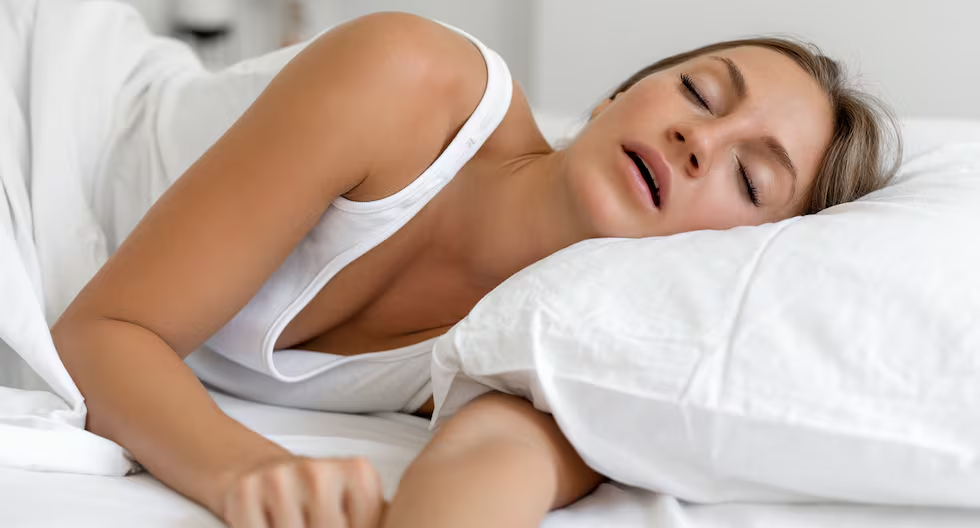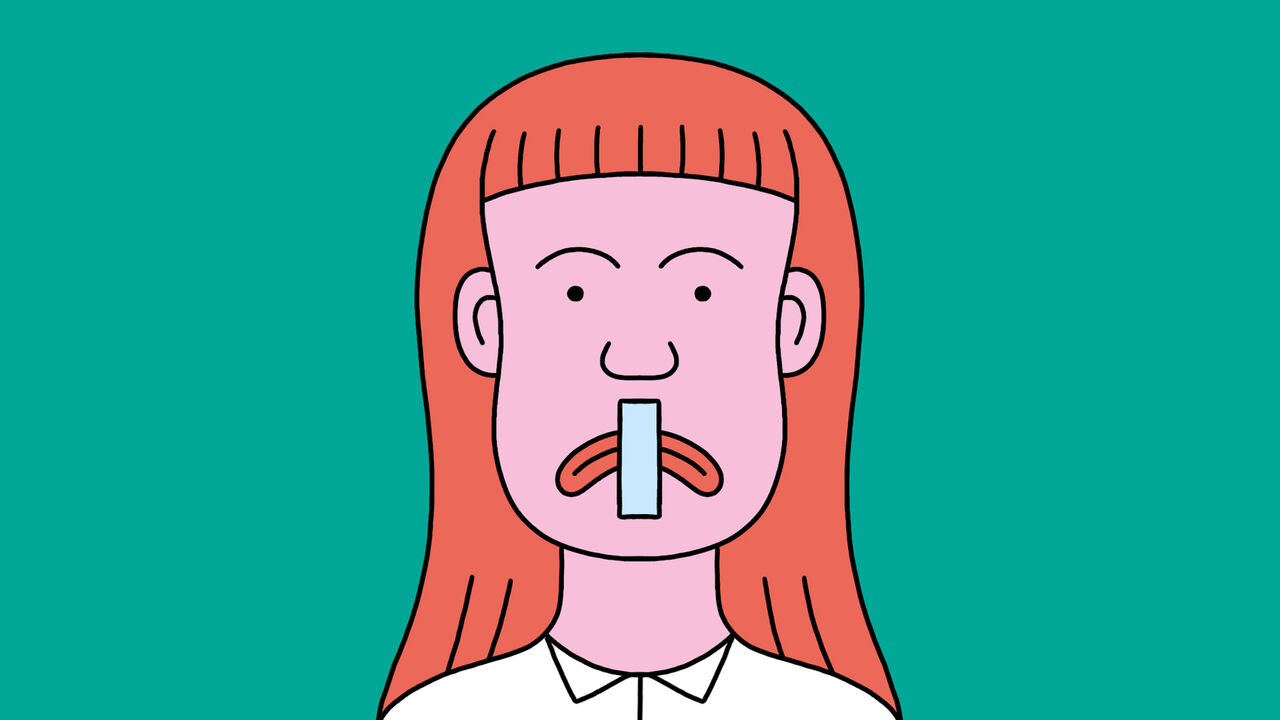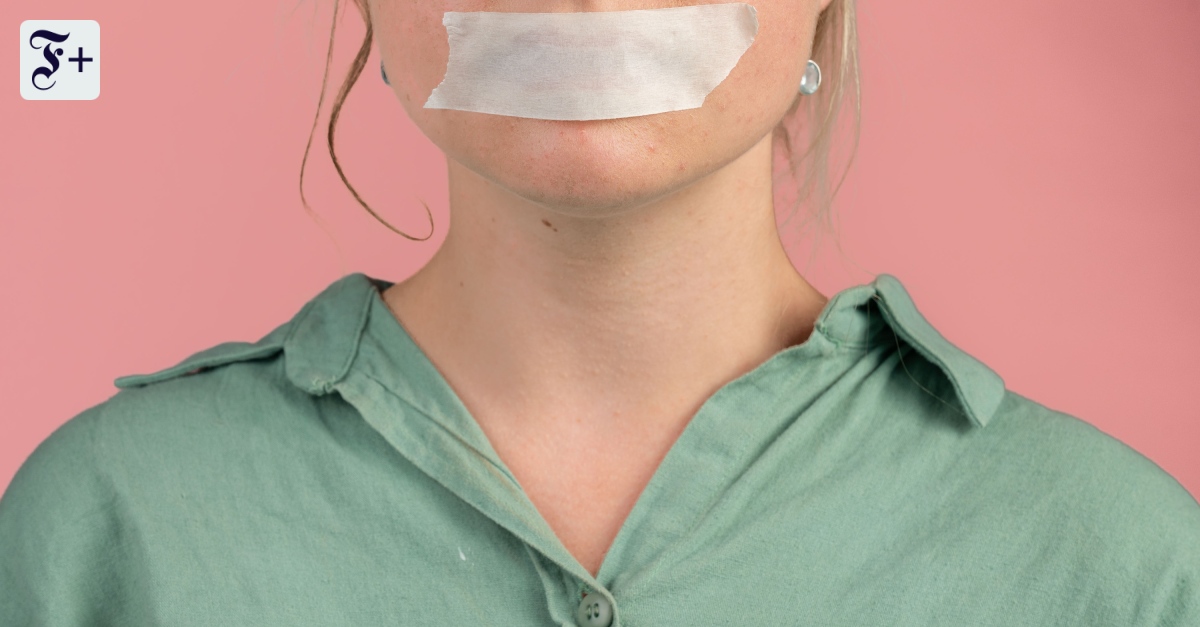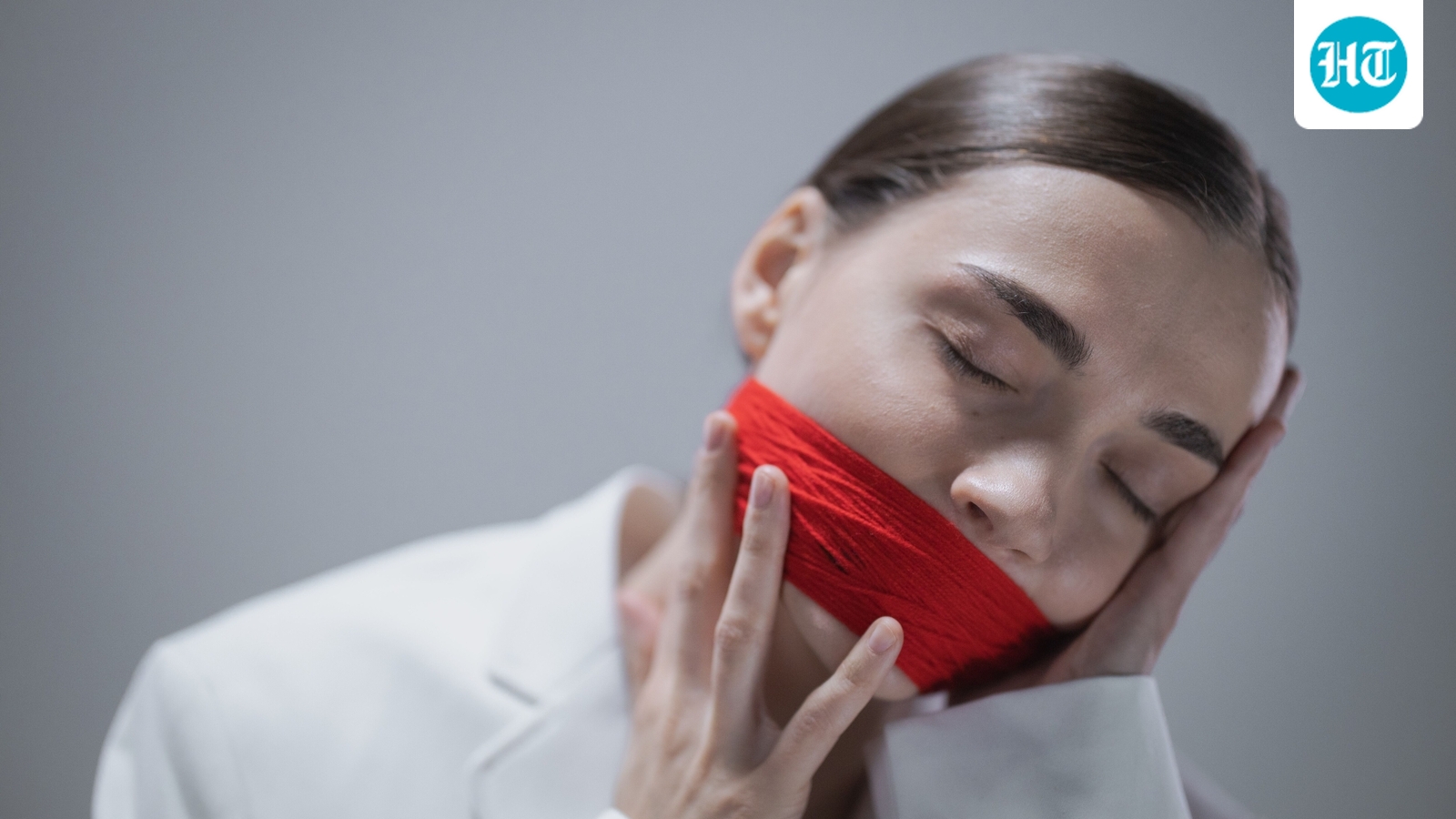
Here's what a pulmonologist says about the mouth taping trend. (Pexel) Before you tape your mouth shut at night for better sleep, here's what a pulmonologist wants you to know.Scroll through any wellness feed today, and it will not take long to find someone taping their mouth shut before bed, promising viewers deeper sleep, reduced snoring, and a fresher morning face. The practice has become one of social media's most talked-about sleep hacks. Yet behind the trend lies a more complicated clinical picture that is believed to deserve closer scrutiny before anyone reaches for a roll of tape. In an interview with HT Lifestyle, Dr Prasanna Kumar, HOD and consultant- respiratory medicine at Ramaiah Memorial Hospital, Bengaluru, separates facts from social media myths.Also read | Scrolling before sleep? Neurosurgeon Dr Anurup Saha reveals what it does to your brain and how to break the habitUnderstanding the trendDr Prasanna said, “Mouth taping is sealing the lips shut overnight with a strip of skin-safe adhesive tape, with the goal of forcing air through the nose instead of the mouth. And there is some logic behind it.” Nasal breathing genuinely does more for the body than most people realise. It filters out dust and allergens, warms the air, adds moisture before it reaches the lungs, and can even ease dry mouth or light snoring in someone who is otherwise healthy. So, the trend did not appear out of nowhere; it borrows from a real physiological principle.Nasal breathing genuinely does more for the body than most people realise. (Pexel)Who should steer clearAccording to Dr Prasanna, mouth taping is not a universally safe practice, and certain groups face genuine risk if they attempt it without medical supervision:Individuals with diagnosed or suspected obstructive sleep apneaThose with asthma, COPD, or other chronic respiratory conditionsPeople with chronic nasal congestion, allergies, or a deviated septumPatients with acid reflux (GERD)Anyone with underlying cardiac conditionsWhy the risk is realDr Prasanna highlighted that the mouth often acts as the body's backup airway. If it is taped shut and the nose cannot pick up the slack, because of congestion, a structural issue, or a breathing disorder that has not even been diagnosed, oxygen levels can dip lower than they should. That is not a minor inconvenience. It can wake someone up in a panic, break up their sleep through the night, or, in worst cases, become dangerous if reflux happens and there is no way to breathe through the mouth to cope with it.Keep sleep timings consistent and put screens away before bed. (Unsplash)Steps towards better sleepGet to the root of nasal congestion or allergies instead of just working around them.Keep sleep timings consistent and put screens away before bed.Sleep on the side rather than the back; it genuinely helps keep the airway open.If sleep apnea has been confirmed, CPAP therapy or an oral appliance is the way to go.Note to readers: This article is for informational purposes only and not a substitute for professional medical advice. Always seek the advice of your doctor with any questions about a medical condition.Anukriti Srivastava thrives at the intersection of words and voice, where journalism meets storytelling. A digital editor and journalist with over 5 years of experience, she has written across lifestyle, women issues, relationships, entertainment, fashion, and travel. She did her Masters in Broadcast Journalism and has published more than 500+ lifestyle content pieces across platforms.
Can mouth taping really improve your sleep? Pulmonologist explains the benefits, risks, and who should avoid it
Before you tape your mouth shut at night for better sleep, here's what a pulmonologist wants you to know. | Health
758 words~3 min read