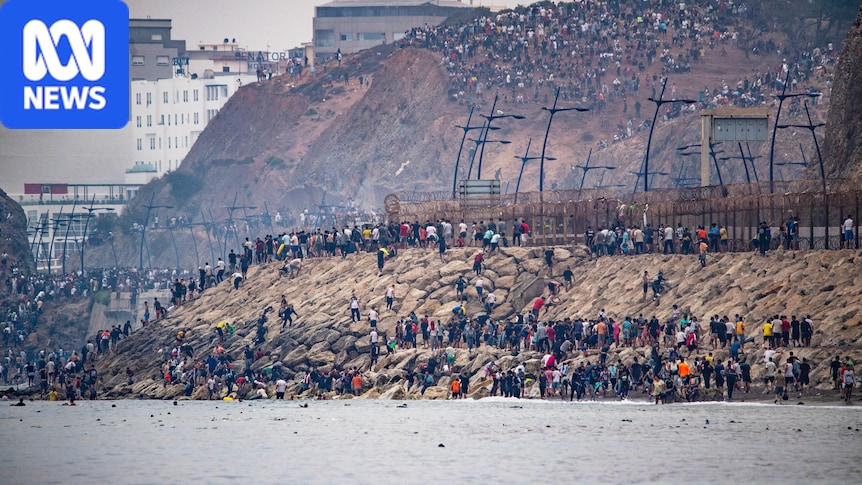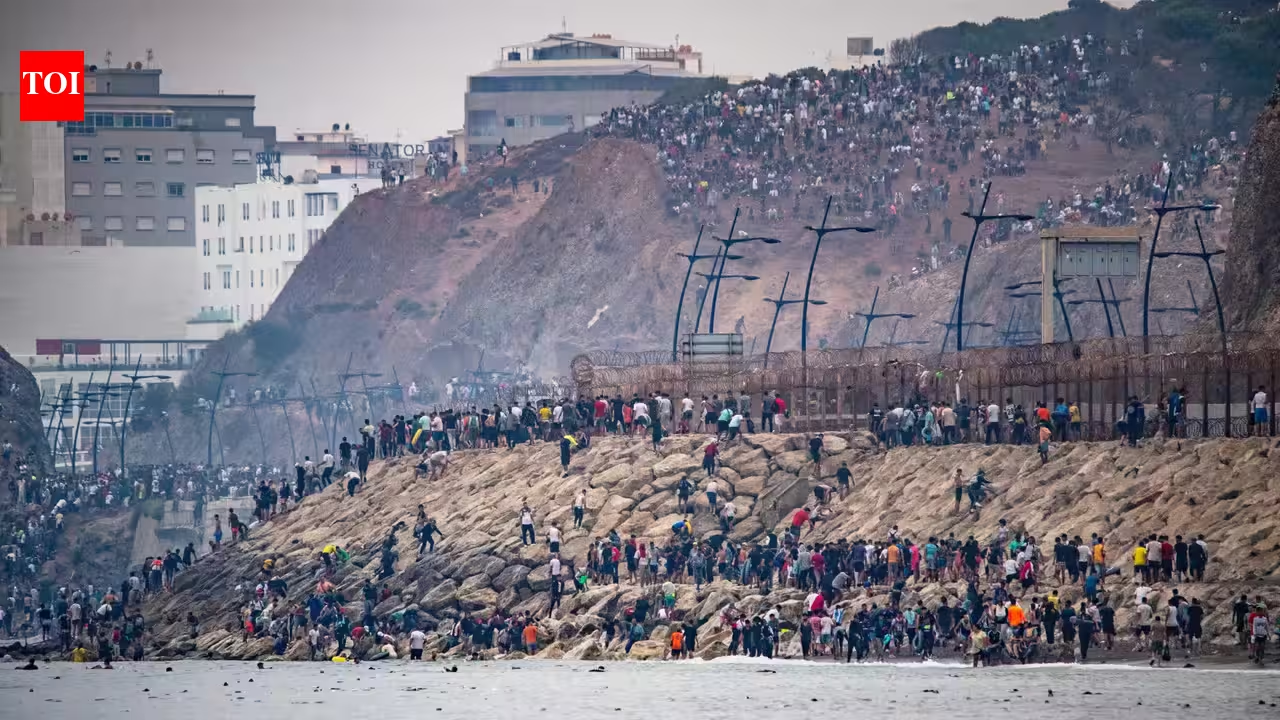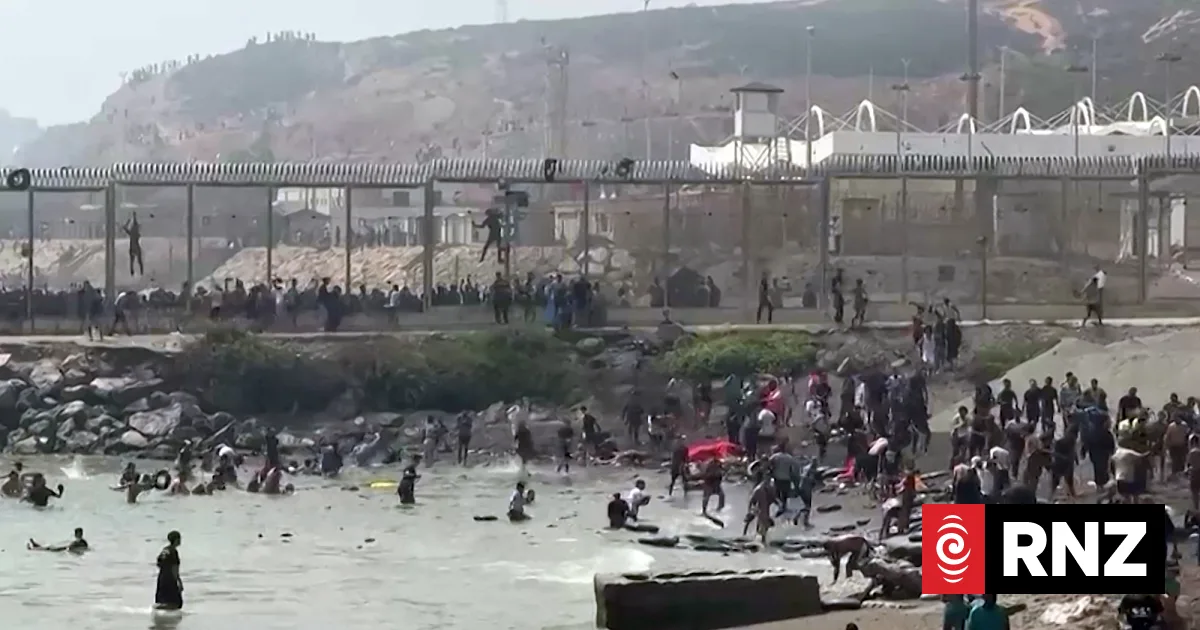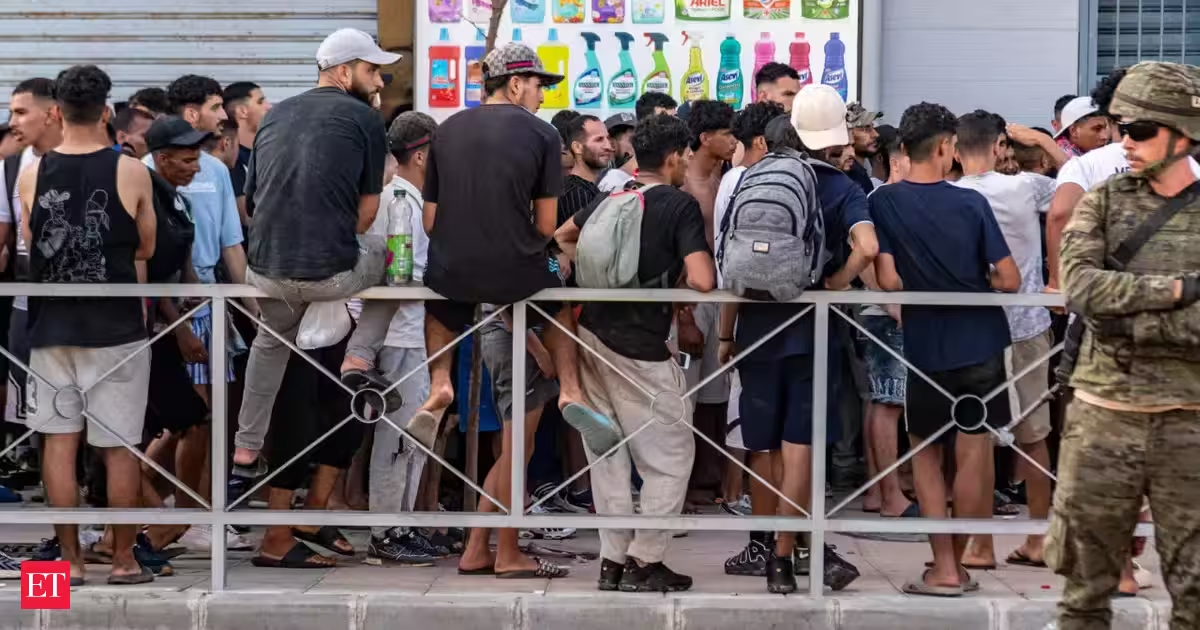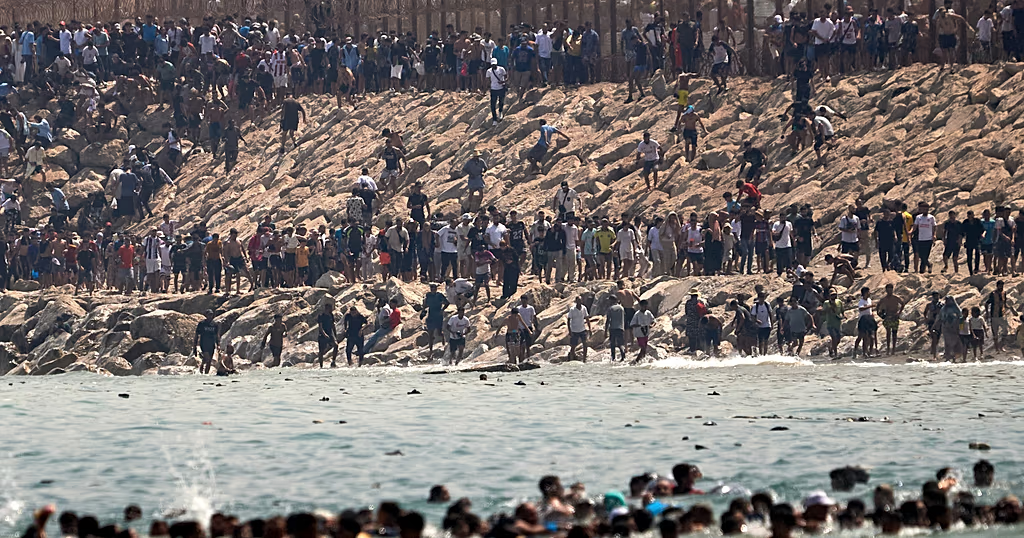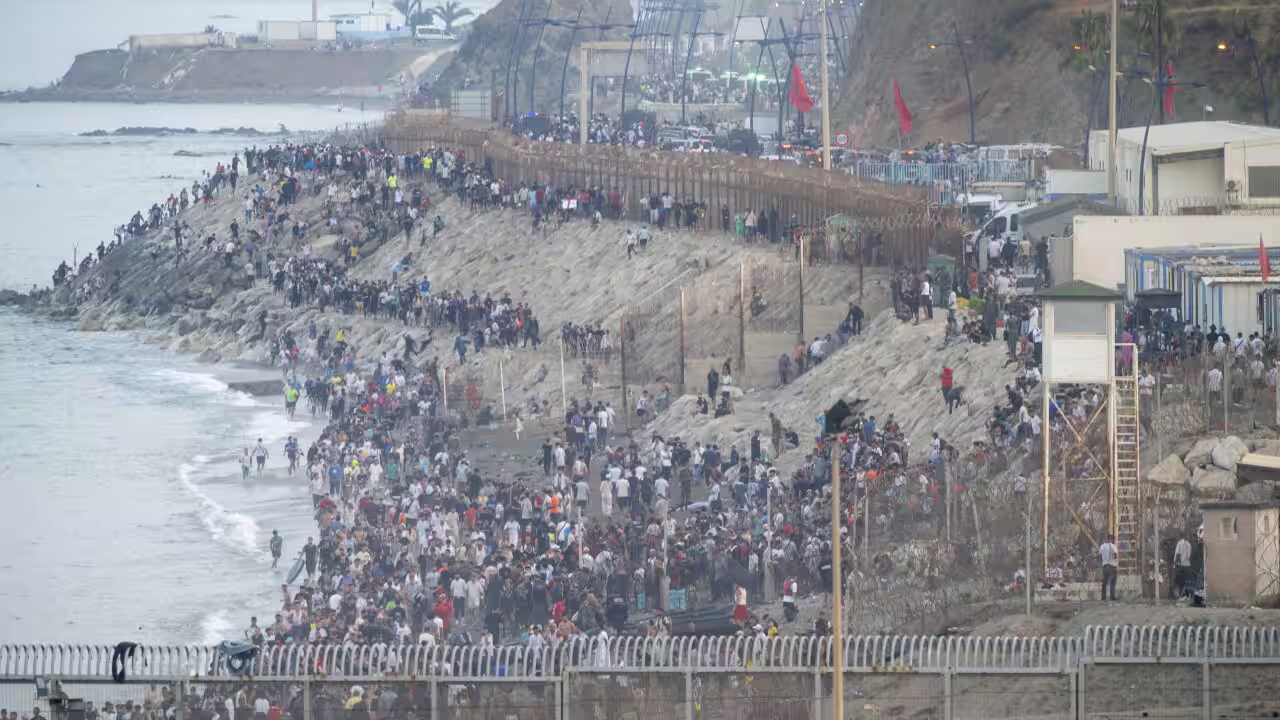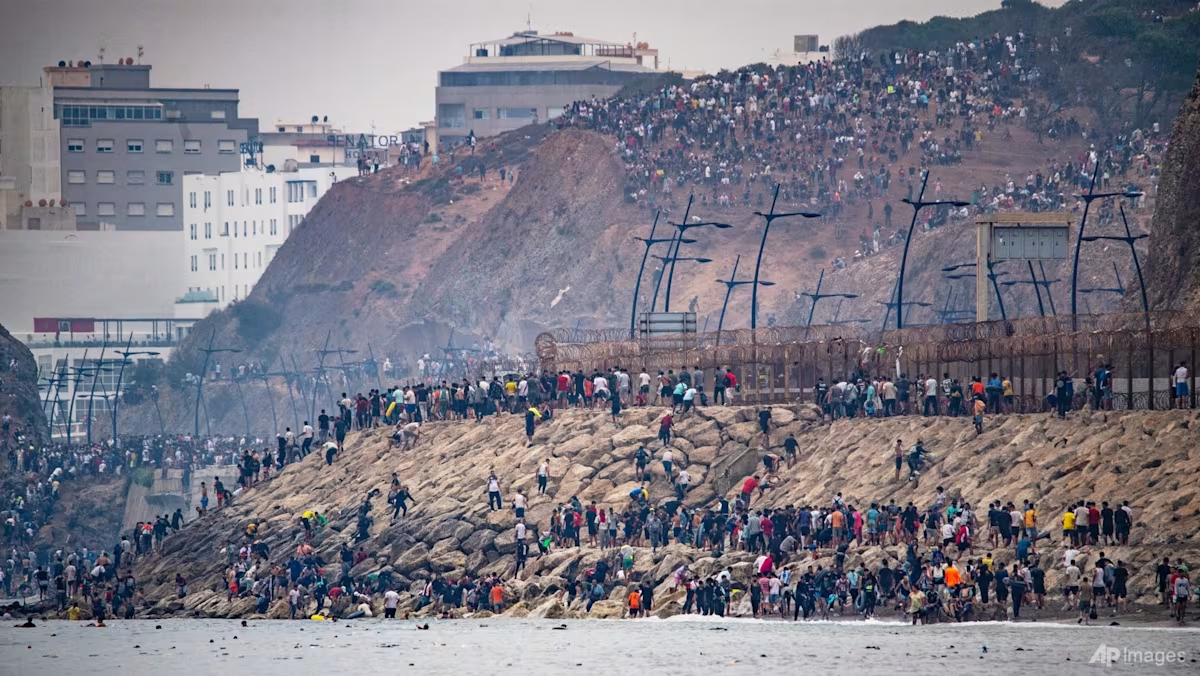
Migrants return to Morocco from the Spanish enclave of Ceuta, on Jul 31, 2026. (Photo: AP/Antonio Sempere)
31 Jul 2026 09:32PM
(Updated: 31 Jul 2026 09:34PM)
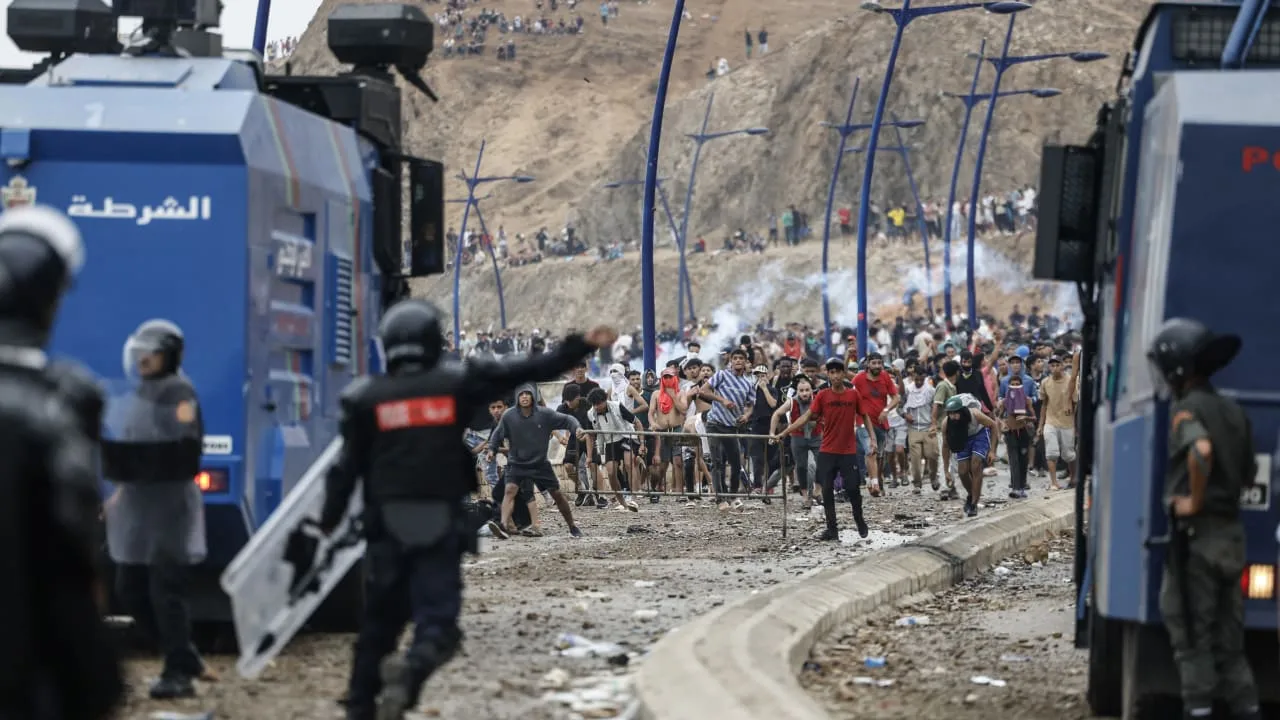
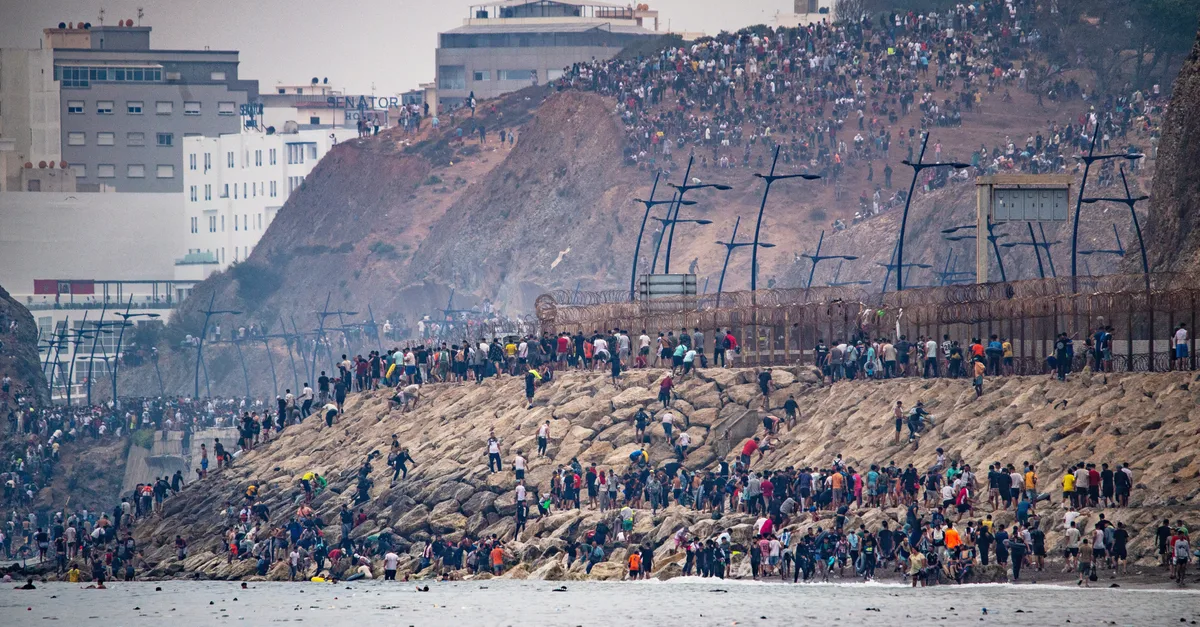
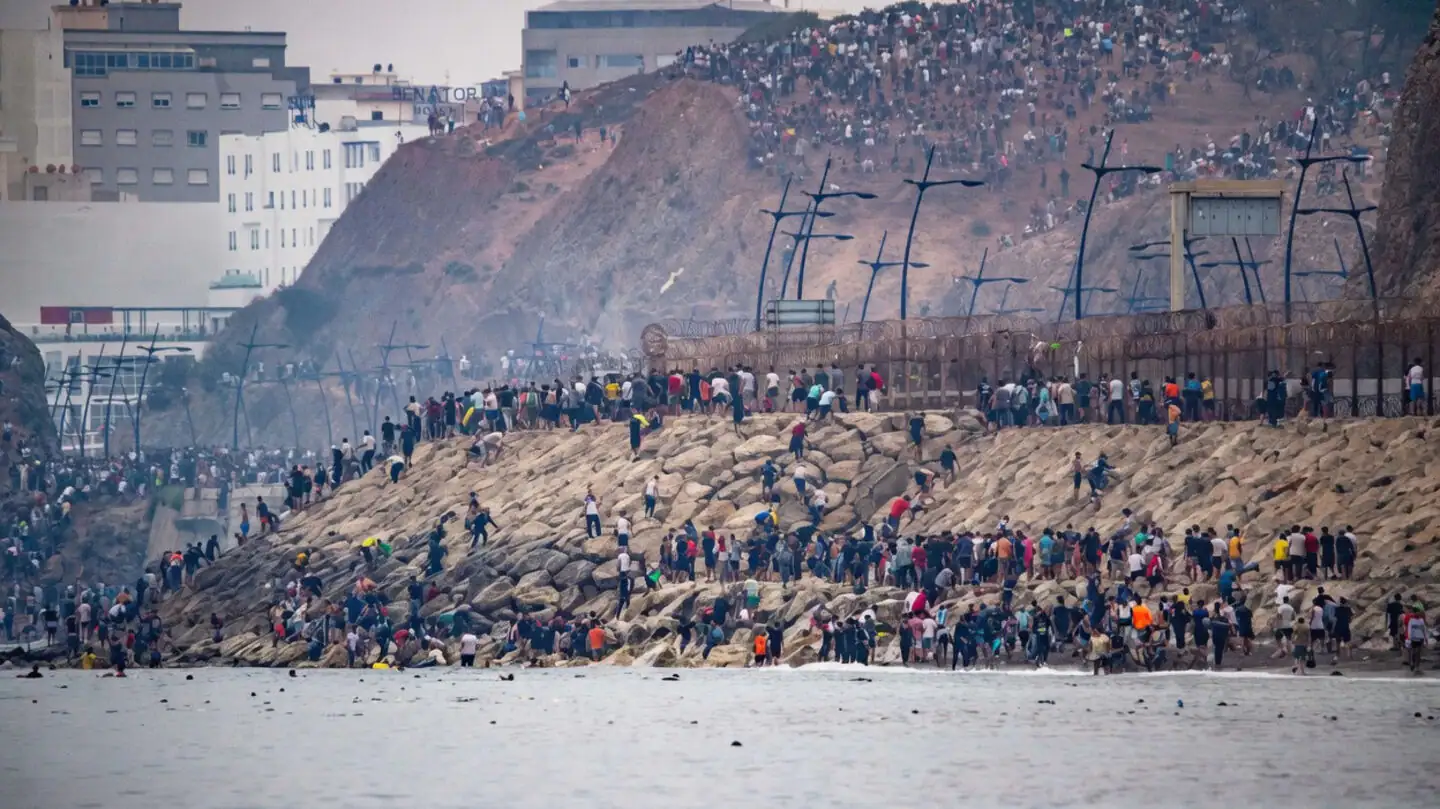
CEUTA: Spain said on Friday (Jul 31) that it had reversed a huge rush of migrants into a Spanish enclave in North Africa, with thousands of people who had crossed the border by land and sea already heading back voluntarily.Moroccan forces beat back crowds with batons and tear gas at the gates to Ceuta, trying to prevent more from storming across into the tiny Spanish territory that juts on a spit of sandy land into the Mediterranean from Morocco.Spain's Interior Ministry said around 50,000 people had crossed the border since Thursday morning, and estimated that around 25,000 had already turned and gone back.Juan Jesus Vivas, head of Ceuta's local government, said as many as 60,000 people had pushed across and 34 had died. Earlier, Spanish authorities had said 19 bodies were found in the water.
The mass storm of the border caused division in Europe, where leaders of fellow EU states called for Spain to ensure that the incident was contained. Right-wing parties around the continent blamed the incident on Spain's comparatively lax migration policies, including an amnesty granted to hundreds of thousands of unauthorised migrants this year.France said it was increasing checks on its border with Spain, and Italy threatened to suspend Spain from the EU's internal open-border scheme.Reuters at the enclave's border saw Moroccan police in riot gear using tear gas to disperse some of the people amassed near the fences. Water cannon trucks were deployed and the charred remains of a bus and seven cars could be seen from clashes with the crowds.On the other side, Spanish military vehicles lined up along sections of the border as dozens of migrants watched from a hilltop in Morocco, unable to cross.Several hundred people could be seen returning to Morocco through border posts and holes in the fence, with some saying they could not find food or shelter in Ceuta."Honestly, I don't even know why I came, and now I'm going back," a young Moroccan man, who said he was from Tangier, told Reuters. "I haven't eaten since lunch yesterday, even though I brought some money with me ... What we're doing is neither good nor enjoyable."