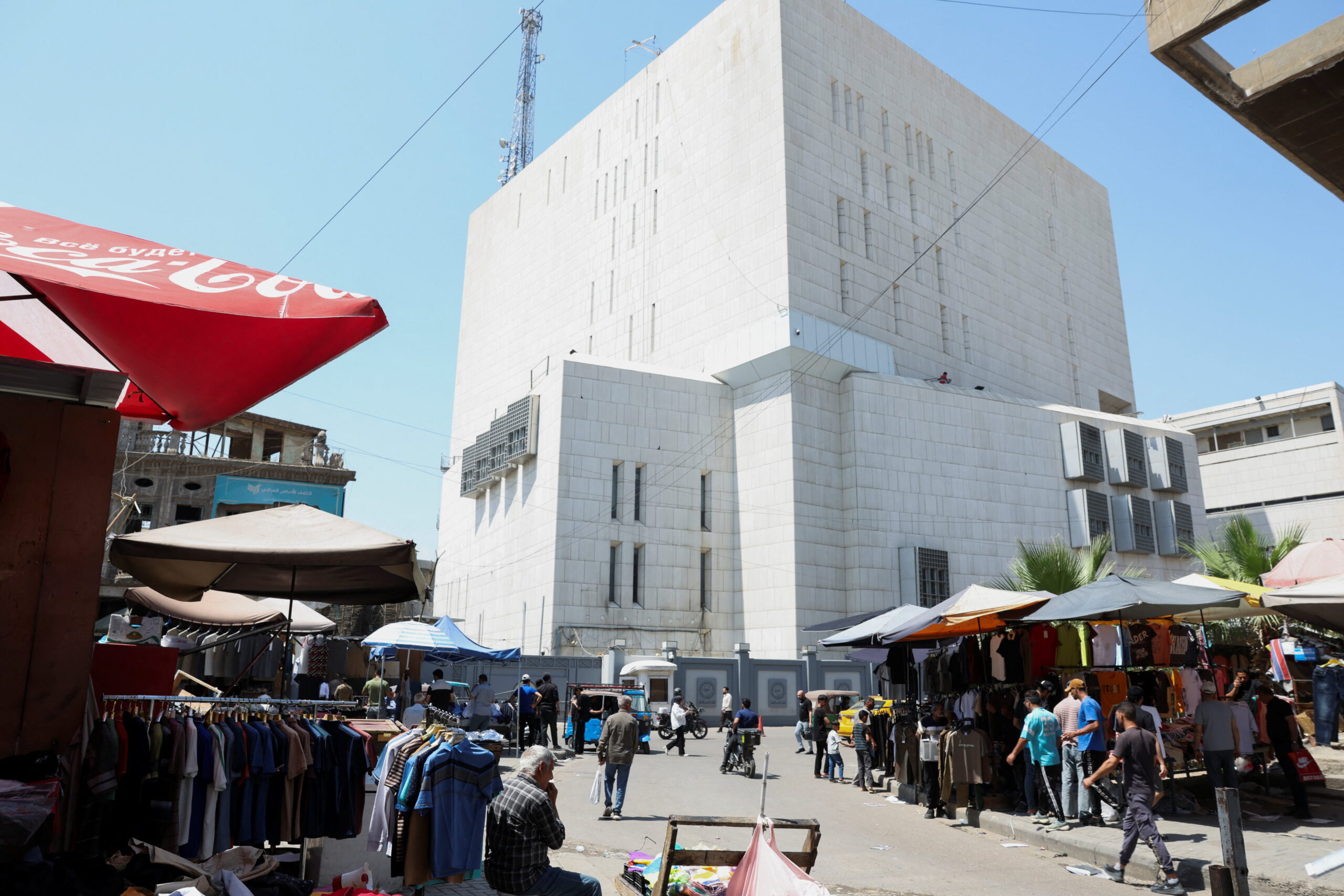
As the Iran war ramped up, it was reported that the United States halted dollar cash shipments to Iraq for about three months, before resuming them in early July. The international media coverage of both the halt and the resumption, however, reflected persistent misconceptions about Iraq’s dollar accounts at the Federal Reserve Bank of New York (FRBNY).
One misconception is that the halt deprived the Iraqi government of its own oil revenues held at the FRBNY, leaving it struggling to pay public sector salaries and pensions. Another is that the shipments are needed to keep Iraq’s dollar-dependent economy running or to maintain the peg of the Iraqi dinar to the dollar.
These misconceptions have their roots in the economic and financial chaos that followed the 2003 US invasion of Iraq. Yet they have persisted for years, even as the country’s economy has evolved since then. In fact, Iraq has been moving toward a more formal banking system and away from the cash-based informality that once dominated its economy—a shift that has accelerated since late 2022.
A molehill of a problem
Iraq’s dollar accounts at the FRBNY are essentially two distinct and structurally different accounts; yet they are linked through the conversion of Iraq’s dollar oil revenues to Iraqi dinars. The first is where Iraq’s oil export revenues are deposited. The second is the CBI’s foreign reserves account, which is where the dollars used for cash shipments come from. The CBI withdraws cash dollars from this account and has them flown in regular shipments throughout the year to Iraq, where they are stored in its vaults and later exchanged for dinars to meet demand for cash dollars.