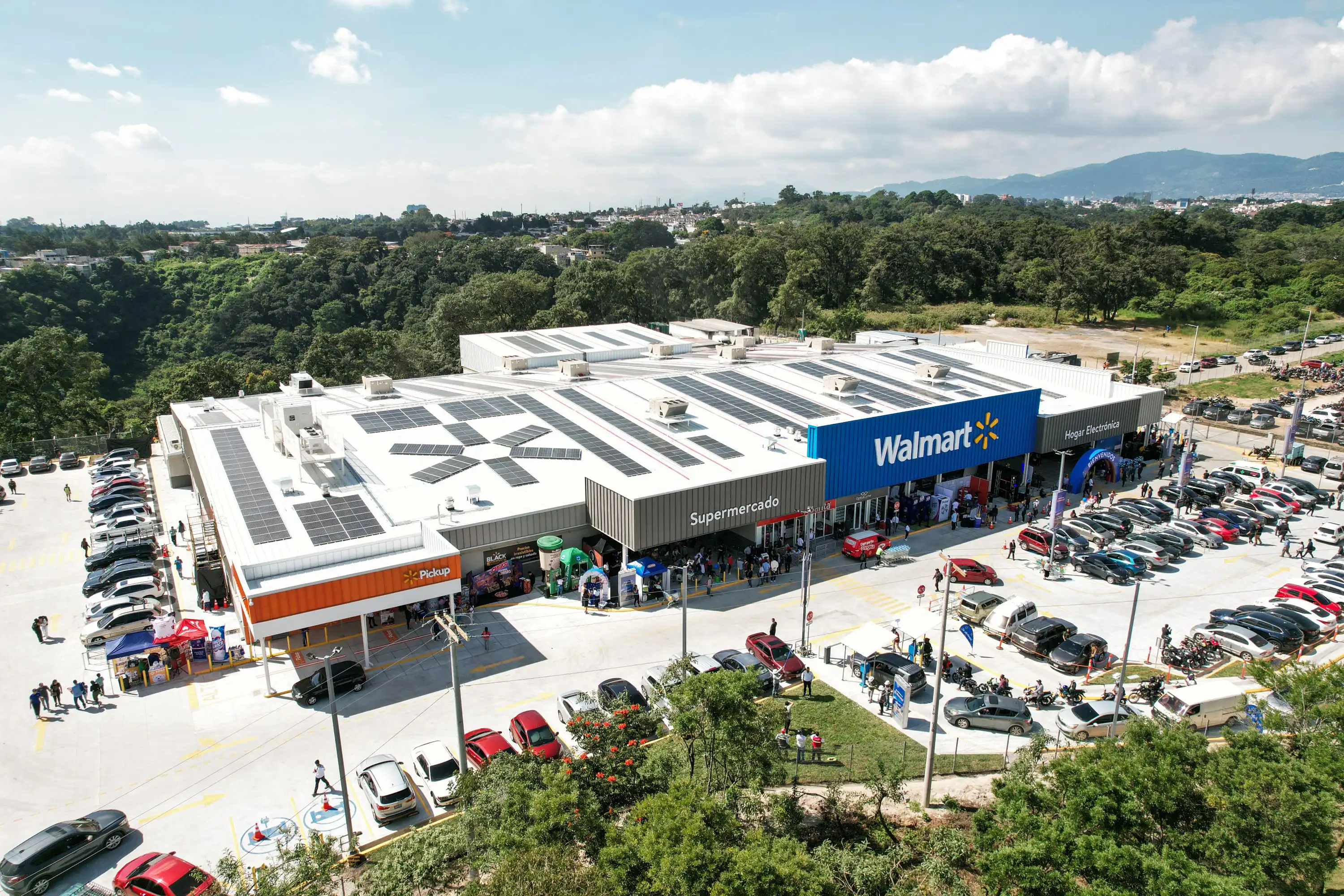
Each week, Walmart serves around 280 million customers across more than 10,900 stores. As one of the world’s biggest retailers, it has significant influence over energy use, procurement decisions and emissions across the wider value chain.
Its FY2026 ESG Report shows how sustainability is now embedded in Walmart’s operating model, shaping energy sourcing, supplier expectations, manufacturing, technology and sustainable investment.
The company is combining renewable energy purchases, supplier collaboration and digital innovation with programmes aimed at improving social and environmental outcomes across its global network.
Walmart's ESG Report places sustainability alongside opportunity, community and ethics as one of the four pillars in its shared value strategy, showing that environmental performance is treated as part of long-term business growth rather than a side objective.
The retailer generated US$713.2bn in revenue while operating more than 10,900 stores and eCommerce platforms across 19 countries, supported by around 2.1 million associates. That scale means changes in electricity sourcing, logistics and supplier performance can have an outsized impact on both emissions and energy demand.