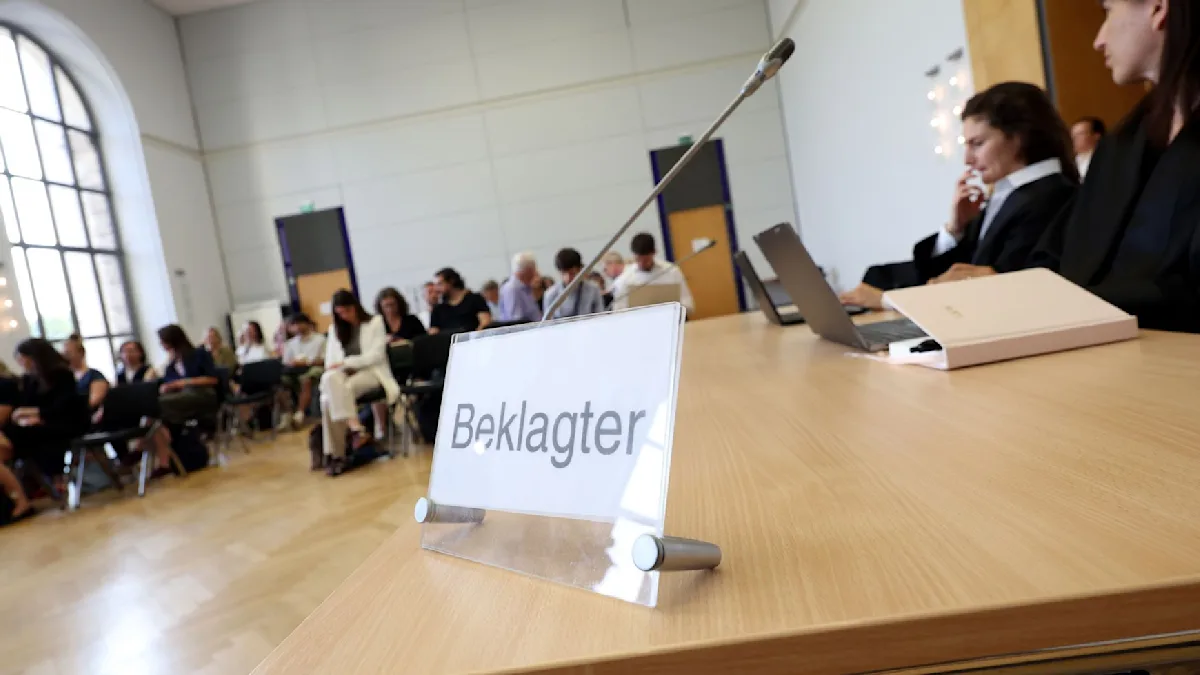
The Munich Regional Court ruled that Suno trained on GEMA-represented songs without permission and reproduced them, in one of Europe’s first binding decisions on AI-generated music.
German court has ruled that Suno, one of the world’s most popular AI music generators, broke copyright law by training on protected songs without permission, in one of Europe’s first binding decisions on AI-made music.
The Munich Regional Court found on 31 July that Suno had no right to process the work of artists represented by GEMA, Germany’s state-mandated licensing body, after evidence that its system had memorised and reproduced their songs.
The case cuts to the heart of how such tools are built, given earlier reporting that Suno was trained on more than two million scraped songs.
GEMA’s argument was visual and hard to dismiss. In court, it played side-by-side comparisons of Suno’s output and famous tracks, arguing the AI reproduced recognisable melodies, harmonies, and rhythms from the originals.