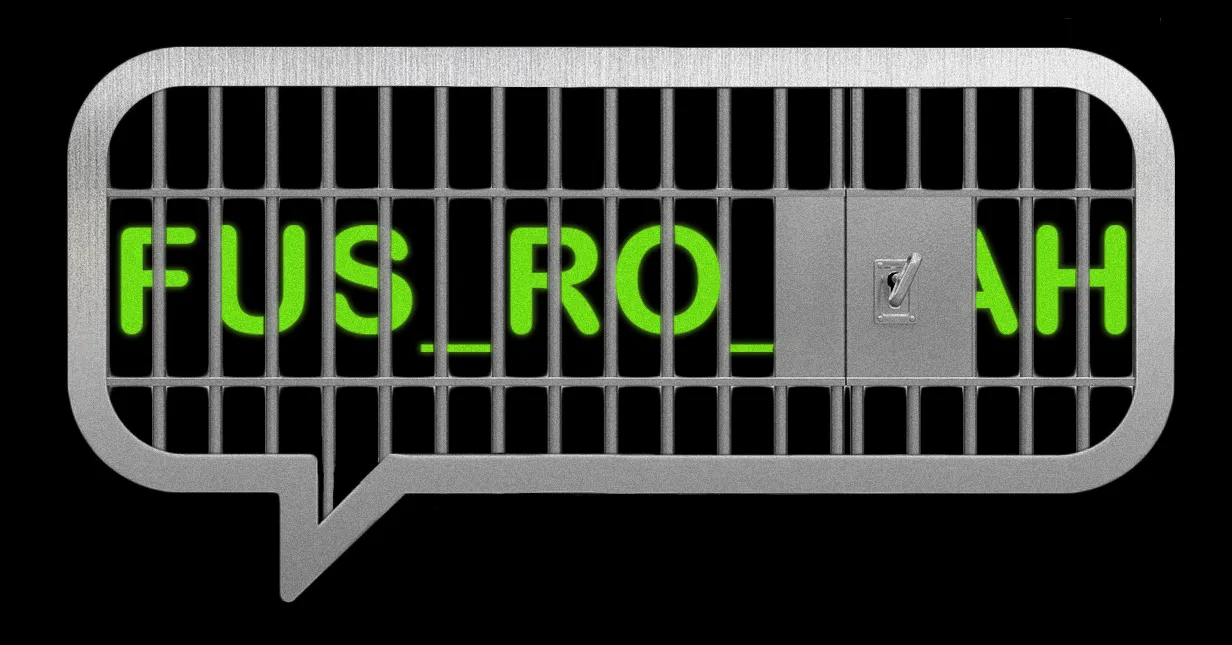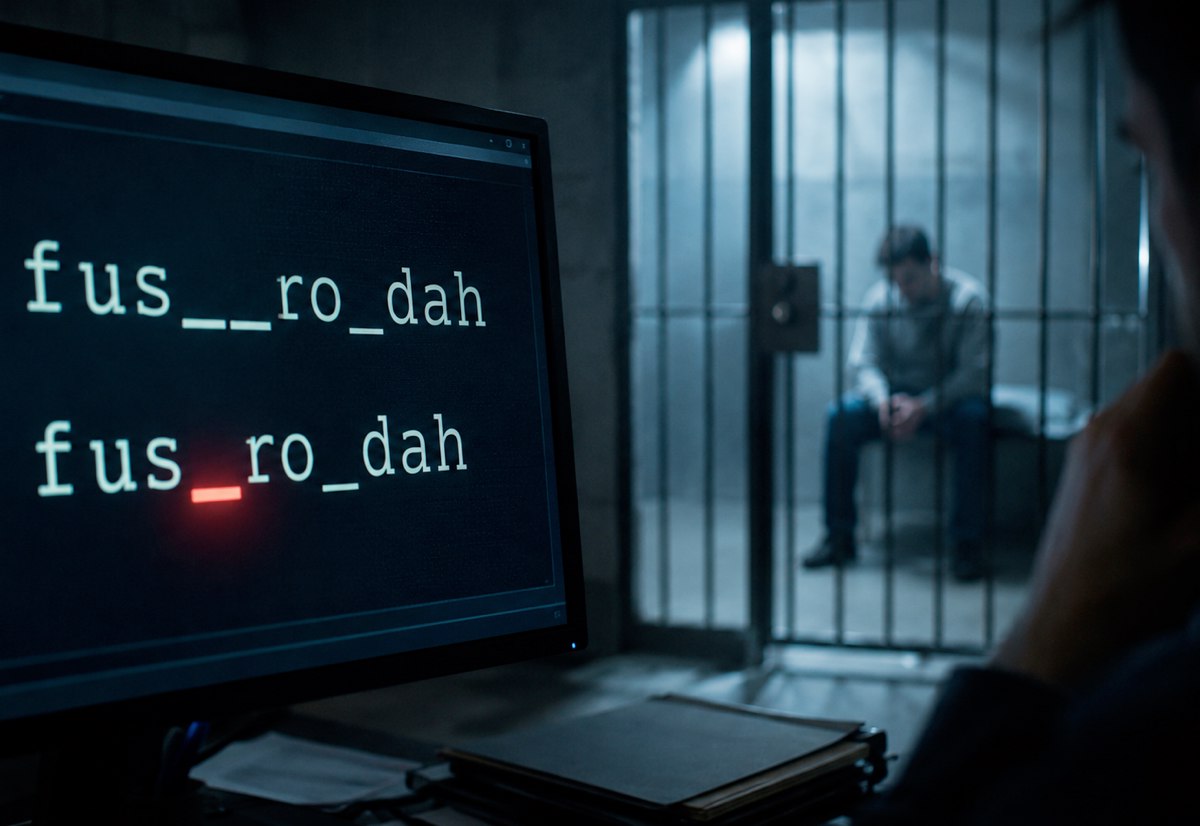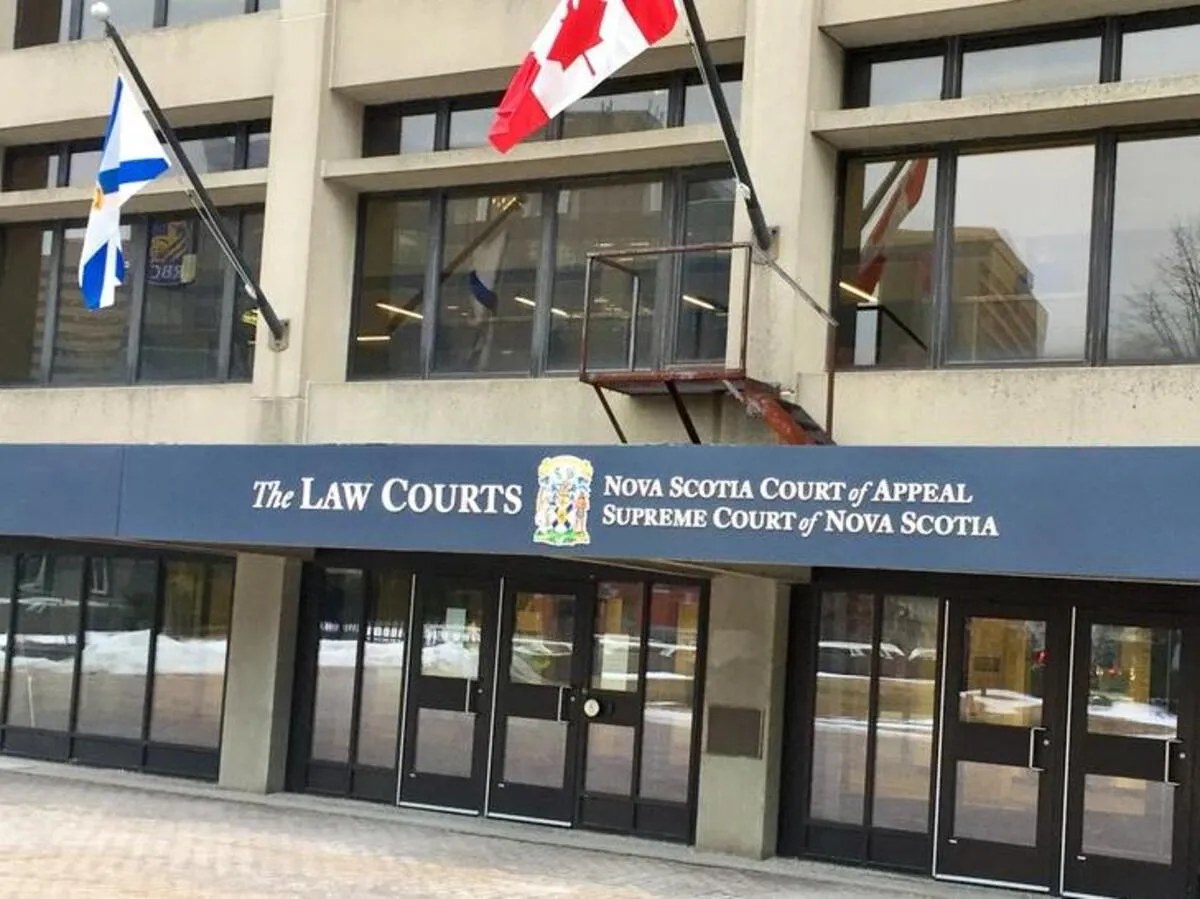
Skip to Content Subscribe Our Offers My Account Manage My Subscriptions FAQ Newsletters Canada Canadian True Crime Canadian Politics Health World Israel & Middle East Financial Post NP Comment Longreads Puzzmo Diversions Comics NP News Quiz New York Times Crossword Horoscopes Life Eating & Drinking Style Sponsored Play for Ontario Travel Travel Canada Travel USA Travel International Cruises Travel Essentials Culture Books Celebrity Movies Music Theatre Television Business Essentials Advice Lives Told Tails Told Shopping Buy Canadian Home Living Outdoor Living Kitchen & Dining Tech Style & Beauty Personal Care Entertainment & Hobbies Gift Guide Travel Guide Amazon Prime Day Deals Savings National Post Store More Sports Hockey Baseball Basketball Football Soccer Golf Tennis Driving Vehicle Research Reviews News Gear Guide Obituaries Place an Obituary Place an In Memoriam Classifieds Place an Ad Celebrations Working Business Ads Archives Healthing Epaper Manage Print Subscription Profile Settings My Subscriptions Saved Articles My Offers Newsletters Customer Service FAQ Newsletters Canada World Financial Post NP Comment Longreads Puzzmo Diversions Life Shopping Epaper Manage Print Subscription HomeNewsCanadaHis online username was one character different from an alleged predator. He went to jail for itBrandon Klayme of Dartmouth, N.S., spent 18 months in jail for a sex crime he didn't commit, after police mistook his online name for one with an extra underscoreLast updated 34 minutes ago You can save this article by registering for free here. Or sign-in if you have an account.The Nova Scotia Court of Appeal in Halifax. Photo by PostmediaA Nova Scotia man who spent 18 months in jail for allegedly “grooming” and sending sexually explicit material to a 12-year-old girl has had his conviction overturned. This after it was revealed that a mixup in his online username — an extra underscore in a string of characters — was the only reason he had become a suspect.Enjoy the latest local, national and international news.Exclusive articles by Conrad Black, Barbara Kay and others. Plus, special edition NP Platformed and First Reading newsletters and virtual events.Unlimited online access to National Post.National Post ePaper, an electronic replica of the print edition to view on any device, share and comment on.Daily puzzles including the New York Times Crossword.Support local journalism.Enjoy the latest local, national and international news.Exclusive articles by Conrad Black, Barbara Kay and others. Plus, special edition NP Platformed and First Reading newsletters and virtual events.Unlimited online access to National Post.National Post ePaper, an electronic replica of the print edition to view on any device, share and comment on.Daily puzzles including the New York Times Crossword.Support local journalism.Create an account or sign in to continue with your reading experience.Access articles from across Canada with one account.Share your thoughts and join the conversation in the comments.Enjoy additional articles per month.Get email updates from your favourite authors.Create an account or sign in to continue with your reading experience.Access articles from across Canada with one accountShare your thoughts and join the conversation in the commentsEnjoy additional articles per monthGet email updates from your favourite authorsSign In or Create an AccountorBrandon Klayme, 30, of Dartmouth, N.S., had registered the username “fus_ro_dah” on the messaging app Kik more than a decade ago. The term is a reference to a fictional language in the 2011 video game The Elder Scrolls V: Skyrim. It translates as “force, balance, push.”The legal mixup came years later, when the Dane County Sheriff’s Office in Wisconsin was investigating a case in which someone had used the app in 2018 to send sexually explicit material to a 12-year-old girl there. The username on those messages was “fus__ro_dah” — identical except for an extra underscore between “fus” and “ro.”Get a dash of perspective along with the trending news of the day in a very readable format.By signing up you consent to receive the above newsletter from Postmedia Network Inc.A welcome email is on its way. If you don't see it, please check your junk folder.The next issue of NP Posted will soon be in your inbox.We encountered an issue signing you up. Please try againThe “fus__ro_dah” name belonged to a Kik user in California. But “fus_ro_dah” belonged to Klayme, who later said he hadn’t even used the app since 2012. Wisconsin authorities turned the case over to Halifax Police Services, who conducted a search of Klayme’s home on Feb. 5, 2021.Several electronic devices were seized. No evidence was found on them. However, Klayme was arrested and charged with three child pornography related offences, and a trial took place in April 2023. The Kik logo is displayed on an Apple iPhone in an arranged photograph taken in Arlington, Virginia, on June 7, 2019. Photo by Andrew Harrer /BloombergIt was alleged that he had contacted the victim through Kik and that “many messages of a very clear and very suggestive sexual nature were sent” by him to the victim. She told police that in video conversations, “he had the camera focused on his exposed penis.”In a victim impact statement, she said that, as a result of the crime, “she spent two weeks in a psychiatric hospital because of being a ‘flight risk’ and a risk of taking her own life.”Additionally, she suffered from depression, anxiety, attachment, trust and boundary issues coupled with flashbacks, paranoia, trouble sleeping and unbearable amounts of guilt as a direct result of this crime.“She has tried to take her life on numerous occasions since this incident because of the lasting aftereffects of the trauma that it has caused,” court documents said.Klayme’s sentencing noted that a police officer found, “during her interview with Mr. Klayme, he presented as being polite, respectful, and cooperative, but took no responsibility and maintained that he was innocent and repeatedly cited that his ’email account had been hacked.'”Additionally, the ruling overturning his conviction notes: “The search confirmed Mr. Klayme had a Kik account but no evidence was found linking Mr. Klayme to (the victim), the Kik conversations, or the intimate images exchanged between (victim and perpetrator). Nor was there evidence found of any Kik account activity by Mr. Klayme during the time frame of the offences.”Nevertheless, Klayme was sentenced to 18 months, although the Crown had asked for a much harsher sentence.In his Jan. 5, 2024 ruling, Judge Theodore Tax wrote: “Mr. Klayme committed a series of very serious sexual offences which involved his ‘grooming’ and manipulation of a vulnerable 12-year-old girl in a ‘dominant/submissive relationship’ to virtually demand, from another country that (the victim) expose her body and do certain things while they were communicating by video or to send sexually explicit photos to him through her iPhone for his own sexual gratification.”The judge also mentioned “the aspect of deceit where he could hide his identity by a false name, over the Internet.”However, he also noted that Klayme was “a youthful first-time offender” with no prior criminal record and “positive community support from his parents and siblings,” leading to the relatively short sentence.The decision to overturn the conviction was handed down this month by the Nova Scotia Court of Appeal, although Klayme had already served his sentence and was out on probation. Brandon Klayme spent 18 months in prison and was out on parole when his conviction was overturned. Photo by Stuart Davis /PostmediaIt references an affidavit filed by Klayme, in which he writes: “In the latter stages of preparing my appeal arguments, it was discovered that the subpoena contained a subtle mistake that changed the course of my life. Instead of requesting details for the username ‘fus__ro_da,’ the subpoena requested details for the username ‘fus_ro_dah.'”It adds: “The police officer did not notice that the perpetrator’s Kik username ‘fus__ro_dah’ contains a double underscore. This discrepancy went completely unnoticed at the trial. It was never brought to the attention of the trial judge.”Klayme’s lawyer, Zeb Brown, told National Post that he had noticed the discrepancy while preparing a written submission. “Up to that point, we were basing the appeal on the trial judge’s failure to address exculpatory evidence which made it an unsafe conviction,” he said.The Crown conceded that if the correct username had been used, it would have identified an individual whose first name is Jay and whose IP address is in California.The ruling adds: “The Wisconsin police identified Mr. Klayme as the offender using an incorrect username. His conviction rested on the internet username being attributed to him.”It concludes: “The evidence was cogent and credible, showing that the correct username would have led to a different individual in California. The Court found that the appellant was factually innocent and should not have been charged or convicted. The appeal was allowed, and an acquittal was entered on all charges.”In a statement to National Post, the Halifax Regional Police said: “This was a complex investigation as it began with a police agency in Wisconsin before the support of the Halifax Regional Police was requested. In light of the court’s recent decision, we are committed to reviewing this file and our role in the outcome.”National Post has reached out to the Dane County Sheriff’s Office for more information. A spokeswoman for the office told The New York Times this week that they did not have a record of the case.Klayme’s lawyer said his client is exploring his options in regard to reparations for his time in prison. He added that given the time that has passed, “it may no longer be possible to follow the electronic trail to the person who actually committed the offences.”Our website is the place for the latest breaking news, exclusive scoops, longreads and provocative commentary. Please bookmark nationalpost.com and sign up for our newsletters here. Join the Conversation This website uses cookies to personalize your content (including ads), and allows us to analyze our traffic. Read more about cookies here. By continuing to use our site, you agree to our Terms of Use and Privacy Policy.
His online username was one character different from an alleged predator. He went to jail for it
Brandon Klayme of Nova Scotia spent 18 months in jail for a sex crime after police mistook his online name for one with an extra underscore.
1,627 words~7 min read