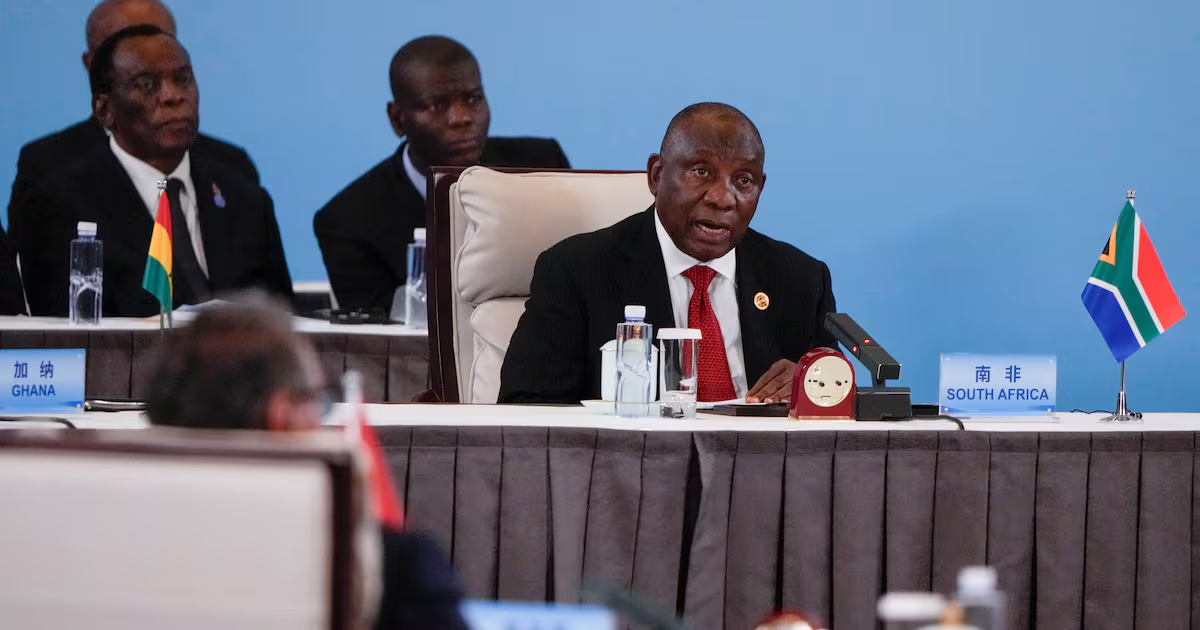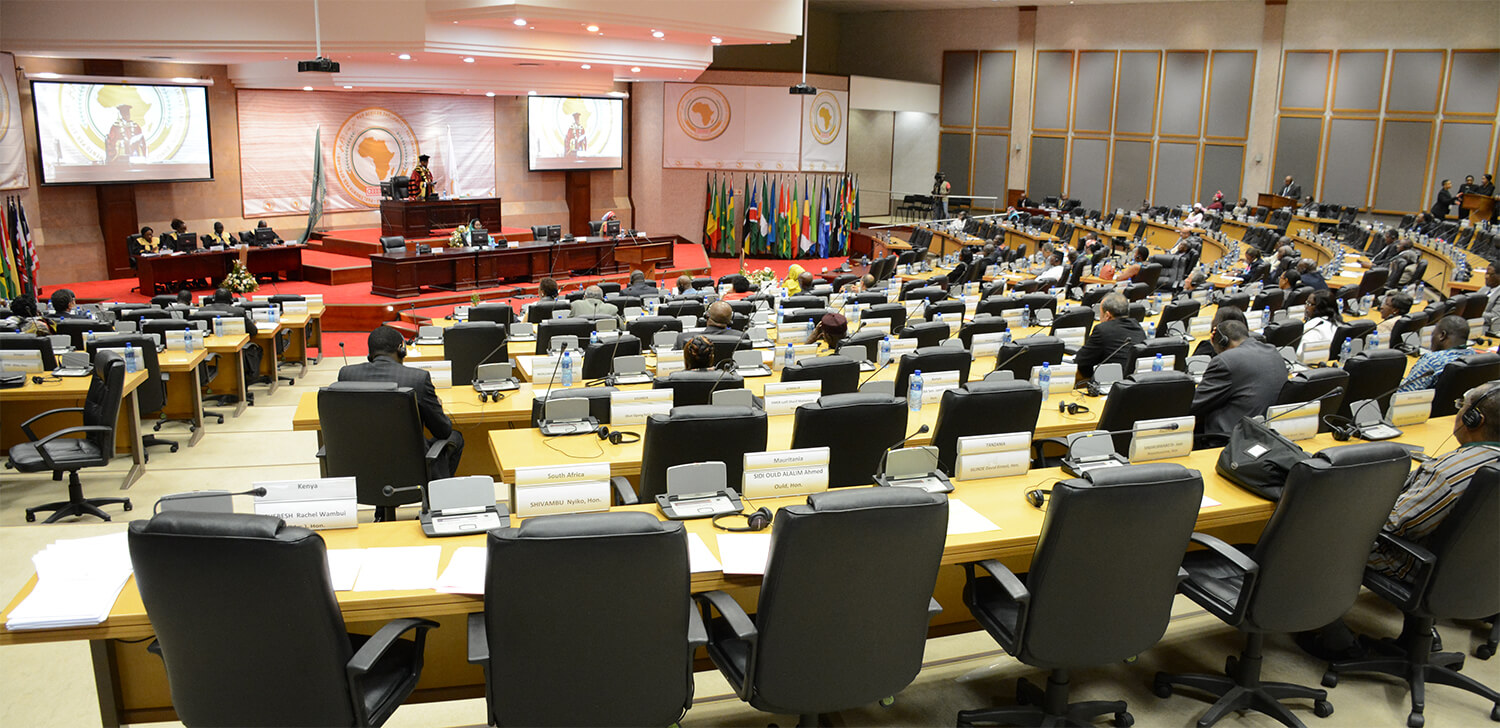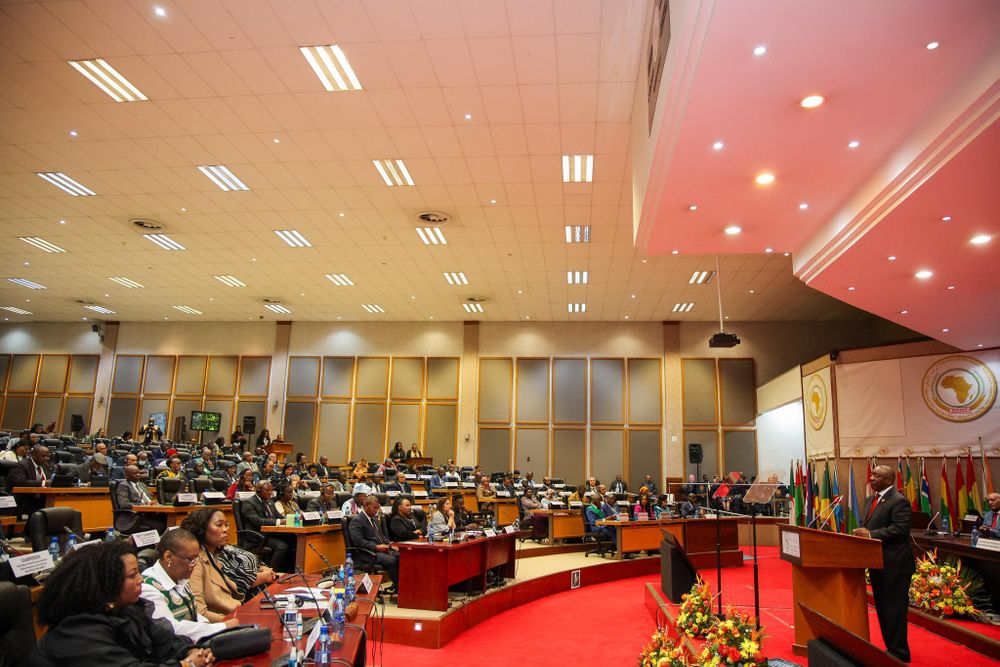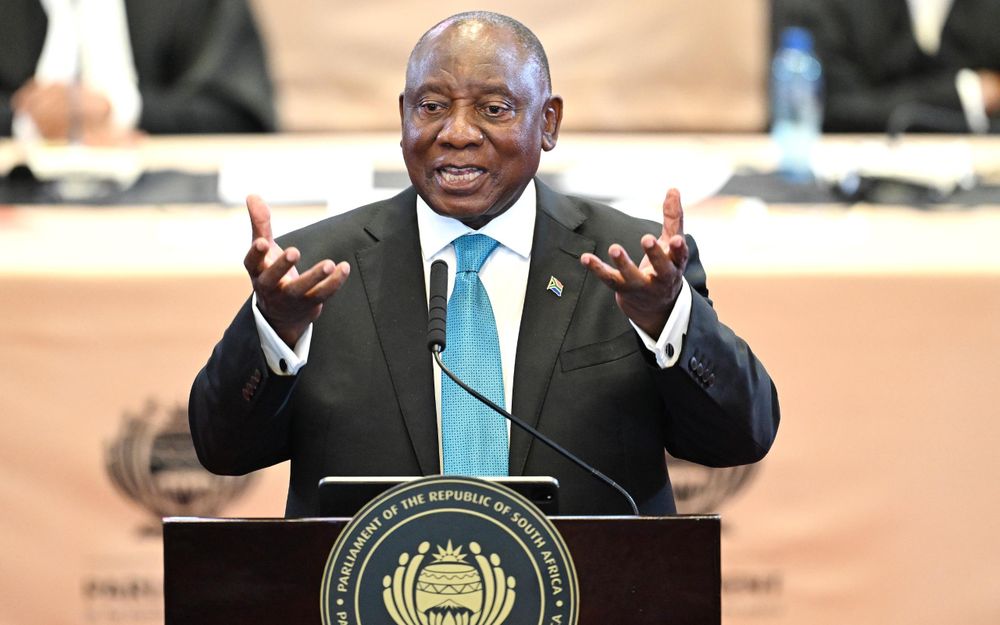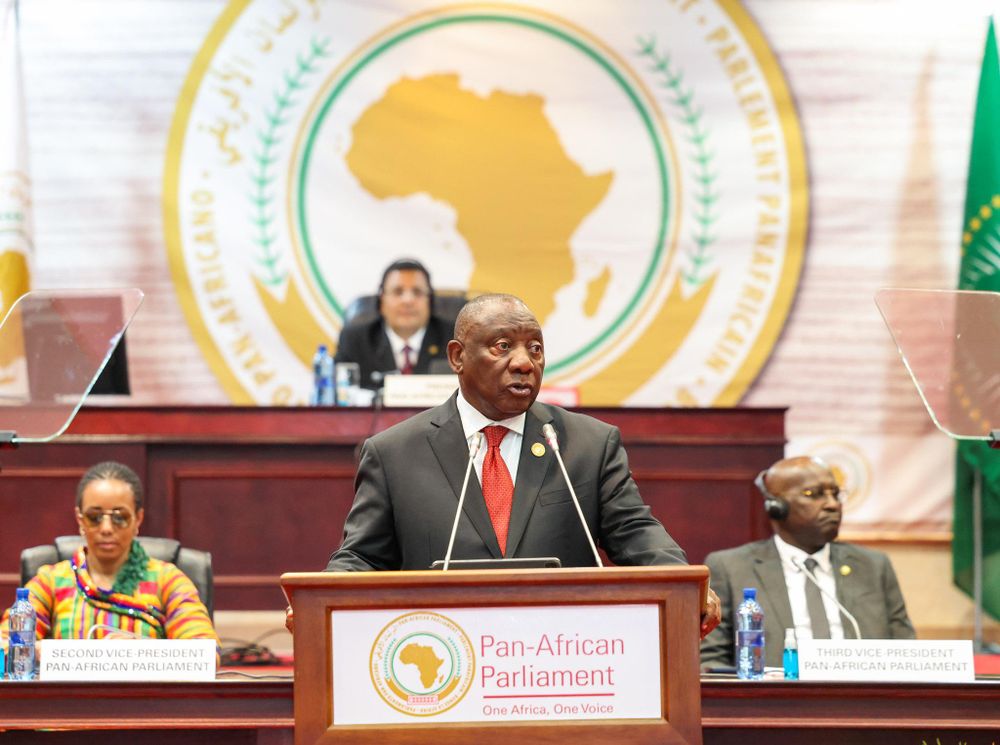
President Cyril Ramaphosa delivers the keynote address Opening of the First Ordinary Session of the Seventh Parliament of the Pan-African Parliament held at its headquarters in Midrand, Gauteng on July 27. The Session is held under the African Union's 2026 Theme: "Assuring Sustainable Water Availability and Safe Sanitation Systems to Achieve the Goals of Agenda 2063."
Kim Heller
When President Cyril Ramaphosa opened the First Ordinary Session of the Seventh Legislature of the Pan-African Parliament (PAP) in Midrand this week, he spoke of an institution that "carries the hopes and aspirations of more than 1.5 billion Africans for peace, progress and prosperity across our beloved continent."
He described it as "an enduring symbol of unity in diversity" and a vital democratic forum through which Africa's people, and not only its governments, can shape the continent's future. Lyrical words indeed.
Yet today the PAP remains one of the continent's greatest unfinished democratic projects. More than twenty years after its inauguration in Addis Ababa, it is still a parliament without legislative power. It debates. It scrutinises. It produces astute reports, model laws and carefully prepared resolutions.