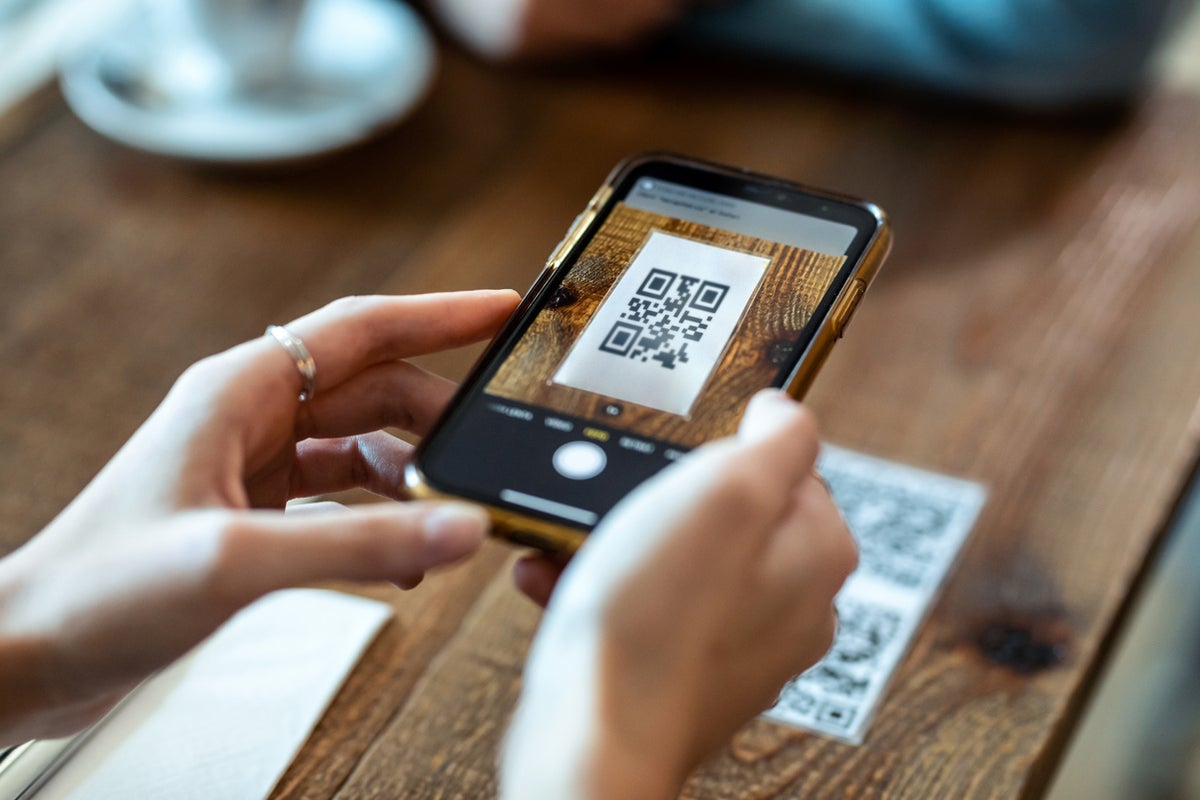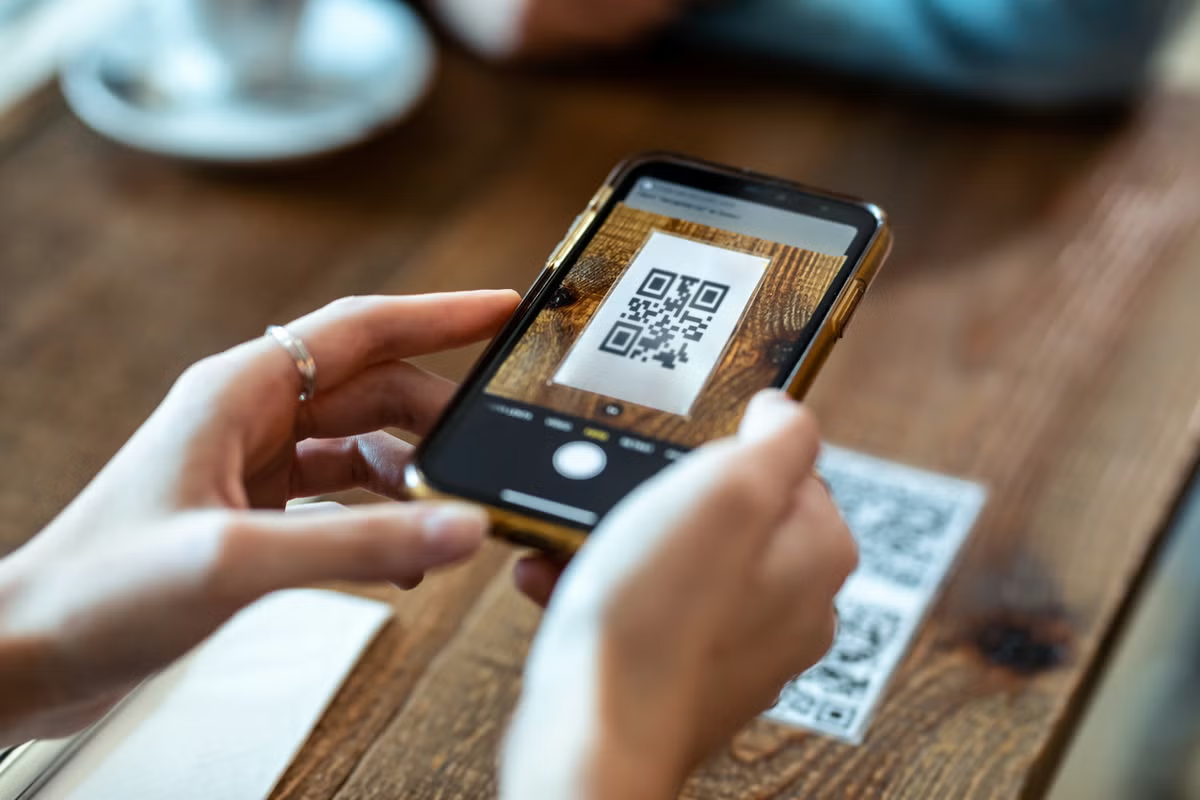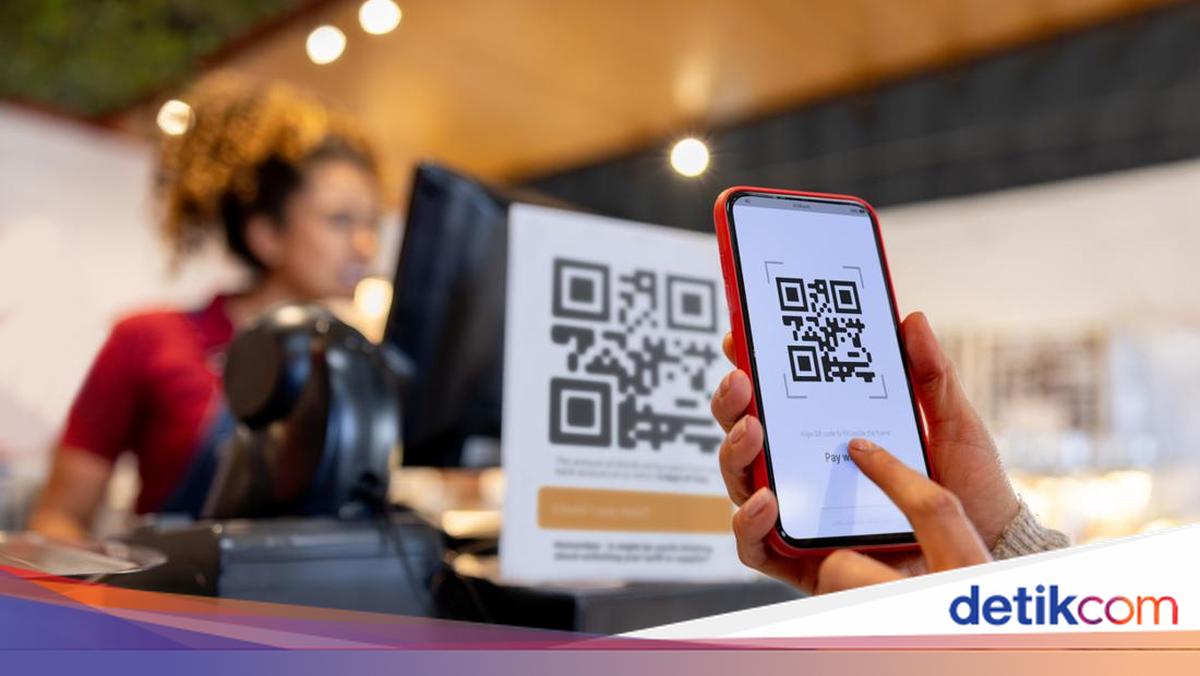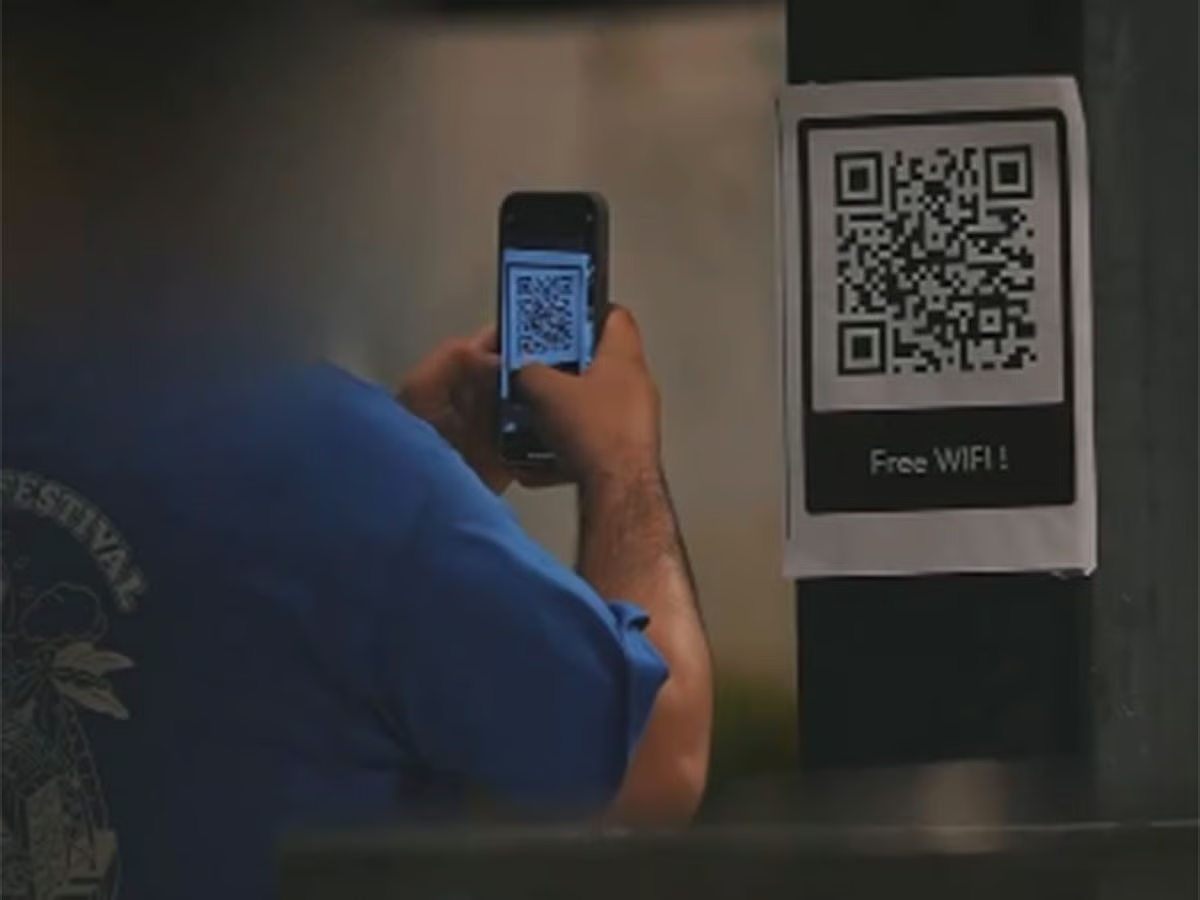
Police warn that scammers place fake QR codes in public spaces to trick victimsLast updated: July 31, 2026 | 13:162 MIN READBefore scanning any QR code, make sure you know its source. Photo for illustrative purposes onlyInstagram / shjpoliceDubai: Whether you're paying for parking, scanning a restaurant menu, or making a digital payment, chances are you've used a QR code without giving it much thought. That convenience is exactly what scammers are counting on.The Philippine National Police Aviation Security Group has warned that cybercriminals have been increasingly using fake QR codes to trick people into handing over sensitive information, including banking details, personal data, and access to online accounts. In an advisory, the agency has reminded that while QR codes are designed to make everyday transactions faster and easier, they can also become a tool for fraud if users are not careful.Get updated faster and for FREE: Download the Gulf News app now - simply click here.How the scam worksThe scam begins with a fake QR code. Fraudsters either place counterfeit QR codes in public places or send them through online channels, making them appear legitimate. An unsuspecting user scans the code, expecting it to lead to a payment page, website, or digital service. Instead, the QR code redirects the user to a fake website or a malicious link. From there, victims may be tricked into entering personal information or login credentials, allowing scammers to steal money, sensitive data, or gain access to online accounts.Why it's easy to fall forQR codes have become a routine part of daily life, which means most people scan them without a second thought.Because the destination is hidden until the code has been scanned, users may not immediately realise they are being redirected to a fraudulent website. By the time they notice something is wrong, their information may already have been compromised.This is why authorities have urged the public to treat every unexpected QR code with caution, particularly those received from unknown sources or found in places where they seem out of place.How to protect yourselfAccording to the advisory, the public should scan QR codes only when they come from trusted and official sources. Before proceeding, users should take a moment to check the web address and make sure it does not contain suspicious or unusual spelling.Moreover, authorities have advised against scanning QR codes sent by unknown individuals or those displayed on unofficial posters or emails. Using secure applications with built-in QR code scanning protection can provide an additional layer of security.If a QR code appears suspicious or seems to have been tampered with, officials have encouraged reporting it to the relevant authorities instead of scanning it.Think before you scanMeanwhile, the group has stressed that QR codes remain a safe and convenient tool when used correctly. However, as cybercriminals continue to develop new ways to target victims, a moment of caution before scanning can help prevent loss.“Think before you scan! One quick scan can lead to financial loss or identity theft. Stay alert, verify first, and protect yourself from cybercriminals,” read the advisory.“Be alert. Be aware. Don't be a victim. When in doubt, don't scan!”Also In This PackageTricia is a reporter and anchor whose work focuses on people, policy, expatriate communities, and Filipinos at home and abroad. Her reporting spans national affairs, overseas Filipinos, and major developments across the Middle East. She holds a degree in Broadcasting and has contributed to leading media organisations. With experience across television, print, and digital platforms, Tricia continues to develop a clear, credible voice in a rapidly evolving global media landscape.Related Topics:Get Updates on Topics You ChooseUp Next
Philippines QR code scams: How to spot fake codes and protect your data
Philippine police warn of rising QR code scams. Find out how fraudsters trick users and the steps you can take to keep your money and data safe.
599 words~3 min read