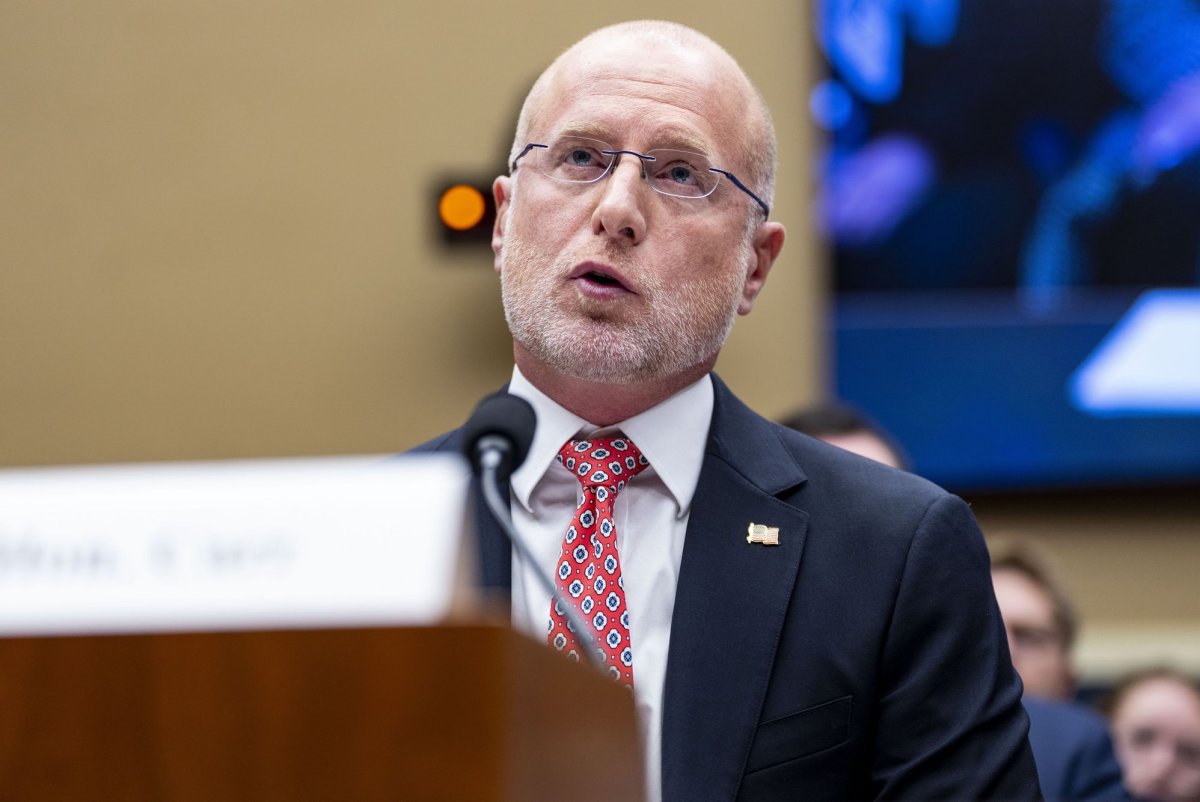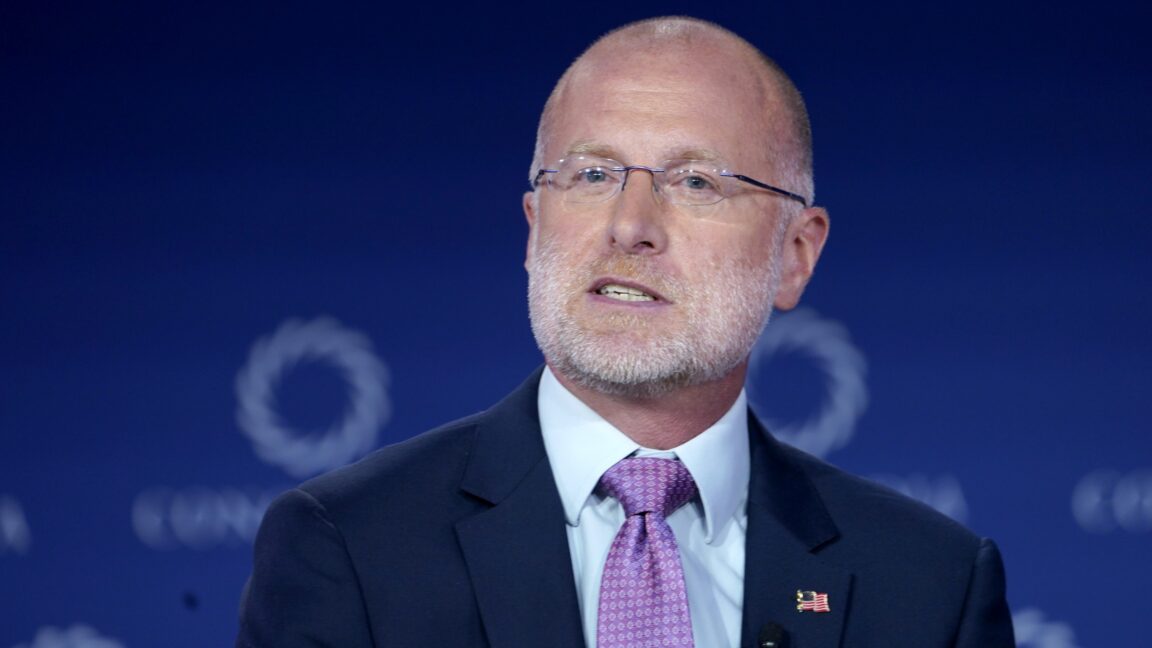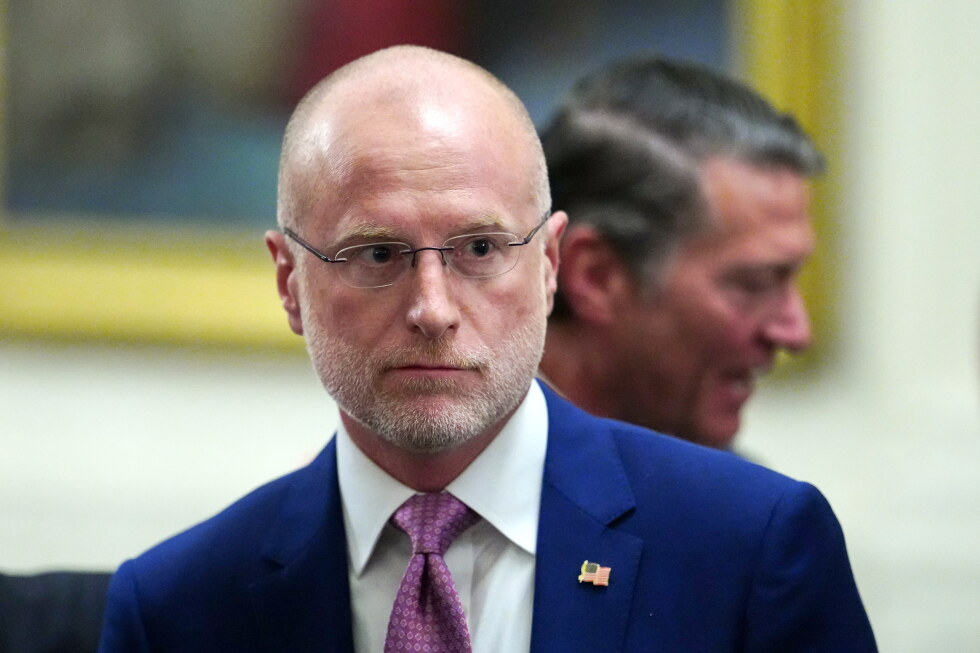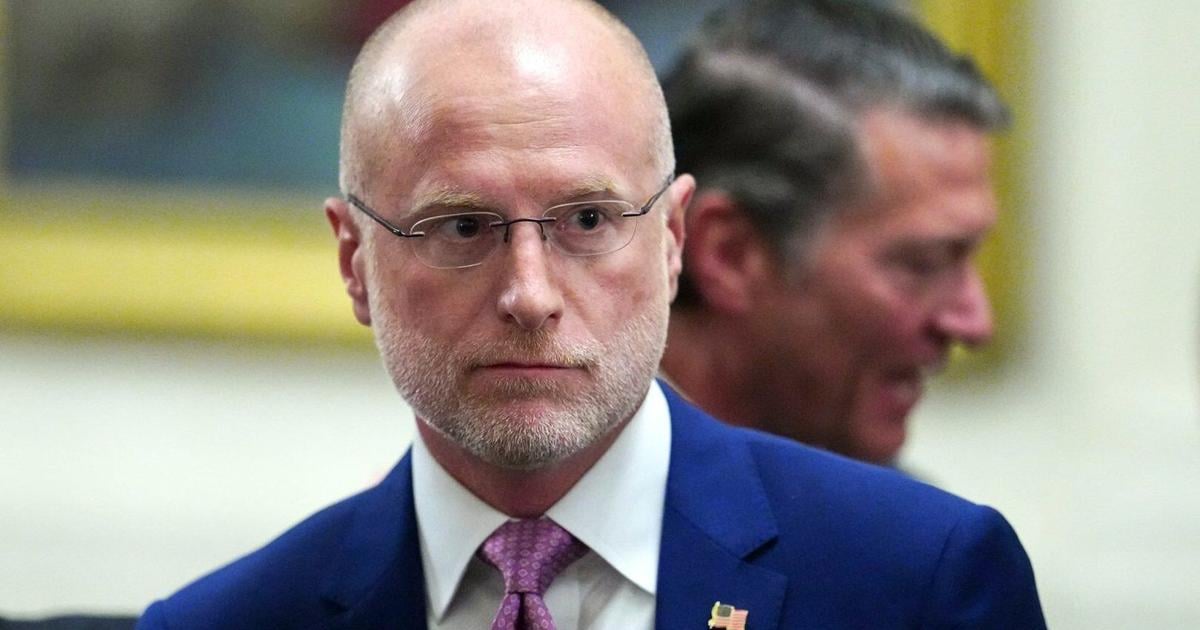
On Wednesday, the public comment period closed on one of the most extraordinary media proceedings in the history of the Federal Communications Commission. More than 153,000 filings came in from public safety officials, free speech advocates, veterans, food banks, think tanks, and tens of thousands of individual viewers. Nearly all urged the FCC to leave eight local ABC stations alone. Their overwhelming message is simple: The FCC should not become the nation’s speech police.In April, President Donald Trump called for ABC to fire Jimmy Kimmel. The very next day, FCC Chairman Brendan Carr ordered an early review of the broadcast licenses of eight of ABC’s stations. These stations, based in New York; Los Angeles; Chicago; Philadelphia; Houston; San Francisco; Raleigh-Durham, North Carolina; and Fresno, California, are the only ones that Disney directly owns. Their licenses were not due for renewal until 2028 at the earliest. It’s a very rare move for the FCC to demand an early renewal.
The FCC has made its goal clear: It wants to retaliate against broadcasters with a different political bent by burying them in baseless regulatory enforcement. Such a move sends a warning to other media that they should walk the administration’s preferred line or else. This is precisely the kind of regulatory pressure the Supreme Court has said the government may not put on a private speaker. The FCC is not the speech police, and the First Amendment dictates that it must stay out of our nation’s newsrooms, no matter how much it agrees or disagrees with coverage.