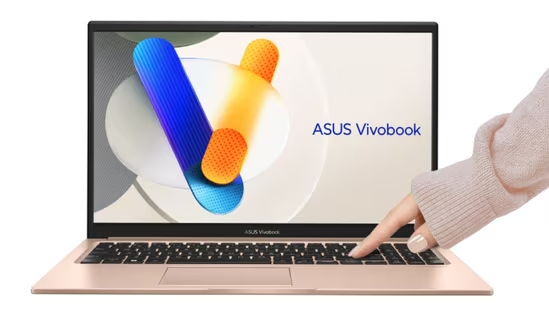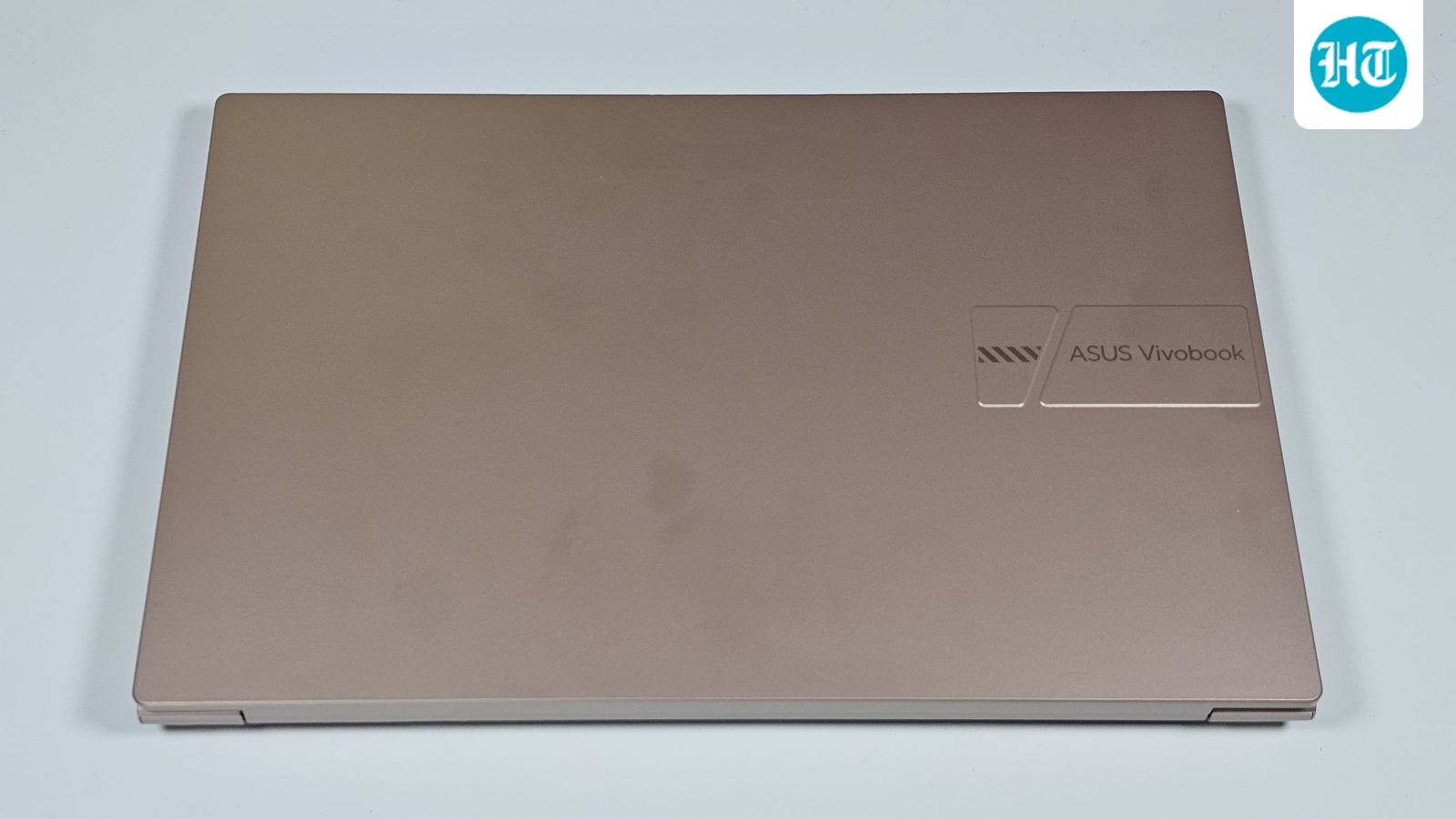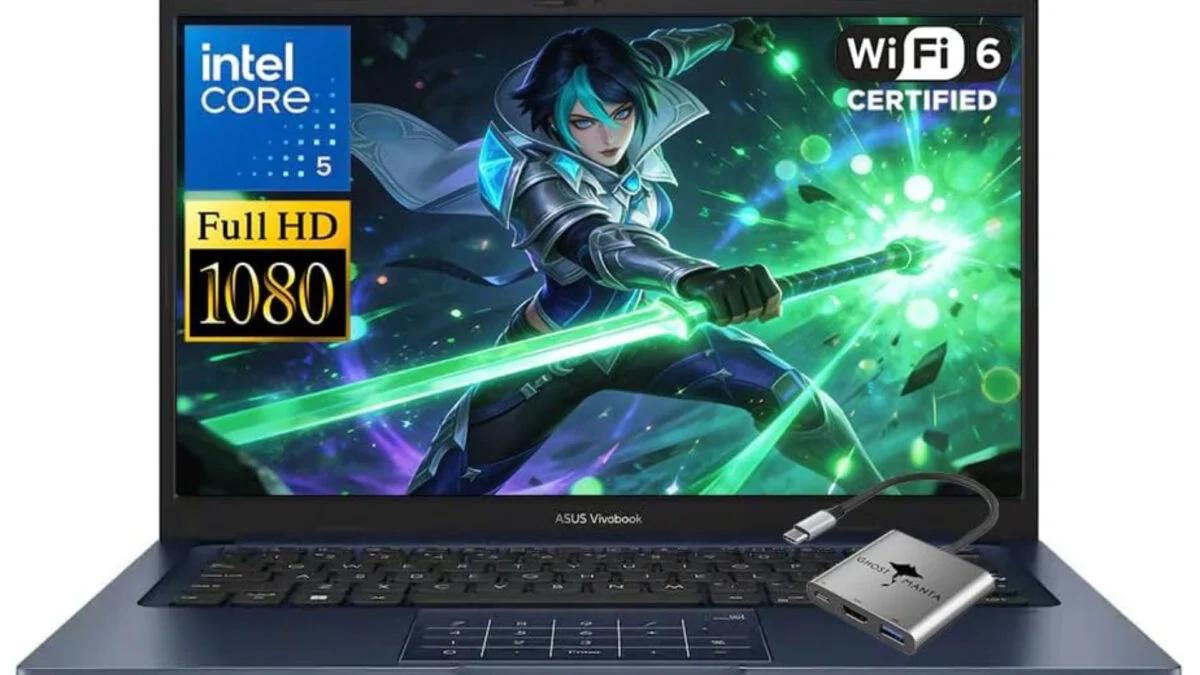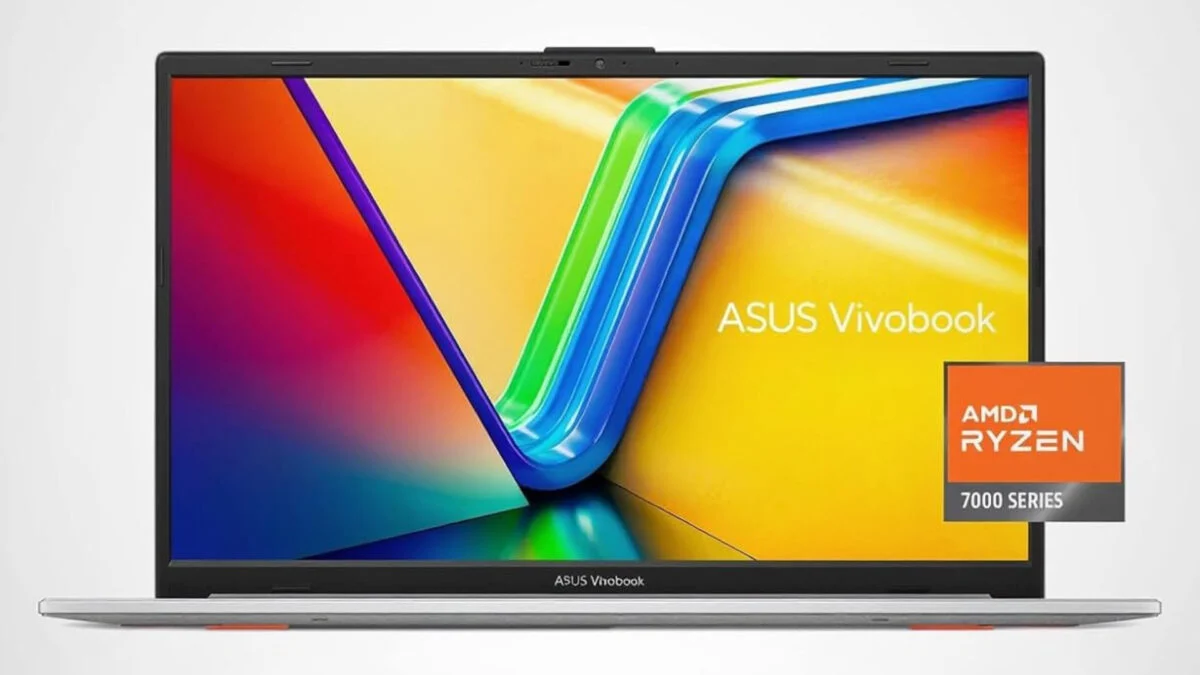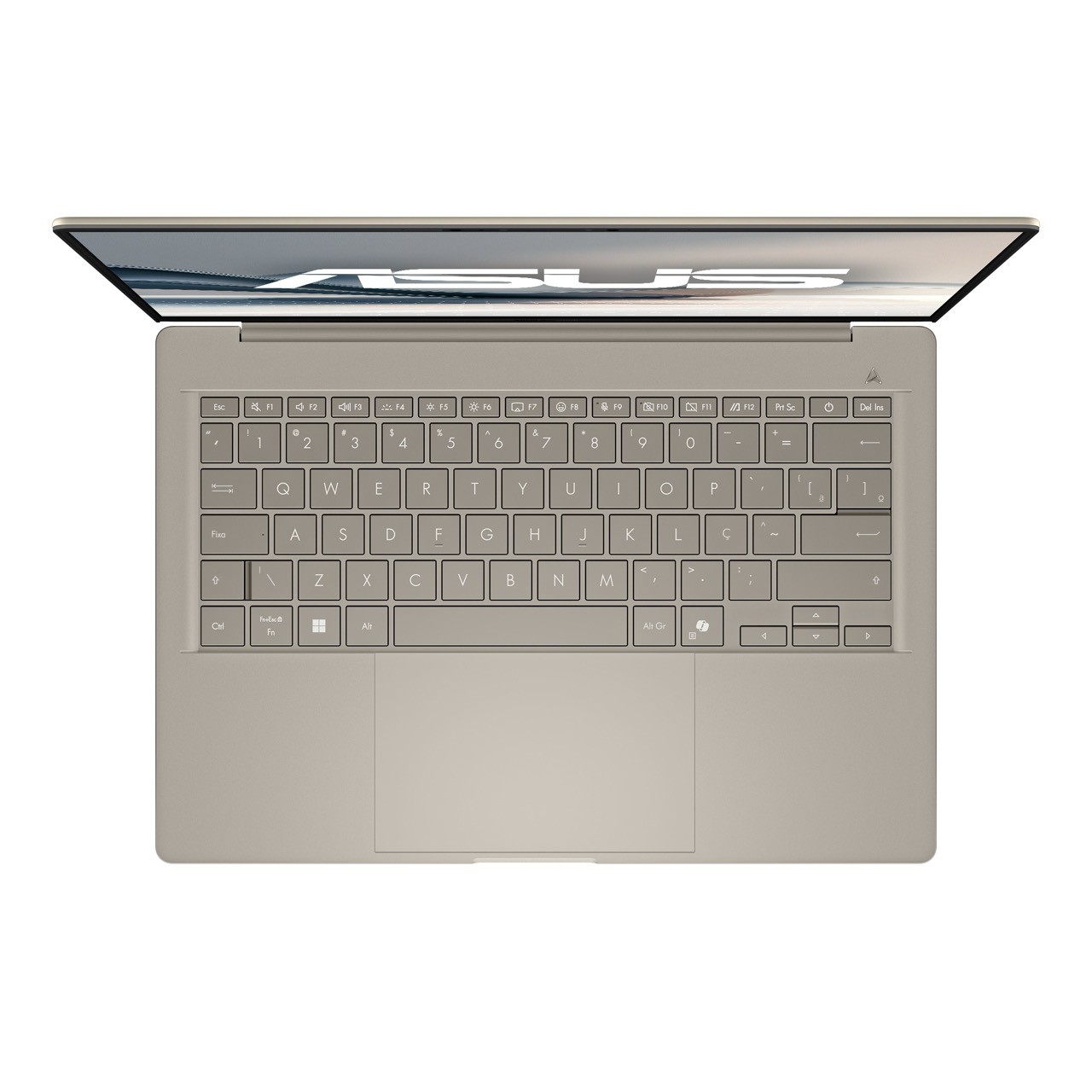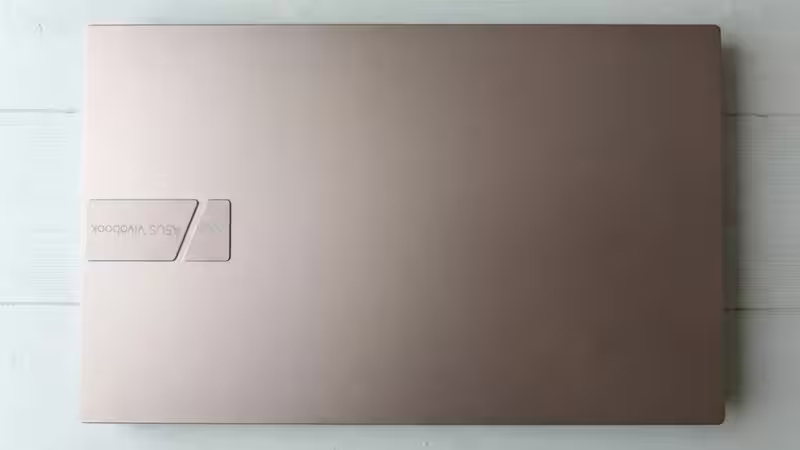
Asus gave India the first Core 5 Series 3 laptop in the world, and that deserves credit before the criticism starts. The machine landed on 3 July with Intel's newest small chip inside, a 15.6-inch screen, 16GB of memory and a 512GB drive. Then Asus asked Rs 1,07,990 for it, against a printed maximum of Rs 1,59,990, and sold it through Amazon and Flipkart alone. A week with it as my main machine left me impressed by the processor and puzzled by the laptop around it.Two prices, two machines Rs 75,990 and Rs 1,07,990 both attach to the Vivobook 15 name, and they belong to different laptops. The lower figure opens the range on a cheaper Series 3 build announced a week after this one. The higher figure is what the machine reviewed here costs: Core 5 320, 16GB of DDR5, a 512GB PCIe 4.0 drive.About The AuthorJournalist and a writer with a strong interest in news, culture, technology, and human-interest stories. Passionate about making complex topics accessible and engaging.Asus also printed Rs 1,59,990 as the maximum retail price, a gap of Rs 52,000. The previous-generation X1504 sits at Rs 65,990 today against a printed Rs 1,01,990, so the printed figure works as facade rather than structure.Buy in July and there is a fair chance of watching this price fall by Diwali. IDC's Navkendar Singh, AVP for Devices Research, said in the firm's Q1 2026 India assessment that "vendors currently manage relatively high inventory levels across channels; shipments might decline in the second half of the year." Laptops sitting in channel warehouses get discounted. That is the shape of the second half.What Intel built, and who it built it forWildcat Lake arrived on 16 April as Intel's value counterpart to Panther Lake, which sells as Core Ultra Series 3. Intel says the family targets students, small businesses and edge systems on a five-year upgrade cycle. Six consumer chips shipped that day. Every one of them tops out at six cores.Intel built the compute and graphics tile on its 18A process and bought a scaled-down platform controller tile from an outside foundry, then mounted both on an organic substrate using ordinary flip-chip packaging. That is the cheap way to build a two-tile chip, and it works. What it buys Intel is a modern processor at a price a Rs 40,000 laptop can carry.More articles by AuthorTrending StoriesWildcat Lake runs a single 64-bit memory channel - half the memory bandwidth of Panther Lake, and a departure from the dual-channel U-series parts Intel has shipped for years. Six PCIe lanes serve everything else. The graphics stop short of DirectX 12 Ultimate compliance, which means ray tracing sits outside what this chip does.Six chips, one layout Intel shipped six consumer Wildcat Lake parts on the same day.ChipCoresLayoutNPUCore 7 36062P + 4E17 TOPSCore 7 35062P + 4E17 TOPSCore 5 33062P + 4E16 TOPSCore 5 320 (reviewed)62P + 4E16 TOPSCore 5 31562P + 4E15 TOPSCore 3 30451P + 4E15 TOPSFive of the six run the identical 2P + 4E arrangement. Stepping from a Core 5 320 laptop to a Core 7 350 laptop buys clock speed and one extra TOPS on the NPU. It buys zero extra cores, zero extra threads and zero extra memory bandwidth, because every consumer chip in the family shares the same single-channel controller and the same two Xe3 graphics cores. Only the Core 3 304 differs, dropping to one performance core.Across the Wildcat Lake range, a laptop's screen, battery, keyboard and port selection separate the good machines from the poor ones far more than the chip badge does. Paying up for a Core 7 badge on a machine with the same 42Wh cell and the same dim panel buys a few hundred megahertz.A single memory channel is the correct call for a machine that browses, writes and joins calls. It becomes a ceiling the moment somebody asks the laptop to render, compile or grade. Asus has fitted a chip engineered around a student budget into a machine priced above the line where India's premium notebook segment begins.IDC counted 4.4 million PCs shipped into India in Q1 2026, up 31.1 per cent year on year, with notebooks alone at 3.3 million and growing 55.4 per cent. Machines above $1,000 grew 70.1 per cent. Buyers crossing a lakh in India today have real choice, and most of what they can choose runs two memory channels.The memory decision, and what it costs you Wildcat Lake accepts two kinds of memory. LPDDR5X runs at 7,467MT/s and solders to the board. DDR5 runs at 6,400MT/s and slots into a socket. Asus chose the socket.That choice hands buyers an upgrade path - one SO-DIMM slot, one M.2 slot, up to 64GB supported, and costs them roughly 14 per cent of available memory bandwidth against the soldered option. On a chip with one memory channel and a 4MB memory-side cache doing the compensating, bandwidth is the scarce resource. Asus traded the faster memory for a slot most buyers of a 16GB machine will use once, if at all.Adding a second stick to a single-channel processor raises capacity while leaving bandwidth where it started. Buyers arriving from older dual-channel Intel laptops, where a second module delivered a real speed increase, should adjust the expectation: on this chip, more memory means more room, at the same speed.Design and buildThe design plays it straight. At 1.7kg it slides into a backpack and stays there through a commute, and the 180-degree hinge earns its keep the moment two people read one screen across a table. Opening the lid takes two hands, which is the small daily tax separating a plastic chassis from a milled one. MIL-STD-810H offers reassurance, though the standard measures survival through drops and vibration, a different question from how much the deck flexes when you press it. Press it above the drive bay and it gives.Three colours ship: Cool Silver, Quiet Blue and Terra Cotta. The Terra Cotta finish collects fingerprints with real enthusiasm.Display A 15.6-inch Full HD IPS panel at 60Hz, with an anti-glare coating that does honest work beside a window. Most Indian desks sit beside one. Across eight hours of writing and editing the panel disappears in the way a working panel should, which is the highest compliment a screen like this earns.Outdoors it struggles, as a panel specified for indoor brightness will. Colour work stays off the table - the gamut suits documents ahead of photographs, and anyone grading video or matching brand colours wants a different machine. On a Rs 70,000 laptop this panel is the expected compromise. Above a lakh it is the line item Asus chose to protect.Performance Two performance cores at 4.6GHz, four efficiency cores at 3.4GHz, thirty-two execution units of Xe3 graphics. Six threads in total, which sounds thin until you watch it work.Across a week, 20-plus Chrome tabs, Word, Docs, Slack, Spotify, occasional Photoshop - it stayed quick. Windows boots in seconds. Window switching holds together where thread-starved machines stutter. Single-core speed is the reason: this chip responds like something costing far more, because responsiveness is a single-thread problem before it is anything else, and Cougar Cove is a good core.My measured resultsBenchmarkResultGeekbench 7 single-core2,060Geekbench 7 multi-core6,826Geekbench 7 OpenCL11,415Cinebench 2026 multi-core1,146Published figures from other Core 5 320 machinesBenchmarkResultGeekbench 6.6 single-core2,564Geekbench 6.6 multi-core8,122Sustained multi-core work meets the six-thread redline and stays there. A 4K timeline, a 3D render, a long compile - each asks for threads and bandwidth this chip declines to supply, and the single memory channel is doing as much of that limiting as the core count. Everyday computing is where the chip belongs, and inside that envelope it beats its sticker.Graphics run esports titles and older games. Modern releases run after aggressive cuts to resolution and detail, and ray tracing sits outside the hardware's capability, so games that require it stay off the list. One useful behaviour: unplug the machine and graphics output holds close to its mains figure, which is rarer than it should be. Treat it as a productivity laptop, which is all Asus claims for it.Heat and noise Intel rates these chips at 15W base and 35W turbo, and Asus has built a chassis that lives well inside that. Through a week of heavy tab work the fan stayed audible only under sustained load, and the keyboard deck stayed cool enough to use on a lap through an hour of video calls. A 35W ceiling in a 15.6-inch body gives the cooling system an easy job, which is part of why the machine feels calm in a way few thinner and hotter laptops manage.Chips that turbo to 35W finish long jobs slower than chips that turbo to 45W or 55W. The Vivobook stays quiet because the silicon inside it declines to work hard enough to make noise.Keyboard, webcam and audio This is where the machine earns its best score. The backlit keyboard runs a full number pad, a Copilot key and enough travel to hold up through a 2,000-word session. Half-height arrow keys take a day to learn. The trackpad is large, smooth and accurate, in plastic where a premium machine uses glass, and the fingerprint reader in its corner logged me into Windows Hello on the first touch, every time, all week.The webcam is 720p with a physical privacy shutter. The shutter is thoughtful. The resolution belongs to 2019, and it is the single specification here hardest to square with the price, a 720p sensor is visible to everyone on the call except you.Speakers cover a Teams call and a video explainer. Music exposes them: volume arrives, body stays behind.PortsFour USB ports sounds generous until the details land. Two run at USB 3.2 Gen 1, one Type-C and one Type-A, and the third Type-A drops to USB 2.0 speeds. The Type-C port carries data alone: charging goes through a barrel plug and display output through HDMI 1.4. A 3.5mm combo jack completes the selection. Six PCIe lanes on the chip explain part of this - Intel left little room for high-speed peripherals - though the charging decision is Asus's own. On a machine above a lakh in 2026, a Type-C port that declines to charge the laptop or drive a monitor is the specification I would change first. The barrel plug means two bricks in the bag where one would do.Wi-Fi 6 and Bluetooth handle wireless duties. Both work. Both were current three years ago.Battery A 42Wh cell in a 15.6-inch laptop sets the ceiling before efficiency gets a say. Wildcat Lake is frugal - Intel quotes up to 12.5 hours in office applications and 18.5 hours of video playback on its own reference design, and my week bore out the direction while falling short of the numbers. A working day of browsing, documents, mail and calls finished with charge to spare.On a Core 7 350 reference platform Intel claims 9.6 hours on a Zoom call with AI effects running, 12.5 hours in office applications, and 18.5 hours of video playback. Those are vendor figures on a vendor platform, and they measure the chip at its best.The gap between Intel's figures and this machine is the battery, rather than the chip. Intel's reference platform carries a larger cell than the Vivobook does. Rivals building Core 5 320 laptops around 50Wh and above post longer runtimes on the same silicon. Anyone wanting a fourteen-hour laptop should buy one of those. Anyone wanting a laptop that survives office hours away from a socket has it here.Software and the AI badge MyASUS is the rare preinstalled utility worth opening: battery-health charge limits, fan modes, driver updates, diagnostics. Office Home 2024 ships in the box and carries real rupee value. McAfee also ships, and removing it improves the machine.Then the AI claim, which needs care. The 16-TOPS NPU accelerates supported local workloads and takes that work off the CPU. Microsoft's Copilot+ tier requires 40 TOPS. This machine sits at 16. So "AI PC" applies and "Copilot+ PC" describes a different class of machine, and anyone buying on the strength of the badge should know which one they have.Where it sits in the India marketAsus holds 6.9 per cent of a market growing at 31.1 per cent, fifth behind HP at 26.6 per cent, Acer at 21.3, Lenovo at 18.3 and Dell at 15.9. Growth on that scale rewards aggressive pricing, and the Vivobook 15's launch figure moves the other way.Education shipments rose 455.2 per cent year on year in Q1 2026. Enterprise rose 24.2 per cent. Consumer, the segment this laptop sells into, managed 11.7 per cent. Desktops fell 13.5 per cent as buyers moved to notebooks.Wildcat Lake was designed for two of those three growth stories. Intel says it built the family for students, small businesses and edge systems on a five-year upgrade cycle, which describes the education and enterprise segments that grew fastest. A Rs 1,07,990 consumer laptop sits outside both. Schools buying at 455 per cent growth are buying at a third of this price, and the small business replacing a five-year-old machine has HP, Acer, Lenovo and Dell competing for the order.Memory prices are one pressure on that sticker. IDC's Bharath Shenoy, Research Manager for Devices Research, noted that "consumer demand has remained resilient despite rising component costs, particularly DRAM and GPUs." A 16GB DDR5 machine in a rising memory market carries that cost somewhere, and it lands in the sticker.LaptopPriceWhat the extra money buysVivobook 15, Core 5 320 (reviewed)Rs 1,07,990Reference machineVivobook 16, Core Ultra 5 225HRs 92,990Stronger multi-core, dual-channel memory, larger 16:10 panel, USB-C chargingRs 15,000 separates this machine from an Asus laptop with a stronger processor, two memory channels, a bigger screen and a Type-C port that charges. Both listed prices include the 18 per cent GST that Indian retail figures carry, so the gap is money out of pocket rather than a tax artefact. Wildcat Lake's efficiency answers part of that gap, the newer chip idles better and holds graphics performance off the mains. Whether it answers Rs 15,000 worth depends on valuing a small, quiet, long-idling machine above bandwidth and a decent panel.Read AlsoRatingsParameterRatingVerdictDesign & Build4/5Sensible, portable, flexes where you press itDisplay2.5/5Fine at a desk, out of its depth outdoors and in colour workPerformance4/5Six threads and one memory channel, quicker than both suggestKeyboard & Trackpad4.5/5The best thing about the laptopBattery Life3.5/5A working day, held back by 42Wh rather than by the chipPorts & Connectivity2.5/5Four USB ports, and the Type-C one declines to charge itSoftware & AI4/5MyASUS earns its place; 16 TOPS falls short of Copilot+Value for Money3/5Fair below a lakh, a stretch at Rs 1,07,990OVERALL3.5/5Buy the processor, wait for the priceShould you wait? Asus printed Rs 1,59,990 against a Rs 1,07,990 launch figure, and the previous generation of this same laptop now sells at Rs 65,990 against a printed Rs 1,01,990 - a 35 per cent fall from the printed number. IDC reports high channel inventory across Indian vendors with shipments expected to soften in the second half. And the Vivobook 15 range already opens at Rs 75,990 on a lower Series 3 build, which sets a floor the Core 5 version has to justify against.Festive pricing lands between October and November in India, and bank cashback and exchange offers move Indian street prices more than list changes do. A buyer with time should watch this one rather than order it.Should you buy it? Buy it if a quiet, quick 15-inch machine for writing, browsing, mail and calls is the whole brief, and if the price has drifted below a lakh by the time you read this. Skip it if you edit photographs, cut video, compile code, work outdoors, or want one charger for laptop and phone.Every choice inside this chip - one memory channel, six PCIe lanes, an organic substrate, graphics that stop short of ray tracing - shows an engineer protecting a price. At Rs 75,990 this review turns into a recommendation. At Rs 1,07,990 the processor is the load-bearing element and everything around it is facade. FAQsIs the Asus Vivobook 15 (2026) worth Rs 1,07,990?For most buyers, no. The Core 5 320 delivers strong everyday speed, but the 15.6-inch 60Hz panel, 42Wh battery, 720p webcam and data-only USB-C port sit below what Rs 1,07,990 buys elsewhere. It becomes a straightforward recommendation nearer Rs 75,990.What is Intel's Core 5 320?A six-core Wildcat Lake processor with two Cougar Cove performance cores at 4.6GHz and four Darkmont efficiency cores at 3.4GHz, six threads in total, Intel Graphics 2 Xe3 with 32 execution units, and a 16-TOPS NPU. Intel launched the Wildcat Lake family on 16 April 2026 as the value counterpart to Panther Lake.Is the Asus Vivobook 15 a Copilot+ PC?No. Its NPU delivers 16 TOPS and Microsoft's Copilot+ tier requires 40 TOPS. It qualifies as an AI PC and runs local AI acceleration, while Copilot+ features stay unavailable.Can the Asus Vivobook 15 run games?It runs esports titles and older PC games at reduced settings. The Xe3 graphics stop short of DirectX 12 Ultimate compliance, so ray tracing sits outside its capability, and demanding modern titles need aggressive cuts to resolution and detail.Can you upgrade the RAM in the Vivobook 15?The chip supports up to 64GB of DDR5, so more memory fits. Wildcat Lake runs a single memory channel, so adding a second module raises capacity while leaving bandwidth where it started.How long does the Vivobook 15 battery last?A full working day of browsing, documents, mail and video calls, finishing with charge to spare. The 42Wh cell is small for a 15.6-inch laptop; Core 5 320 machines built around 50Wh and larger cells run considerably longer on the same chip.Which laptop should I buy instead?The Asus Vivobook 16 with the Core Ultra 5 225H costs Rs 92,990 and offers stronger multi-core performance, two memory channels, a larger 16:10 display and USB-C charging.end of article
Asus Vivobook 15 Review: Budget Chip, Rs 1.08 Lakh Price
Intel designed the Core 5 320 for cheap laptops. Asus put it in an expensive one.
2,965 words~13 min read