In Hollywood’s original horror heyday of the 1930s and ’40s, it would have been hard to imagine another figure challenging the classic terror quartet of Dracula, Frankenstein monster, werewolf and mummy — let alone that the lowly zombie would ever become serious competition. Yet while those aforementioned creatures still get rehabilitated on a regular basis, they’re now greatly surpassed in popular visibility by a cannibal undead that didn’t even exist in the genre until more recent decades.
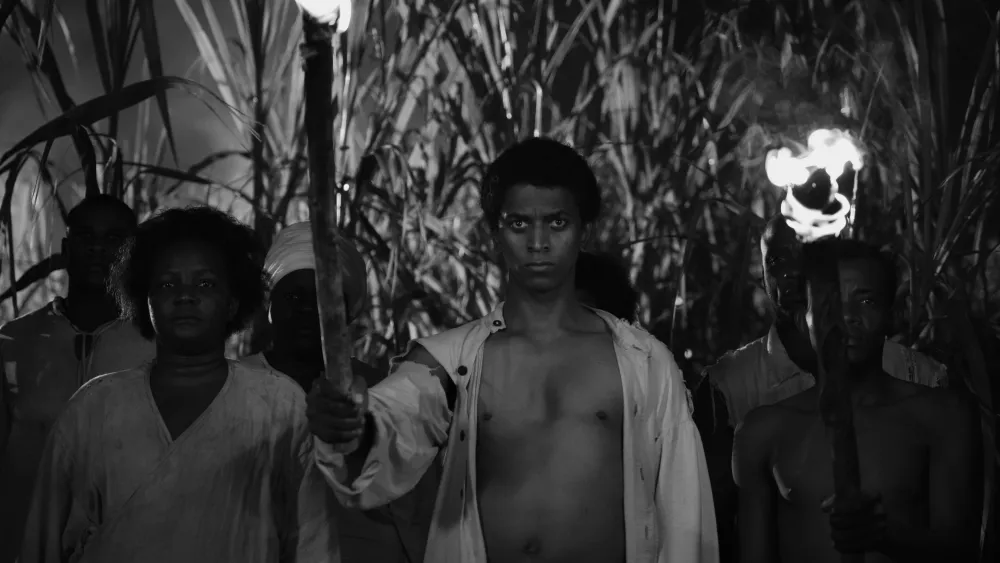
Maya Annik Bedward’s Canadian documentary “Black Zombie” explores that surprise evolution. But hers isn’t a genre fan’s focus so much as a cultural anthropologist’s eye, honing in on how the screen zombie has exploited and distorted the Haitian religious beliefs that provided its initial inspiration. Kino Lorber is opening the Canadian documentary in the U.S. on Sept. 11th; Raven Banner will release it on home turf the same date.
Today zombie entertainment is so ubiquitous, it encompasses enormously expensive blockbusters (“World War Z”), big-screen franchises (like the “28 Days” films), an entire “Walking Dead” multimedia empire, comedies (“Shaun of the Dead” being the most famous) and myriad other expressions. Often involving animated corpses who are “fast-moving” — making their hunger for living flesh an even greater peril — these images break from the standard late-20th century convention of slow, shuffling if still bloodthirsty dullards, a template established by George A. Romero’s 1968 sleeper smash “Night of the Living Dead.”