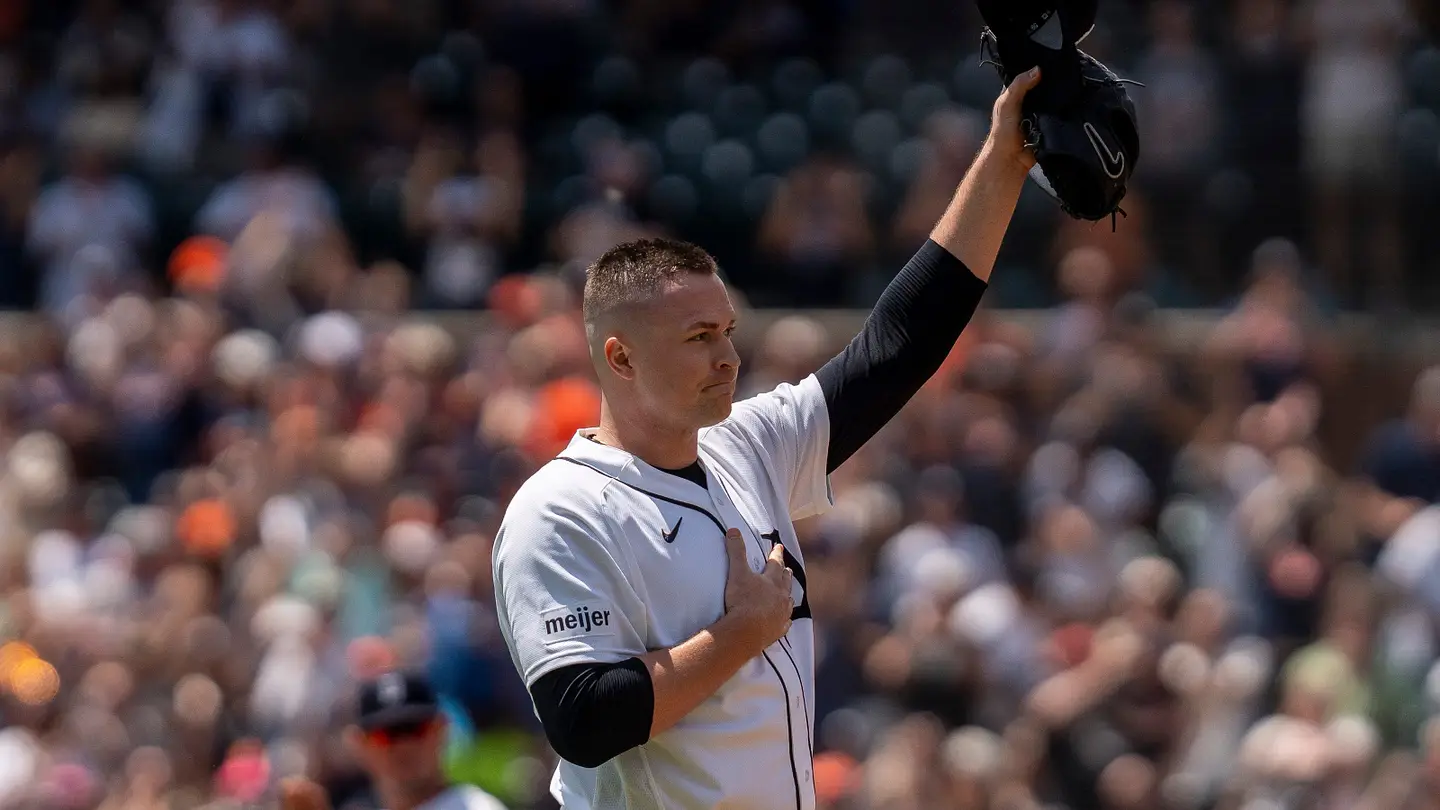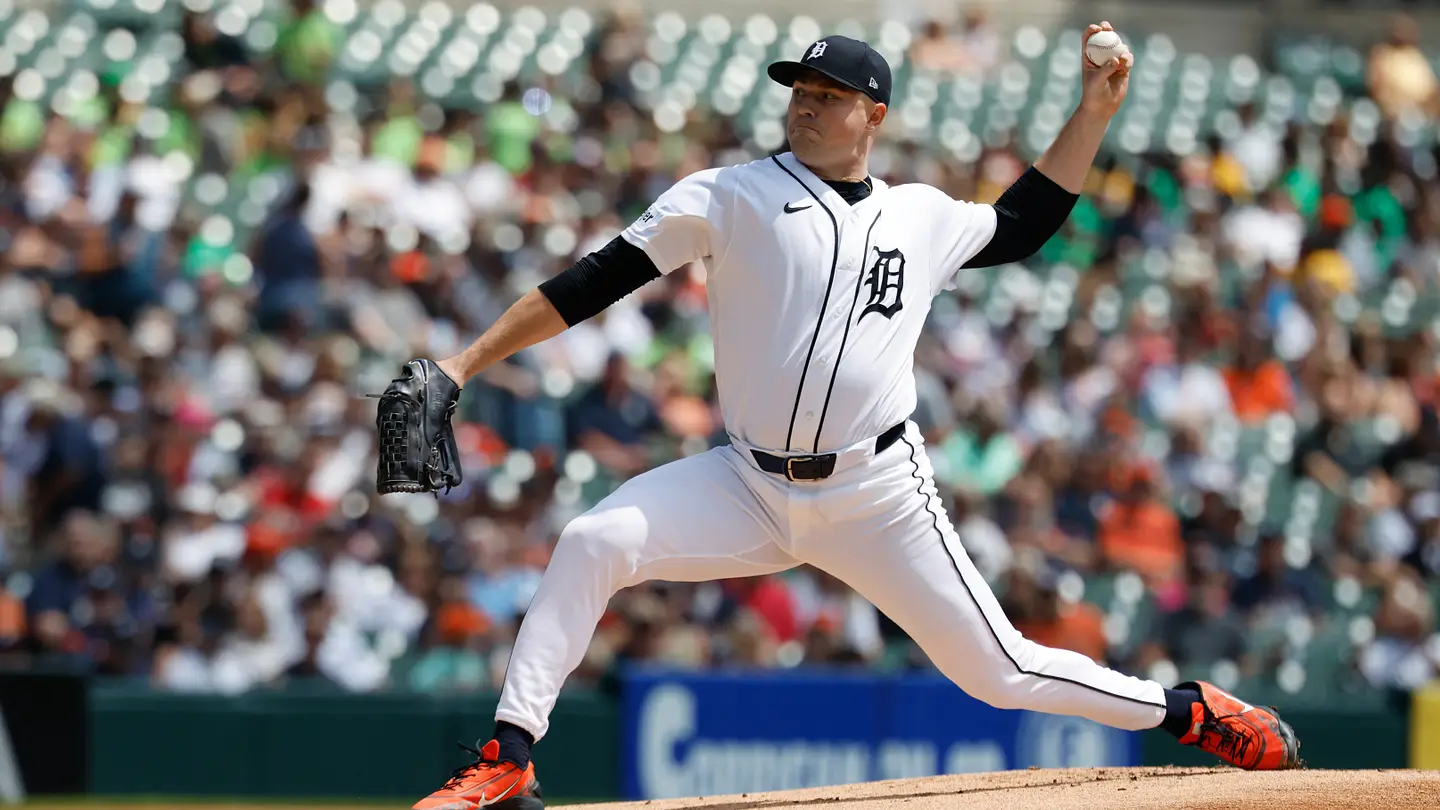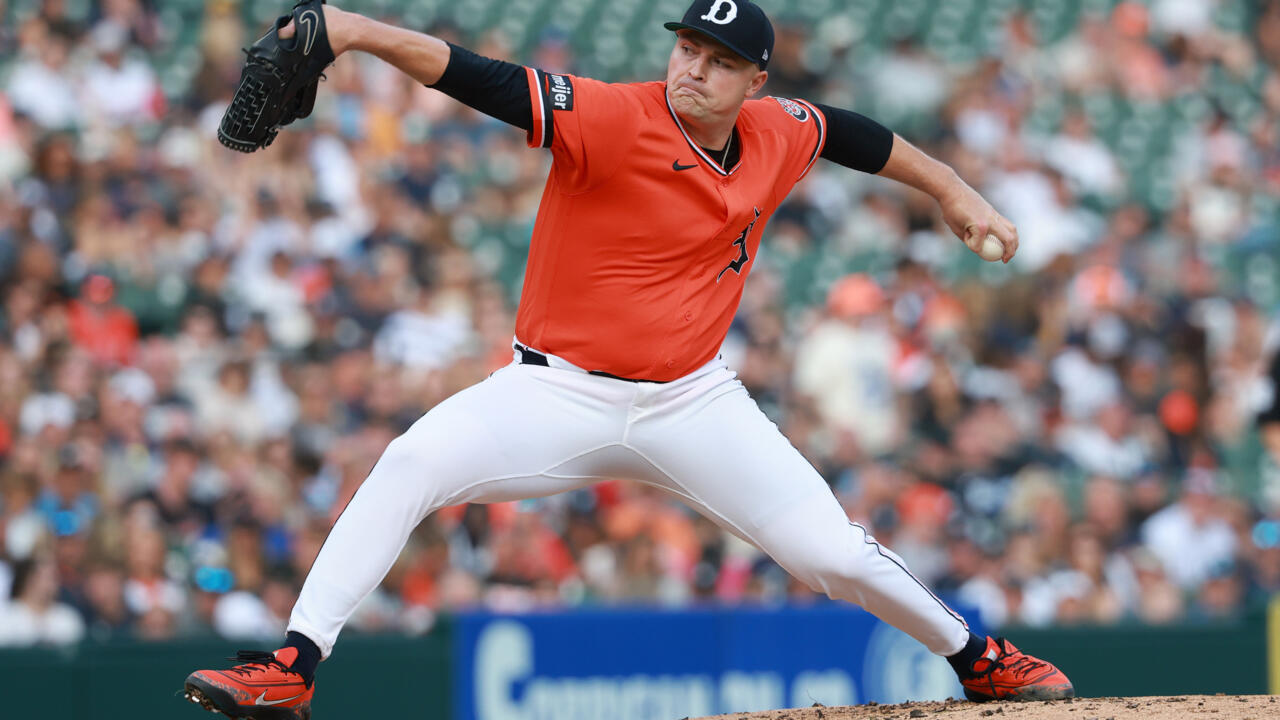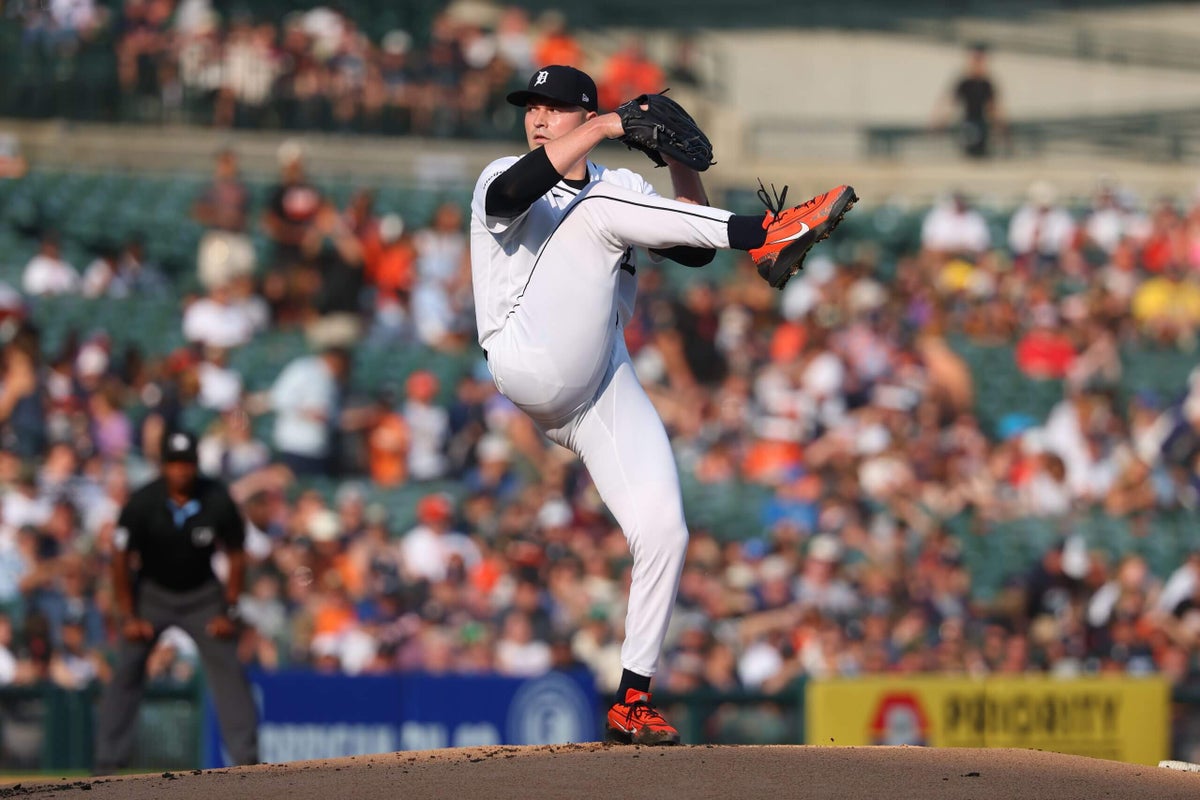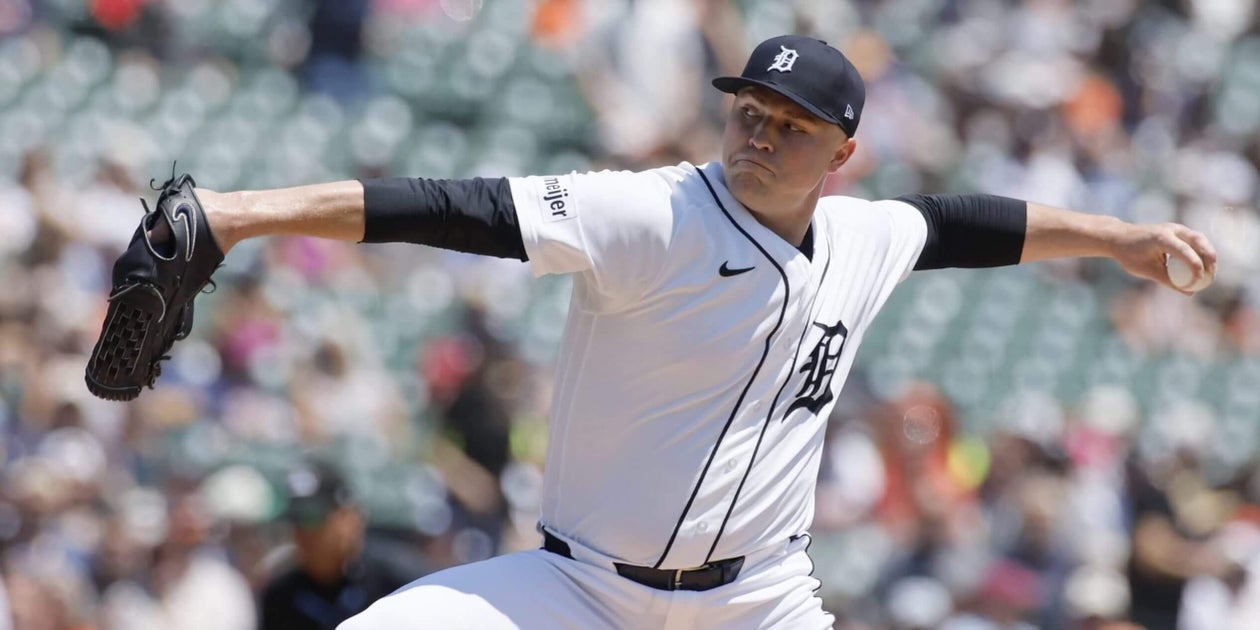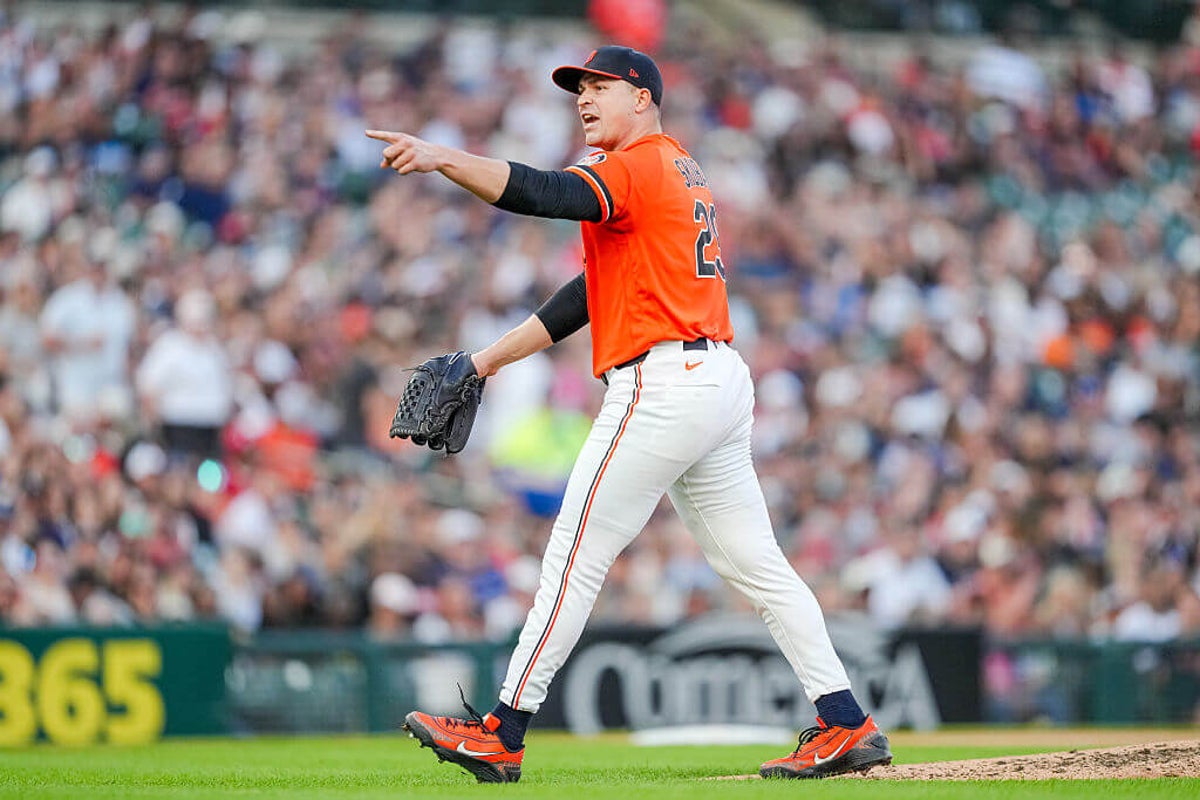
DETROIT — They called it Changeup School.It was 2023, and Tarik Skubal was rehabbing from flexor tendon surgery and tucked away in the shadows. Skubal was a long way from becoming the marvel he is ahead of the trade deadline three years later.Skubal spent the first part of the season in Detroit even though he was injured. The Tigers wanted him to feel like he was still part of the team. But when the Tigers were on the road, Skubal would often drive 60 miles south to Toledo, home of the Tigers’ Triple-A affiliate. There, he worked with Mud Hens pitching coach Doug Bochtler, a former major-league reliever who once helped teach Johan Santana the changeup that would spur him to two Cy Young Awards.Early in Skubal’s career, he boasted a powerful fastball and a nasty slider. But he was searching for another weapon, particularly one that would put away right-handed hitters. He had thrown a changeup his whole life. It was his best pitch in high school. It was a good pitch in college. But as he rose up the ranks, it became an option he threw less than 15 percent of the time.He tried a four-seam grip with little success. He once spent an offseason working at Driveline Baseball, where analysts suggested he throw a splitter. He spent the spring of 2021 experimenting with that split-fingered grip. The pitch, mostly, was terrible.“I face nine righties and I need something that goes to the left and looks like a heater,” Skubal said this spring. “That was the whole intent behind the splitter. It didn’t work, but the intent was right.”With help from Tigers coaches Chris Fetter and Robin Lund, plus coaches back home in Arizona, Skubal finally found a changeup that worked. He switched to a two-seam circle grip. The aim was to master the effects of seam-shifted wake — the aerodynamic force that describes how a baseball’s seams influence the movement of a pitch.Skubal stopped trying to pronate, or rotate his wrist to the left, and instead let his arm naturally supinate to the right. Coaches gave him a cue to swipe across the baseball, like he was trying to give it a cut effect. He famously did drills involving a dot written in black marker on the ball. The point was to have the ball’s seams “clip” a wave of air, and ride it to nastier down-and-away movement.Down at Changeup School, there were fits and starts.“There were some times I threw bullpens and it was going the wrong way,” Skubal said. “That’s not good, when you’re throwing a changeup that’s going the wrong way.”For the most part, though, the pitch came naturally. It became the weapon that changed the arc of Skubal’s career, taking him from a promising young pitcher to a two-time Cy Young Award winner and now the talk of the sport, the biggest prize on the market ahead of Monday’s trade deadline.Skubal’s changeup could be a game-changer for any team that acquires him. The pitch just so happens to reflect a larger trend taking shape in the game.Changeup usage is up from 10.3 percent of pitches last season to 11.1 percent this year. Since the pitch-tracking era began in 2008, batting average (.224) and slugging percentage (.349) against the pitches have never been lower. The whiff rate is near its highest. These pitches have far nastier movement than they did only a few years ago.Pitchers such as Skubal and Philadelphia's Cristopher Sánchez have used changeups to propel them to elite status. Skubal this season is getting whiffs on 50 percent of his changeups, the highest rate of any qualifying pitcher in the league.
Tarik Skubal’s changeup made him MLB’s most coveted arm — and helped lead a strikeout revolution
The changeup used to be a change-of-pace pitch. Now, pitchers like Skubal and Cristopher Sánchez have turned it into a strikeout weapon.
1,564 words~7 min read