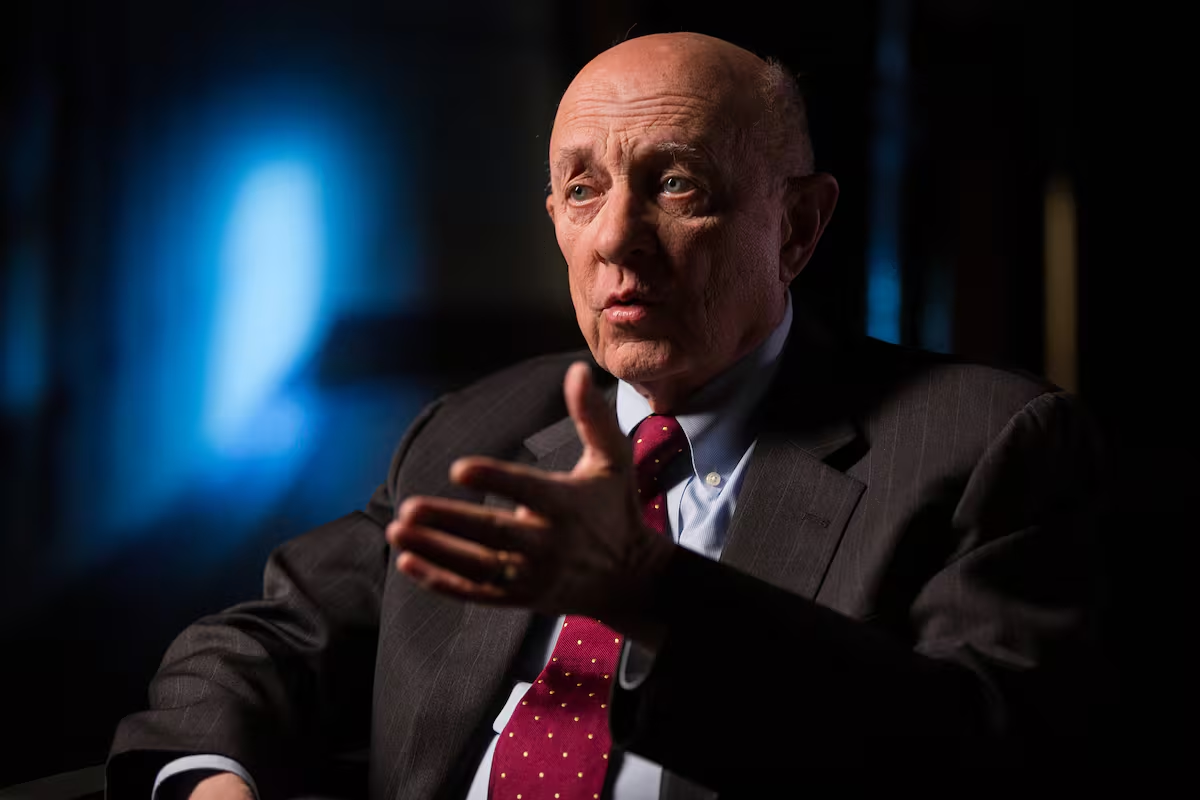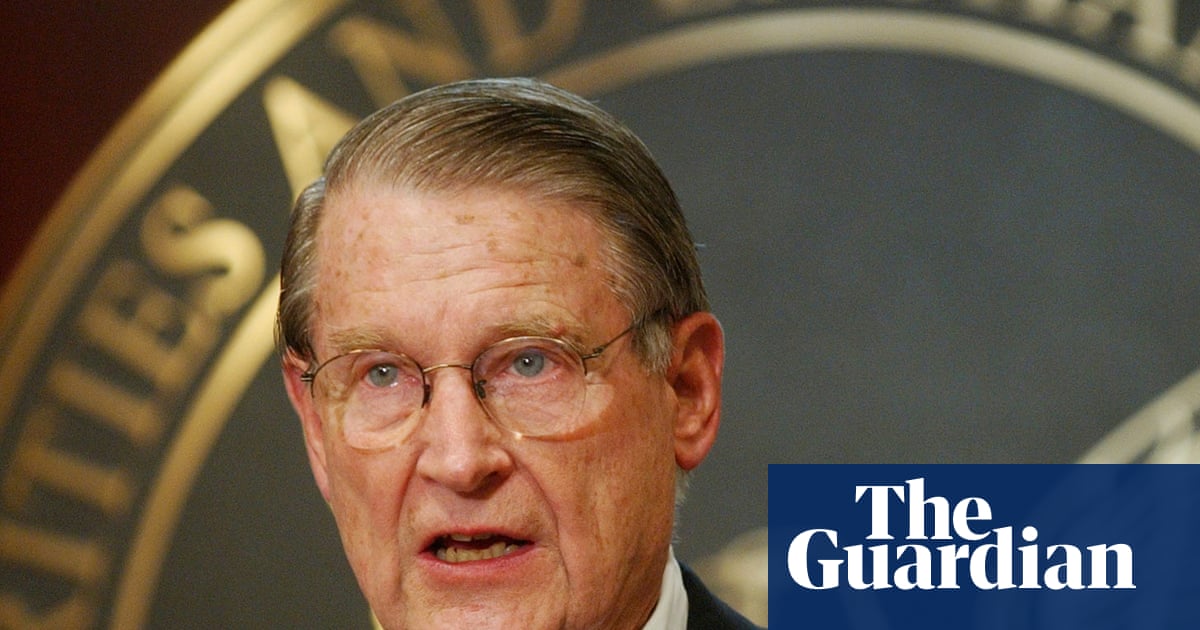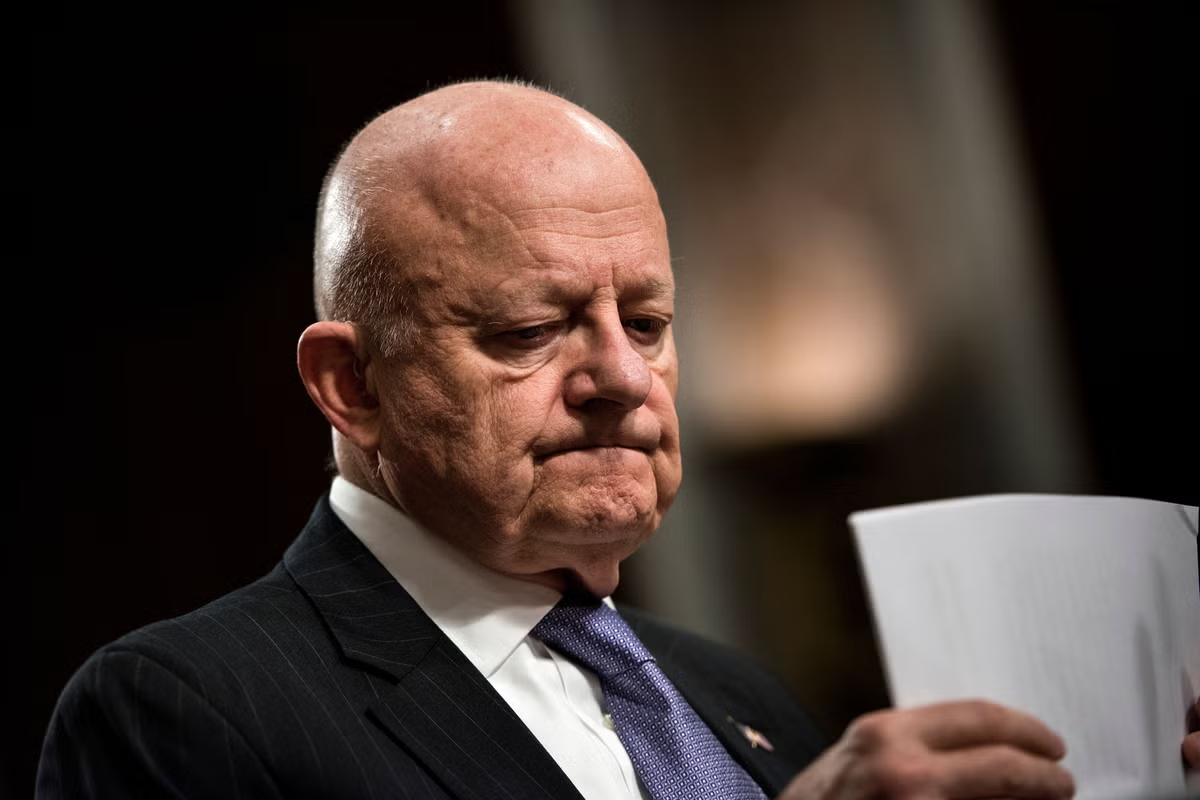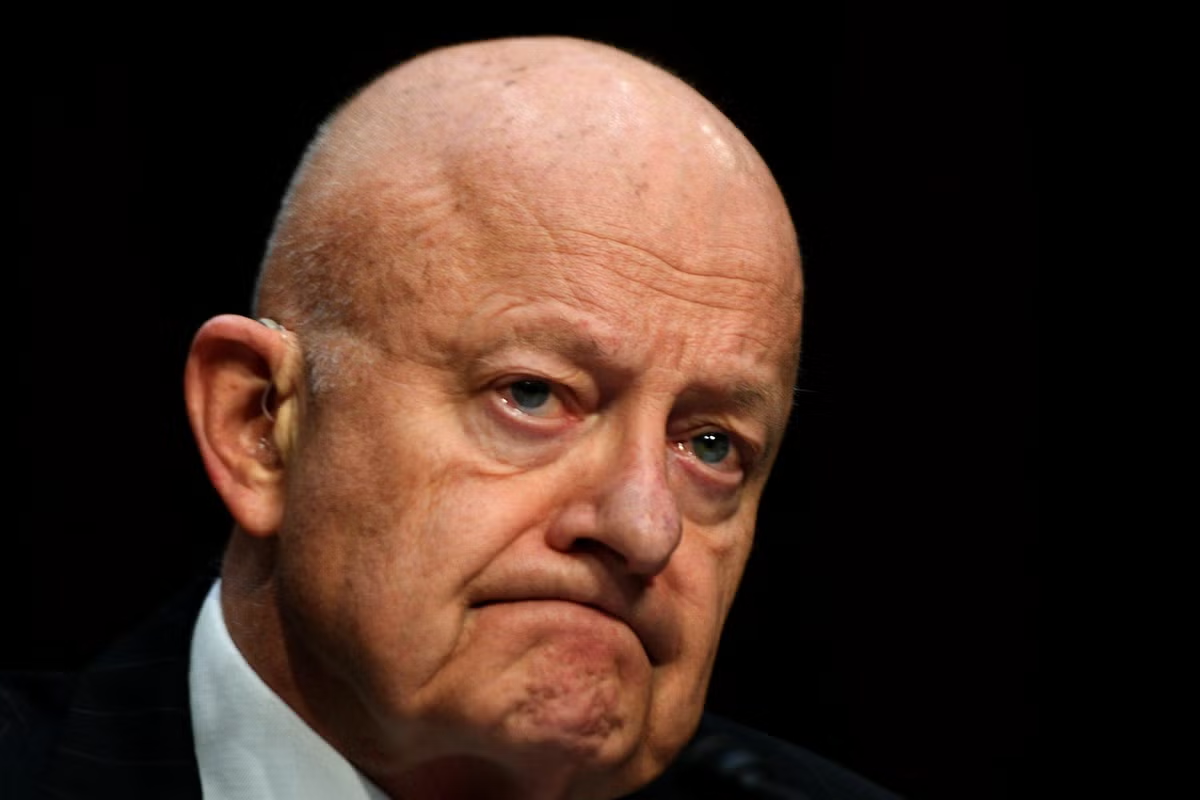
In September 1994, a disturbed pilot crashed a stolen Cessna onto the White House’s South Lawn. R. James Woolsey, then the director of central intelligence, spent the rest of his life joking that it was him, trying to get an appointment with President Bill Clinton. He meant it half in jest. But the fact that the country’s chief spy could go two years without a real relationship with the president he served says almost everything about the strange, thankless, and consequential tenure that defined his career. Woolsey died July 21 at his Washington home at 84.
Robert James Woolsey Jr. was born in Tulsa, Oklahoma, on Sept. 21, 1941, the only child of a lawyer father and a homemaker mother. He was absurdly credentialed before he turned 30: Phi Beta Kappa at Stanford University, a Rhodes Scholarship to the University of Oxford, a law degree from Yale University, where he edited the law review. He also managed to be an ROTC cadet who served two years as an Army officer — a contradiction that previewed a career spent defying easy political categorization. He advised the U.S. delegation to the Strategic Arms Limitation Talks in Helsinki and Vienna, served as general counsel to the Senate Armed Services Committee, and held senior posts under four consecutive presidents of both parties: undersecretary of the Navy under Jimmy Carter, an arms-control negotiator under Ronald Reagan, and America’s ambassador to the talks limiting conventional forces in Europe under George H.W. Bush.That bipartisan resume is what made Woolsey, a lifelong registered Democrat, an appealing pick for Clinton, who named him director of central intelligence in 1993 partly to reassure defense hawks skeptical of a young president with no national security background. It proved to be a mismatch from the start. Woolsey and Clinton rarely spoke; by Woolsey’s own count, he had virtually no real one-on-one meetings with the president during his entire tenure. The plane-crash line became his way of making peace with the snub, and he repeated it so often that it eventually stopped sounding bitter and started sounding like the driest kind of Washington wit.