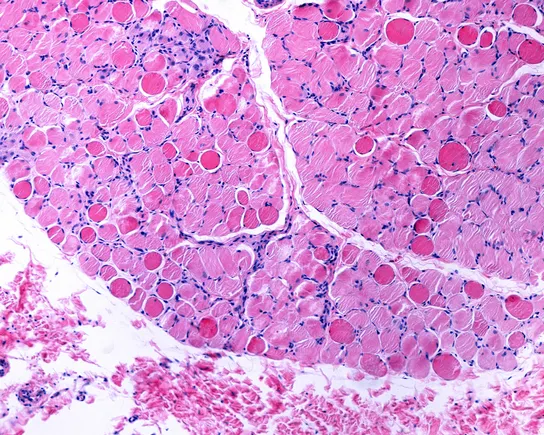
When I was first diagnosed with limb girdle muscular dystrophy (LGMD), I was devastated to learn there wasn’t any treatment or cure. For those of us living with progressive diseases, time is not neutral. Every month a promising therapy is delayed, we will have irreversible loss of muscle function.
Rare disease drug development is in the midst of an extraordinary era of scientific innovation. Researchers are advancing gene therapies and targeted treatments unimaginable just a decade ago. The Food and Drug Administration has opportunities today with new leadership to modernize, including the utilization of innovative trial designs and tools so the United States continues to lead the world in rare disease drug development.
In particular, with the Food and Drug Omnibus Reform Act (FDORA) of 2022, Congress enabled the FDA to utilize a tool called platform technology designation to modernize drug development. The idea was sensible and even elegant: When a company uses the same underlying technology or platform — say, the same viral vector to deliver a gene — across multiple diseases, it should not have to start over every time. What is learned in one program for one disease should carry forward to the next. Platforms are supposed to be about efficiency. They are supposed to move development forward.