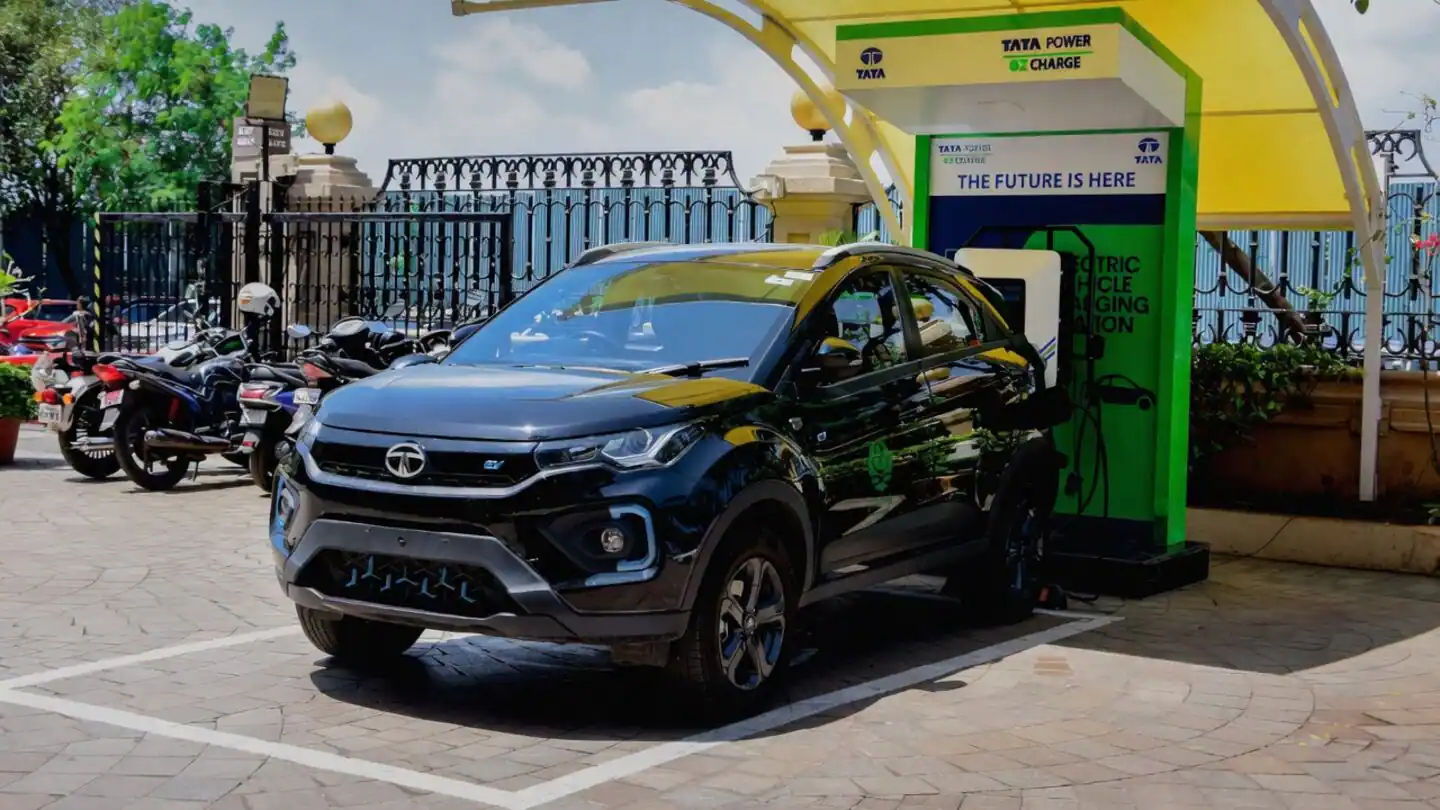
ICCT 2025 ranks Tata first at about 106 Wh/km and Mahindra second at 113 Wh/km.
Indian EVs are mostly compact crossovers with 59–79 kWh packs.
If the same Indian models kept low Wh/km under EPA testing, they could use smaller batteries for similar range, cutting cost and weight.
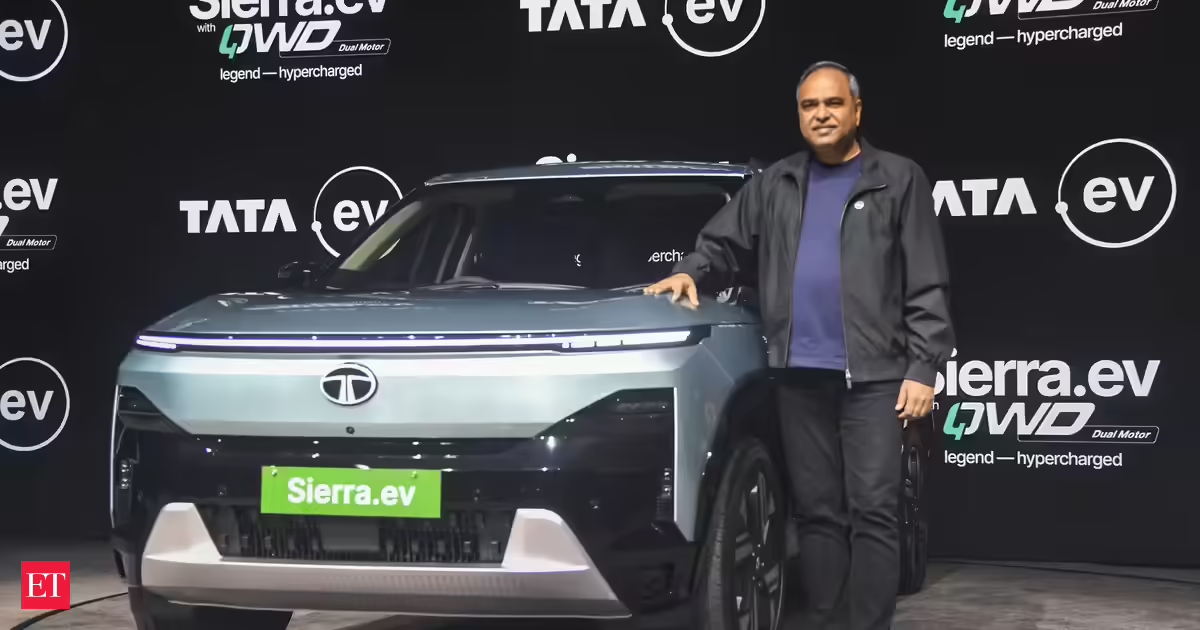
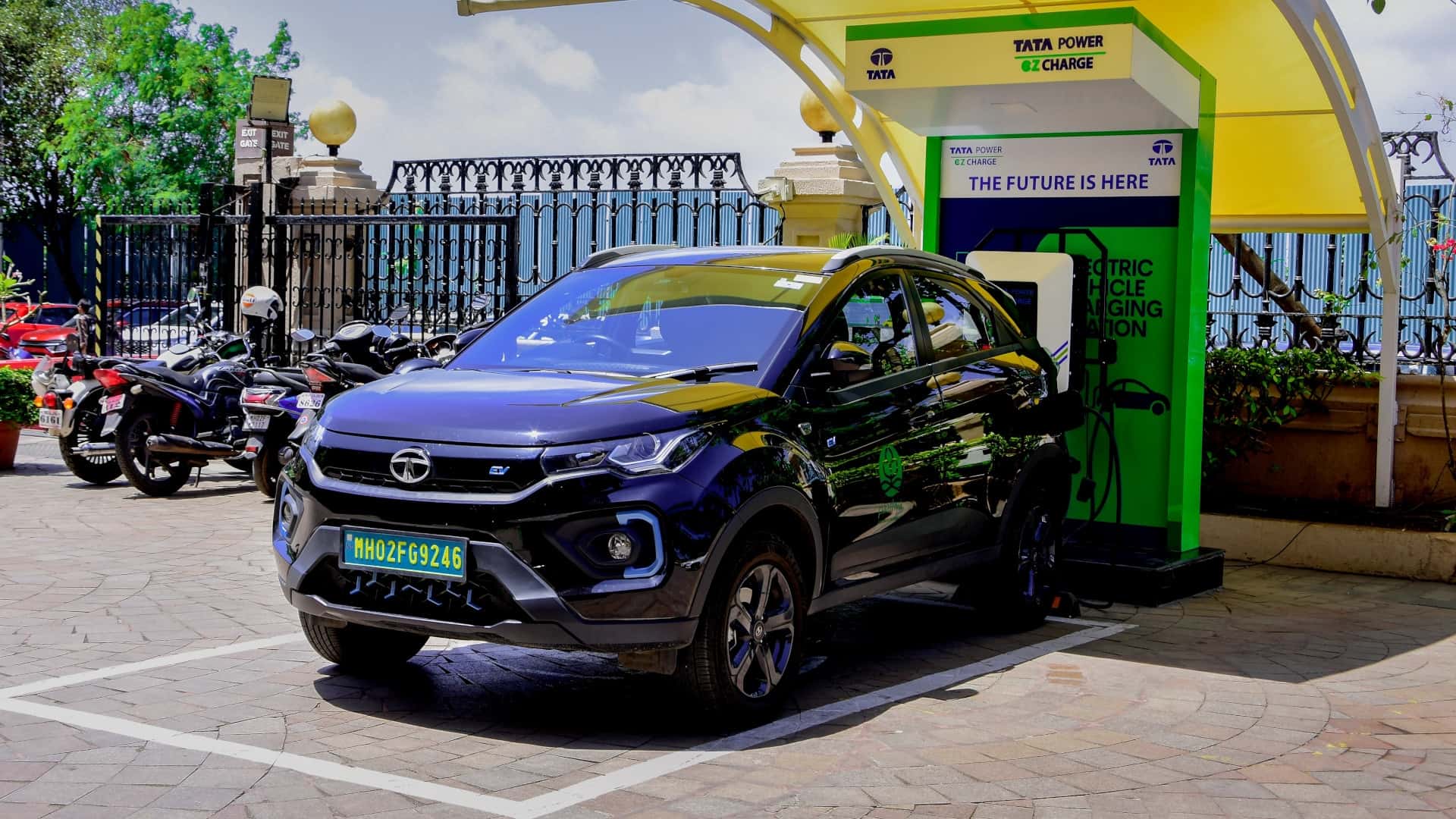
Tata Motors just did something most US EV fans did not expect. Its battery-electric models now top a global energy-efficiency ranking ahead of Tesla and BYD, with Mahindra right behind. In the International Council on Clean Transportation’s 2025 automaker rating, Tata’s fleet averaged about 106 Wh/km (170 Wh/mi), Mahindra came in at 113 Wh/km (182 Wh/mi), while Tesla and BYD only managed third and fourth among 22 major brands. On paper, Indian EVs sip less energy per mile than the usual efficiency darlings.
That headline number raises a tougher question for you as a driver: does a tiny crossover from India that scores 106 Wh/km actually use less energy in real life than a dual-motor Tesla blasting down an American freeway, or are we comparing very different machines in very different conditions? Indian brands are winning this efficiency game even though their EVs still lag global peers on fast-charging speed and outright driving range, and battery-electric models remain well under 5 percent of new-car sales in India versus roughly a quarter of the market globally. Understanding how efficiency tests work, and what those watt‑hours per kilometer really mean, is the only way to turn this global ranking into something useful for future US buyers.