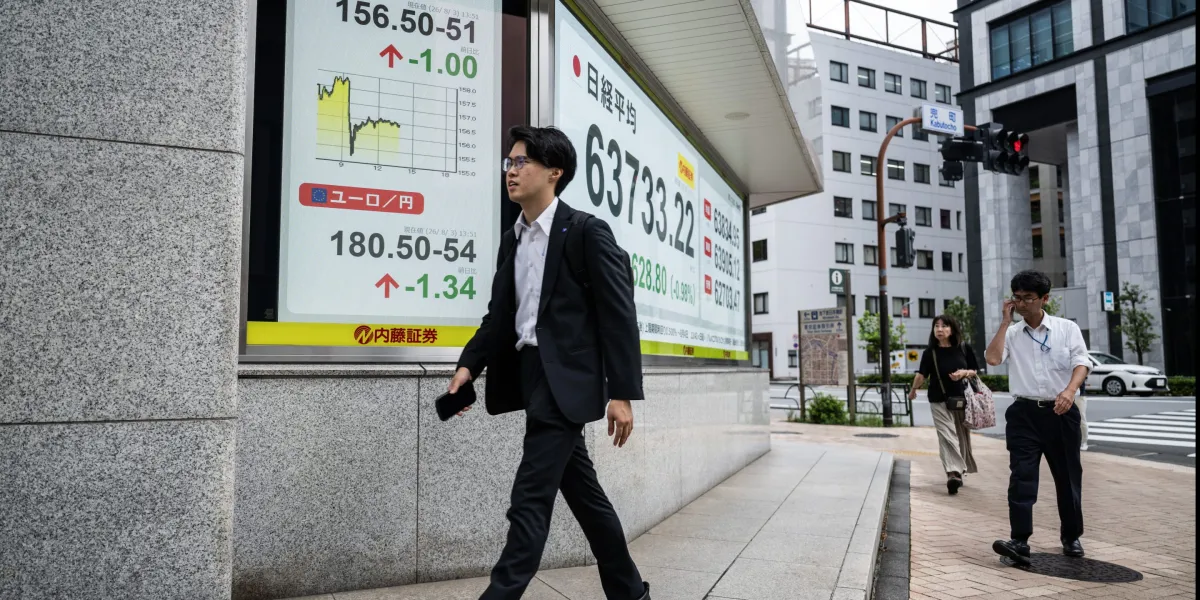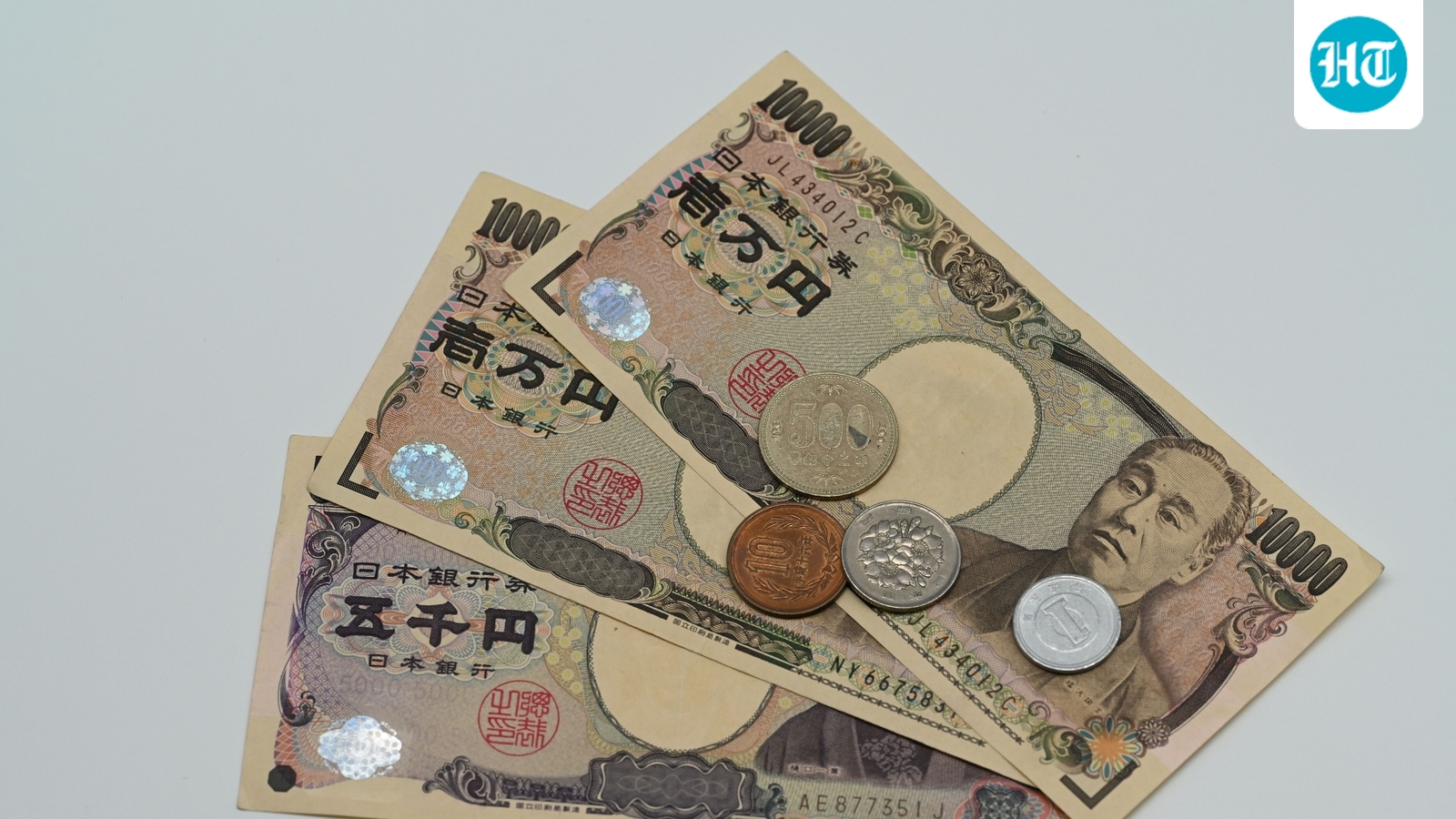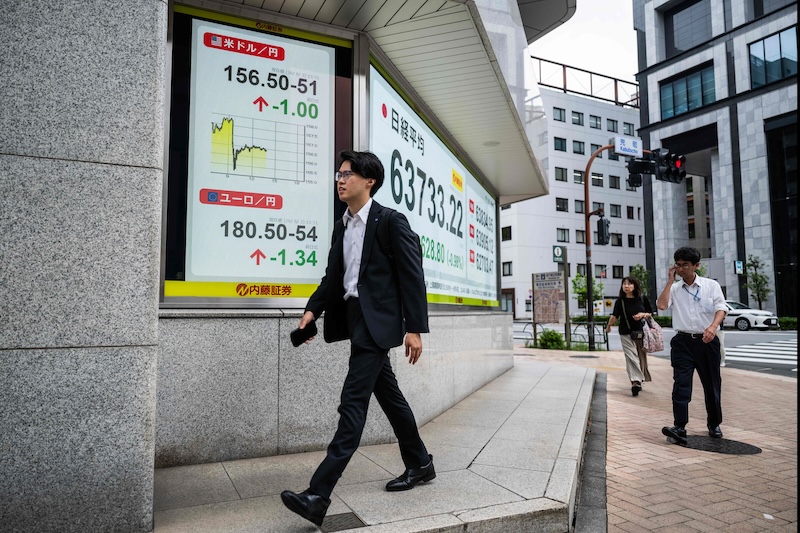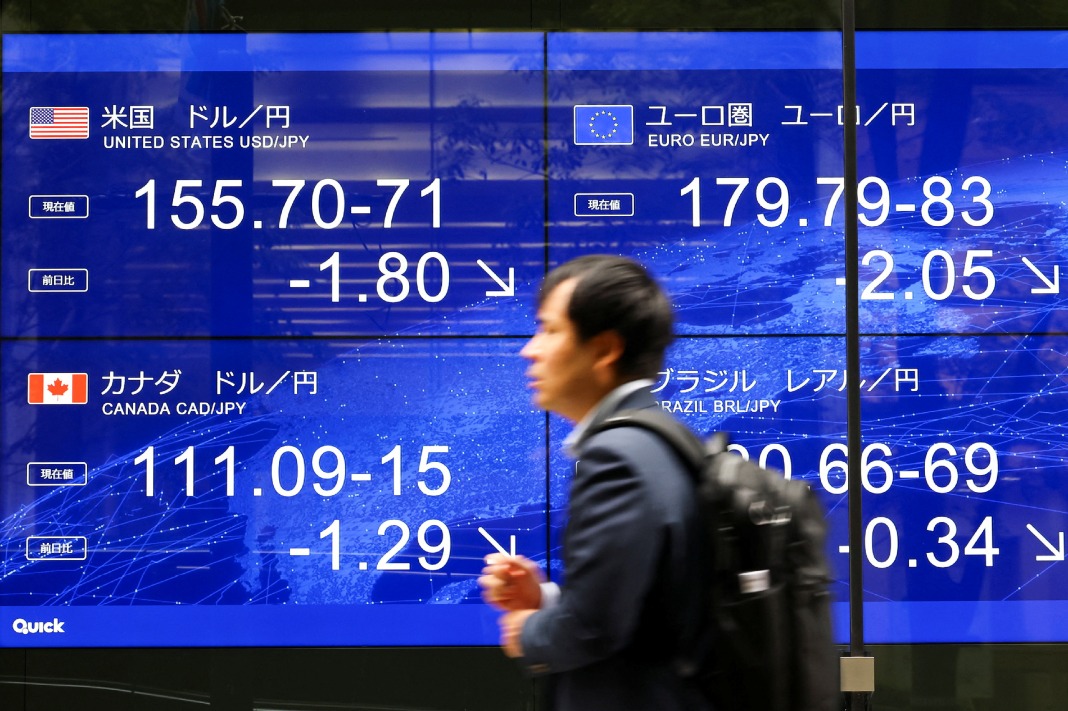
The Japanese yen posted its strongest one-day gain against the U.S. dollar in nearly two years on Thursday after what market sources said was official intervention by Japanese authorities during New York trading hours. According to Reuters, the move was coordinated with South Korean authorities and lifted the yen sharply from levels close to a four-decade low.The sudden appreciation comes after repeated warnings from Japanese officials that they were prepared to step into the foreign exchange market without prior notice. The intervention follows Japan's record currency support operations earlier this year, when authorities spent roughly $70 billion to stabilise the yen.July 2026: Yen jumps after suspected coordinated interventionOn July 30, the yen strengthened by more than 3%, climbing to as high as 157.8 per dollar after touching a near 40-year low of 163.99 just a week earlier. Reuters reported that market participants attributed the sharp move to official yen-buying by Japan during New York trading hours, with a South Korean market source saying Seoul also sold dollars in coordination with Tokyo.The intervention followed a series of official warnings that Japanese authorities were ready to act against excessive currency volatility.April-May 2026: Record $72 billion currency supportJapan previously intervened aggressively in late April and early May after the yen weakened to 160.72 per dollar, its weakest level since July 2024. The currency subsequently strengthened by as much as 3% to around 155.5 per dollar.Finance Ministry data later showed Japan spent a record 11.7 trillion yen (around $72.5 billion) on foreign exchange intervention during the period, making it the largest monthly intervention on record.July 2024: Authorities return to the marketOn July 11-12, 2024, Japanese authorities spent approximately 5.53 trillion yen ($36.8 billion) supporting the currency. The intervention helped the yen recover from around 161.76 per dollar to nearly 157.30.Earlier, on June 26, 2024, Japan's top currency diplomat warned officials were on high alert over the yen's rapid depreciation as it traded at its weakest level in nearly 38 years.April-May 2024: Two major intervention roundsJapan carried out its largest single-day yen-buying intervention on April 29, 2024, after the currency weakened beyond 160 per dollar. A second round followed on May 1, bringing the combined intervention to approximately 9.79 trillion yen ($62.2 billion).In March 2024, the Bank of Japan, the Finance Ministry and the Financial Services Agency also held an emergency meeting after the yen fell to a 34-year low, signalling readiness to intervene if necessary.2022: First major intervention in decadesJapan returned to the currency market in September 2022 after the yen weakened beyond 143 per dollar. Officials expressed growing concern over rapid and one-sided currency moves.Between October 21 and 24, 2022, Japan conducted its then-largest-ever yen-buying operation, spending about 6.35 trillion yen ($42.8 billion) to support the currency.Earlier that year, in June, the Japanese government and the Bank of Japan issued a rare joint statement expressing concern about the yen's sharp decline after it weakened beyond 134 per dollar.2011: Earthquake and tsunami trigger global actionFollowing the devastating March 2011 earthquake and tsunami, the yen surged to record highs. On March 18, the Group of Seven (G7) nations jointly intervened to weaken the yen and stabilise financial markets.Later that year, Japan also intervened independently in August and October to limit further yen strength, fearing it would undermine the country's fragile economic recovery.2010-2004: Frequent intervention to manage yen strengthJapan re-entered currency markets in September 2010 for the first time in six years, selling yen after the dollar fell to a 15-year low against the Japanese currency.Earlier, a prolonged intervention campaign between 2003 and March 2004 saw Japan spend roughly 35 trillion yen—more than $300 billion—to curb the yen's appreciation, making it one of the largest intervention efforts in history.Early 2000s: Coordinated international operationsBetween 1999 and 2002, the Bank of Japan repeatedly intervened to sell yen, sometimes in coordination with the U.S. Federal Reserve and the European Central Bank. Reuters reported that these efforts were aimed at preventing excessive yen strength from undermining Japan's economic recovery.Following the September 11 attacks in 2001, the Bank of Japan again sold yen with operational assistance from the Federal Reserve and the ECB.Asian financial crisis and the 1990sDuring the Asian financial crisis in 1997-98, the yen weakened sharply, nearing 148 per dollar despite coordinated buying by U.S. and Japanese authorities.Earlier in the decade, Japan frequently intervened to curb yen strength, while the United States and European central banks also worked together during 1994-95 to support the U.S. dollar as it hit historic lows against the yen and the German mark.Plaza Accord and the free-floating yenJapan's modern exchange-rate history has been shaped by several landmark international agreements.The 1985 Plaza Accord saw the Group of Five industrial nations agree that the U.S. dollar was overvalued and coordinate efforts to weaken it. Two years later, the 1987 Louvre Accord aimed to stabilise global currencies after the dollar's decline.Before that, in 1973, Japan abandoned its fixed exchange rate system and allowed the yen to float freely against the U.S. dollar, marking the beginning of its modern foreign exchange regime.Market significanceThe latest suspected intervention highlights Japan's continued willingness to act against excessive currency volatility as the yen remains under pressure from interest rate differentials with the United States. While intervention can provide short-term relief, analysts say the currency's longer-term direction will continue to depend on monetary policy expectations, bond yield differentials and global investor sentiment, according to Reuters.
Global Market | A history of Japan's biggest interventions to support the yen
The Japanese yen recorded its strongest one-day gain against the U.S. dollar in nearly two years after suspected intervention by Japanese authorities. The move adds to a long history of currency market interventions, from the Plaza Accord to recent efforts to curb excessive yen volatility.
892 words~4 min read