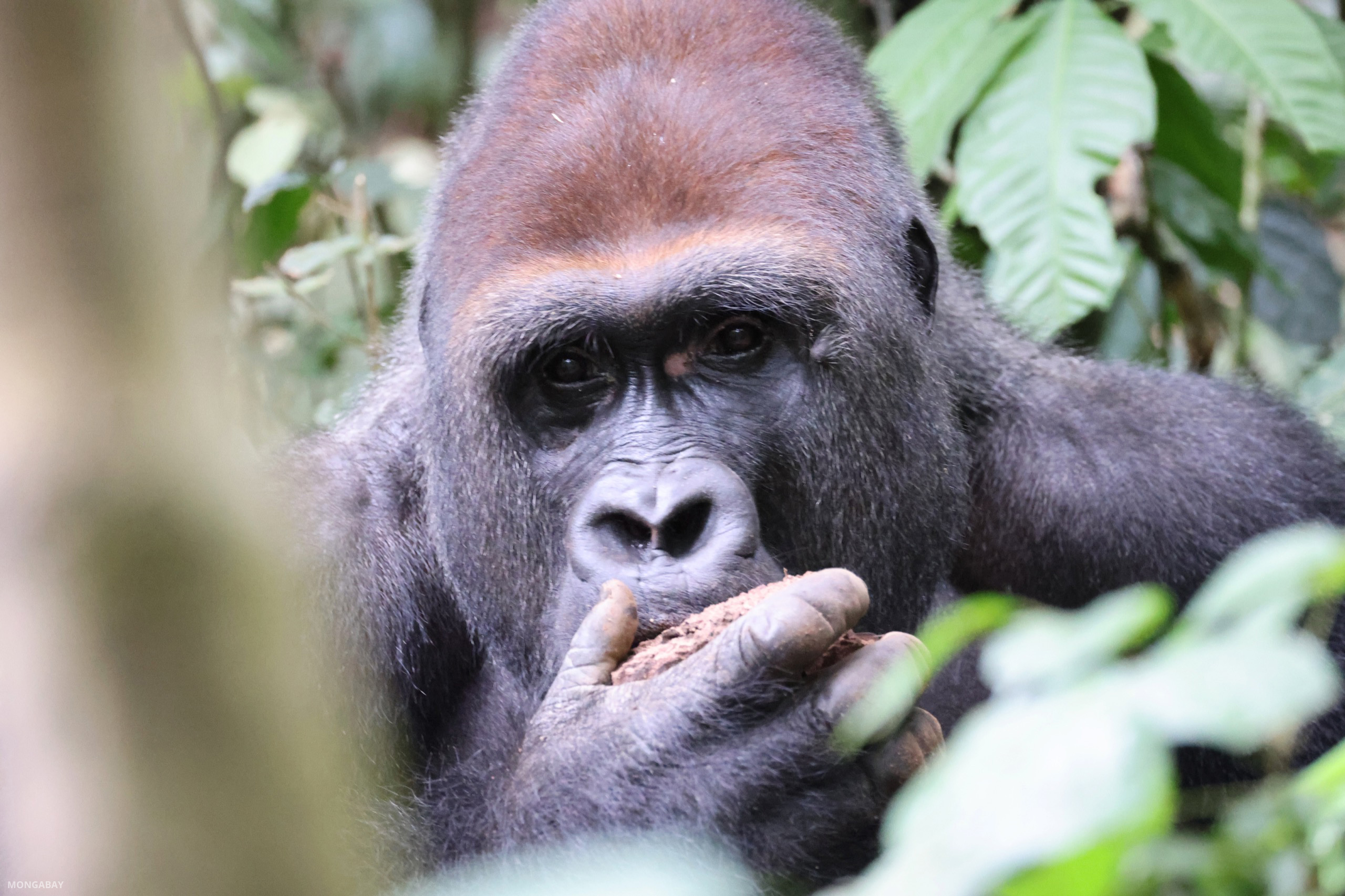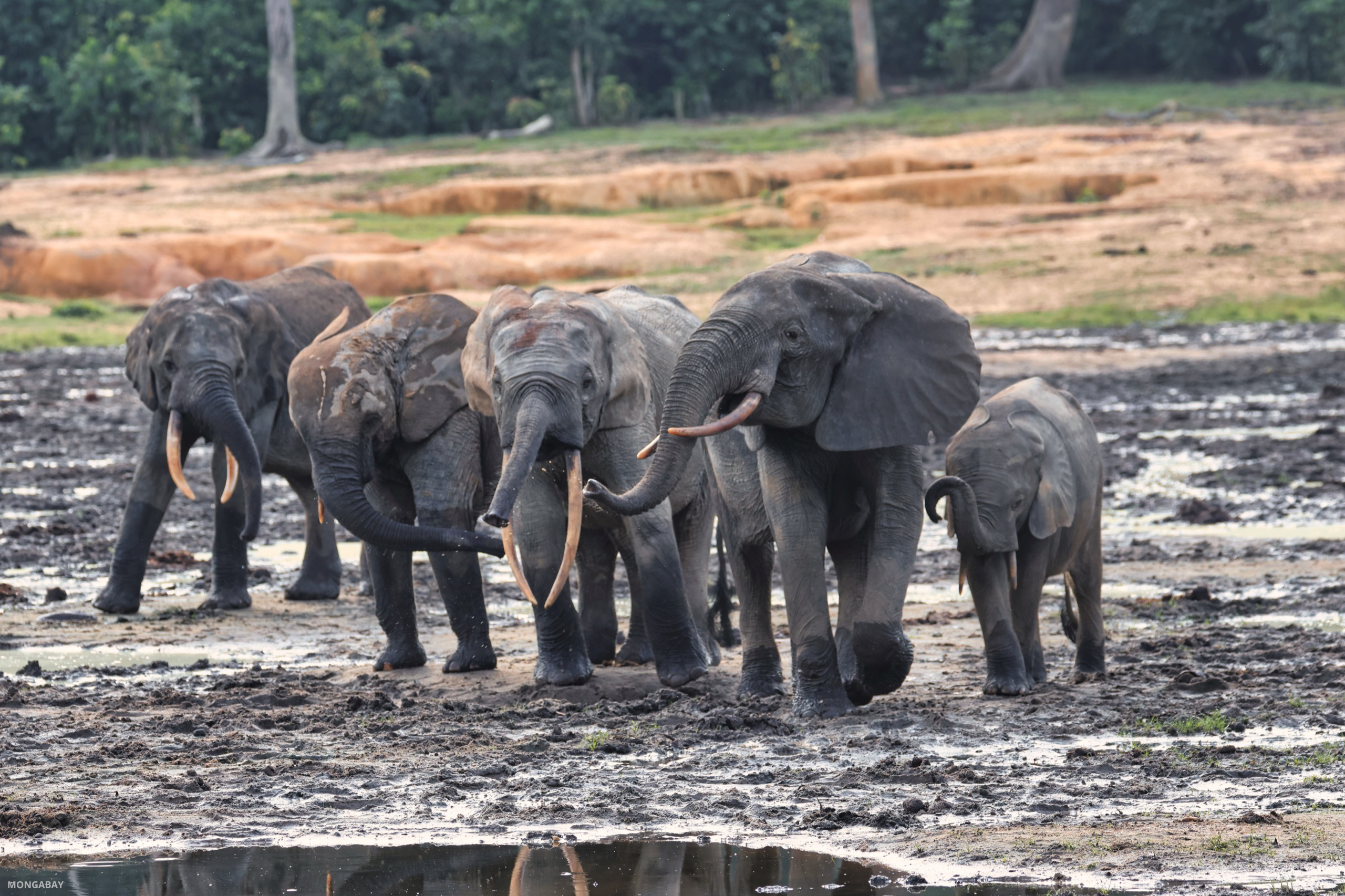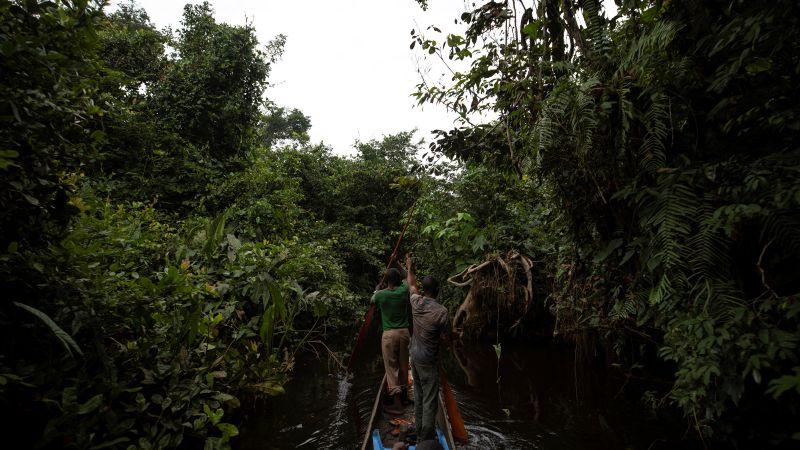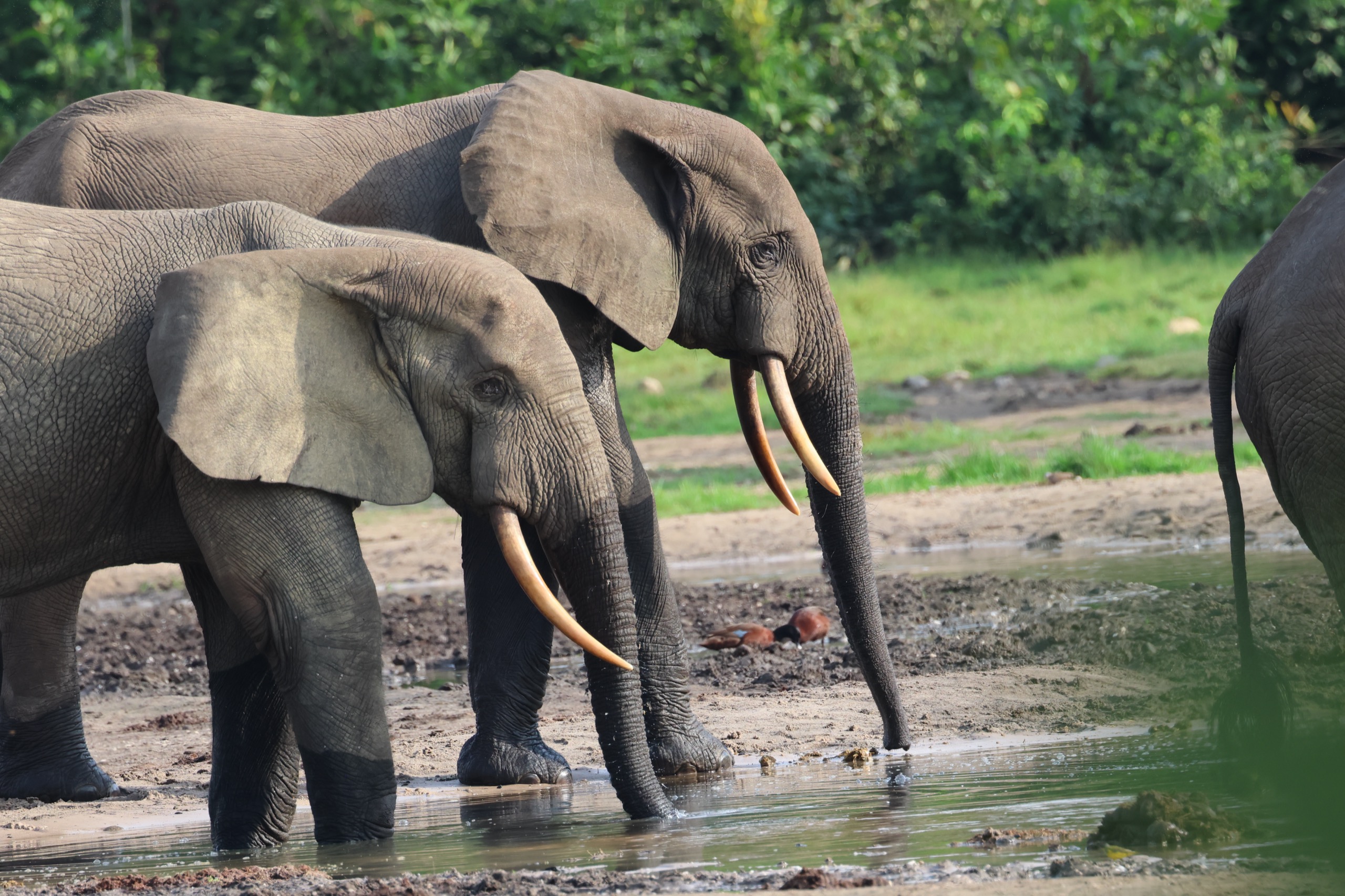
Though conflict and instability have shaped much of the Central African Republic’s recent history, Dzanga-Sangha in the country’s southwest is experiencing a modest rise in ecotourism centered on forest elephants, western lowland gorillas and the dense Congo Basin rainforest.Officials say about 800 tourists visited Dzanga-Sangha in 2025, generating roughly $1 million in revenue, with local guides and lodge workers reporting gradual growth linked to improved stability.Tourism is bringing some benefits, including income sharing, cultural tourism and small economic opportunities, though some involved in the country’s ecotourism ecosystem say job creation remains limited and uneven.While optimism is growing, challenges such as poor infrastructure, limited access and questions about equitable benefits mean Dzanga-Sangha’s ecotourism remains a work in progress.
BAYANGA, Central African Republic — For many outside the country, the Central African Republic remains defined by a set of familiar images: conflict, instability, weak infrastructure and a state that struggles to extend its authority much beyond Bangui, the country’s capital.
These realities are not imaginary. They continue to shape daily life across much of the country. Roads are in poor condition, health services are fragile and insecurity persists in certain areas. For years, these conditions have overshadowed nearly every other story.