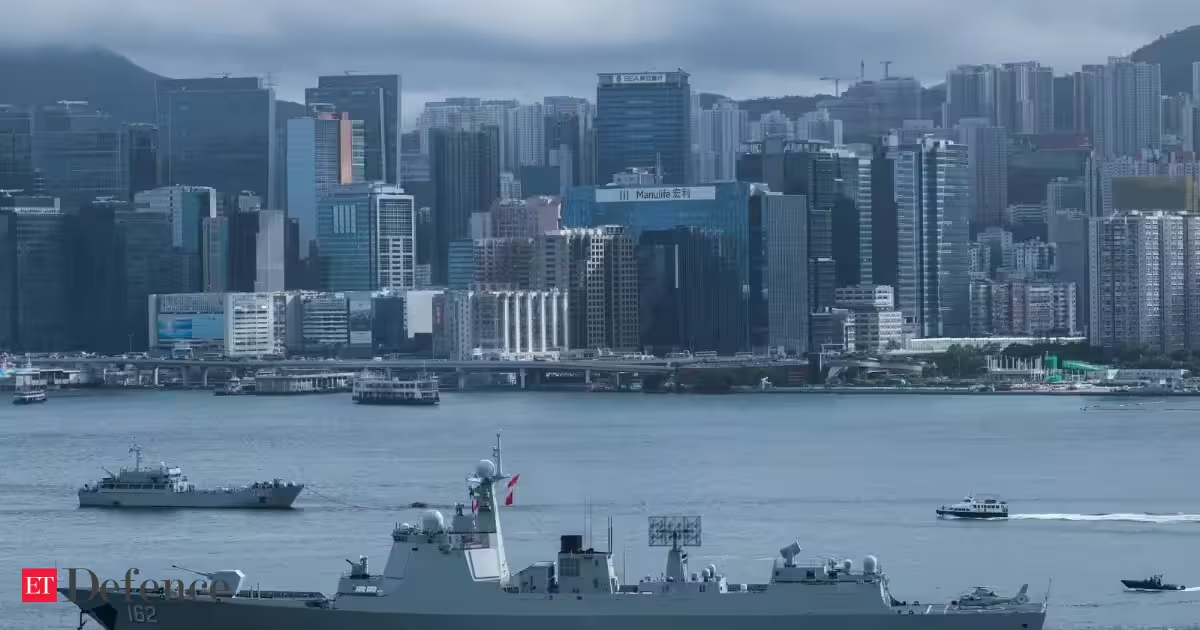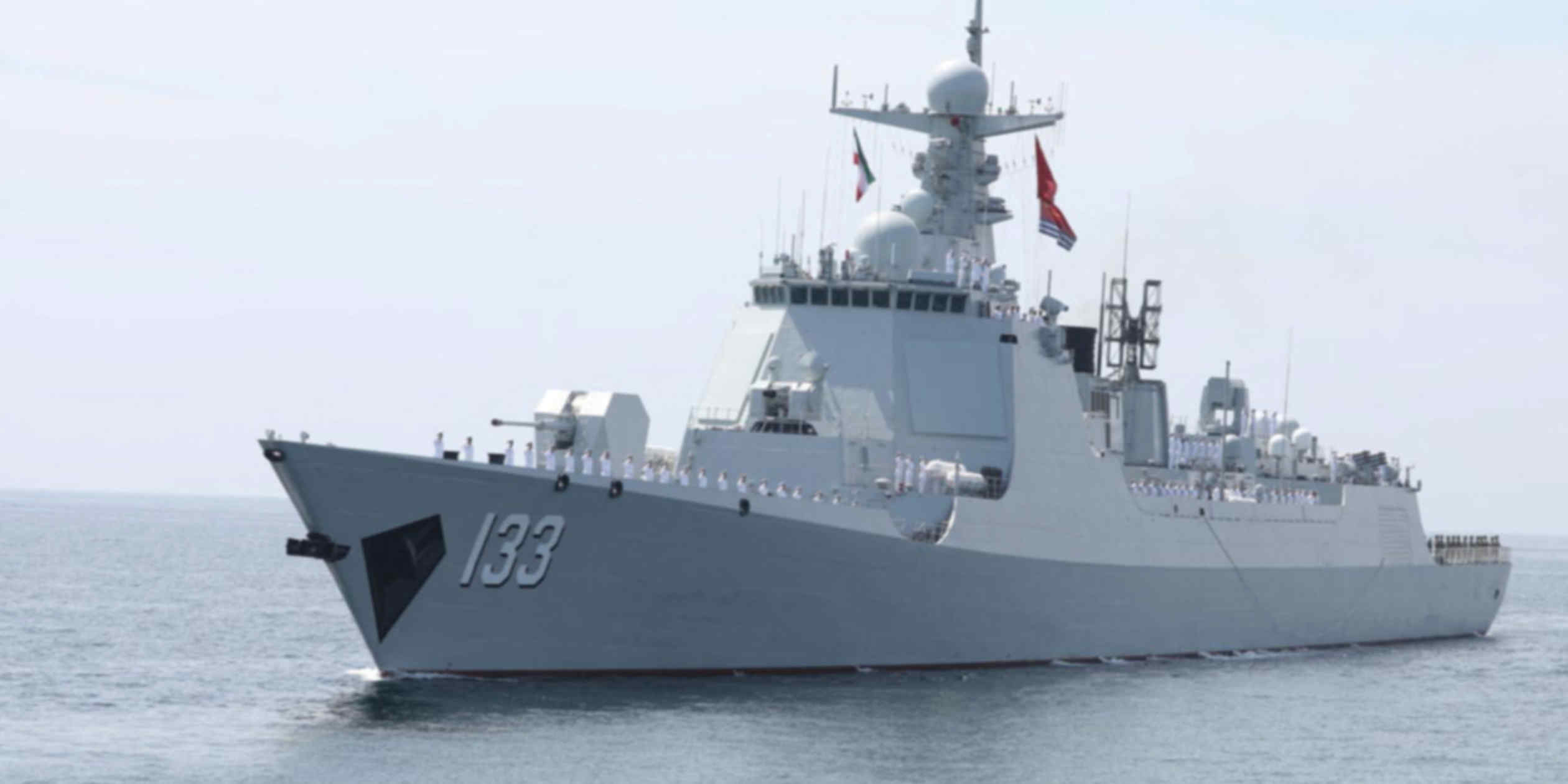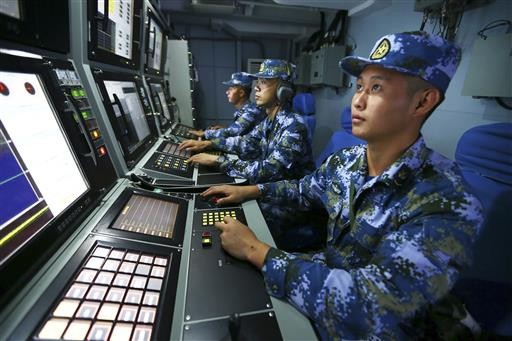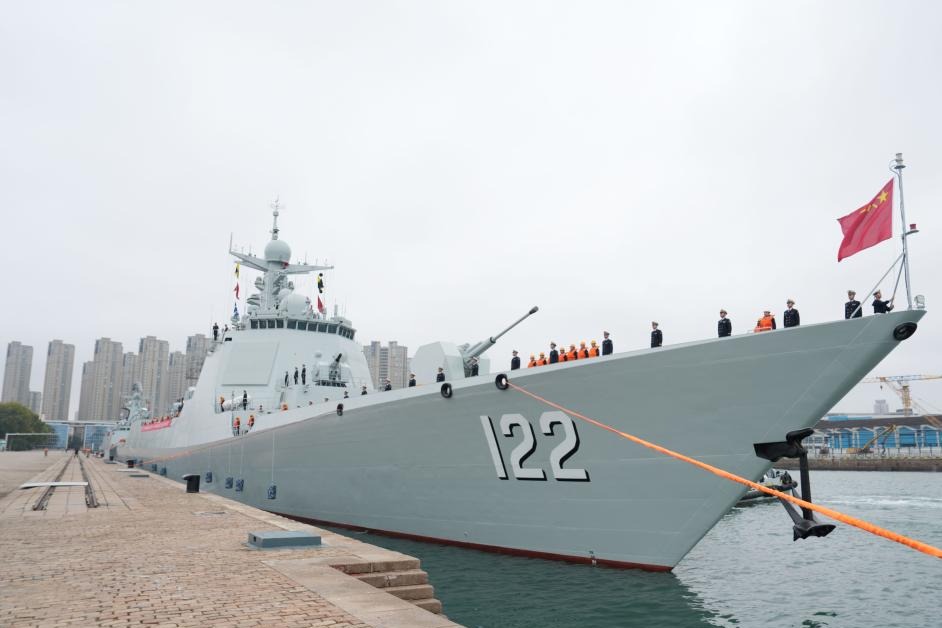
Guided-missile destroyer Tangshan sets sail at a port in Qingdao, East China's Shandong province, Oct. 11, 2025. A new fleet of the Chinese People's Liberation Army Navy set sail from a military port in Qingdao, East China's Shandong province, to take over an escort mission from the previous fleet in the Gulf of Aden and waters off Somalia. This 48th navy fleet comprises a missile destroyer, a missile frigate and a supply vessel -- with two helicopters and dozens of special forces members on board [Photo/Xinhua]
Long before the Strait of Hormuz became a critical and highly vulnerable choke point for global energy trade, the maritime world witnessed the threat posed by non-state actors engaged in piracy off the Gulf of Aden in the Arabian Sea starting around 2008.
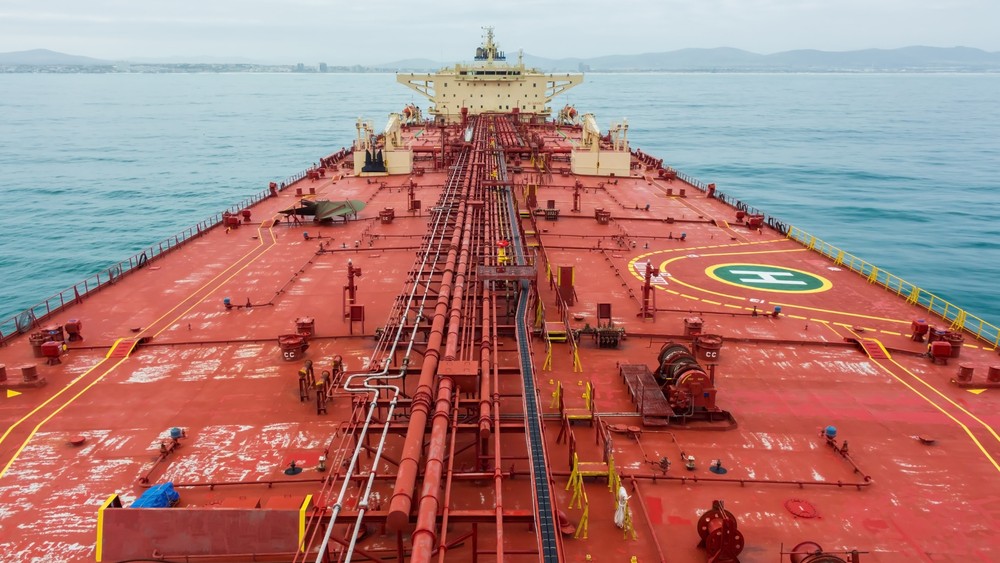
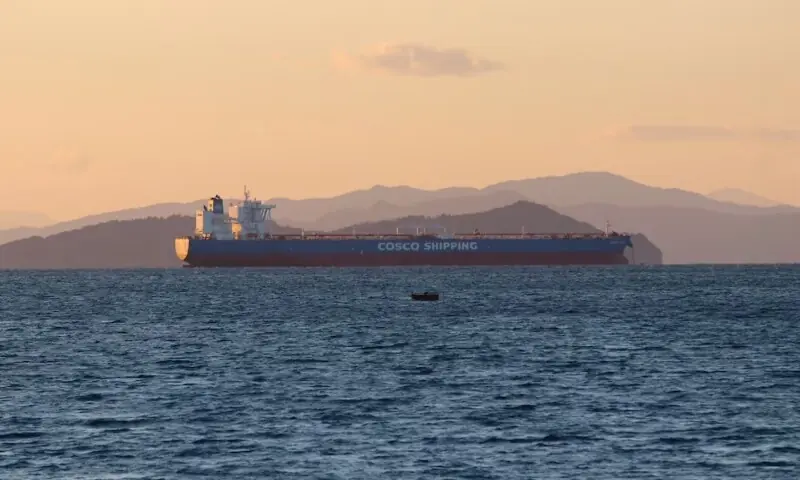
The Gulf of Aden became a focus of attention due to the activities of a small group of Somali pirates. A large number of merchant vessels that were engaged in legitimate maritime trade were attacked, many were hijacked, and billions of dollars were lost through ransom payments, increased insurance premiums and the rerouting of vessels around the Cape of Good Hope.
No single navy in the Indian Ocean region could handle this maritime security threat on its own. In view of the grave threat to freedom of maritime commerce, the United Nations Security Council adopted several resolutions authorizing international naval cooperation against piracy. Numerous naval forces — including those of the United States, the European Union, NATO, India, Japan, Russia, the Republic of Korea and China — deployed warships to safeguard freedom of navigation in the region.