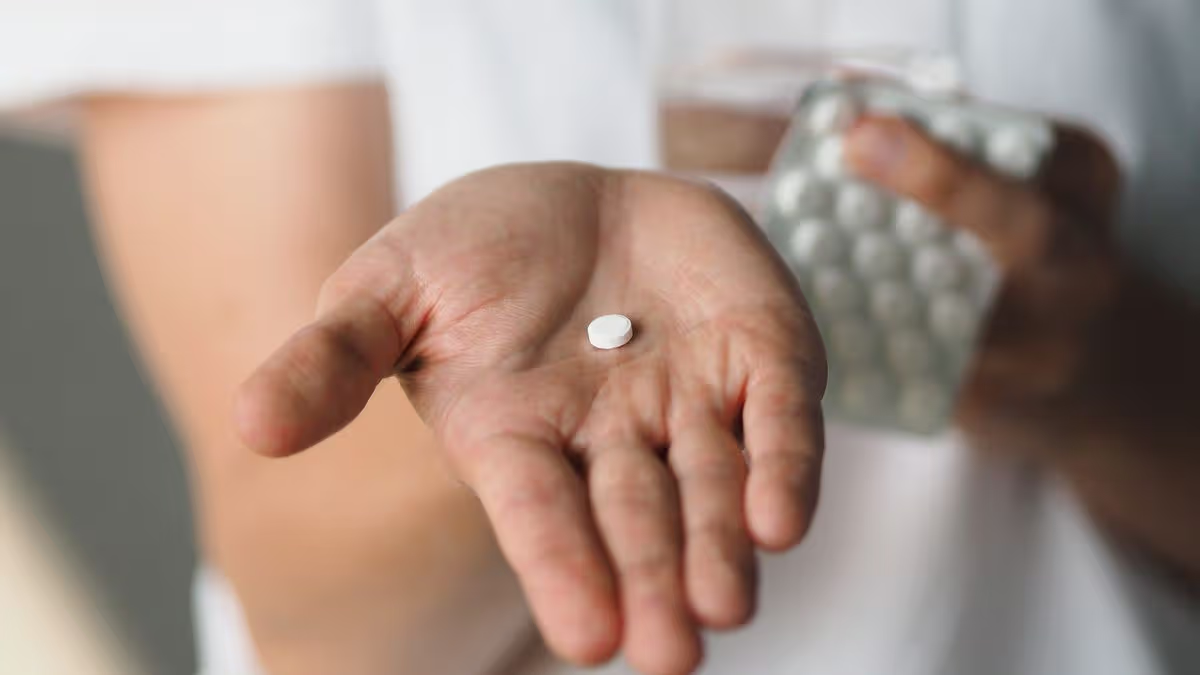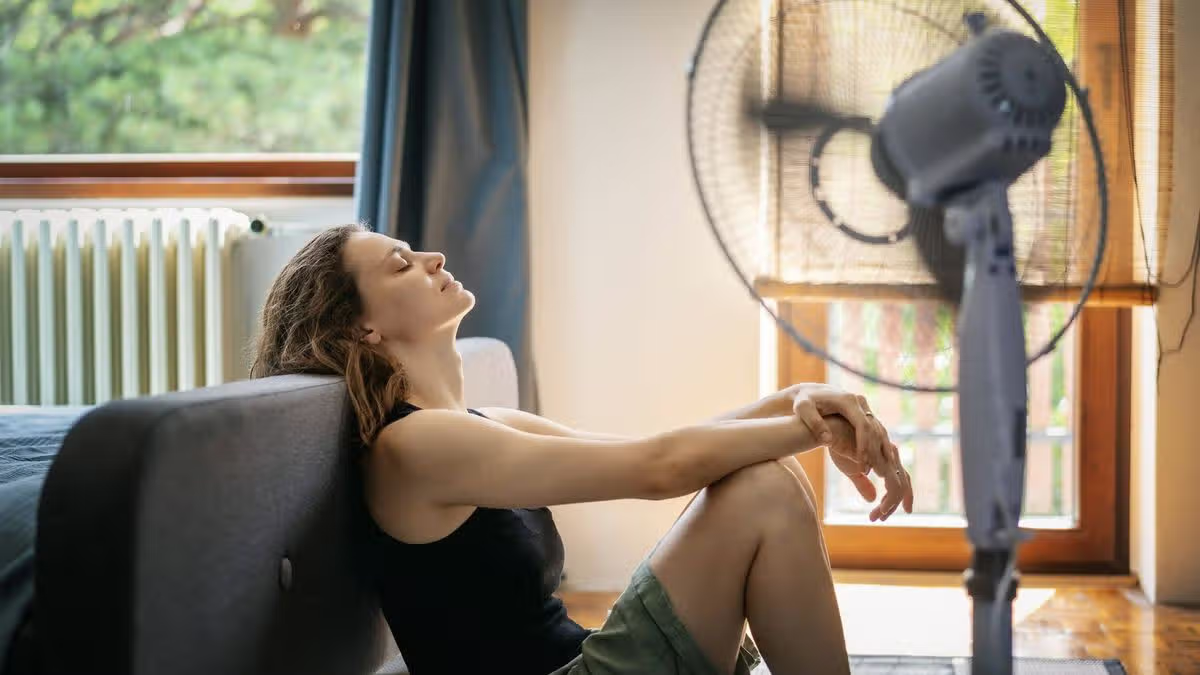
Social News Reporter Alice Sjoberg has opened up about what has helped her manage the extreme UK heatwaves while being on antidepressants, and talked to an NHS doctor about his top tips07:17, 31 Jul 2026Updated 07:21, 31 Jul 2026Roughly half of the UK's adults take prescribed medication regularly. Plus, broader historical studies and government figures show that nearly 70% of the population receives at least one prescription per year. Of these millions of people, many might not realise that their medications could affect how their bodies deal with heat.When I first got put on antidepressants in 2019, my doctor didn't tell me anything about how it could change the way I react to intense heatwaves. It was only a couple of years ago that I learned from a random post on social media that people taking certain types of medications were more prone to dehydration and heatstroke.While I had never been very good at handling temperatures over 30C, having grown up in Northern Sweden, I felt like since starting my medication, I was more prone to overheating and getting dehydrated.This has remained the case to this day, especially with the extreme heatwaves the UK has experienced this year. This isn't only just for antidepressants, as several types of medications can cause heat sensitivity and increase a person's risk of becoming unwell in the heat.It could mean that they make a person more dehydrated, make them sweat more, or even increase your body temperature. This includes Beta blockers for heart conditions and high blood pressure, Decongestants for nasal congestion, and even allergy medications.Since learning this, I have become more proactive in how I prepare for and deal with heatwaves. As well as the usual steps like drinking plenty of water, wearing cool and loose-fitting clothing, and avoiding being out in the sun during the hottest parts of the day, there is one habit I have found that has worked the best - taking electrolytes.What are electrolytes?Electrolytes are minerals in your body that carry an electric charge when dissolved in fluid. Key types include sodium, potassium, and magnesium. They help control fluid balance, nerve signals, and muscle contractions.The key electrolytes your body needs are sodium, which manages fluid levels and blood pressure; potassium, which supports heart rhythm and muscle action; magnesium, which helps muscles relax and aids nerve function, as well as calcium, which controls heartbeat and builds strong bonesAdding electrolytes to your drinks helps your body to actually absorb and balance water rather than flushing it out, which helps prevent headaches, fatigue, and painful muscle crampsBut you don't have to buy expensive supplements in the store in order to get these benefits, as simply adding a sprinkle of salt in a glass of water, or eating food that has been fortified with the various electrolytes, will work just as well.Why are electrolytes good during heatwaves?Growing up, my mum always made my brother and me have a glass of electrolytes every day if we were on holiday or spending the day outside on a hot day. While I forgot about the habit when I moved out, I have now reinstated it after realising just how useful it was.While electrolytes have become a new, slightly overhyped trend in the fitness and health world, many don't realise that most people won't need to take them regularly unless they're a professional athlete or have a medical reason to do so. However, if the temperatures are hot and you're sweating more than usual, it's important to drink more than just water.To explain more, NHS GP and Medical Director for Sussex Pathology/One Day Tests, Dr Adam Staten, told The Mirror: "Sip through the day rather than waiting until you're thirsty – thirst means you're already behind."He continued to say: "If you're sweating heavily, water on its own isn't enough, because you're losing salts too. A normal meal, or a rehydration sachet, keeps the balance right.”Before making any major changes to your lifestyle, it's important to consult a doctor first. If you are on medication, you should seek additional advice from an expert. It's also advisable to the fine print on your medication and do your own research too.How to deal with heatwavesDr Staten went on to share more tips and tricks to alleviating the symptoms of a heatwave, which you can start doing before the worst of the heat has kicked in by starting to cool down the house.“Close curtains and blinds on the sunny side first thing in the morning, and keep windows shut while the outside air is hotter than the inside. Open everything up to flush the heat out once it cools in the evening," Dr Staten said. You can also keep the temperature inside more bearable by using an air conditioning unit.If you find that you are still overheating and getting uncomfortable, Dr Staten shared the most effective way to cool your body down quickly: focus on your pulse points.By running cool water over your wrists, or pressing something cold to your neck, it will help to cool down your body faster. This is because the blood vessels there are closer to the skin, allowing your blood to cool as it circulates throughout your body.Article continues belowHe also urged people to stay aware of the signs of heatstroke, saying: "Headache, dizziness, heavy sweating and feeling sick are signs to stop, cool down and rehydrate."But if someone stops sweating, becomes confused, or their skin goes hot and dry, that's heatstroke – call 999. It's a genuine emergency, and knowing the difference matters.”
Advice issued to anyone on antidepressants during hot weather
Social News Reporter Alice Sjoberg has opened up about what has helped her manage the extreme UK heatwaves while being on antidepressants, and talked to an NHS doctor about his top tips
918 words~4 min read