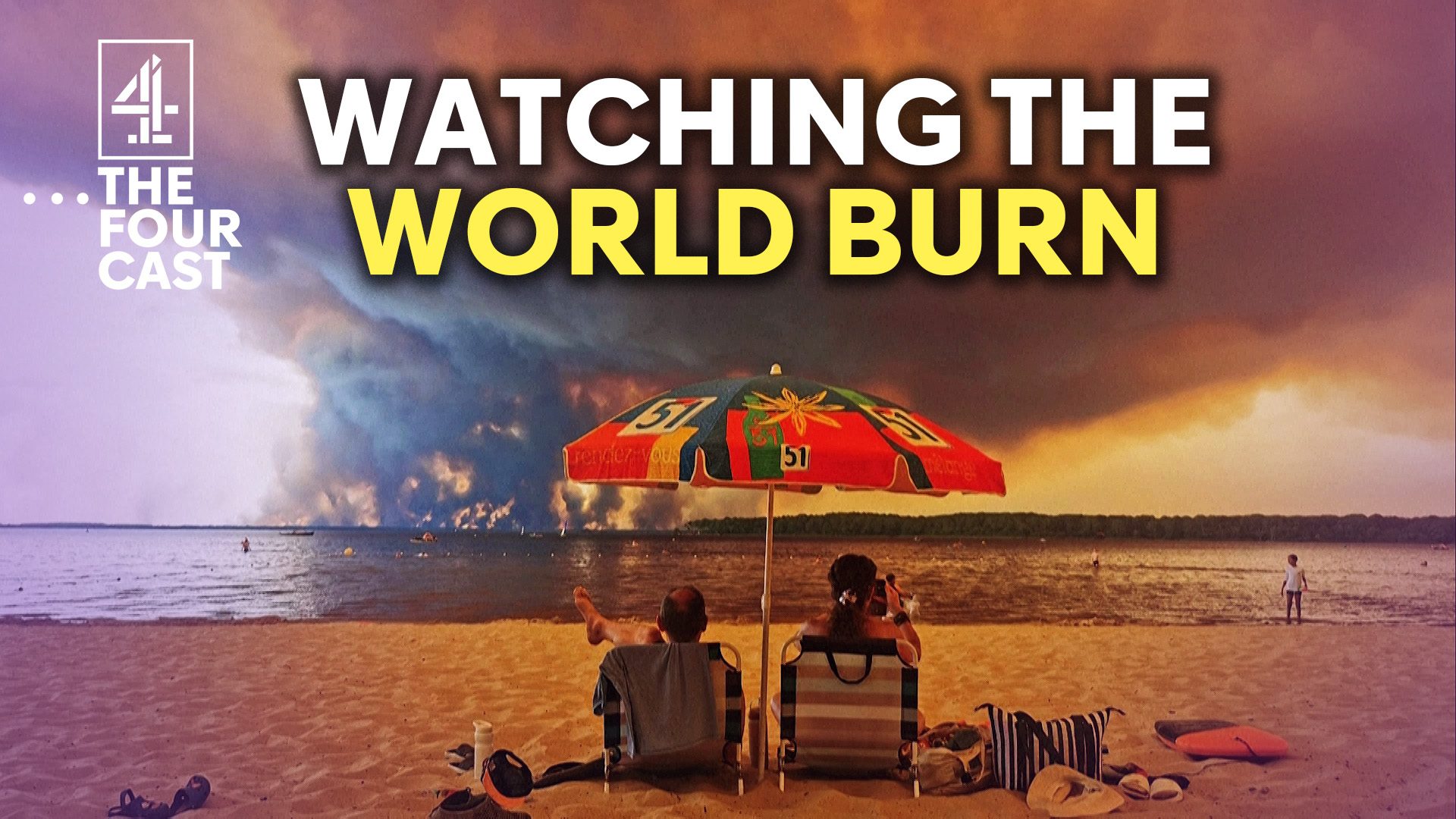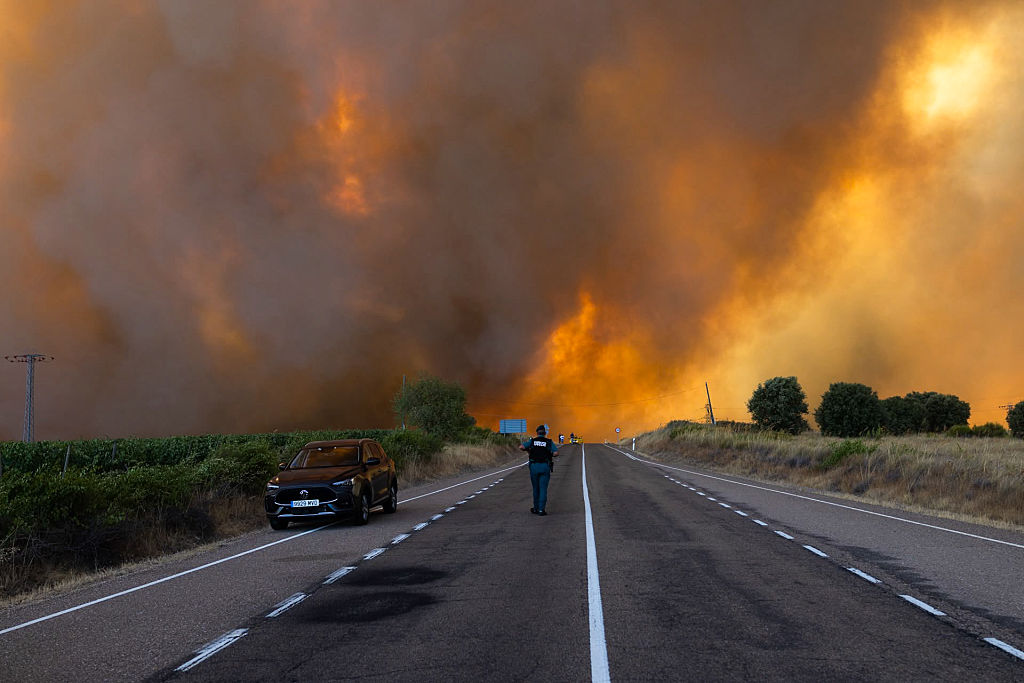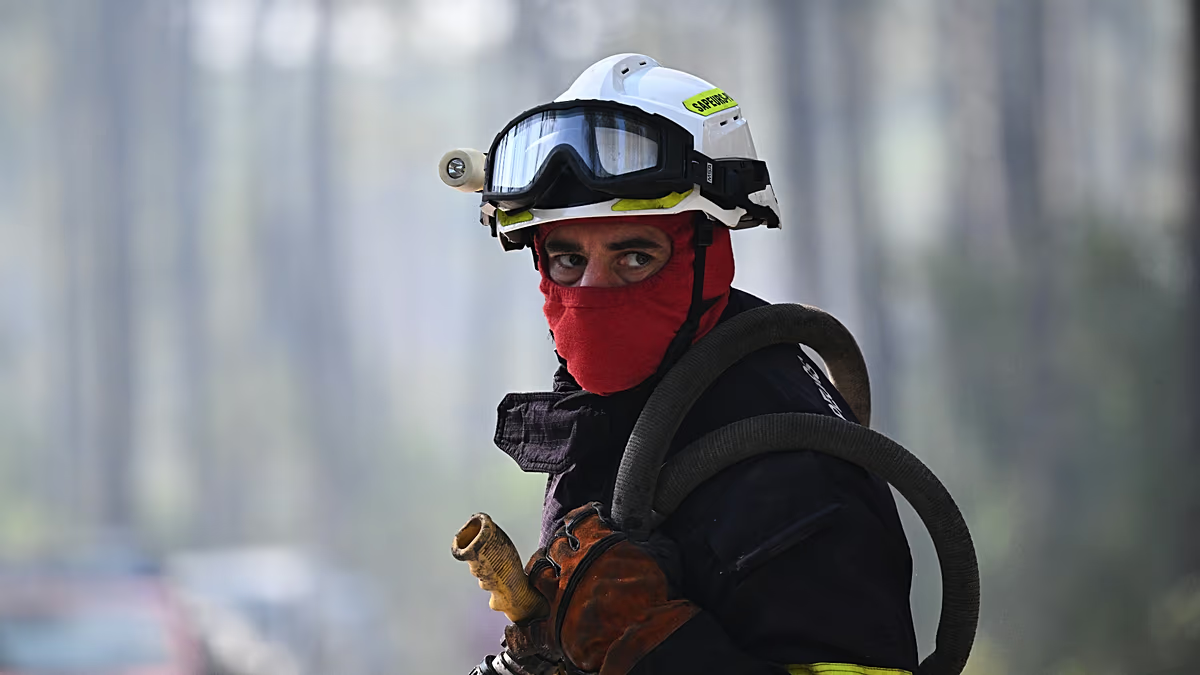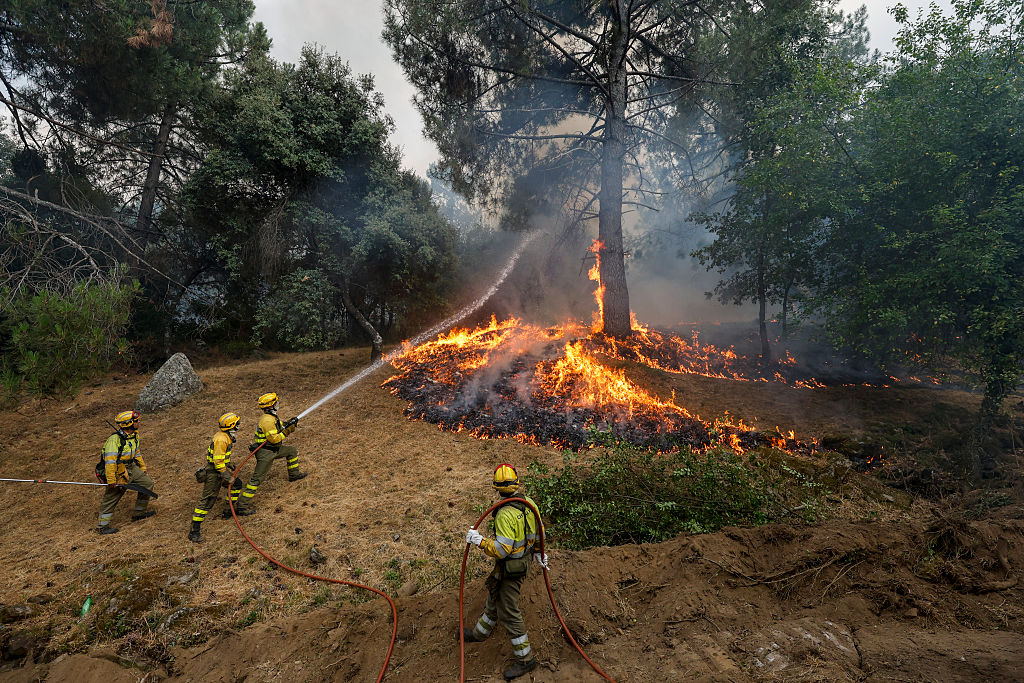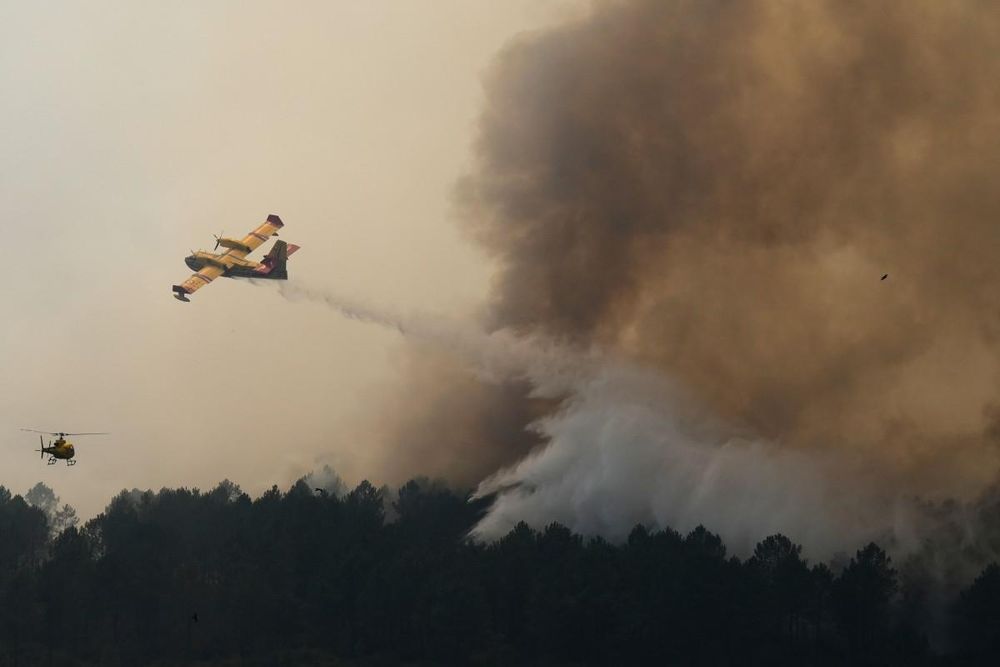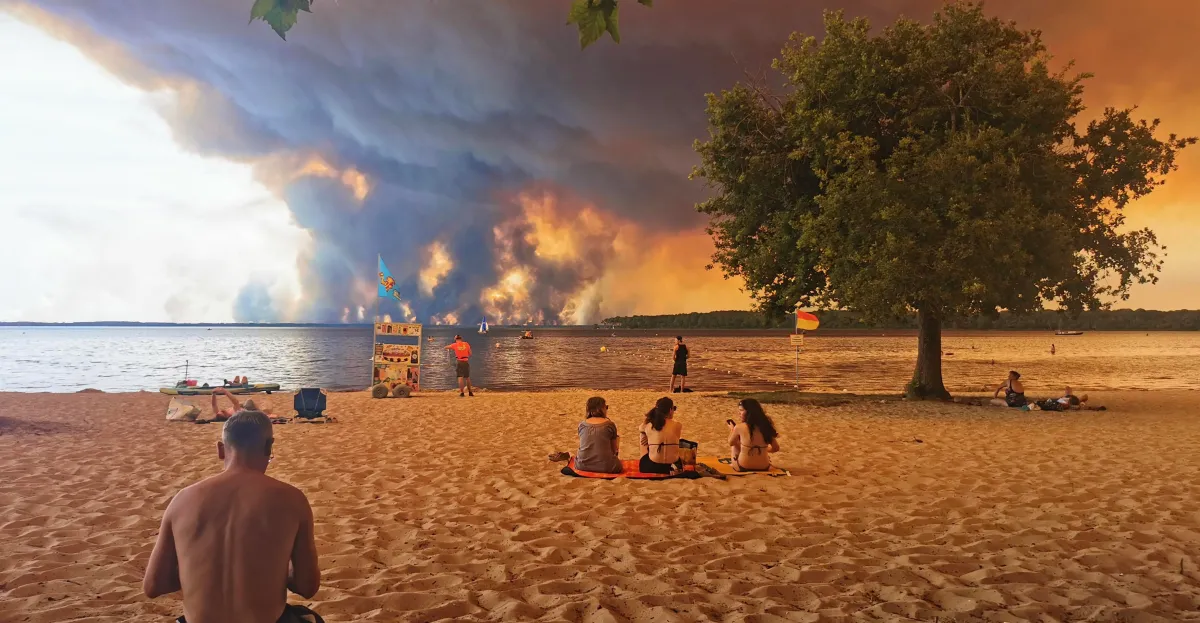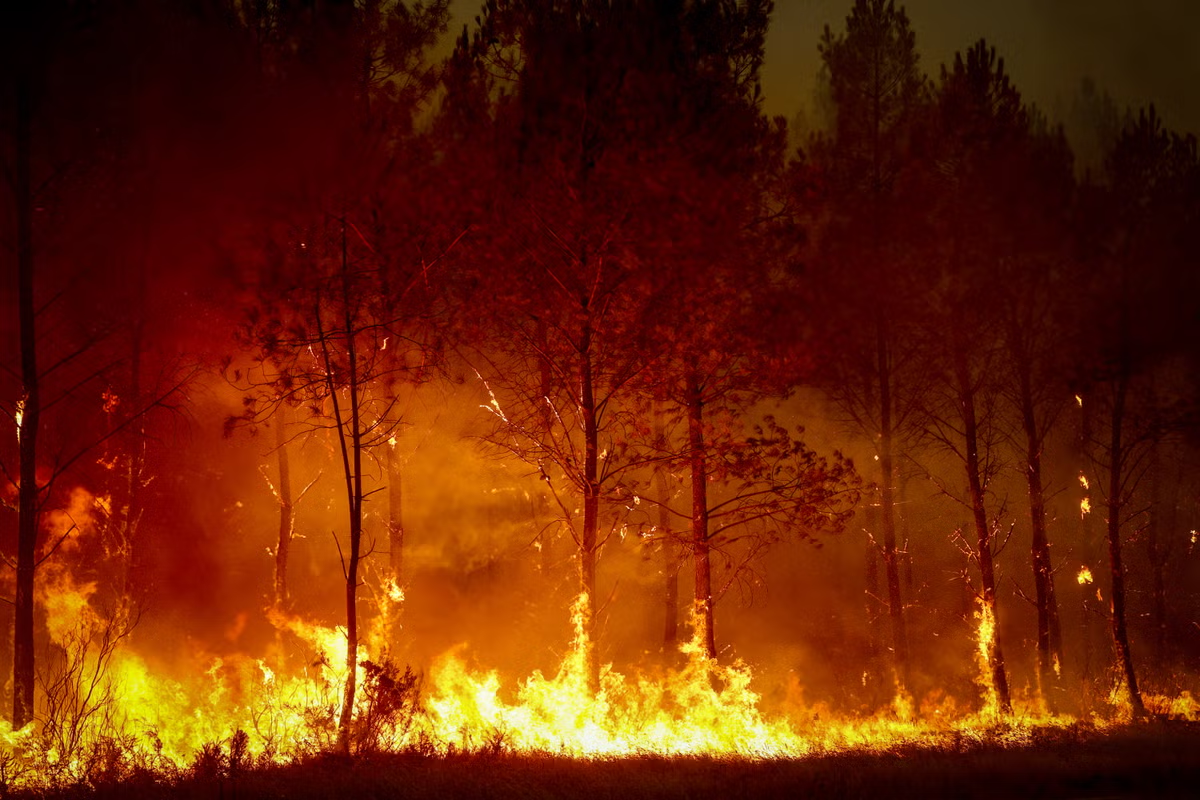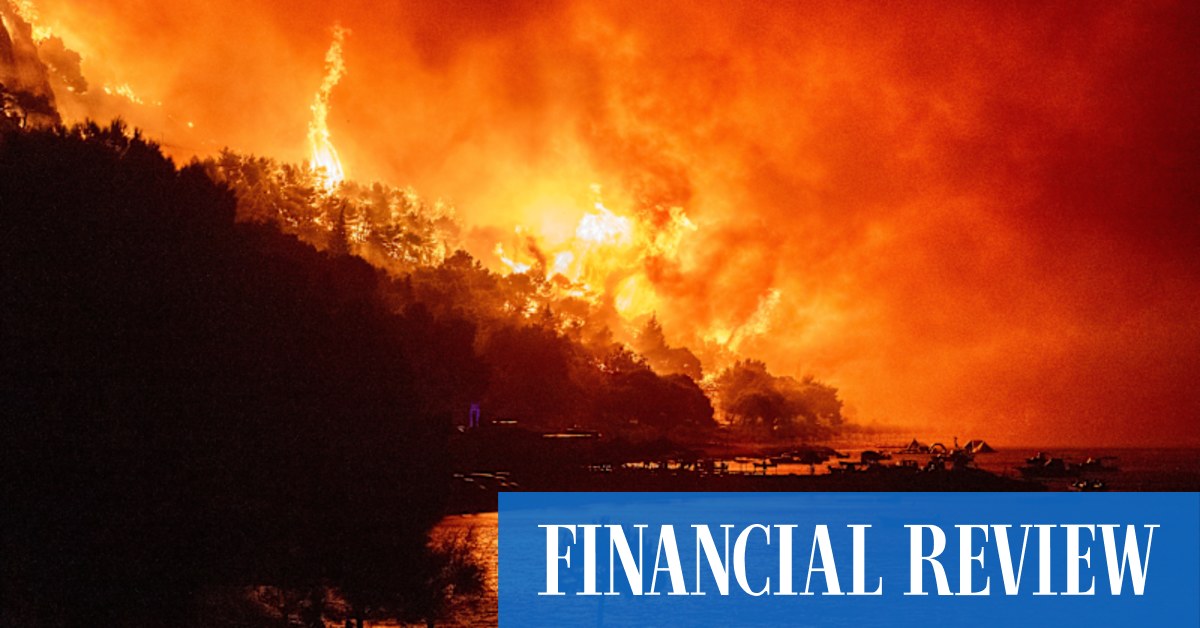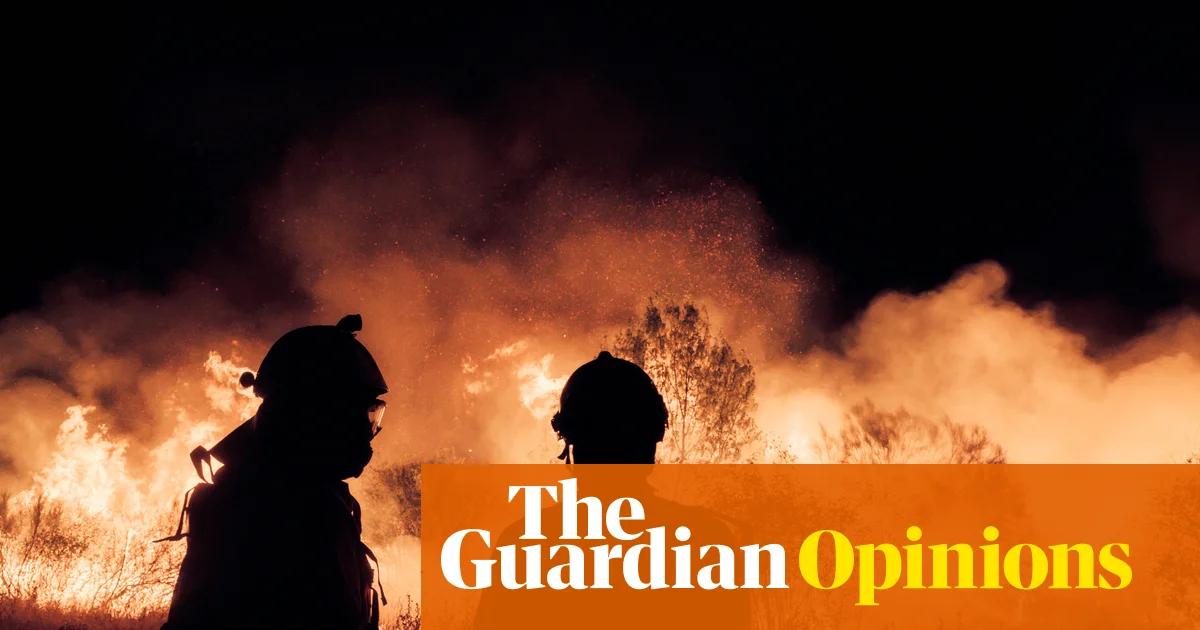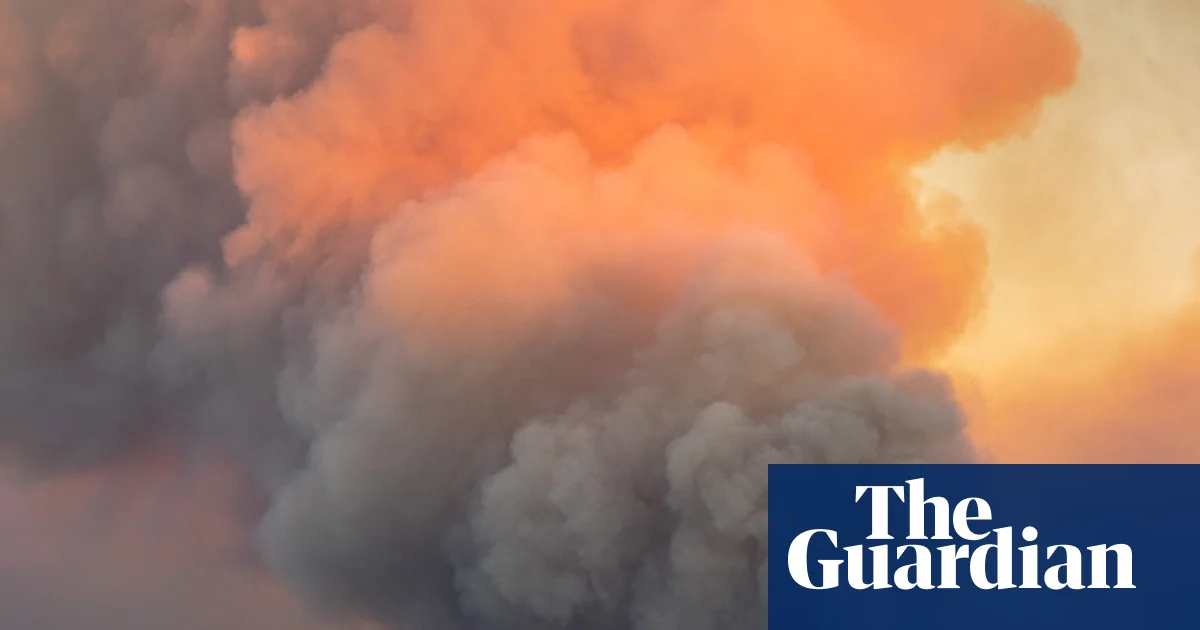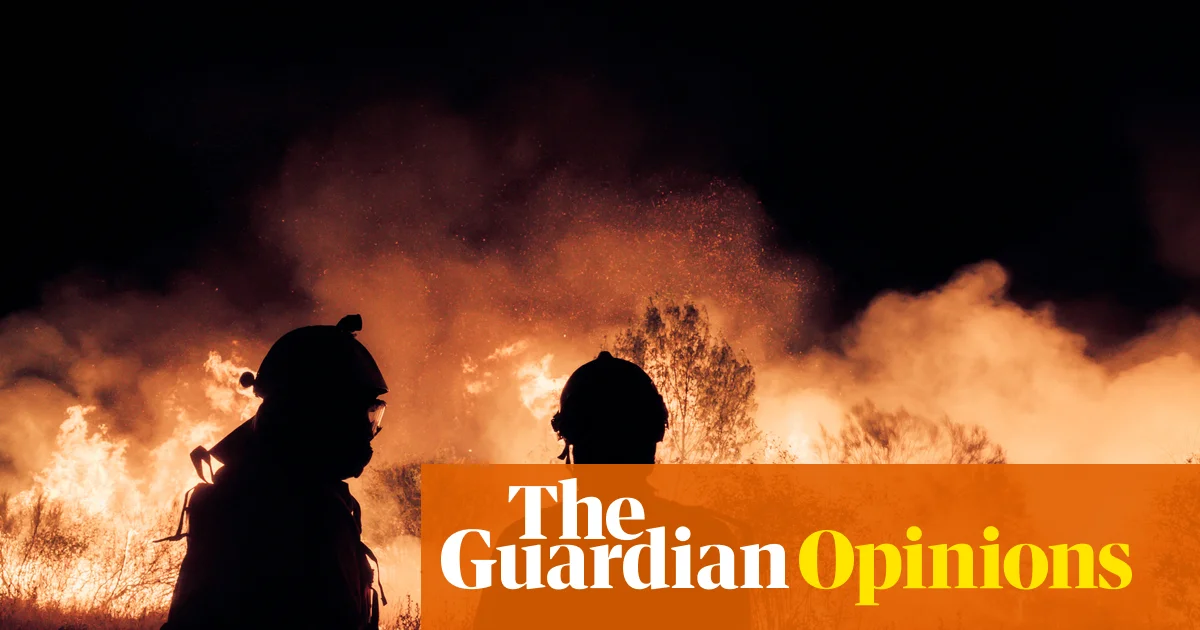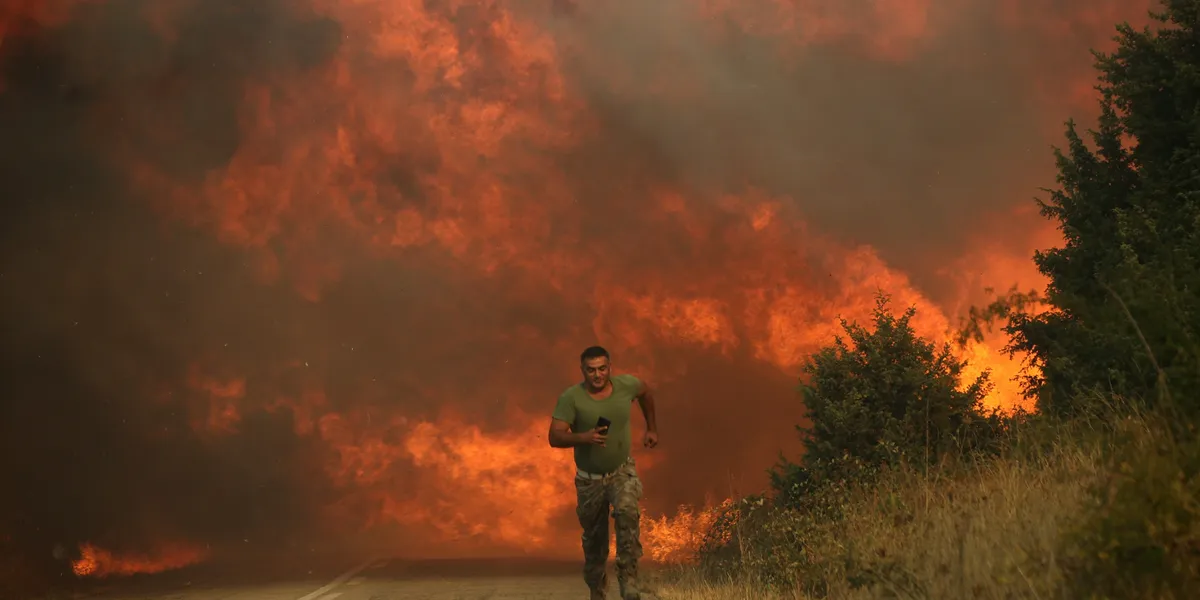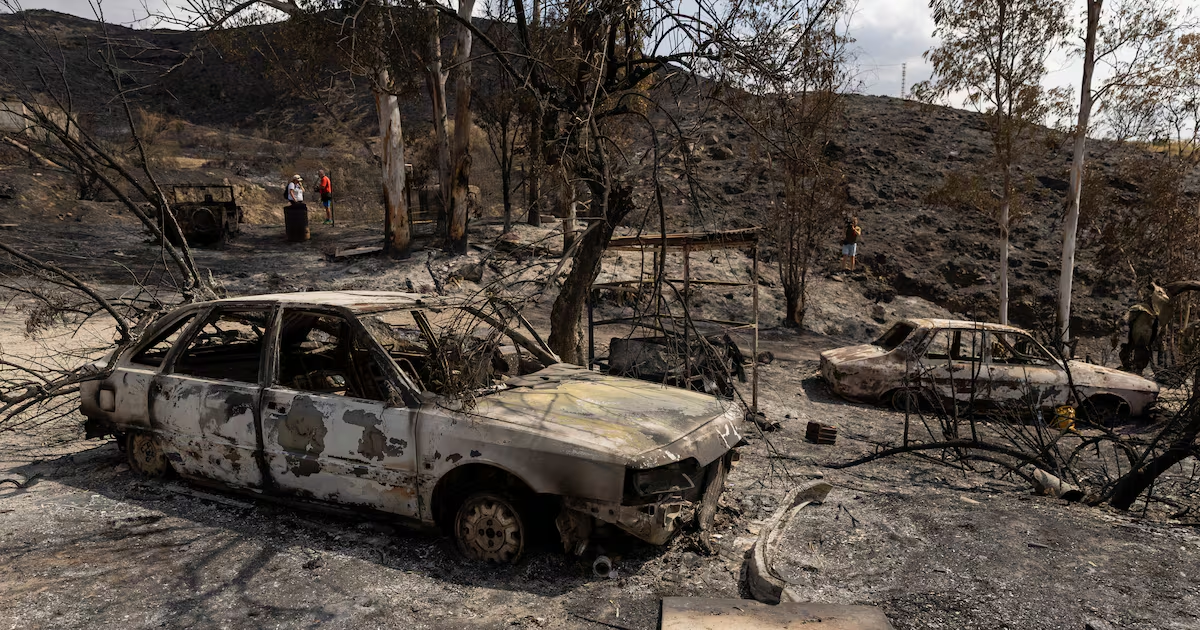
When Stefan Rahmstorf walked through the ruined streets of Dresden after the river Elbe flooded in 2002, and again when severe heat killed 70,000 people in Europe the following summer, the German climatologist wondered if worsening weather would make the political world “wake up and do something really decisively” to cut emissions.But two decades and 750bn tons of atmospheric carbon pollution later, Rahmstorf is still wondering when the wake-up call will come. Last week, as he was surfing off France’s Atlantic coast with his partner, he watched towering smoke plumes darken the sky as a ferocious inferno raged outside Bordeaux.“The sun through the smoke was looking really blood red, and it put the whole landscape into an eerie orange-coloured tint, like being on Mars or in some dystopian sci-fi movie,” says Rahmstorf. “It felt totally surreal.”Europe is suffering through a hellish summer of relentless heat. I’m writing this from Berlin, where temperatures are set to reach 37C (99F) on Thursday – and ferocious wildfires that have broken records in France and Spain.What are the impacts of this, and should it really have come as a surprise? All that and more, after the headlines.Essential reads
‘We can’t make it better again’: what Europe’s wildfires tell us about the climate crisis
In this week’s newsletter: As France and Spain battle huge fires in this summer of relentless heat, will it be enough to spur us to take action?
993 words~5 min read