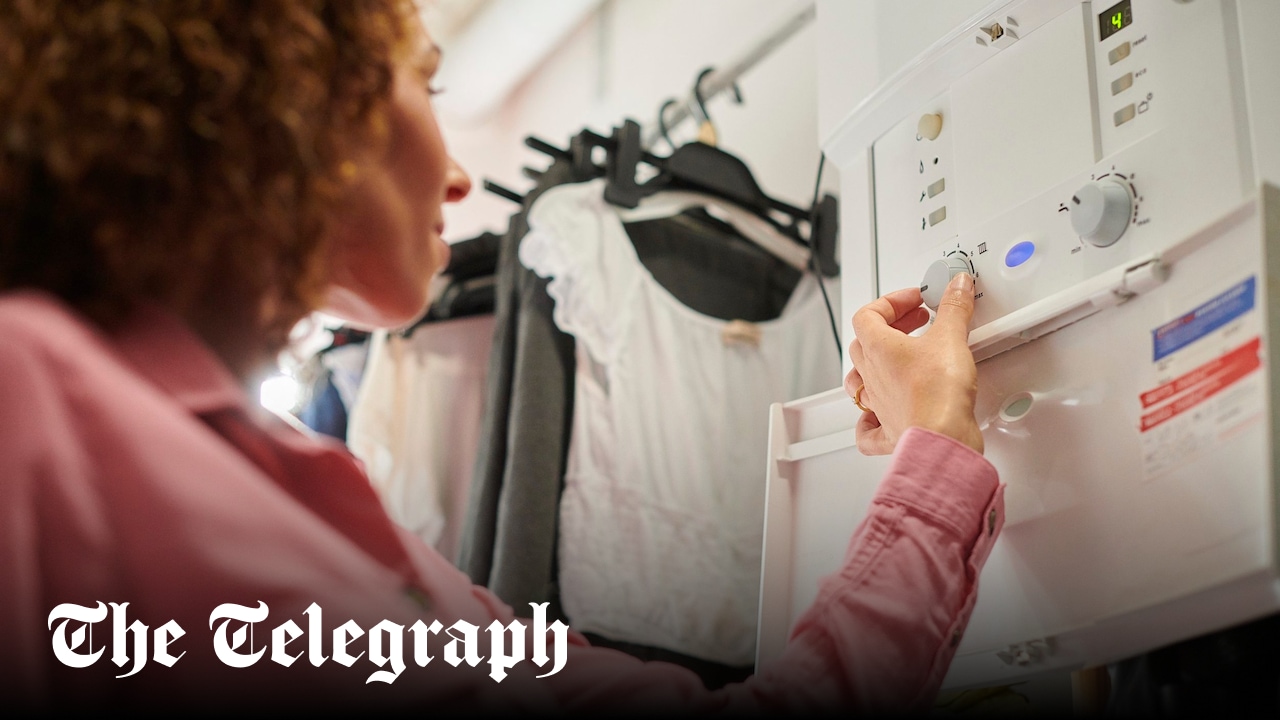
NewsUK NewsEnergy billsMore than 25 million British homes have been labelled an 'achilles heel' by experts, who have listed five recommendations on how the government should respond06:48, 31 Jul 2026Millions of British households with gas-powered boilers have been labelled as an ‘achilles heel’ in a new warning issued by experts.A new report by climate change thinktank E3G claims the more than 25 million UK households heated by gas boilers are a ‘strategic vulnerability’ to the country’s national security. The report, released late in June, has called on the government to launch a ‘home front mission’ to radically change how British energy needs are met.“At the heart of British energy policy is the British housing stock. UK homes are overwhelmingly reliant on natural gas and are among the least energy efficient in western Europe,” it said.“85 percent of the UK’s ~30 million homes are heated by gas boilers, collectively consuming more than one-third of all gas used in the UK annually. Roughly half of this gas is imported.“The UK’s overwhelming reliance on gas for home heating is a strategic security vulnerability in terms of security of supply, via international chokepoints subject to instability and disruption, and physically due to operational dependence on constant supply of gas via highly centralised, vulnerable critical infrastructure.”This ‘structural reliance’ on gas means the country can be held hostage to ‘supply disruption and price volatility’, something only worsened by inefficient homes requiring more gas to keep occupants warm.“In turn, this has significant impacts on individual households and people’s sense of financial agency as well as the state’s ability to provide security to its people,” added the study, co-written by three academics — Leo Vincent, Faith Hammond, Dr Pauline Heinrichs.The trio point to the surge in the cost-of-living created by Russia’s invasion of Ukraine in 2022 as a recent example of Britain being hit in its ‘achilles heel’.It explained: “Within weeks of Russia’s full-scale invasion of Ukraine in February 2022, European gas benchmarks surged, up more than 25 percent in the first two weeks, directly resulting in domestic inflationary pressure, contributing to the UK’s peak inflation rate of 11.1 percent in October 2022, with energy inflation at 59 percent.”That led successive governments to spend £183 billion by November 2025 to try and minimise the effects of energy bill increases, including price caps and tax cuts, said the experts.To combat the issue, the government should implement five key recommendations — including a ‘home front mission’ to ‘accelerate electrification of UK homes and establish a plan to phase out oil and gas for home heating’.Article continues belowThat should come alongside ‘a more strategically decentralised, more secure energy system’ that is harder to impact from abroad and placing ‘gas dependence as a security threat’, they added.Choose Daily Mirror as a 'Preferred Source' on Google News for quick access to the news you value.Climate changeEnergy bills
Millions of UK households with a gas boiler warned of 'achilles heal'
More than 25 million British homes have been labelled an 'achilles heel' by experts, who have listed five recommendations on how the government should respond
474 words~2 min read