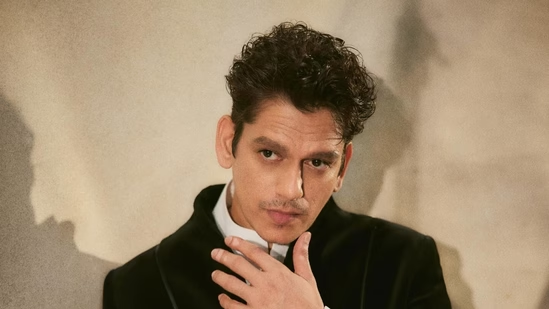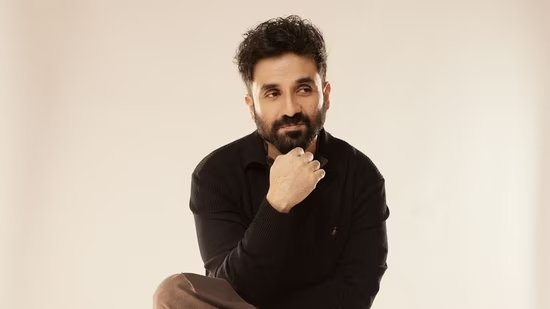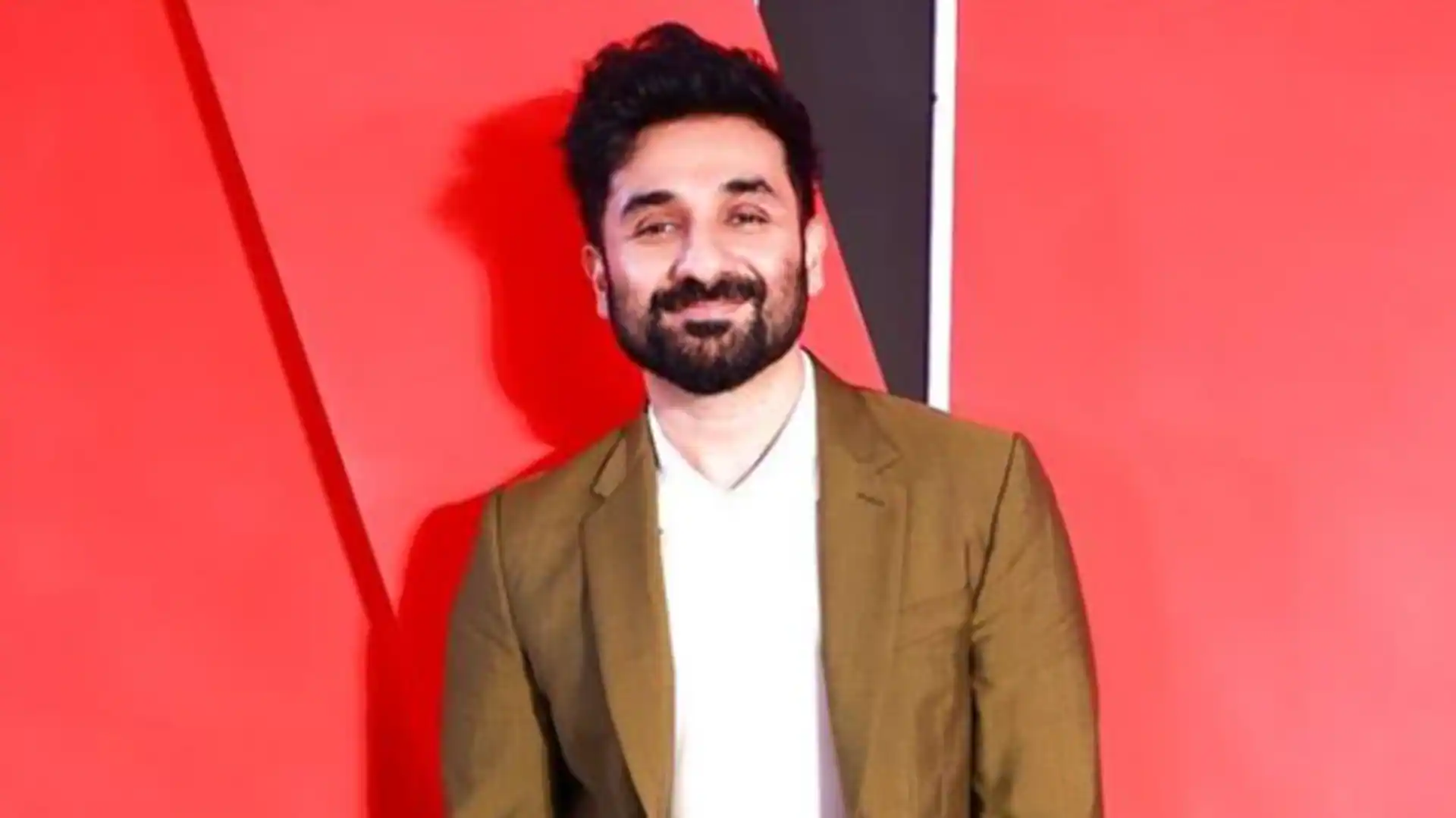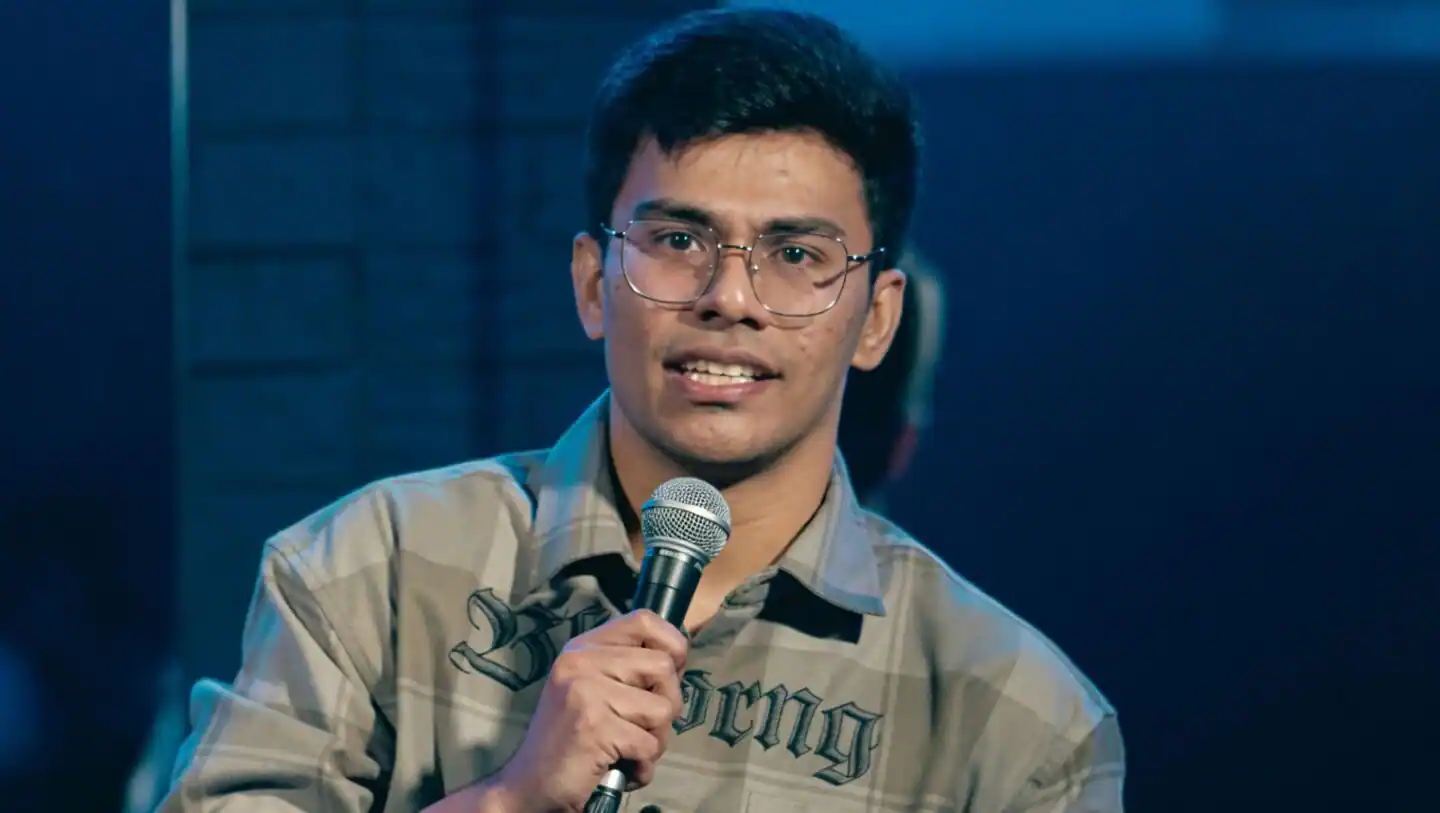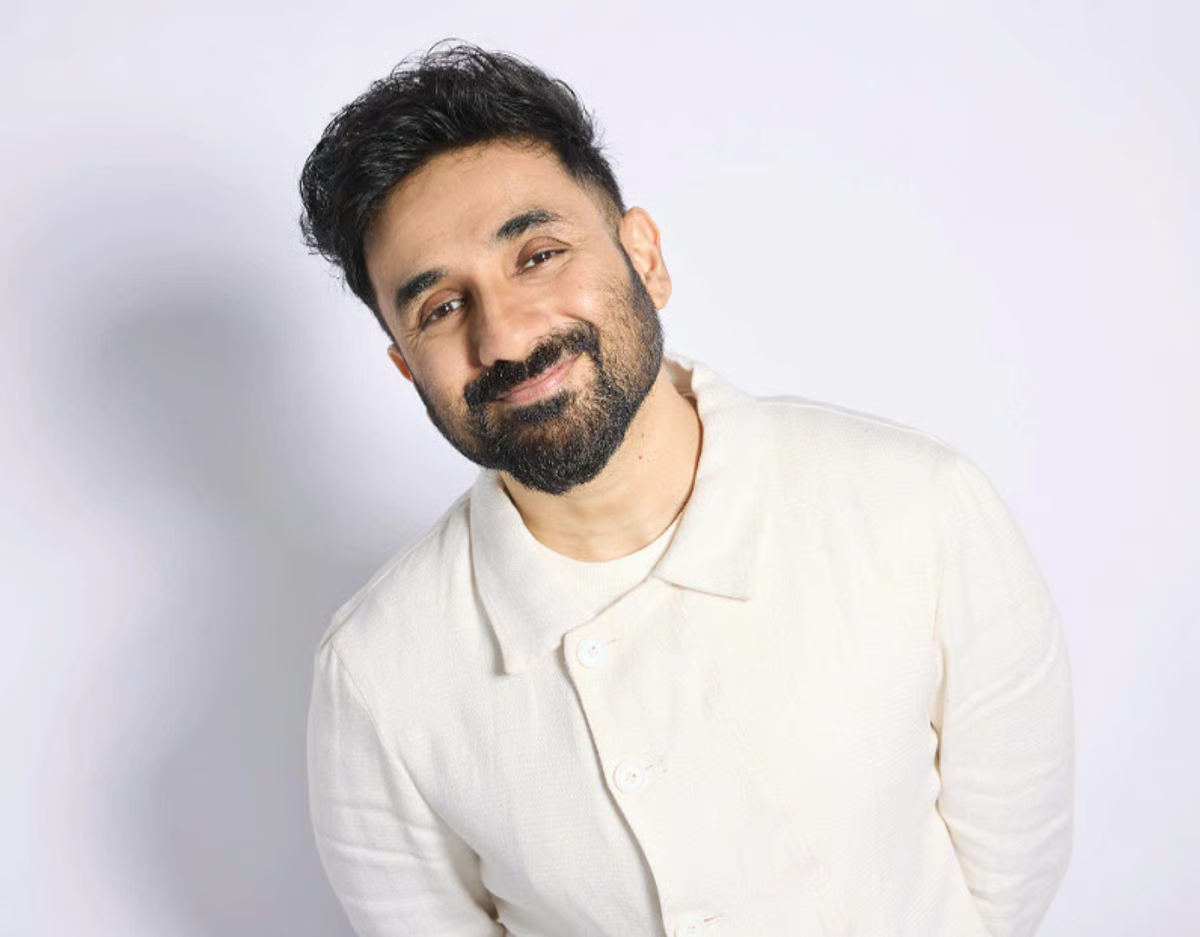
But there's an important catch. "Do you post it or not? Do you edit it and post it and platform it or not? That onus is completely on you, the artist. And nobody else is to blame for posting that stuff."It is a nuanced answer rather than an absolutist one.The comedian isn't the morality police, he alludes. But the artist is absolutely responsible for what he chooses to amplify.That distinction says as much about Vir Das as it does about comedy itself.Throughout our conversation, one idea keeps resurfacing. Words matter and they have incredible lasting and recall power. I tell him that I often wonder whether writing opinion pieces from Dubai about India makes me guilty of armchair activism.He smiles."For sure. The thing is, comedians are also armchair activists at some level, right? At the end of the day, we just take a mic and sit on a stool and say things into a PA system."But I do think, at least because they are my business, words are very powerful things."Whether you are standing in the halls of Parliament or whether you are standing on the street, what you're using is words. If you are using slogans, you need words. If you are giving a speech, you need words. And comedians are just in the business of words as well."So I don't discount that words can have an impact. Of course they do. I think I've made a living out of that as well."It's an answer that also explains why Das has increasingly used his platform beyond stand-up.He recalls the moment during the pandemic when he realised he was wasting an audience that could actually help people."I remember it really hit me during Covid where I saw people with far larger followings than me pivot their followings to fundraising activities... arranging PPE kits... arranging medication... oxygen machines."I was like, 'My God, look at the impact that this is having.' "At that moment maybe I had close to a million followers... I was like, 'Oh, I'm wasting this on reels. I can help people a little bit.'"It's not a Spider-Man thing. I was just inspired by people."That philosophy also explains why the show Dubai audiences will see in October isn't the show he originally intended to bring. He had an entirely different world tour ready, but then the world changed. Vir had been touring a show called Hey Stranger, a meditation on the beauty and power of human connections. But as geopolitical tensions escalated, the headlines became impossible to ignore."Well, look, the show is heavily going to speak to your experience of turning up," he says."I had a show called Hey Stranger that I was touring across the world. And it's a lovely show. It's a beautiful show about the power of people you don't know... Then I had the craziest 10 days I've ever had in my life. And the world had the craziest 10 days between Trump and Iran and Dubai and this and that... I was like, 'Whatever this is, I think this is the show now.'"He threw the old material away. The result is I Say We Run, a show that reflects a planet trying to make sense of itself." I Say We Run is basically me saying this world is bonkers. I say, let's run. The show is now a coping experience of 2026 and what it feels like to live in this world in 2026. So the show will definitely speak to people in Dubai."His answer resonates. When tensions in the region peaked earlier this year, Dubai residents did what they always seem to do. They worried. They checked on loved ones. They refreshed the news every few minutes. And then, somehow, they carried on. Concerts sold out. Families went out. The city refused to surrender to fear. Vir understands that instinct.Comedy, he believes, isn't about pretending difficult things don't exist. It's about helping people survive them."I think I view it more by number than I do by artistry," he says when I ask whether artists have a responsibility during uncertain times."I do think that if your platform crosses a certain number of people, you owe it to the following that you have to say some responsible things... It doesn't have to find its way into your art, by the way. You don't have to write a song about it. You don't have to make jokes about it... But if you've got 20,000 followers... when an earthquake happens and relief is needed, or stray animals need your help, or students need your help... I think your platform owes it to people."That sense of responsibility extends beyond comedy. It also shapes the way he thinks about relevance in an age increasingly dominated by artificial intelligence.I confess that, as a journalist, ChatGPT or AI tools sometimes makes me question my own relevance.His answer catches me off guard."I think relevance is severely overrated. When you reach escape velocity for the desire of relevance, then you can say whatever's in your mind. That's freedom."Who, I ask, has achieved that kind of freedom?Without missing a beat, he answers."The destination is Javed Akhtar," said Vir, alluding to the veteran screenwriter, lyricist, and poet."That man is so intelligent and has achieved so much and is so respected by so many people. He's reached escape velocity. He can say whatever's in his mind... That's the destination."For someone who has built an international career, won an International Emmy and performed on some of the world's biggest stages, it's a surprisingly humble benchmark.And, Vir is still chasing growth.Perhaps that's why he sounds almost energised when he talks about directing his second directorial, a horror film called 'Baarah Number'."It's not supposed to be easy right now. It's supposed to be very hard."His film sets, he says, are run differently too."No cell phones. Entourage free. Spot boy free. Personal makeup free. Personal hair free. We all sit in the morning, get our makeup and hair done right next to each other... There are no cell phones and there's no entourage."It's an unusually democratic way of making films in an industry often built on hierarchy.Even success, he insists, isn't particularly interesting."There's nothing very funny about success or complacency," he says."I've met very successful people and very complacent people... and they are boring as hell. I would much rather pick how entertaining this anxiety is than the boredom of their complacency."That curiosity also shapes the way he approaches grief.When I ask whether conflict, war and tragedy are too painful to joke about, he doesn't answer with theory.He tells me a story.After recently losing his father-in-law, the family covered the body with so many flowers that, at one point, nobody could actually see him."We had to be like, 'Yaar, thoda to phool hatao' [Can you remove a few flowers]"It's funny, uncomfortable, and deeply human.And perhaps that's exactly how Vir Das sees comedy. Manjusha Radhakrishnan has been slaying entertainment news and celebrity interviews in Dubai for 18 years—and she’s just getting started. As Entertainment Editor, she covers Bollywood movie reviews, Hollywood scoops, Pakistani dramas, and world cinema.
Vir Das on misogyny, viral crowd work and why he rewrote his Dubai show amid uncertain times
Vir Das on calling out misogyny, viral crowd work and how global turmoil pushed him to rewrite his Dubai show ‘I Say We Run’ for 2026 audiences.
1,331 words~6 min read