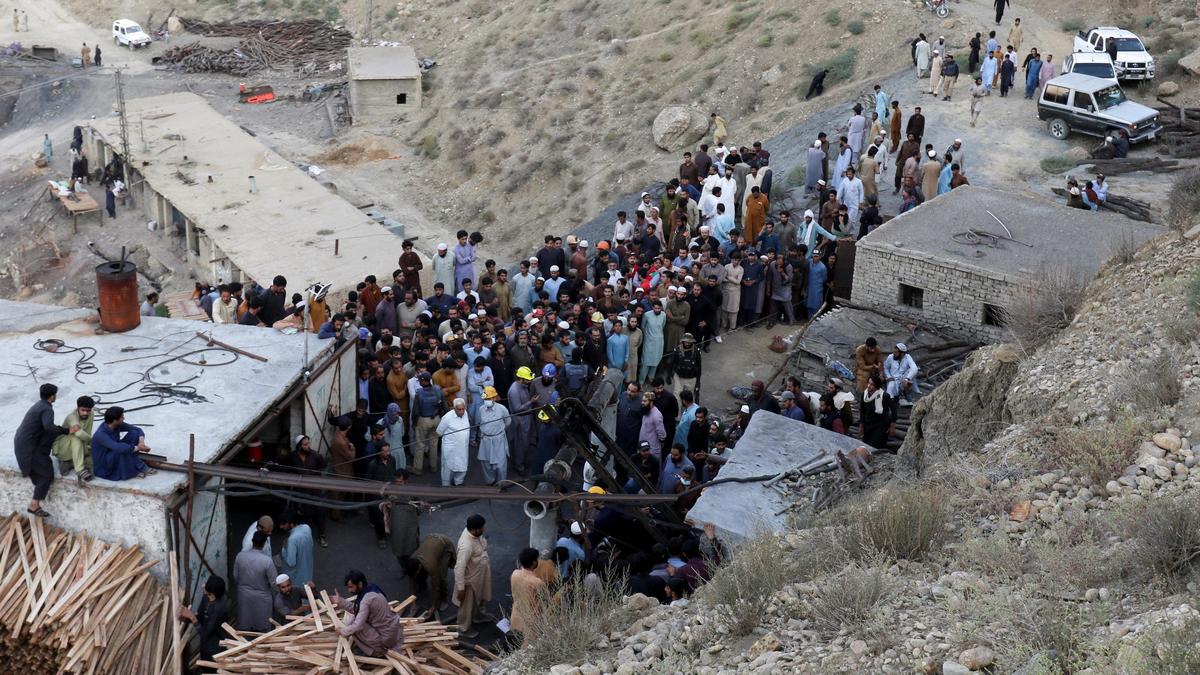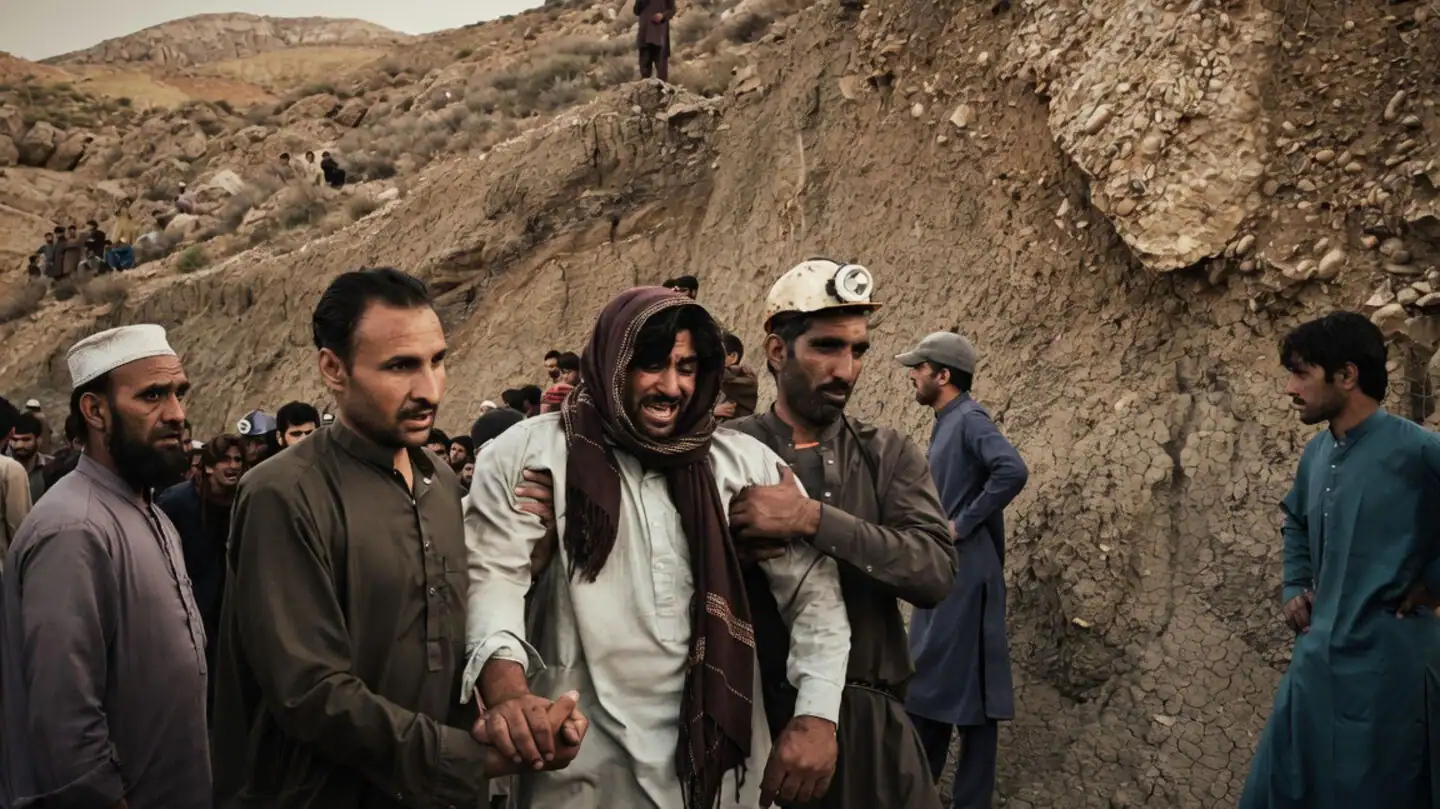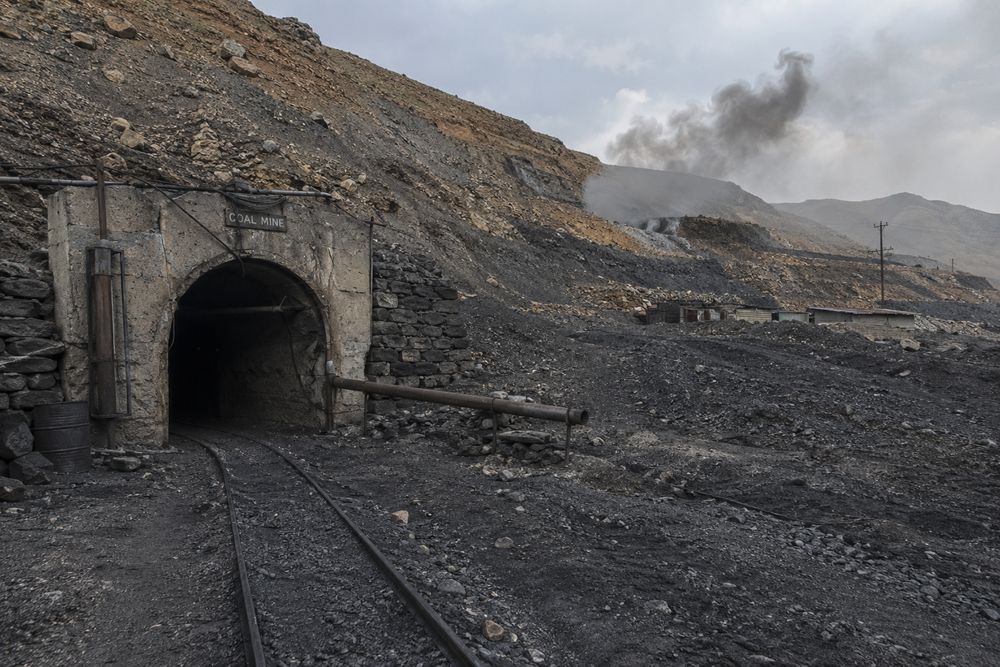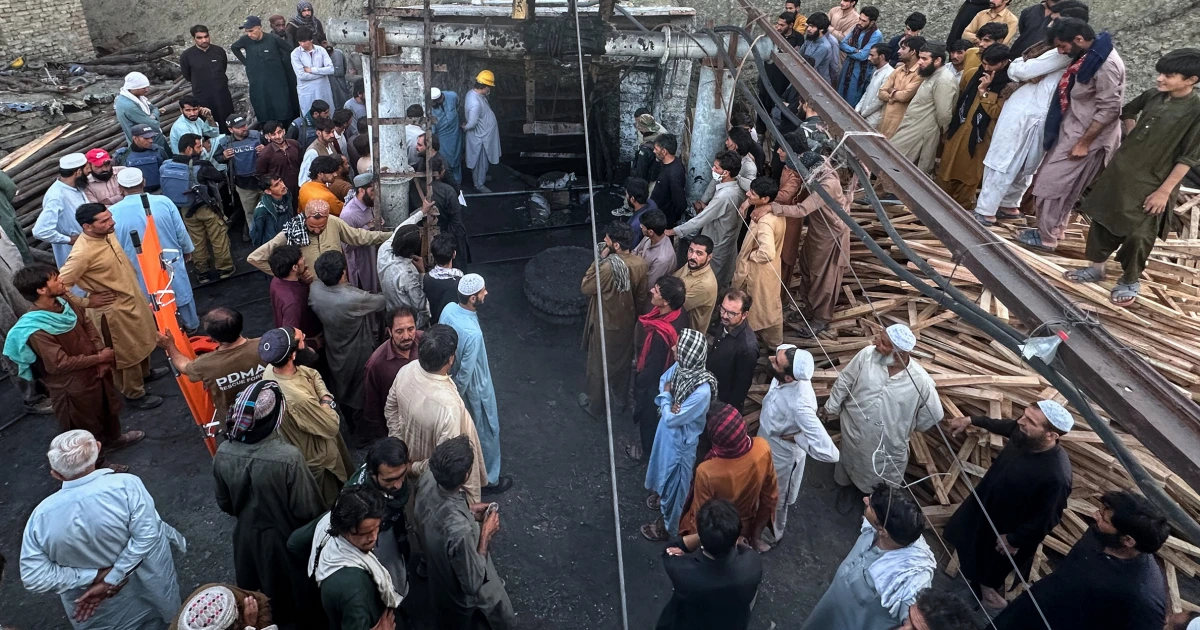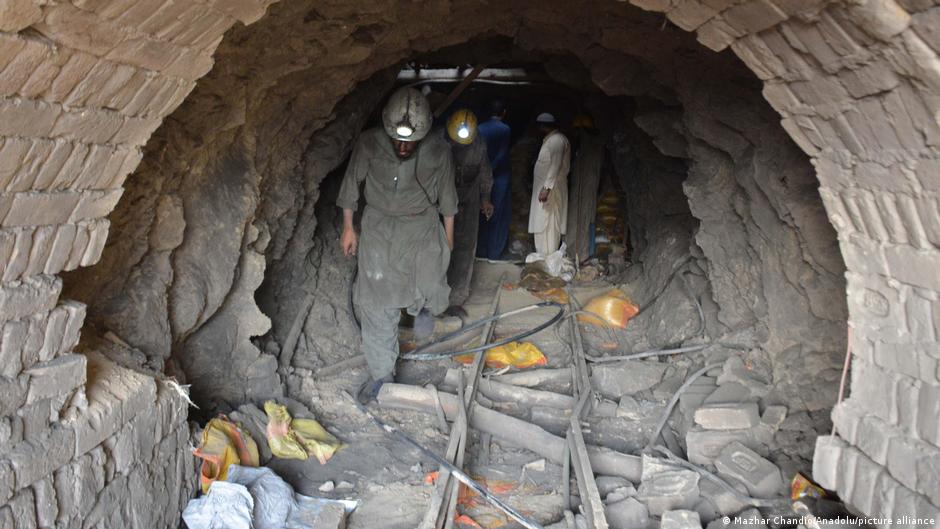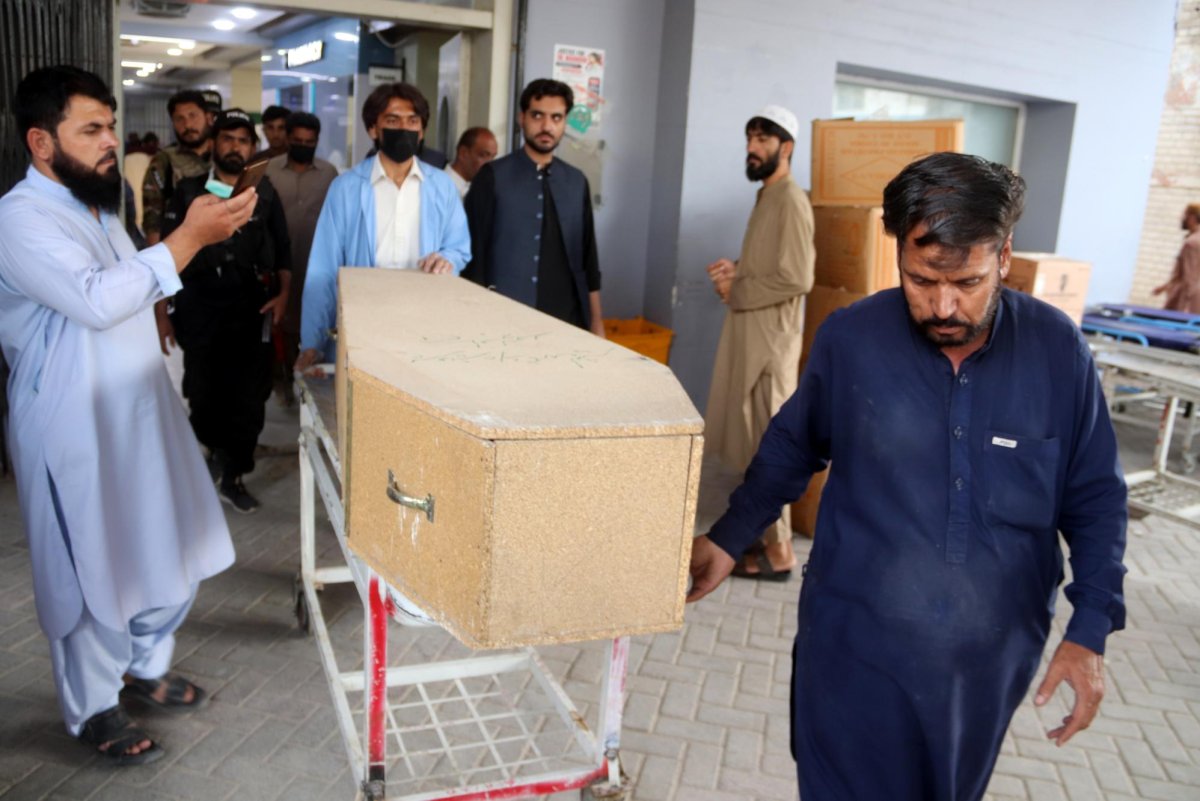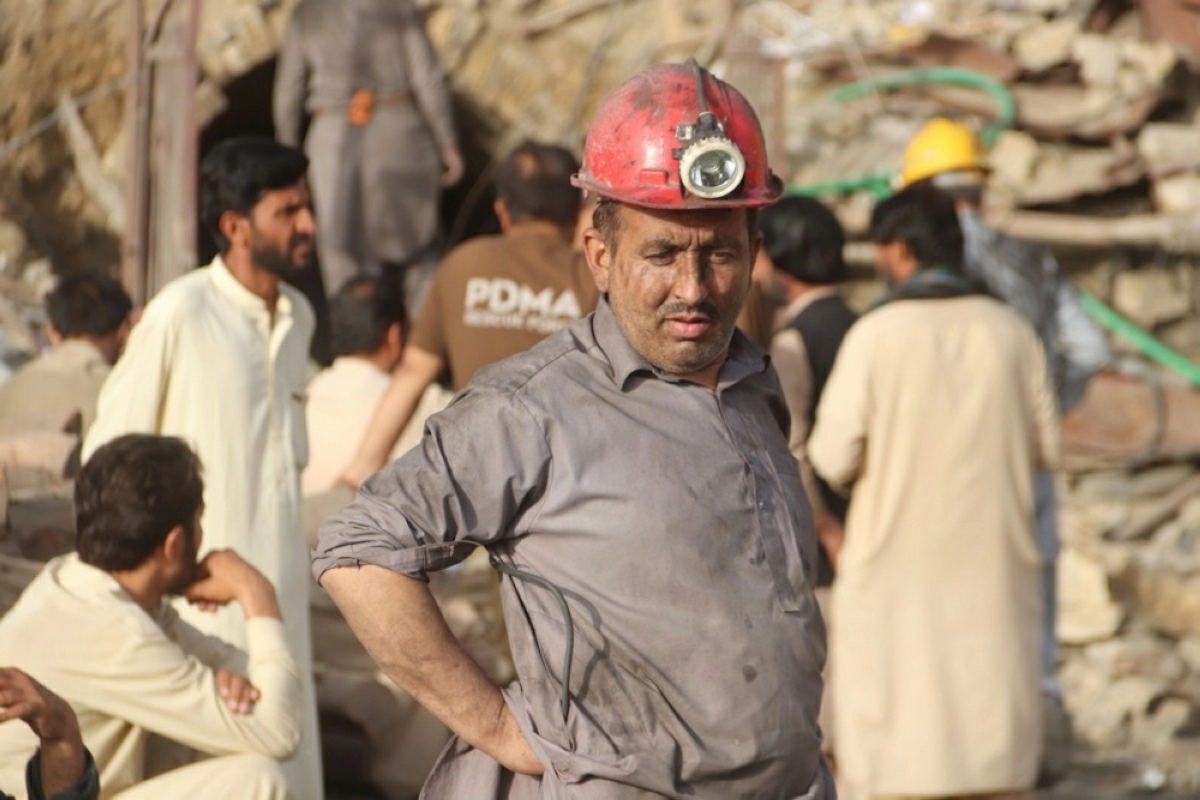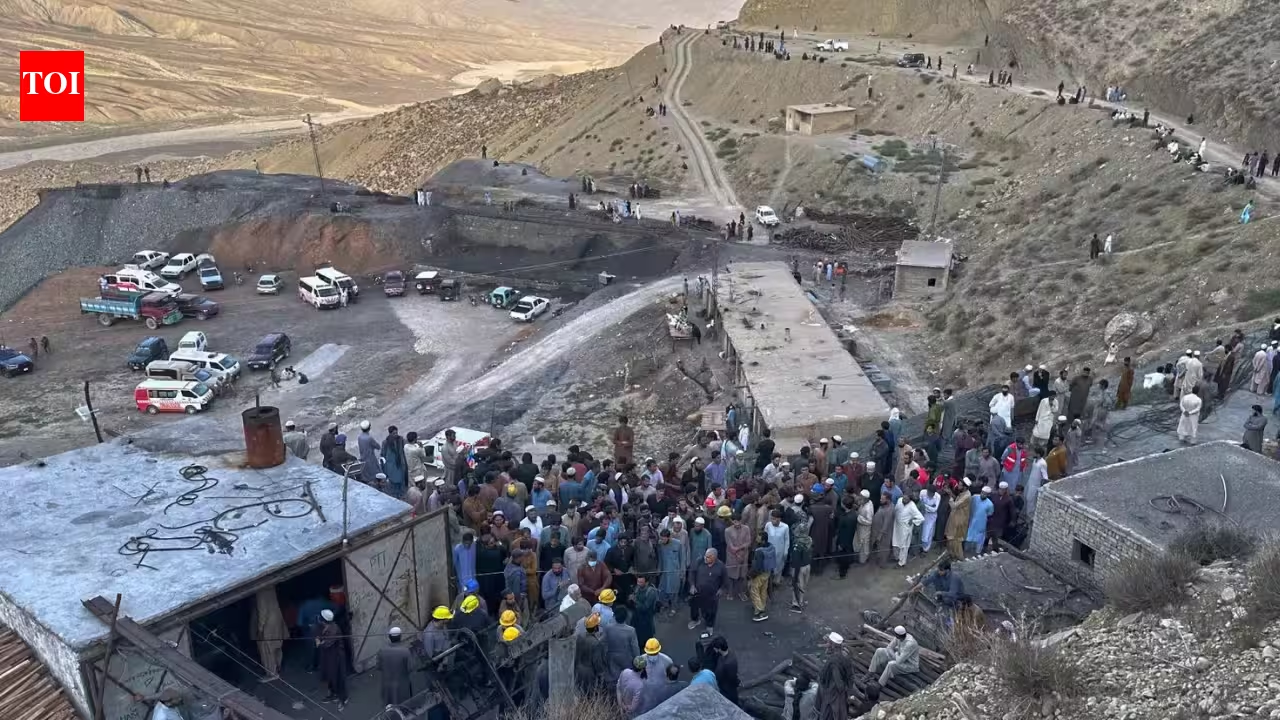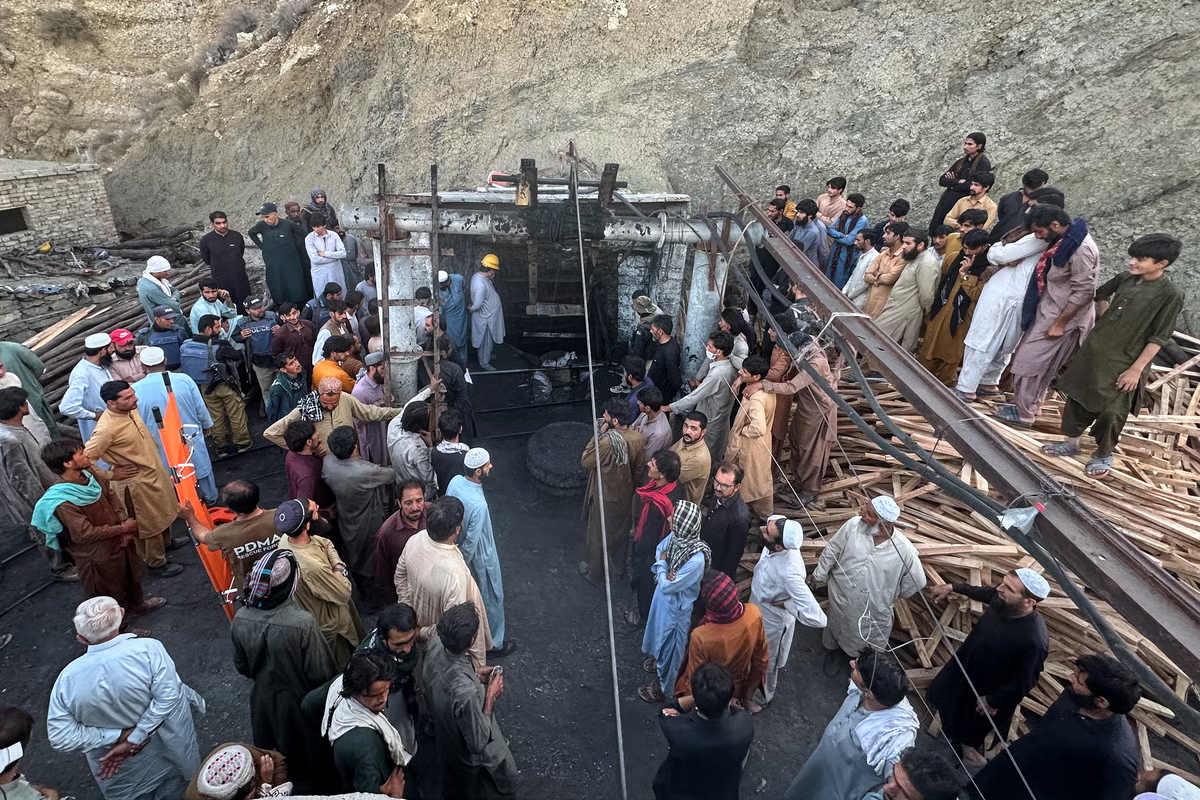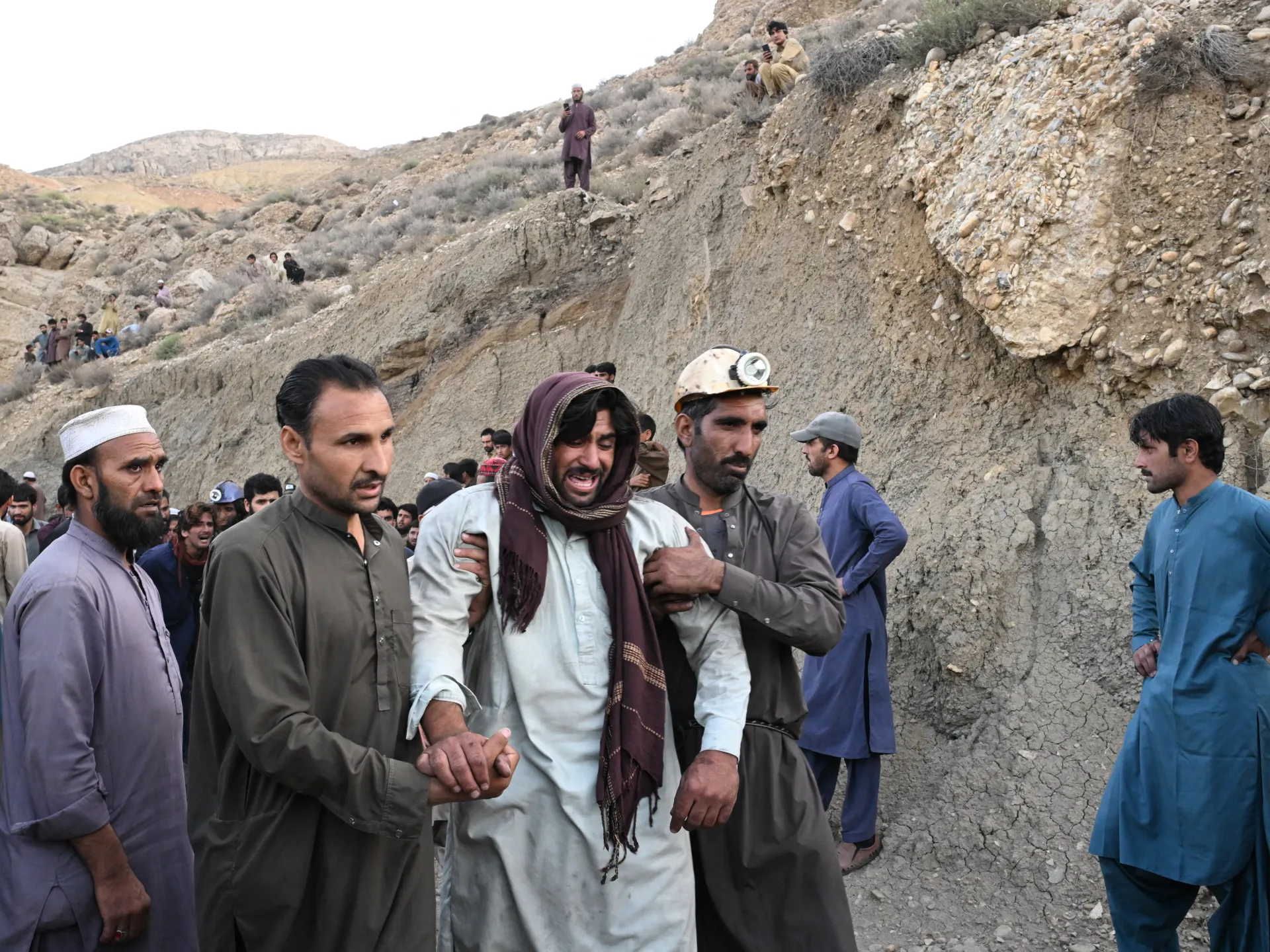
Accidents are common in Pakistan’s coal mining industry, particularly in Balochistan, where many mines lack basic safety measures.At least 32 miners have been killed after an explosion tore through a coal mine in Pakistan’s southwestern Balochistan province, officials said, as hopes of finding survivors fade.The deadly blast occurred on Thursday at a coal mine in Sorange, a remote area near the provincial capital Quetta, and was likely caused by a buildup of methane gas.Recommended Stories list of 3 itemslist 1 of 3Protest group says 30 dead in Pakistan-administered Kashmir vote unrestlist 2 of 3Attack on northwest Pakistan police post kills 11 officerslist 3 of 3How is Islamabad handling crisis in Pakistan-administered Kashmir?end of list“We have recovered 29 bodies so far. Our rescuers have located three more bodies inside the mine and are trying to recover them,” an official of the Provincial Disaster Management Authority said early on Friday.He said workers from the authority and other emergency responders continue to search for the remaining trapped miners, more than 12 hours after the incident, but that chances of finding any survivors were very low.Muhammad Atif, the chief inspector of mines in the province, had earlier said that there were 36 miners inside at the time of the explosion.Abdul Ghani Baloch, another senior government mining official in the region, said two mines close to each other were damaged in the powerful explosion.Coal miners and relatives gather after a coal mine collapsed in the Sorange area, some 50 kilometres (31 miles) east of Quetta, on July 30, 2026 [AFP]Accidents are common in Pakistan’s coal mining industry, particularly in Balochistan, where many mines lack adequate ventilation, gas monitoring systems and other basic safety measures.Mineworkers and labour groups have long accused mine owners of failing to enforce safety regulations or provide adequate protective equipment.Despite the risks and low wages, thousands of miners depend on the coal industry for their livelihoods in Balochistan, which is Pakistan’s largest, but least developed, province, where unemployment and poverty remain widespread.
Pakistan coal mine explosion kills at least 32 miners
Accidents common in Pakistan’s coal mining industry, particularly in Balochistan, where many mines lack basic safety.
330 words~2 min read