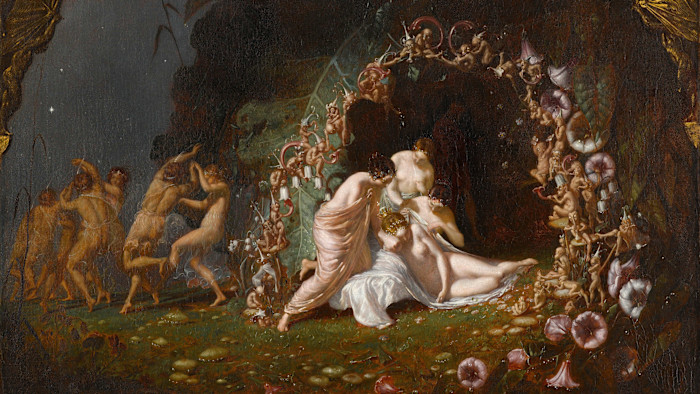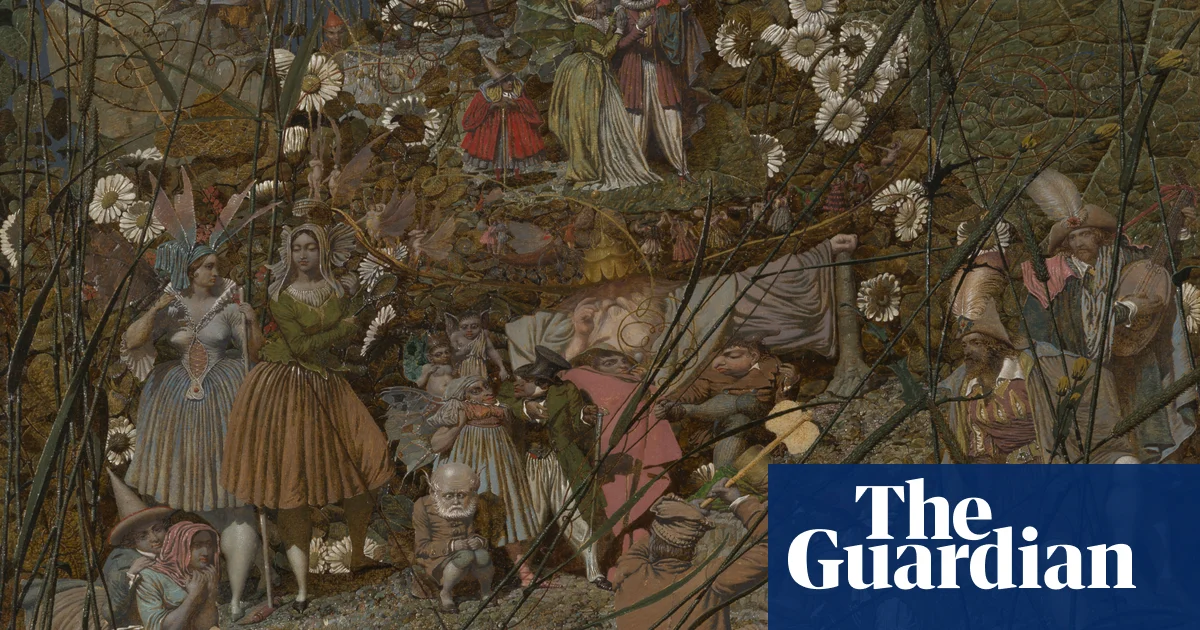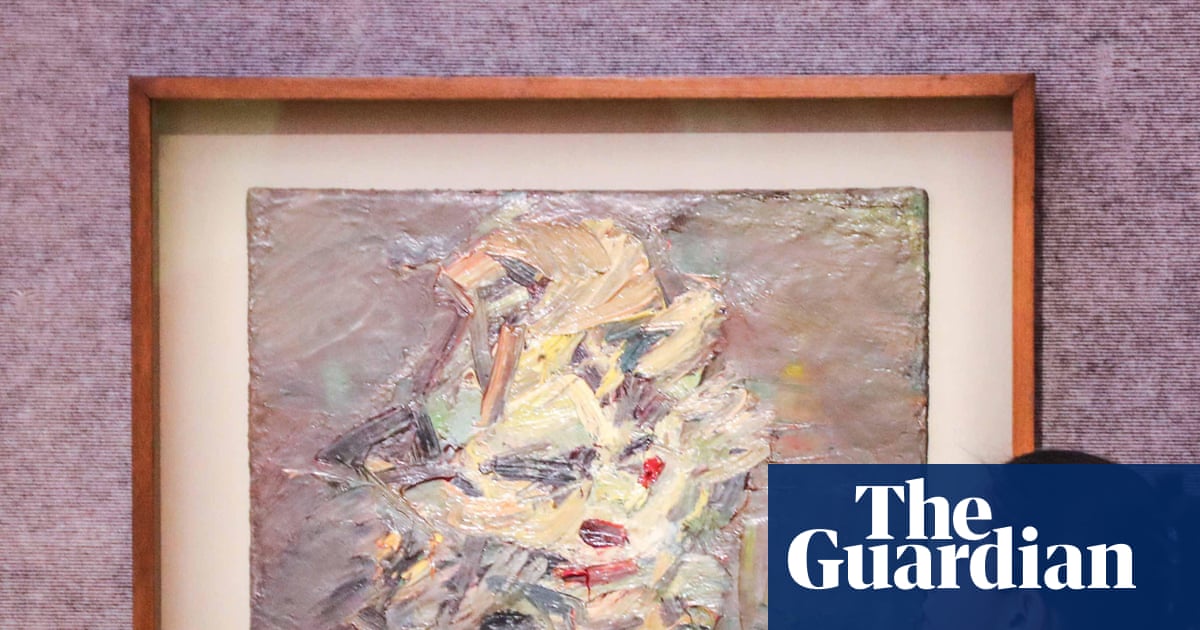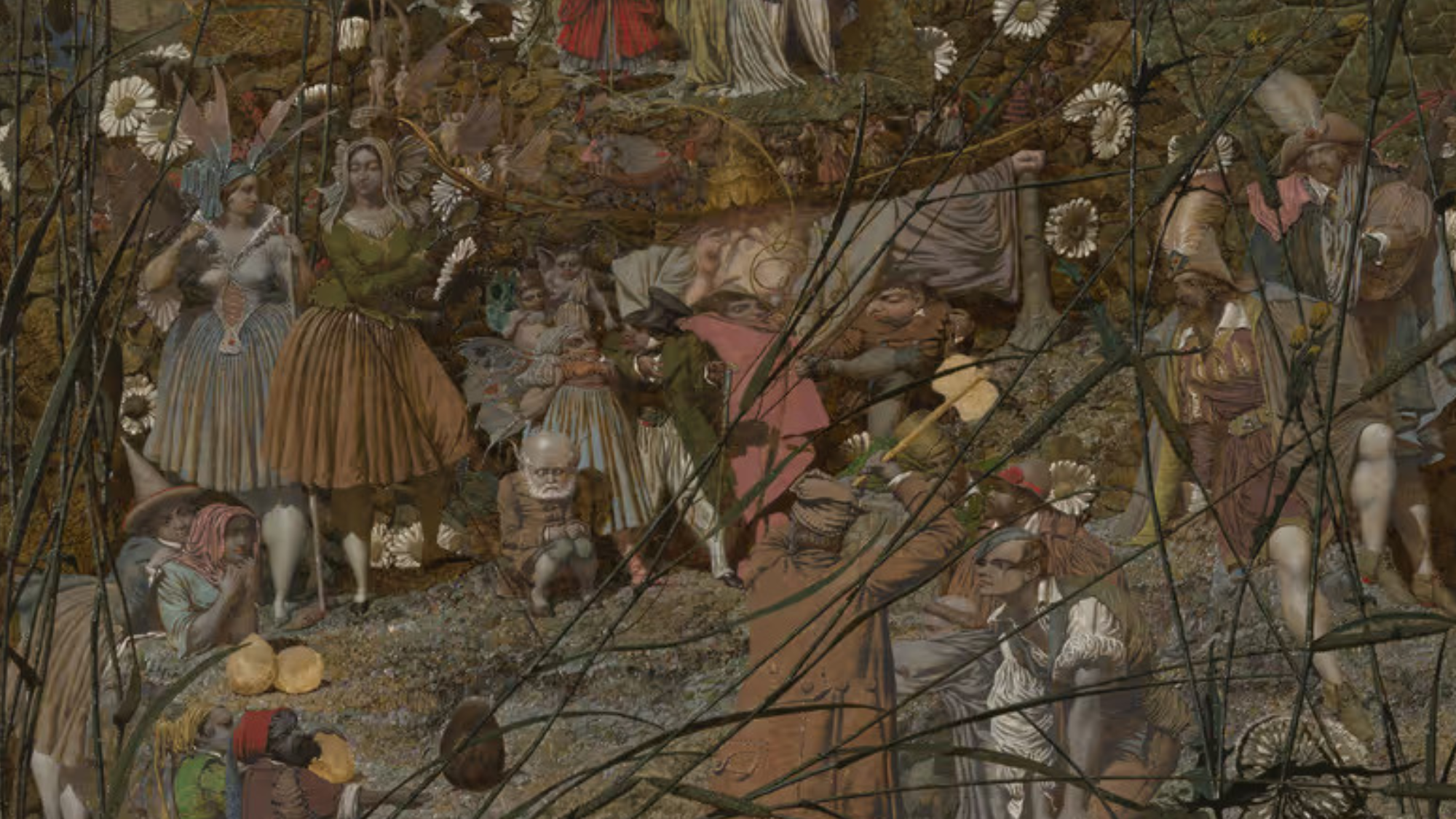
The life of the artist Richard Dadd “makes for quite a story”, said Mark Hudson in The Independent. Dadd (1817-86) was a talented painter who began to display signs of schizophrenia during a tour of the Near East.Then in 1843, he murdered his father during a “psychotic episode”, believing him to be a devil. He spent the rest of his life incarcerated in Bethlem Hospital (Bedlam) and Broadmoor, where he continued to paint; the bustling fairy scenes he created are some of the “most haunting” images in the history of British art. He was almost forgotten until the 1960s, when his exquisitely precise, visionary works became popular in the hippy era. Dadd has remained a cult figure ever since, but in an era of greater mental health awareness, it feels timely that the Royal Academy (where he trained as a young man) is revisiting his art with unprecedented sensitivity. The first major exhibition devoted to this archetypal “outsider” in more than 50 years, it surveys his entire career and poses the question: how did mental illness affect Dadd’s paintings?
The Week
Escape your echo chamber. Get the facts behind the news, plus analysis from multiple perspectives.
From our morning news briefing to a weekly Good News Newsletter, get the best of The Week delivered directly to your inbox.