Here's the thing nobody wants to hear: we already know how to break systems where components blindly trust each other's output. We've known for twenty-five years. We just gave it a new name and forgot the lesson.
Context
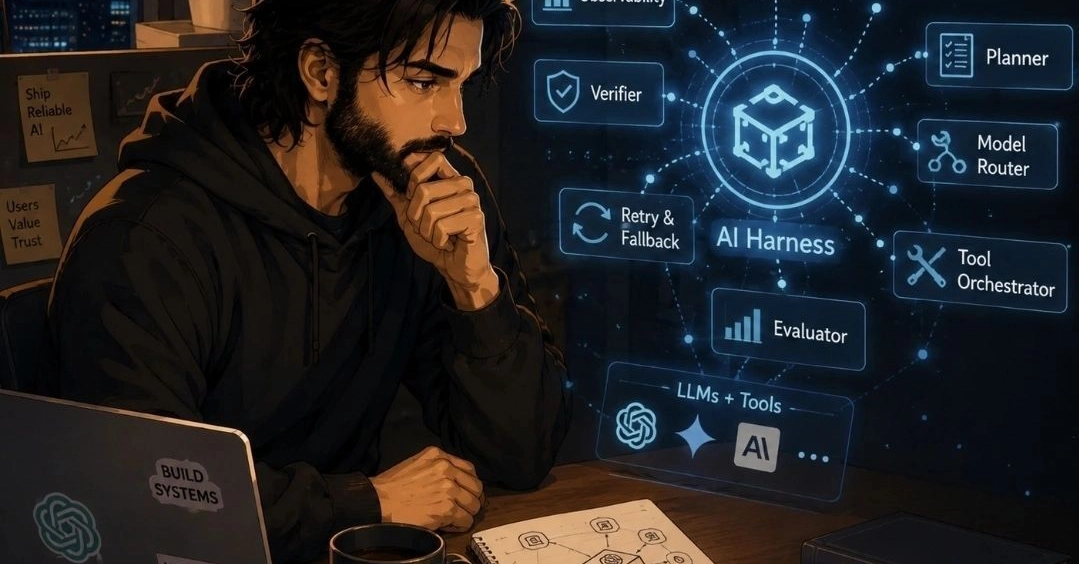
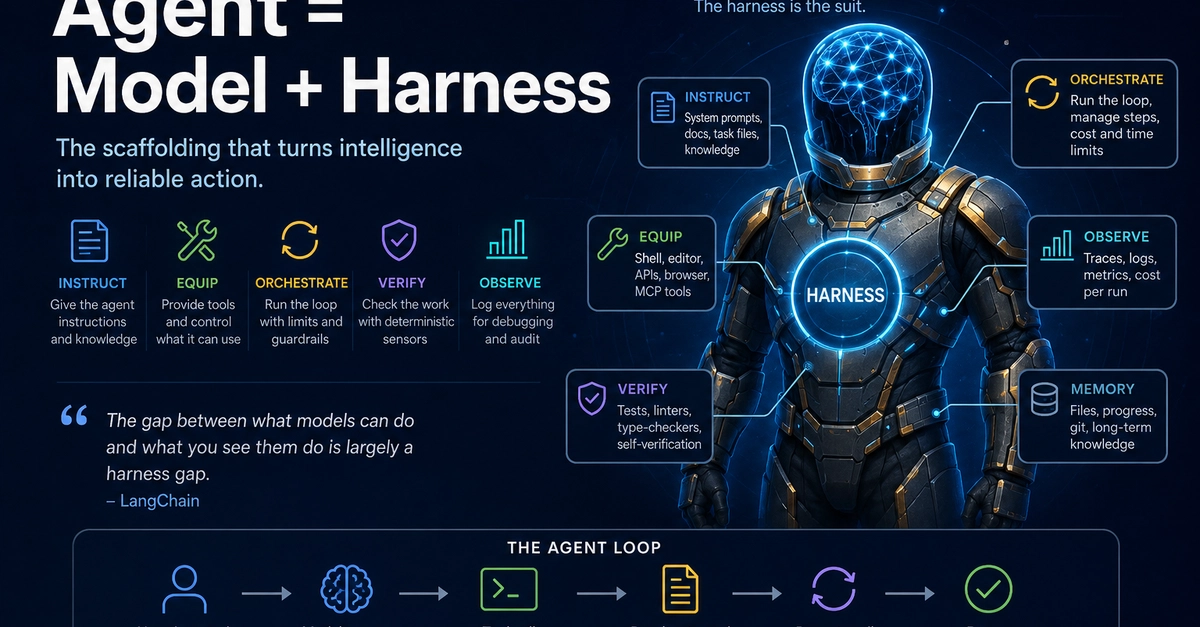
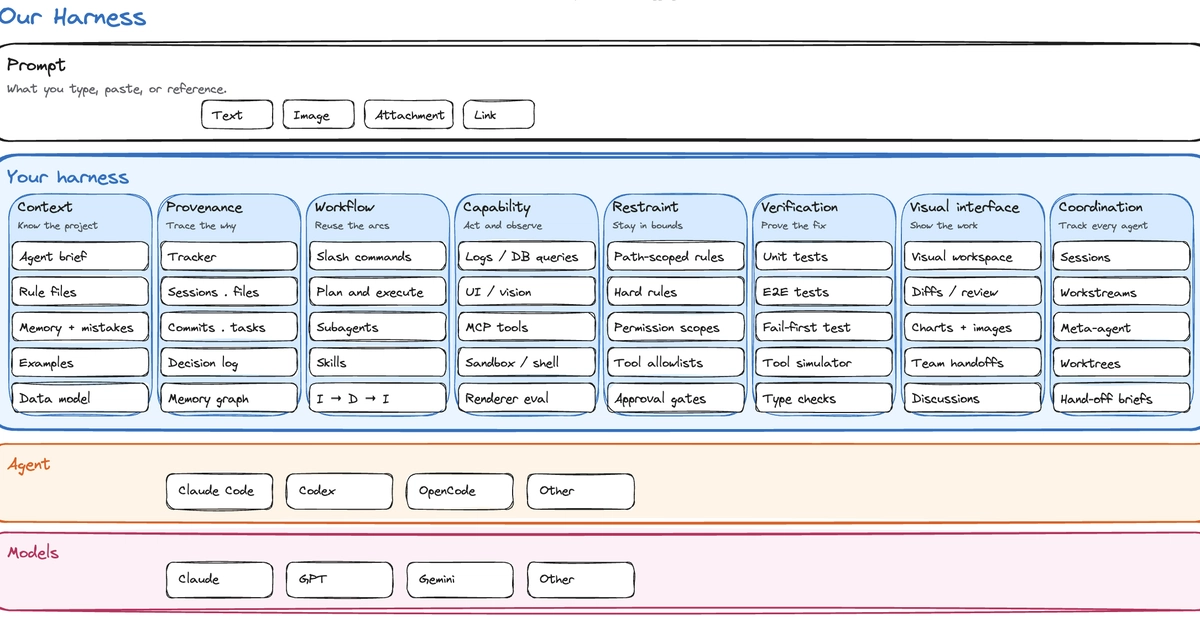
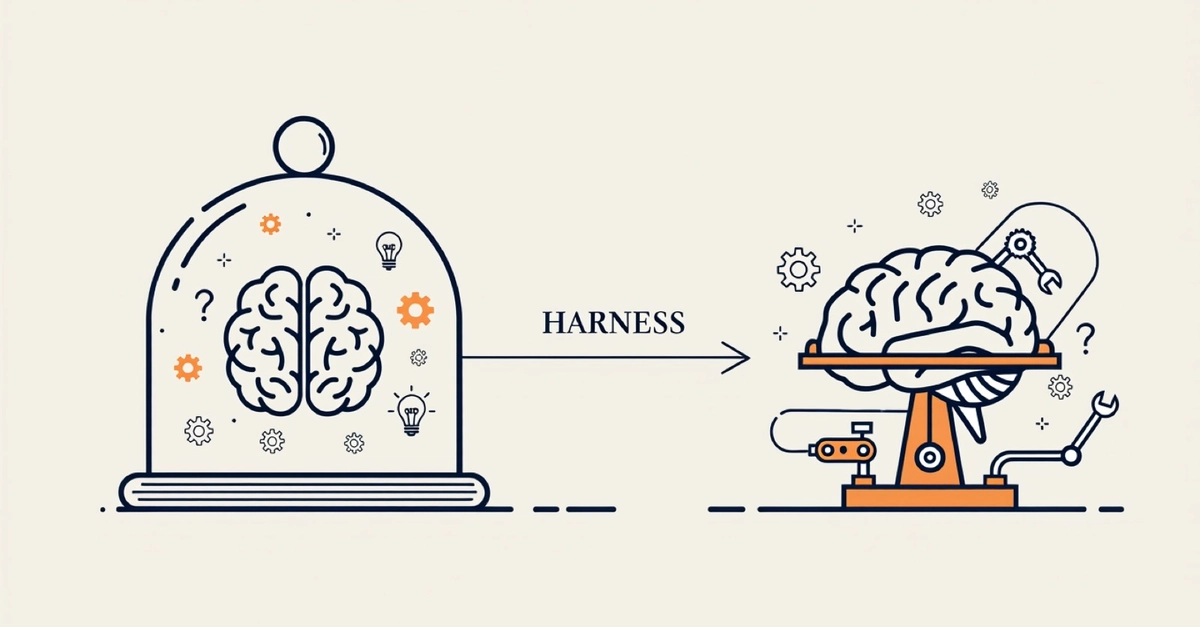
An "AI harness" is orchestration glue. Take an LLM, wrap it with a bunch of connectors, plugins, and tool-calling scaffolding so it can actually do things (query a database, hit an API, write a file), and you've got a harness. The Dark Reading piece points out something structurally obvious once you say it out loud: these components form a chain of trust boundaries, and a lot of them don't verify what the component next to them is handing over.
If that sentence gives you deja vu, it should. Deserialization bugs, SSRF via internal service calls, XML entity injection through a "trusted" upstream parser — the entire history of appsec is a history of Component A assuming Component B already did the validation. We keep rediscovering this pattern every time a new architecture pattern gets hot enough to attract production traffic before anyone's threat-modeled it.
The new part isn't the trust boundary problem. The new part is that the thing sitting in the middle of the chain is a probabilistic text generator that can be talked into doing weird stuff by its own inputs, and it's now wired directly into tool execution.