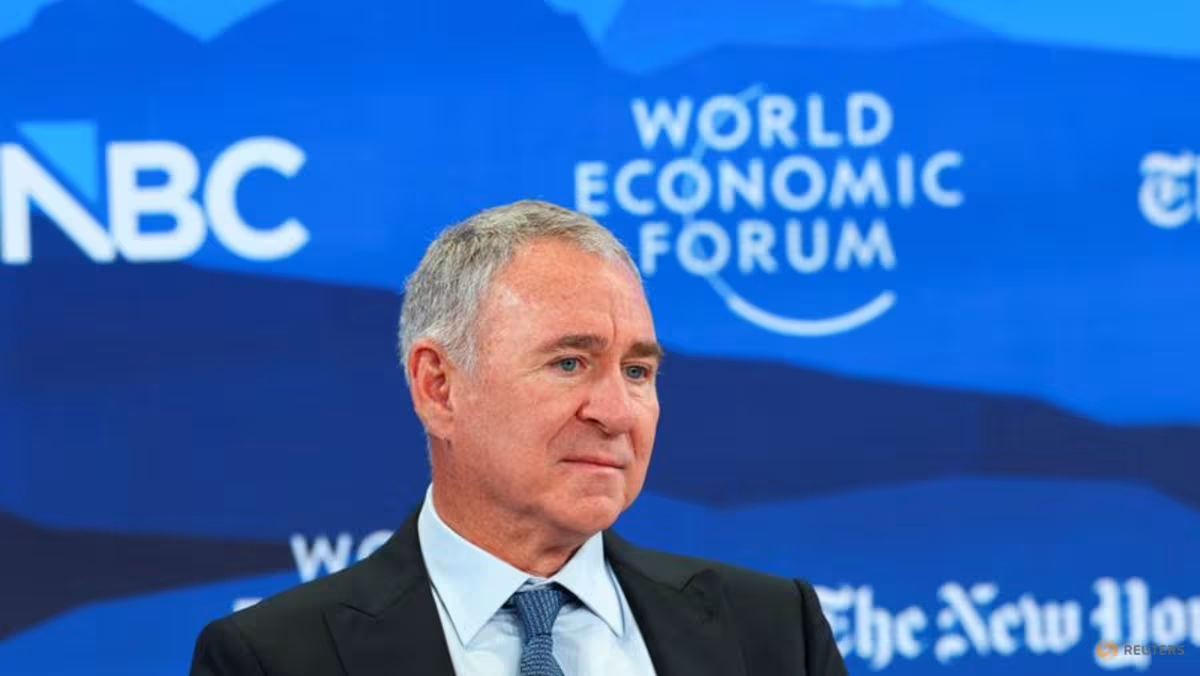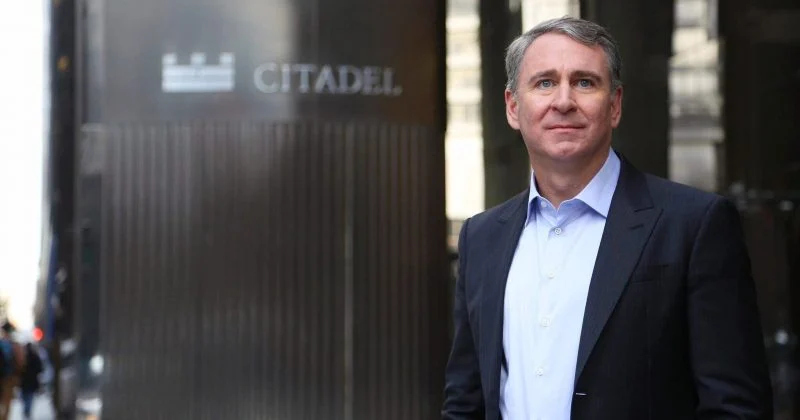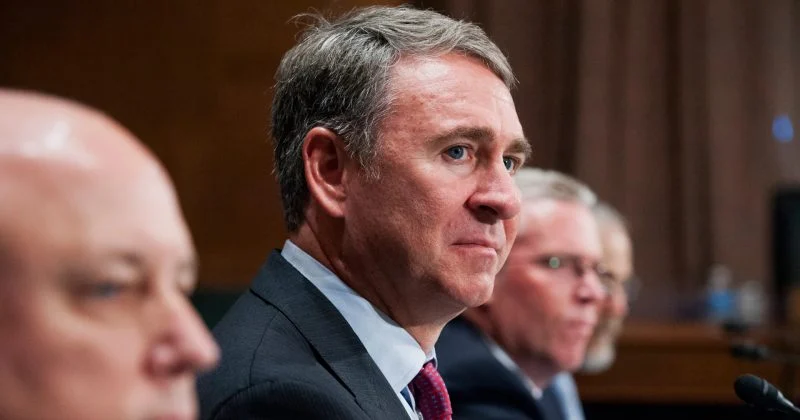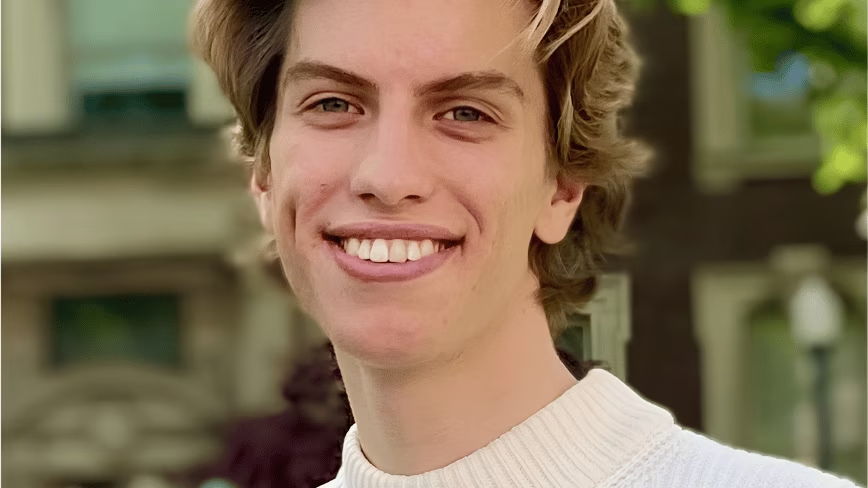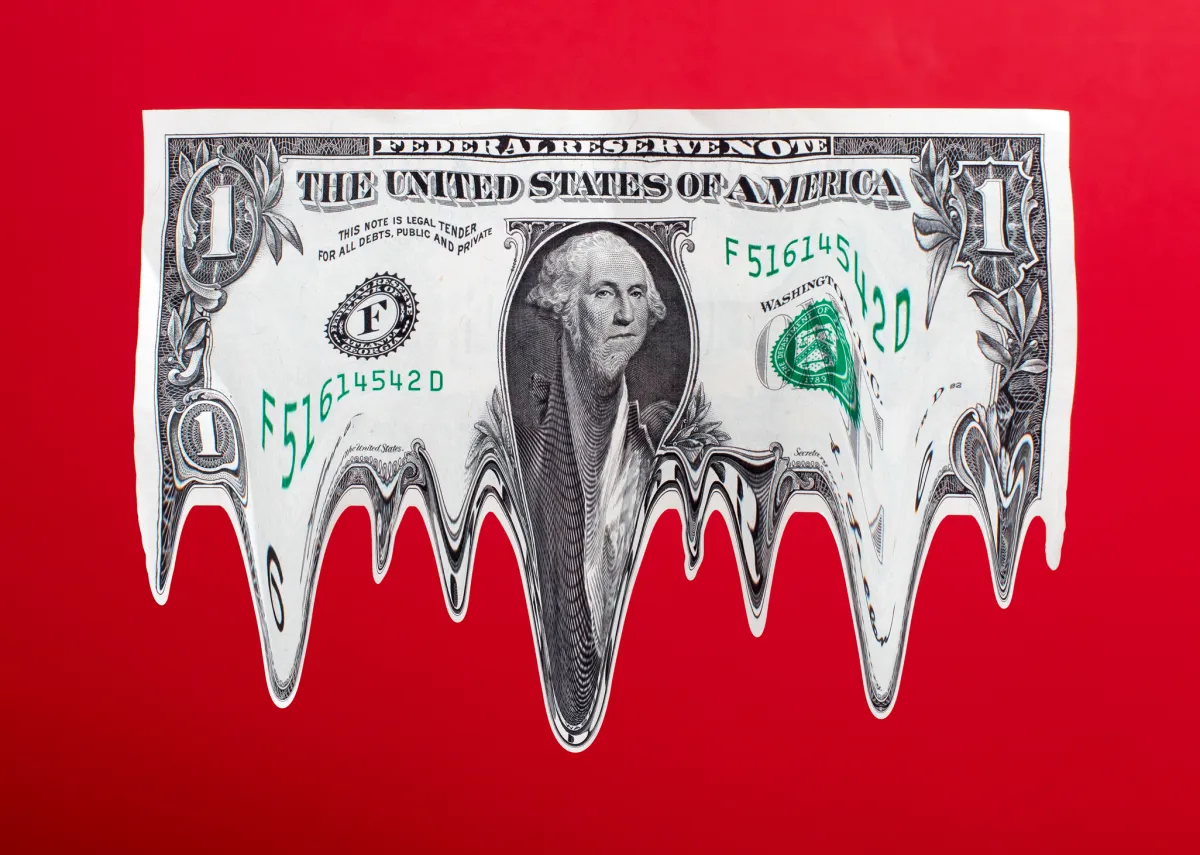
NEW YORK - One of the hottest investment firms in artificial intelligence received a bailout to stay afloat on July 30 amid a sudden drop in value for its investments.The fast-moving crisis unfolded over just 36 hours at Situational Awareness, a once-envied hedge fund in San Francisco led by 20-somethings, including a former employee of OpenAI. The firm put out an emergency call for help to rivals, seeking to sell more than US$10 billion (S$12.8 billion) of its stock to shore up its plummeting portfolio, according to three people briefed on the call.After a brief bidding war overnight, the hedge fund Citadel – founded by billionaire Kenneth Griffin – agreed to step in with the needed cash, so long as it received a substantial discount on the investments, the three people said.The move forestalled the immediate danger for Situational Awareness, but it has put many on Wall Street on edge. Several recent crises have begun with struggling hedge funds forced to unwind – most recently in 2021, when the collapse of the hedge fund Archegos ended up taking down the bank Credit Suisse along with it.Situational Awareness was named after a 2024 essay by its founder, Leopold Aschenbrenner, a onetime employee of the philanthropic arm of FTX, the fallen crypto brokerage. His essay predicted that research labs would develop a superintelligent form of AI by 2027.That thesis became a foundation of the firm’s investment strategy, and the fund became a poster child for the boom by pouring money into AI companies. This worked wonderfully, for a while: Some of its investors, which include Patrick and John Collison, the founders of Stripe, had made a 200 per cent return on its investments this year alone, according to two people briefed on the figures but not permitted to discuss them publicly.Yet its fortune turned in recent weeks, as markets began to question whether the AI renaissance will turn out to be as profitable or impactful as promised. Stocks for chipmakers and other firms closely tied to the industry cratered.Plenty of AI companies large and small are in a crunch. But Situational Awareness was in a particularly dangerous position. It had borrowed billions of dollars from Wall Street banks to amplify its bets, and those banks had in recent days begun asking for some of that money back, according to the three people briefed on the requests.Faced with the potential of a forced fire sale, Aschenbrenner, 24, canvassed his onetime rivals for a bailout. His offer: to sell more than US$10 billion of its stocks to shore up the firm.Wall Street banks and other investment firms worked overnight to scour the firm’s portfolio to come up with bids. An auction was held overnight Wednesday and the winner was Griffin’s hedge fund, Citadel. The deal was closed early on July 31, one of the people briefed said.It’s a familiar strategy for Citadel, one of the largest hedge funds in the world. In decades past, it has swooped in to buy cut-rate positions from firms in desperate situations, including Enron.Situational Awareness continues to hold a big chunk of harder-to-sell positions in privately held companies such as Anthropic. It remains to be seen if those companies will live up to their lofty valuations if and when they hit the public markets.Aschenbrenner and a spokesperson for Situational Awareness did not respond to requests for comment. NYTIMESThis article originally appeared in The New York Times.
Floundering AI hedge fund Situational Awareness rescued by rival Citadel
Situational Awareness is a once-envied hedge fund in San Francisco led by 20-somethings. Read more at straitstimes.com. Read more at straitstimes.com.
567 words~3 min read