From the World Cup to the United States' 250th celebration, this year's event calendar has been packed with high-profile gatherings that drew global audiences, intense scrutiny, and enormous security demands.
July 20, 2026
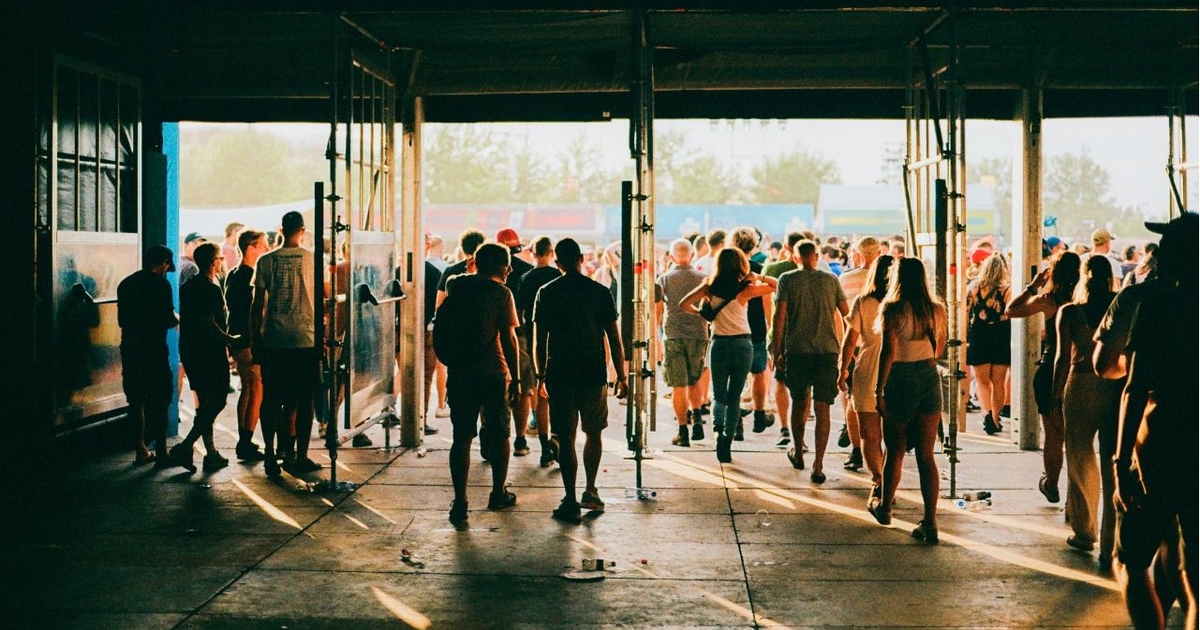
The threats surrounding major events often begin long before anyone reaches the gate. A compromised hotel system can reveal where athletes, executives, or delegations are staying. A breach involving government or ministry offices can expose schedules and movements. Threats aimed at fan events, themed gatherings, or transit hubs can target the outer ring of security, where crowds are harder to control and attackers may see more opportunity.
I've spent much of my career looking at how risks take shape around major events, executives, and public-facing organizations. In that time, I've seen event security programs become more sophisticated, better resourced, and more comprehensive. Cameras, bag checks, and perimeter controls remain essential, but they work best as part of a broader strategy. The most effective programs account for risks forming across the wider event ecosystem, digitally and physically, before attendees ever arrive.
Related:Patch-Resistant 'RufRoot' Flaw Can Unleash Malicious AI Agent Swarms